


US Bariatric Patients Surge to Tijuana for Tummy Tucks
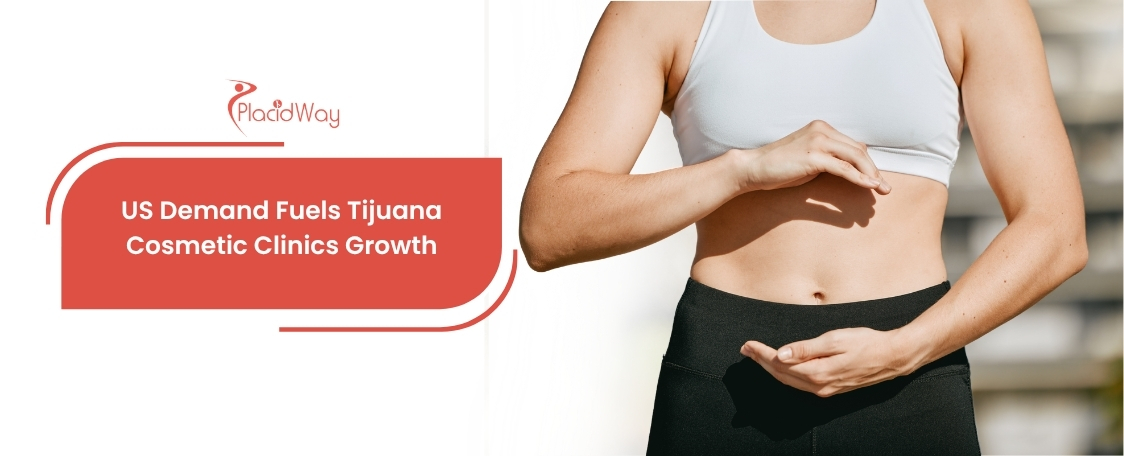
After massive weight loss, thousands of Americans are crossing the border for a Tummy Tuck in Tijuana. Escaping staggering US healthcare costs, these patients save up to 70% on post-bariatric body contouring, safely finalizing their health journeys abroad.
The Surging Demand for Post-Bariatric Plastic Surgery in Mexico
The United States is currently experiencing an unprecedented boom in massive weight loss transformations. Driven by the widespread success of bariatric surgeries—such as gastric sleeves and Roux-en-Y gastric bypasses—as well as the recent explosion in the use of GLP-1 agonist weight-loss medications, millions of Americans are successfully shedding hundreds of pounds. However, this monumental health achievement frequently introduces a secondary, highly challenging physical condition: severe excess skin. For massive weight loss patients, the deflation of adipose tissue leaves behind heavy, inelastic folds of skin that cause chronic rashes, restricted mobility, and profound psychological distress, effectively masking the incredible physical progress they have made.
Despite the undeniable medical necessity of removing this excess tissue, the U.S. healthcare system almost universally categorizes post-bariatric skin removal—specifically abdominoplasty—as an elective, cosmetic procedure. While some insurance policies might partially cover a basic panniculectomy (the mere removal of the hanging abdominal apron), they actively deny coverage for the comprehensive muscle repair (diastasis recti correction) and aesthetic contouring that a true tummy tuck provides. Faced with insurmountable domestic out-of-pocket costs, a record-breaking number of Americans are pivoting their focus toward medical tourism in Mexico, seeking high-quality, specialized post-bariatric plastic surgery just across the southern border.
Did You Know?
Clinical studies indicate that up to 70% of patients who undergo bariatric surgery will ultimately require some form of surgical body contouring. Yet, due to prohibitive U.S. pricing and insurance denials, fewer than 15% are able to afford these vital procedures domestically.
Why a Tummy Tuck in Tijuana is the Top Choice for American Patients?
Geographic convenience plays an instrumental role in the meteoric rise of Tijuana as the undisputed global capital for post-bariatric body contouring. Located a mere twenty minutes from the San Diego International Airport, the region offers U.S. patients unparalleled logistical ease. Instead of enduring grueling long-haul international flights to destinations in Asia or South America, patients can fly domestically into Southern California and be transported securely across the border in luxury medical shuttles. This seamless accessibility reduces travel-related physical stress, which is critically important for patients preparing to undergo major reconstructive surgery.
Beyond mere geography, it is the profound concentration of surgical expertise that draws the masses. Bariatric skin removal is radically different from standard cosmetic surgery performed on a patient who has never been obese. The tissue elasticity, vascular networks, and overall anatomical landscape of a massive weight loss patient require a highly nuanced surgical approach. Because Tijuana functions as a global hub for both bariatric surgery and post-bariatric reconstruction, the elite surgeons operating within this medical district possess extraordinary, specialized experience. They routinely perform complex variations of the procedure, including extended tummy tucks, fleur-de-lis abdominoplasties, and 360-degree lower body lifts, executing these intensive surgeries with a level of routine mastery that is difficult to find in standard U.S. cosmetic practices.
The True Cost of Massive Weight Loss Body Contouring: A Comparative Analysis
The financial disparity between American and Mexican healthcare sectors is the primary catalyst driving this border-crossing phenomenon. In the United States, healthcare inflation, exorbitant facility fees, monopolized pharmaceutical pricing, and skyrocketing malpractice insurance premiums have pushed the cost of comprehensive body contouring into the stratosphere. A massive weight loss patient in the U.S. is often subjected to fragmented billing, where the surgeon's fee, the anesthesiologist's hourly rate, and the hospital's operating room fee are all billed separately, frequently culminating in invoices exceeding $20,000 for a single abdominal procedure.
In stark contrast, the Mexican medical tourism model is built upon financial transparency and structural efficiency. By offering bundled, all-inclusive packages, world-class clinics south of the border effectively eliminate surprise medical billing. Patients are provided with a single, comprehensive price that covers the entirety of their surgical journey. This allows everyday Americans—who have already invested heavily in their weight loss—to access elite surgical care without liquidating their savings or taking on predatory, high-interest medical loans.
Exploring Baja California's Advanced Medical Tourism Infrastructure
The days of seeking cross-border care in small, outdated clinics are firmly in the past. Today, the medical landscape of Baja California is dominated by hyper-modern, multi-million-dollar health complexes specifically engineered to cater to the international patient. These towering "medical cities" consolidate every aspect of the healthcare journey under a single roof. A patient can undergo comprehensive pre-operative 3D imaging, consult with top-tier cardiologists for surgical clearance, undergo their procedure in fully accredited operating theaters equipped with HEPA-filtration systems, and recover in luxury suites, all without ever leaving the secure, sanitized perimeter of the facility.
Furthermore, the technological integration within these facilities rivals, and frequently surpasses, many domestic American hospitals. Because these premier Mexican institutions operate with a consistent influx of international capital, they possess the agility to aggressively invest in the latest surgical innovations. For post-bariatric patients, this means access to cutting-edge technologies like VASER ultrasonic liposuction, which is often utilized in tandem with the abdominoplasty to safely liquefy stubborn, localized fat deposits while simultaneously promoting skin retraction and minimizing blood loss during the extensive skin excision process.
"For bariatric patients, shedding the weight is truly only half the battle. The final step of removing debilitating excess skin is tragically put out of reach by inflated domestic healthcare pricing. Baja California has emerged as a vital lifeline, offering an infrastructure of world-class facilities and top-tier aesthetic expertise that makes completing this transformative journey safely attainable for everyday individuals."
— Pramod Goel, CEO of PlacidWay
Inside the Comprehensive Care Packages for Skin Removal Surgery
Navigating a major surgery in a foreign country can understandably trigger anxiety, which is precisely why the premier medical tourism providers have perfected the all-inclusive concierge model. These comprehensive packages are meticulously designed to insulate the patient from logistical stress, allowing them to channel 100% of their energy into physical recovery and healing. When utilizing vetted international healthcare platforms, a typical premium package encompasses:
- Virtual Medical Clearances: Extensive telemedicine consultations and digital photo reviews with the primary reconstructive surgeon prior to booking flights, ensuring the patient is an ideal candidate for massive weight loss body contouring.
- End-to-End Ground Logistics: Private, bilingual chauffeurs greet patients directly at the San Diego International Airport, providing secure, comfortable transport across the border utilizing expedited medical lanes.
- All-Encompassing Surgical Fees: Absolute financial transparency covering the principal surgeon, the dedicated anesthesiologist, state-of-the-art operating room access, and specialized post-operative compression garments.
- Dedicated Medical Recovery Boutiques: Accommodations in specialized luxury recovery houses or partnered medical hotels equipped with adjustable hospital beds, emergency call buttons, and customized anti-inflammatory dietary plans.
- Around-the-Clock Nursing Support: Continuous monitoring of vital signs, professional surgical drain management, and physician-directed pain management protocols administered by registered, bilingual nurses during the critical first few days of recovery.
Safety First: Understanding Mexican Board Certification Standards
A lingering hesitation for many Americans considering cross-border surgery revolves around clinical safety and physician credentialing. However, an objective look at the elite echelons of Mexican plastic surgery reveals deeply rigorous academic and regulatory standards. Becoming a fully credentialed plastic surgeon in Mexico is an exhaustive pursuit, typically requiring up to 14 years of intensive medical education, grueling general surgery residencies, and highly specialized fellowships in aesthetic and reconstructive surgery. The regulatory cornerstone of this profession is the CMCPER (Consejo Mexicano de Cirugía Plástica, Estética y Reconstructiva), the singular national board authorized to certify plastic surgeons in the country.
Surgeons operating within the premier medical tourism sector hold active CMCPER certifications and strictly adhere to continuous medical education mandates. Moreover, the surgical community here is vibrantly international. It is highly common for these top-tier practitioners to be active members of prestigious global organizations, such as the International Society of Aesthetic Plastic Surgery (ISAPS) or the American Society of Plastic Surgeons (ASPS). Because these surgeons treat thousands of international bariatric patients annually, their empirical experience in managing complex skin excisions, complex wound closures, and intricate belly button reconstructions (umbilicoplasty) often significantly outpaces their domestic counterparts.
Did You Know?
The premier, internationally accredited surgical facilities in Baja California consistently report infection and surgical complication rates that are on par with, or even lower than, the U.S. national averages. This is largely attributed to strict sanitary protocols and the utilization of exclusive, sterile recovery boutiques tailored solely for post-operative patients.
The Critical Role of PlacidWay in Cross-Border Healthcare Navigation
While the financial accessibility and clinical excellence found south of the border are undeniable, independently navigating the expansive international healthcare market can be daunting. The digital landscape is densely populated with aggressive marketing campaigns and unverified clinical claims, making it incredibly difficult for the average patient to authenticate board certifications, verify hospital accreditations, or assess true patient outcomes. This vast information asymmetry highlights why partnering with an established, dedicated medical tourism facilitator is an absolute necessity for ensuring patient safety.
Acting as a powerful, independent patient advocate, PlacidWay bridges this gap by meticulously curating a network of globally recognized, intensely vetted medical providers. The platform empowers patients to seamlessly compare elite clinical profiles, review highly transparent, unhidden pricing structures, and read verified testimonials from previous bariatric patients. By absorbing the complex logistical burden of credential verification and securing direct virtual consultations with leading international specialists, PlacidWay ensures that patients can confidently secure their aesthetic transformations without fear or uncertainty.
What to Expect During Post-Surgical Recovery in Baja California?
The recovery phase following a massive weight loss body contouring procedure is arguably just as critical as the surgical intervention itself. In the United States, an abdominoplasty is overwhelmingly treated as an outpatient procedure, meaning patients are frequently discharged and sent home just mere hours after waking from heavy general anesthesia. This places an enormous, stressful burden on family members to manage complex wound care, monitor delicate surgical drains, and administer powerful narcotic pain medications.
The cross-border medical tourism model fundamentally flips this paradigm by prioritizing extended, medically monitored recovery. Following their surgery, international patients transition into specialized recovery houses where they are enveloped in an ecosystem of holistic care. Over the course of 3 to 7 days, patients receive professional lymphatic drainage massages to reduce severe swelling, hyperbaric oxygen therapy to radically accelerate tissue healing, and meticulously prepared, high-protein nutritional meals designed to optimize recovery. By the time patients utilize the expedited medical fast-pass lane to return to San Diego, they have successfully bypassed the most physically vulnerable stages of their recovery, ensuring they cross the finish line of their long bariatric journey with profound safety, comfort, and confidence.



.png)
.png)
.png)
.png)
.png)
.png)
.png)










Share this listing