

Contents
A facelift in Mexico currently costs about $9,000 USD on average, with many quoted prices falling between $5,500 and $12,500. The number alone does not tell the whole story. A mini facelift, traditional SMAS facelift, face-and-neck lift, and deep-plane facelift involve different amounts of surgery and should not be compared as though they are identical. Before choosing an option, compare the surgeon's credentials, surgical technique, operating facility, anesthesia, follow-up plan, package inclusions, and total expected cost.
A facelift quote can look wonderfully simple until one surgeon is discussing a limited lower-face lift and another is recommending a deep-plane facelift with neck surgery. Suddenly, two prices that looked comparable are not comparable at all. That is why patients traveling from the United States, Canada and other countries should start with the surgical plan—not the cheapest number on the screen.
Current facelift pricing in Mexico averages about $9,000 USD, while many quoted prices fall between $5,500 and $12,500. Mexico offers options in cities such as Tijuana, Mexico City, Cancun, Guadalajara, Mérida and Mexicali, each with different surgeons, facilities and travel considerations.
Before paying a deposit, verify that the facility where your operation will actually take place has a current COFEPRIS sanitary license permitting surgical procedures. The plastic surgeon's certification should also be independently checked through the Consejo Mexicano de Cirugía Plástica, Estética y Reconstructiva (CMCPER). Compare the options below with those basic safety checks already on your list.
“All-inclusive” is helpful only when everyone agrees on what “all” means. Before comparing facelift packages, ask for a written breakdown covering the surgeon, anesthesiologist, operating facility, pre-operative testing, medications, postoperative appointments and any required overnight monitoring.
Accommodation, airport transportation, recovery assistance, compression garments, additional tests and treatment for complications may be charged separately. Also confirm whether combining a facelift with a neck lift, eyelid surgery or fat transfer changes the quoted price. Compare the packages below side by side so you can see what each option actually provides.

Price starting from $7,000
Facelift Surgery Package in Tijuana, Mexico by LAYYN Hospital
LAYYN MEDICAL GROUP - Plastic Surgery in Tijuana, Mexico
- Cosmetic/Plastic Surgery
Tijuana,Guadalajara, Mexico

Price starting from $6,000
Facelift Package by Dr. Victor Samano in Cancun, Mexico
Cancun Plastic Surgery Center by Dr. Víctor Sámano
- Cosmetic/Plastic Surgery
Cancun,Playa Del Carmen, Mexico

Price starting from $9,800
Facelift Package in Tijuana, Mexico by Guerrero Plastic Surgery
Guerrero Plastic Surgery
- Cosmetic/Plastic Surgery
Tijuana, Mexico

Price starting from $12,500
Premium Deep Plane Facelift Mexico Package by Dr. Papadopulos
Dr. Ary Papadopulos - Plastic Surgery in Mexico City
- Cosmetic/Plastic Surgery
Mexico City, Mexico

Price starting from $8,500
Facelift Surgery Package in Tijuana, Mexico by Hospital CYNTAR
Hospital CYNTAR in Tijuana, Mexico
- Cosmetic/Plastic Surgery
Tijuana, Mexico

Price starting from $10,000
Facelift Package in Tijuana, Mexico by Dr. Israel Villalobos
Dr. Israel Villalobos - Plastic Surgery in Tijuana Mexico
- Cosmetic/Plastic Surgery
Tijuana, Mexico
Average facelift cost in Mexico: approximately $9,000 USD
Common quoted range: approximately $5,500–$12,500 USD
The surgical technique matters. Current deep-plane estimates and package examples can begin around $6,000–$6,500 and reach approximately $12,500, particularly when the operation is more extensive or includes neck or eyelid surgery.
Your final quote may also change according to facial anatomy, previous surgery, anesthesia, facility fees and additional procedures. Request an itemized estimate before comparing prices. Then use the cost options below to identify which providers are offering genuinely comparable procedures.
Face Lift Centers Cost Comparison in Mexico
| Provider | Procedure | Price |
|---|---|---|
| Cancun Plastic Surgery Center by Dr. Víctor Sámano | Face Lift, Cosmetic/Plastic Surgery | $6175 |
| Dr. Israel Villalobos - Plastic Surgery in Tijuana Mexico | Face Lift, Cosmetic/Plastic Surgery | $10000 |
| Medica Golfo de Cortes | Face Lift, Cosmetic/Plastic Surgery | $7000 |
| Dr. Jorge Sandoval - Plastic Surgeon in Mexico City | Face Lift, Cosmetic/Plastic Surgery | $6815 |
| Dr. Ary Papadopulos - Plastic Surgery in Mexico City | Face Lift, Cosmetic/Plastic Surgery | $12500 |
| Dr. David Flores Soto - DFS Plastic Surgery | Face Lift, Cosmetic/Plastic Surgery | $6900 |
Face Lift Cost Comparison in Mexico
| Country | Procedure | Price |
|---|---|---|
| New Zealand | Face Lift, Cosmetic/Plastic Surgery | $15637 |
| Switzerland | Face Lift, Cosmetic/Plastic Surgery | $16444 |
| United States | Face Lift, Cosmetic/Plastic Surgery | $20000 |
A beautiful reception area tells you very little about surgical safety. Ask for the exact name and address of the facility where your facelift will be performed and confirm that it has a current COFEPRIS sanitary license authorizing surgical procedures. A consultation office and operating facility may not be the same place.
Ask who provides anesthesia, what postoperative monitoring is available, what happens if hospital-level care is needed, and whom you contact after normal clinic hours. International accreditation can provide additional information, but it should not replace required Mexican licensing. Use the clinics below as comparison options rather than treating any listing alone as proof of suitability.
Cancun Plastic Surgery Center by Dr. Víctor Sámano
Cancun,Playa Del Carmen, Mexico

Marroquin and Sandoval Plastic Surgery Guadalajara
Guadalajara, Mexico

Guerrero Plastic Surgery
Tijuana, Mexico

Hospital Velmar
Ensenada, Mexico
Medica Golfo de Cortes
Guadalajara,Jalisco,Puerto Vallarta, Mexico
Hospital CYNTAR in Tijuana, Mexico
Tijuana, Mexico
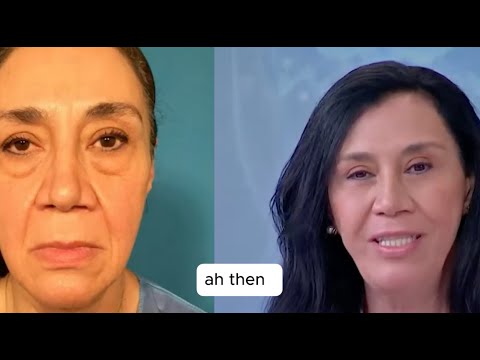
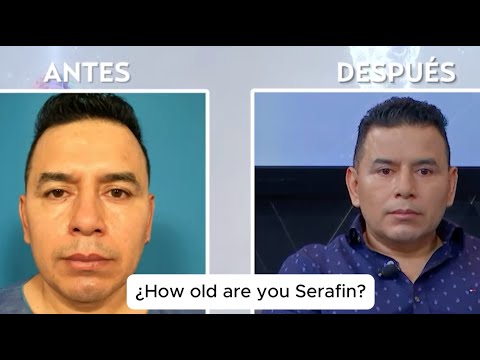
Before-and-after transformations may catch your attention, but educational videos can tell you much more. Listen for explanations about incision placement, SMAS versus deep-plane techniques, anesthesia, scar management, expected swelling and how follow-up works for international patients.
Facility walkthroughs and realistic recovery discussions can also help you prepare better questions for your consultation. Remember that lighting, makeup, camera angles and the timing of postoperative photographs can change how results look. Use the videos below to understand your options, not to predict your individual result.

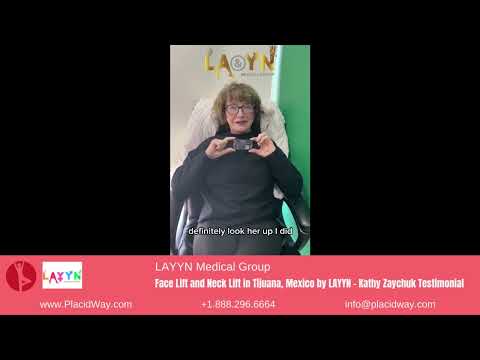

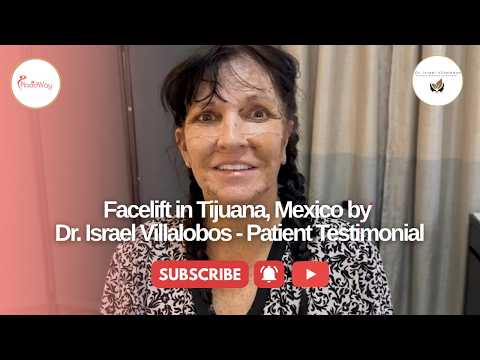
The most useful review is rarely the one that simply says “five stars.” Look for patients describing communication before surgery, access to the surgeon, pain management, early recovery, follow-up appointments and what happened when they had questions after leaving Mexico.
Read recent positive and critical reviews and look for repeated themes rather than relying on one person's experience. Reviews cannot guarantee your result because anatomy, health, procedure choice and healing vary. Use the patient experiences below alongside surgeon credentials, facility licensing and your own consultation.

Current facelift pricing in Mexico averages about $9,000 USD, with many quotes between approximately $5,500 and $12,500. The final cost depends on the technique, surgeon, facility, anesthesia and whether additional procedures are included. A limited facelift and a deep-plane face-and-neck lift should not be compared by price alone.
No country or clinic can make surgery risk-free. Safety depends on your health, the surgeon's qualifications, the licensed operating facility, anesthesia care, procedure complexity and postoperative follow-up. Verify the surgeon and facility independently and have a proper medical assessment before deciding whether surgery is appropriate for you.
Search the surgeon's full name in the public directory of the Consejo Mexicano de Cirugía Plástica, Estética y Reconstructiva (CMCPER). Confirm that certification is current rather than relying only on a clinic biography or the phrase “board certified.” Ask for the doctor's certification details if anything is unclear.
Ask for the exact facility where your operation will occur and verify that it holds a current COFEPRIS Licencia Sanitaria permitting surgical procedures. Mexican health authorities specifically require surgical establishments to have the relevant sanitary authorization. Do not assume a consultation office is licensed to perform surgery.
There is no single safe number of days for every patient. Your surgeon should determine the appropriate stay based on your procedure, swelling, incision healing, overall health and planned follow-up. Ask before booking flights how many postoperative visits are expected and when the surgeon normally considers a patient fit for travel.
“Facelift” covers several surgical approaches. Traditional techniques commonly involve repositioning skin and the underlying SMAS support layer. A deep-plane facelift involves dissection and repositioning at a deeper anatomical level. Neither technique is automatically right for every patient. Facial anatomy, aging pattern, previous procedures and the surgeon's expertise should guide the decision.
Request a written breakdown showing the surgeon's fee, anesthesia, operating-facility charges, pre-operative assessment, postoperative appointments and included medications or supplies. Ask separately about hotel accommodation, transfers, nursing support, laboratory tests and the financial responsibility for unexpected medical care.
Facelift surgery may sometimes be combined with procedures such as a neck lift, blepharoplasty or facial fat transfer. Combining operations may also increase operative time, anesthesia exposure and recovery requirements. The decision should be based on a surgeon's examination and your health rather than on a discounted package alone.
Risks can include bleeding or hematoma, infection, unfavorable scarring, nerve injury, skin-healing problems, hair loss near incisions and reactions to anesthesia. Smoking, certain medications and some medical conditions may increase surgical risk. Your surgeon should discuss both general risks and factors specific to your health before surgery.
Your treating surgeon should make that decision based on your recovery rather than a fixed travel timetable. Long-distance travel soon after surgery may increase swelling and can add concerns related to blood clots and other postoperative complications. Discuss flight length, mobility and your personal medical risks before booking the return journey.
A surgical facelift requires incisions, so some scarring is unavoidable. Surgeons commonly place incisions around natural contours near the hairline and ears to make them less noticeable once healed. Final scar appearance varies with technique, genetics, wound healing, smoking, sun exposure and postoperative care.
A facelift can create long-lasting changes, but it cannot stop normal aging. Skin quality, genetics, smoking, sun exposure, weight changes and surgical technique all influence how your face changes afterward. Be cautious with anyone guaranteeing a fixed number of years or promising permanent prevention of facial aging.
U.S. and Canadian nationals generally do not require a visa for ordinary short tourist visits to Mexico, subject to current Mexican immigration requirements and approval at entry. Patients should carry valid travel documents and verify the latest requirements before departure, especially if their nationality, residency status or planned length of stay differs.
How much does a facelift cost in Mexico in 2026?
Is it safe to get a facelift in Mexico?
How can I verify a plastic surgeon in Mexico?
How do I check whether a facelift clinic in Mexico is licensed?
How long should I stay in Mexico after facelift surgery?
What is the difference between a traditional facelift and a deep-plane facelift in Mexico?
What should be included in a facelift package in Mexico?
Can I combine a facelift with a neck lift or eyelid surgery in Mexico?
What are the risks of facelift surgery?
When can I fly home after a facelift in Mexico?
Will facelift surgery in Mexico leave visible scars?
How long do facelift results last?
Do Americans and Canadians need a visa to travel to Mexico for facelift surgery?
Do not stop at the phrase “cosmetic surgeon.” For a facelift, independently confirm that the doctor is appropriately trained and currently certified in plastic, aesthetic and reconstructive surgery. Mexico's CMCPER maintains a public directory of certified plastic surgeons and is the national certification body recognized by CONACEM for this specialty.
Ask how often the surgeon performs your proposed technique, where the operation takes place, who provides anesthesia, how complications and revisions are handled, and what postoperative support is available after you return home. Review before-and-after photographs of patients with facial aging patterns similar to yours, then compare the surgeons shown below.


Dr. Joaquin Ayala
Dr. Joaquin Ayala - Best Plastic Surgeon in Tijuana Mexico
- Plastic Surgeon
Tijuana, Mexico
Dr. Jorge Sandoval
Dr. Jorge Sandoval - Plastic Surgeon in Mexico
- Plastic Surgeon
Mexico City, Mexico

Dr. David Flores Soto
Dr. David Flores Soto - DFS Plastic Surgery
- Plastic Surgeon
Ciudad Juarez, Mexico


Mexico is not one single medical-tourism destination. Tijuana may make sense for someone living in Southern California, while Mexico City or Cancun may offer simpler flight connections for another patient. The best destination is the one where you can reach a properly qualified surgeon, recover close to the surgical team and return home safely after medical clearance. U.S. and Canadian nationals are among travelers who generally do not require a tourist visa for ordinary short visits to Mexico, subject to Mexico's current immigration requirements and entry decision. Patients of other nationalities should check whether a visa or other authorization is required before booking. Most importantly, recovery should determine your itinerary. Flying or undertaking long-distance travel too soon after surgery can add medical risks, including swelling and blood-clot concerns. Stay near your surgical team for the period they recommend and travel home only after your treating surgeon considers it appropriate.
Destination
Who May Find It Convenient?
Travel Planning Point
Tijuana
Patients traveling from Southern California and the western United States
Accessible through the San Diego–Tijuana border region and Tijuana International Airport.
Mexicali
Patients from California, Arizona and nearby border regions
Road access can be useful for patients who live within practical driving distance.
Mexico City
Patients flying from the U.S., Canada or other international destinations
A major international aviation hub with access to a large urban medical market.
Guadalajara
Patients considering western Mexico
Choose accommodation close to your surgical team so early postoperative visits are easier.
Mérida
Patients comparing surgical options in the Yucatán region
Plan enough local recovery time rather than treating the trip as a short vacation.
Cancun
International patients who value extensive air and accommodation options
Sightseeing, swimming and sun exposure should not take priority over postoperative instructions.
Before Booking Your Flight
A personalized consultation should tell you much more than a price. Compare treatment plans from different providers, confirm what type of facelift is being recommended, verify surgeon certification and surgical-facility licensing, and ask exactly what happens during recovery and after you return home. Once those details are clear, you will be in a better position to decide which option deserves a closer look. Medical Disclaimer: This page provides general educational and medical-travel comparison information. It does not replace an examination, diagnosis, medical clearance or personalized treatment recommendation from a qualified healthcare professional. All surgery has risks. Prices are estimates and may change after medical evaluation, procedure selection or provider updates. Confirm current pricing, surgeon credentials, facility licensing, package inclusions and travel requirements directly before making financial or medical decisions. Pricing and regulatory information was reviewed for this update in August 2026. Provider prices can change, so patients should confirm the current quote directly before booking. COFEPRIS – Sanitary Licensing for Facilities Performing Surgical Procedures CMCPER – Directory of Certified Plastic Surgeons in Mexico Mayo Clinic – Facelift Procedure, Risks and Patient Considerations American Society of Plastic Surgeons – Medical Tourism and Plastic Surgery Safety Instituto Nacional de Migración – Countries and Regions That Do Not Require a Visa for MexicoCompare Your Facelift Options Before Making a Decision
References & Verification Resources
https://www.gob.mx/cofepris/documentos/establecimientos-en-que-se-practiquen-actos-quirurgicos-y-u-obstetricos
https://cmcper.org.mx/directorio/
https://www.mayoclinic.org/tests-procedures/face-lift/about/pac-20394059
https://www.plasticsurgery.org/news/articles/medical-tourism-what-you-need-to-know-about-traveling-for-plastic-surgery
https://www.inm.gob.mx/gobmx/word/index.php/paises-no-requieren-visa-para-mexico/

















Share this listing