
If loose skin, jowls, or a changing jawline are affecting how you see yourself, a facelift consultation in Mexico can raise practical questions before it raises hopes. Current posted examples commonly fall around $6,000–$12,500 USD, but the meaningful comparison is the surgical plan, facility license, anesthesia arrangements, and follow-up—not a headline price. Before choosing a clinic, ask for the facility’s sanitary license, verify the surgeon’s Mexican professional credentials and CMCPER certification, and plan enough time in Mexico for early reviews and safe follow-up.

Quick Summary:
- Estimated planning cost: Current posted Mexico examples are commonly about $6,000–$12,500 USD for facelift surgery, with technique and inclusions making a major difference. Deep-plane or combined face-and-neck plans may be higher.
- Safety: A facelift is surgery with anesthesia, bleeding, infection, nerve, wound-healing, clot, and unsatisfactory-result risks. Mexico’s location does not remove those risks.
- Facility verification: Ask for the legal facility name, address, responsible medical director, and applicable Licencia Sanitaria for surgical services. Confirm the facility can manage emergencies or transfer you to a hospital.
- Surgeon verification: Check the physician’s cédula profesional through Mexico’s Registro Nacional de Profesionistas and confirm current specialty certification through the Consejo Mexicano de Cirugía Plástica, Estética y Reconstructiva (CMCPER).
- Candidate profile: The usual candidate is medically suitable for elective surgery, does not smoke or can stop safely, and has realistic expectations about improvement rather than perfection.
- Recovery: Many patients need roughly two to four weeks before normal work and social activity feels comfortable, while swelling, sensation, scars, and final contour continue changing for longer.
- Travel caution: Arrange local follow-up before flying, identify who will manage complications after returning home, and do not schedule surgery so close to departure that early warning signs could be missed.
Why Patients Consider Facelift Surgery in Mexico?
Patients from the United States, Canada, the United Kingdom, Australia, and other countries often research Mexico because travel distances can be manageable, consultation access may be convenient in major cities, and posted prices can differ from prices in their home markets. Those reasons may make research worthwhile, but they do not replace an individual surgical assessment.
For someone considering facelift surgery in Mexico, the central decision is not simply whether Mexico is less expensive. You need to know exactly what is being lifted, who will operate, where anesthesia will be provided, what happens if a hematoma develops, and how follow-up will work after you cross the border or fly home.
- Patients near the United States–Mexico border may travel to Tijuana, Mexicali, or other Baja California locations for geographic convenience.
- Patients from the United States and Canada may compare Mexico with local private-care prices and longer travel distances to other countries.
- Patients from the United Kingdom, Australia, and Europe may compare a Mexico trip with treatment in their own private systems or other international destinations.
- Some patients seek a traditional facelift, while others ask about a mini facelift, SMAS facelift, deep-plane facelift, neck lift, eyelid surgery, or fat grafting.
- Some patients are primarily looking for a surgeon whose plan matches their facial anatomy, not a particular city or package.
- International patients may also value the ability to organize a video consultation before committing to travel, although an in-person examination remains important.
What evidence says about facelift surgery in Mexico?
The latest ISAPS global survey reported more than 7.4 million face-and-head aesthetic procedures in 2024, up 4.3% from the prior year. This is a global category, not a Mexico facelift count. It shows continued demand for facial procedures, but it cannot tell you which Mexican clinic or technique is appropriate for your case.
Chart note: global ISAPS survey totals; not a Mexico-specific facelift statistic and not a prediction of individual results.
What Facelift Surgery in Mexico Actually Treats?
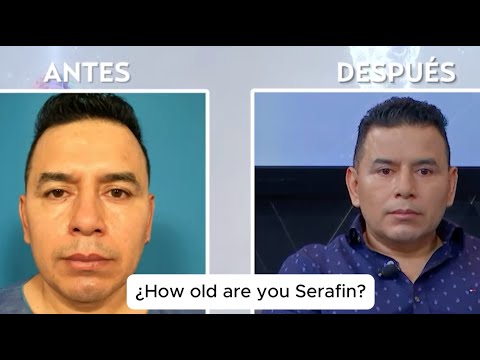
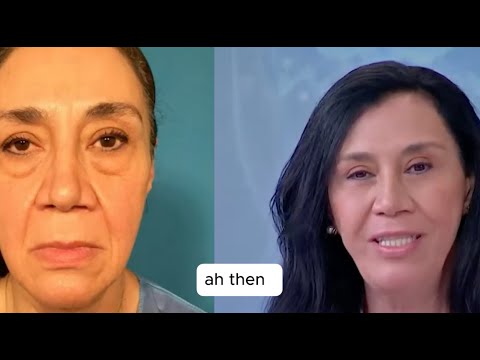
A facelift, also called rhytidectomy, repositions or removes selected facial and neck tissues to improve sagging skin, jowls, loosened cheeks, and some neck laxity. It does not stop aging, replace skincare, correct every facial concern, or promise a particular appearance.
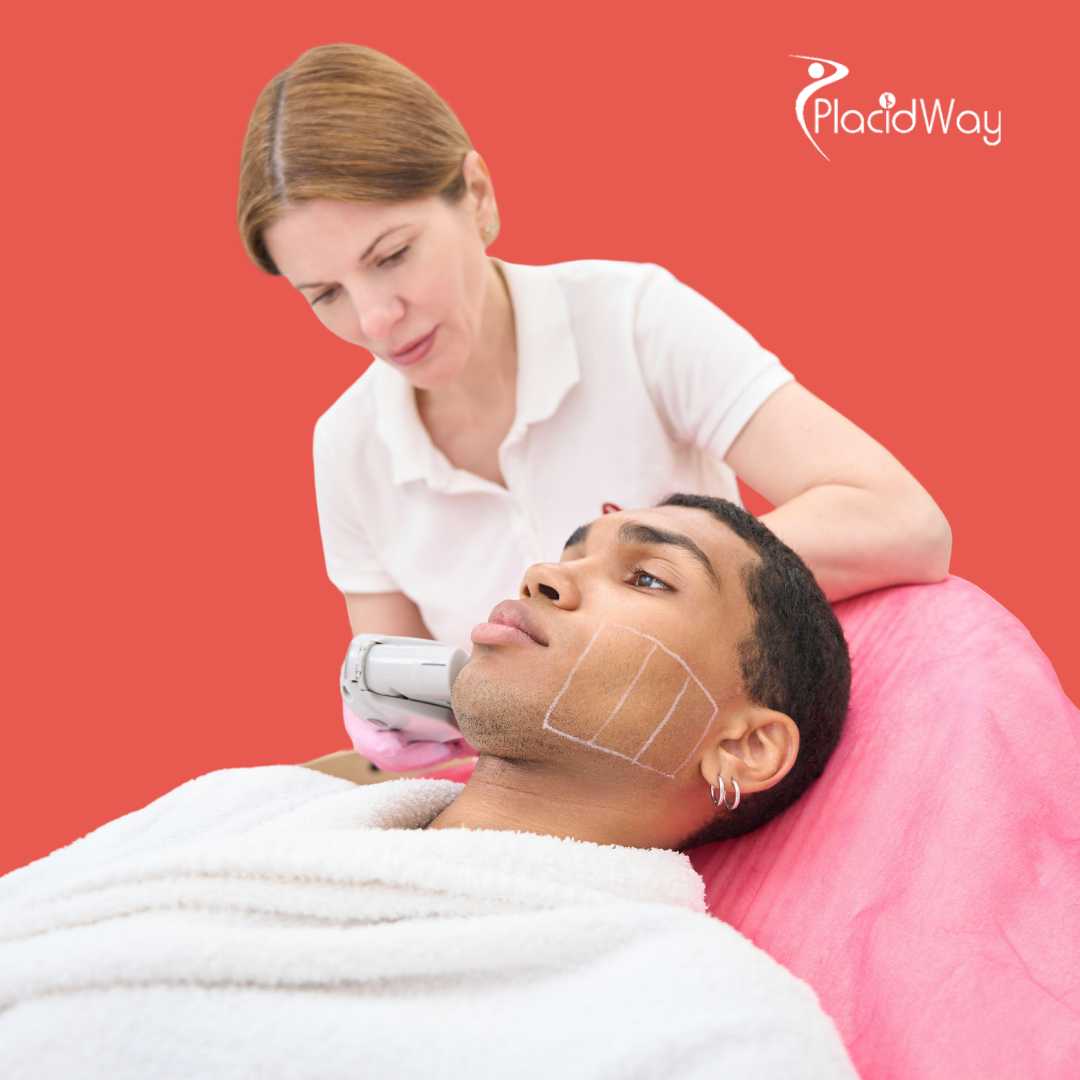
During consultation, the surgeon should assess skin quality, facial volume, muscle and connective-tissue laxity, the neck, hairline, scars, previous procedures, and your health history. The plan may include skin excision, deeper tissue repositioning, liposuction under the chin, a neck lift, or another procedure—but these additions should be explained separately.
Facelift lower-face correction
May address jowls, loose cheek skin, and reduced jawline definition.
Facelift neck correction
May address loose neck skin or bands when a neck procedure is included.
Facelift midface changes
Some techniques reposition deeper tissues in the cheek and midface region.
What a Mexico facelift may not fix
Fine lines, pigmentation, eyelid concerns, and volume loss may need separate assessment.
Facelift Techniques Available in Mexico
Mexico is not one standardized facelift market. Surgeons may use different operations, and the same label can describe different surgical plans. Ask the surgeon to mark the areas treated and explain which tissue layers will be repositioned.
| Technique or combination | Common focus | Questions to ask in Mexico |
|---|---|---|
| Mini facelift | Selected lower-face laxity, often with less skin correction | Is the operation suitable for my neck and jowls, or would it under-treat them? |
| Traditional or SMAS facelift | Skin and deeper supporting tissues of the face | Which layer is being tightened, and where will scars be placed? |
| Deep-plane facelift | Deeper facial tissue repositioning in selected patients | What makes this technique appropriate for my anatomy, and what are its specific risks? |
| Facelift with neck lift | Lower face plus loose skin or muscle changes in the neck | Is the neck lift included in the quoted operation and aftercare? |
| Facelift with eyelid or brow surgery | Facial aging in more than one region | Does the combined operation change anesthesia time, recovery, or travel restrictions? |
Who May Be a Candidate for a Facelift in Mexico?
Candidate suitability depends on your health, anatomy, medications, smoking status, and expectations—not your age alone. A surgeon should review your medical history, examine your face and neck, discuss alternatives, and explain risks before recommending surgery.
- You have facial or neck laxity that surgery can reasonably address.
- You are healthy enough for the proposed operation and anesthesia.
- You understand that improvement is individual and scars remain part of the operation.
- You can follow wound-care, activity, travel, and follow-up instructions.
- You do not smoke, or your surgeon and medical team confirm a safe cessation plan.
What Happens During a Mexico Facelift Consultation?
A useful consultation produces a specific surgical plan and a safety plan. A video call can help with initial questions, but it cannot replace the physical examination required before elective surgery.
- Discuss the changes you want and the changes you do not want.
- Review medical history, medications, allergies, previous procedures, smoking, and anesthesia history.
- Examine the face, neck, skin, scars, hairline, and facial movement.
- Compare techniques and explain likely scars, limitations, risks, and alternatives.
- Review anesthesia, facility location, overnight observation, emergency transfer, and after-hours contact.
- Receive a written itemized quote and written aftercare and travel instructions.
Ask for an honest discussion of what a facelift will not change. If the consultation focuses only on appearance or urgency and avoids complications, credentials, or follow-up, pause the decision.
Facelift Surgery Cost in Mexico: Current Planning Range
Current posted Mexico examples reviewed for this guide commonly range from about $6,000 to $12,500 USD for facelift surgery. This is a planning range from listed procedures and packages, not a government-set price, national average, or personal quote. A mini facelift, traditional facelift, face-and-neck lift, deep-plane operation, and combined procedures should not be compared as though they are identical.
Prices vary with the surgeon, city, technique, operating time, anesthesia, facility, medical testing, overnight observation, hotel days, transfers, and whether neck, eyelid, brow, or fat-grafting procedures are included. Ask whether the figure is procedure-only or an all-inclusive package.
| Mexico planning category | Posted-example range | What can change the quote |
|---|---|---|
| Standard or traditional facelift | About $6,000–$10,000 | Extent of lifting, neck work, anesthesia, facility, surgeon, and aftercare |
| Facelift with neck lift | Often above a face-only quote | Neck muscle repair, skin excision, liposuction, operating time, observation |
| Deep-plane or advanced facial plan | About $12,000–$12,500 in several current posted examples | Exact technique, surgeon, combined procedures, facility, and patient anatomy |
| Combined facelift, eyelid, brow, or fat grafting | Individual quote required | Additional surgical time, anesthesia, testing, recovery, and complication exposure |
Facelift Cost Comparison: Mexico, the United States, and Canada
Home-country comparison figures are useful only when the same operation and inclusions are compared. For reference, the American Society of Plastic Surgeons reports a latest average surgeon fee of $11,395 for a facelift, excluding anesthesia and facility costs. A Canadian quote may also be structured differently from a Mexico package, so ask for the full episode-of-care price in each country.
| Destination | Useful planning reference | How to interpret it |
|---|---|---|
| Mexico | About $6,000–$12,500 in current posted examples | May be procedure-only or package-based; verify every inclusion |
| United States | $11,395 average surgeon fee reported by ASPS | Not the final bill; anesthesia and facility fees are separate |
| Canada | Obtain a current, itemized local quote | Canadian fees vary by province, surgeon, facility, and technique |
The table is not a claim that one country is safer or provides equivalent care at a particular price. Exchange rates, tax, travel, insurance, and complication costs can change the total.
What a Mexico Facelift Package May Include?
There is no universal definition of an all-inclusive facelift package. Before paying a deposit, request a written document that separates medical services from travel services and states what happens if the operation is delayed or cancelled for medical reasons.
| Potentially included | Commonly unclear or excluded |
|---|---|
| Surgeon consultation and surgical fee | Pre-travel medical clearance or specialist tests |
| Operating facility and anesthesia | Treatment of an unexpected complication or revision surgery |
| Prescribed medications and early wound checks | Extra hotel nights, meals, companion costs, or delayed flights |
| Transfers or accommodation, if specifically stated | Care after returning home and local emergency treatment |
How to Choose a Licensed Surgical Facility in Mexico?
Start with the facility, not the social-media result. COFEPRIS, Mexico’s federal health-risk protection authority, provides information about sanitary licensing for healthcare establishments, including facilities where surgical acts are performed. Ask the clinic for the legal name and address on its sanitary authorization and independently verify the information where possible.
A facility license is not evidence of a particular result, and it does not substitute for surgeon certification. It is one part of a safety check that should also cover anesthesia, monitoring, recovery space, emergency equipment, hospital transfer access, infection-control procedures, and after-hours clinical contact.
- Does the facility have the applicable Licencia Sanitaria for surgical services?
- Who is the responsible medical professional for the facility?
- Who provides anesthesia, and what are their qualifications?
- Is overnight observation available when clinically indicated?
- Which hospital receives patients if the facility cannot manage a complication?
- Is there a clear 24-hour number staffed by a clinical team?
- Are the consent forms, discharge instructions, and records available in a language you understand?
How to Verify a Facelift Surgeon in Mexico?
In Mexico, ask to see the surgeon’s full name, professional license details, specialty credentials, and current certification status. The Secretaría de Educación Pública’s Registro Nacional de Profesionistas can be used to check registered professional credentials. The CMCPER directory can be used to check plastic-surgery certification; CMCPER states that certification is renewed every five years based on continuing education.
| Credential or evidence | What you should confirm |
|---|---|
| Cédula profesional | The name and professional registration can be found in the SEP registry. |
| Specialty training and cédula de especialidad | The surgeon completed recognized specialty training relevant to plastic surgery. |
| Current CMCPER certification | The surgeon appears in the official directory with current certification information. |
| Procedure-specific experience | Ask how often the surgeon performs the exact facelift technique proposed. |
| Complication and revision policy | Get written terms; a revision policy does not remove medical or financial risk. |
International memberships, marketing awards, before-and-after photographs, and the words “expert” or “board-certified” should not be treated as substitutes for primary credential verification.
Facelift Surgery Risks and Safety in Mexico
A facelift carries the same fundamental surgical risks whether it is performed in Mexico, the United States, Canada, or another country. Recognized risks include anesthesia problems, bleeding or hematoma, infection, fluid collection, blood clots, wound-healing problems, prolonged swelling, altered sensation, scarring, hair loss near incisions, facial-nerve weakness, persistent pain, and an outcome that may require additional treatment.
| Risk or concern | Questions for the Mexico surgical team | Your planning action |
|---|---|---|
| Bleeding or hematoma | How is urgent swelling assessed and treated after discharge? | Know the 24-hour number and nearest emergency facility. |
| Infection or wound problems | Who reviews the wound, and what is the plan if infection is suspected? | Ask for written wound-care and return-visit instructions. |
| Nerve weakness or sensory change | What temporary and permanent nerve effects are possible? | Report new facial weakness promptly; do not wait for a flight home. |
| Clot or travel-related complications | When is flying safe for my operation and health history? | Follow individualized travel instructions and arrange movement assistance. |
Preparing for Facelift Surgery in Mexico
Preparation begins before your flight. The surgical team may request medical testing, medication changes, skin preparation, and smoking cessation. Your own physician may need to address conditions that affect anesthesia or healing.
- Share a complete medication and supplement list, previous operations, allergies, and medical conditions.
- Ask which tests and medical-clearance documents are required and how recently they must be completed.
- Clarify smoking and nicotine restrictions before and after surgery.
- Arrange an adult companion or caregiver for the initial recovery period.
- Book accommodation close to the facility with a private, clean recovery space.
- Carry records, prescriptions, contact information, and insurance documents in original or accessible copies.
- Confirm cancellation, postponement, deposit, and complication-care terms in writing.
Facelift Recovery Timeline After Surgery in Mexico
Recovery varies with the technique, combined procedures, age, health, wound response, and the surgeon’s instructions. The NHS states that full recovery commonly takes about two to four weeks, while visible bruising can last at least two weeks and final effects may continue developing for months.
| Timeframe | Biological or clinical process | Patient sensation | Activity level | Action required |
|---|---|---|---|---|
| First 48 hours | Early swelling, bruising, dressing or drain management | Tightness, numbness, discomfort, fatigue | Rest and short assisted movement | Attend review; follow wound and medication instructions. |
| Days 3–14 | Bruising and swelling begin to settle; incisions remain vulnerable | Variable tightness, altered sensation, tenderness | Light activity as approved; no strenuous exercise | Keep scheduled reviews and avoid unapproved travel. |
| Weeks 2–4 | Healing continues; residual swelling and scar changes remain | Often more comfortable, but not fully normal | Work and social activity depend on recovery and surgeon clearance | Follow activity, sun, hair, skincare, and driving guidance. |
| Months 2–9 | Swelling, sensation, scars, and contour continue to mature | Gradual normalization; individual changes vary | Usually progressive return to normal activity | Attend longer-term follow-up and report concerns. |
When to Delay Your Flight After a Mexico Facelift?
Your surgeon should decide when you can fly based on the operation, recovery, examination, medical history, and destination. Do not select a return date before understanding the review schedule and what happens if the surgeon asks you to stay longer.
- Schedule the first post-operative assessment before booking the return flight.
- Allow time for dressing, drain, or suture management if used.
- Stay within reach of the surgical team during the period they consider highest risk.
- Ask how to manage airport movement, luggage, hydration, and long sitting.
- Keep the emergency plan and translated records with you during travel.
The CDC advises medical tourists to arrange follow-up before travel, understand which services are included, and plan for possible out-of-pocket emergency care after returning home. Your home health insurance may not cover complications from elective treatment abroad.
Patient Demographics and Reasons for Traveling to Mexico
Public data do not provide a current, Mexico-specific breakdown of facelift travelers by age, gender, origin country, or technique. It would be misleading to invent one. In practice, the people researching this procedure are adults comparing facial-aging concerns, treatment access, total cost, travel distance, and confidence in a surgeon’s credentials.
The chart below uses recent global facial-procedure data only to provide context about procedure mix. It does not represent Mexican patients or prove that one procedure is more appropriate than another.
Chart note: selected ISAPS global estimates for 2024. These figures do not include a Mexico-specific facelift traveler demographic breakdown.
Facelift Aftercare and Emergency Planning for International Patients
Before surgery, identify the person responsible for your care after discharge and after you return home. Obtain copies of the operative note, anesthesia record, discharge summary, medication list, wound instructions, and contact details.
Do not wait for a scheduled appointment or return flight if you suspect a complication. Tell any clinician that you recently had surgery in Mexico, provide the operative records, and explain the facility and surgeon involved.
Non-Surgical Alternatives to Facelift Surgery in Mexico
Not every facial-aging concern requires a facelift, and not every non-surgical treatment can reproduce a surgical lift. Depending on your examination, a doctor may discuss skincare, neuromodulators, fillers, energy-based treatments, or no treatment. These options have their own risks, limitations, costs, and possible effects on future surgery.
A facelift in Mexico may be discussed when
- Loose skin and jowls are the main concerns.
- You want a structural surgical change.
- You accept scars and recovery.
Alternatives to a Mexico facelift may be discussed when
- Fine lines or pigmentation dominate.
- Volume loss is the main issue.
- You prefer shorter or staged treatment.
A Practical Decision Checklist for Facelift Surgery in Mexico
Use this checklist before you compare package prices. A provider should be able to answer these questions clearly and without pressuring you to book.
- I know the exact facelift technique and every additional procedure proposed.
- I independently checked the surgeon’s professional license and current CMCPER certification.
- I know the legal surgical facility and have asked about its sanitary license.
- I received an itemized quote, inclusions, exclusions, and cancellation terms.
- I understand risks, scars, limitations, expected recovery, and warning signs.
- I have a local caregiver, accommodation, follow-up schedule, and emergency plan.
- I have arranged follow-up care after returning home and checked insurance limitations.
Frequently Asked Questions
How much does facelift surgery cost in Mexico?
Current posted examples commonly fall around $6,000–$12,500 USD, but this is a planning range rather than a fixed quote. Technique, neck work, anesthesia, facility fees, testing, accommodation, and aftercare can change the final cost.
Is facelift surgery in Mexico safe?
Safety depends on your health, surgeon, facility, anesthesia team, infection controls, emergency capability, and follow-up. A facelift still carries surgical risks in Mexico, including bleeding, infection, nerve changes, wound problems, blood clots, and anesthesia complications.
How do I verify a plastic surgeon in Mexico?
Check the surgeon’s name and cédula profesional through Mexico’s Registro Nacional de Profesionistas. Then confirm current plastic-surgery certification in the official CMCPER directory and ask for relevant specialty and procedure experience.
What facility certification should I look for in Mexico?
Ask for the legal facility name, exact address, responsible professional, and applicable COFEPRIS sanitary license for surgical services. Also ask about anesthesia credentials, emergency equipment, hospital transfer access, overnight observation, and after-hours clinical support.
How long should I stay in Mexico after a facelift?
There is no single safe stay for every patient. Your surgeon should set the schedule based on the technique, examination, wound status, drains or sutures, complications, and flight plan. Arrange the first reviews before booking a return ticket.
When can I return to work after facelift surgery in Mexico?
Many patients need about two to four weeks before routine work and social activity feels comfortable, but bruising, swelling, numbness, and tightness vary. Your surgeon should clear driving, exercise, hair care, sun exposure, and air travel individually.
Can a facelift in Mexico be combined with a neck lift?
Yes, a neck lift may be proposed when the neck has loose skin, muscle changes, or excess fat. Combining procedures changes operating time, anesthesia, recovery, risks, and cost, so request a separate explanation and itemized quote.
What should I bring home after facelift surgery abroad?
Request the operative report, anesthesia record, discharge summary, medication list, wound-care instructions, test results, follow-up plan, and emergency contact information. Keep these records accessible and share them with your home clinician.
Does health insurance cover facelift complications in Mexico?
Many health plans exclude elective cosmetic surgery or complications arising from treatment abroad, but policies differ. Ask your insurer in writing what emergency, follow-up, evacuation, and complication care may or may not be covered.
What are warning signs after a facelift?
Urgent warning signs include rapidly increasing one-sided swelling, heavy bleeding, severe or worsening pain, fever, spreading redness, pus, chest pain, shortness of breath, fainting, confusion, or new facial weakness. Contact the surgical team and local emergency services promptly.
Request Information About Facelift Surgery in Mexico
If you are comparing facelift surgery in Mexico, you can use PlacidWay to request provider information, compare treatment details, ask about inclusions, and prepare questions for a medical consultation. Share your goals, medical history, preferred city, budget range, and travel timing so the discussion is more specific.
Disclaimer: This information is for educational purposes only and does not replace professional medical advice. Suitability, risks, recovery, and outcomes vary by patient. Always consult a qualified healthcare provider before making medical decisions. PlacidWay provides information and facilitation support; it is not the treating provider.
References
- https://www.isaps.org/discover/about-isaps/global-statistics/global-survey-2024-full-report-and-press-releases/
- https://www.plasticsurgery.org/cosmetic-procedures/facelift/safety
- https://www.plasticsurgery.org/cosmetic-procedures/facelift/cost
- https://www.nhs.uk/tests-and-treatments/cosmetic-procedures/cosmetic-surgery/facelift/
- https://www.cedulaprofesional.sep.gob.mx/
- https://cmcper.org/
- https://www.cdc.gov/yellow-book/hcp/health-care-abroad/medical-tourism.html






















Share this listing