

Contents
For countless women, disproportionately large breasts are more than an aesthetic concern; they are a source of chronic back pain, skin irritation, and limited physical activity. Breast reduction surgery (reduction mammaplasty) in Tijuana, Mexico, offers a life-changing solution that combines medical relief with aesthetic improvement. Tijuana has firmly established itself as a global hub for plastic surgery, attracting thousands of patients from the United States and Canada who seek high-quality results without the prohibitive costs found at home.
When you choose Tijuana for your procedure, you are not sacrificing quality for affordability. The city is home to a high concentration of board-certified plastic surgeons who are experts in body contouring and reduction techniques. Many of these specialists have trained internationally and operate in modern clinics that adhere to rigorous hygiene and safety protocols comparable to U.S. standards.
The experience is designed for the international patient. From the moment you arrive—often via the convenient San Diego border crossing—you enter a streamlined medical ecosystem. This includes bilingual staff, dedicated medical shuttles, and recovery houses that provide the 24/7 nursing support essential for the initial days of post-operative healing.
Whether your goal is to alleviate physical discomfort or achieve a more balanced silhouette, Tijuana offers a supportive, professional environment where you can undergo this transformative journey with confidence and peace of mind.
Did You Know?
Tijuana is often referred to as the "Bariatric and Plastic Surgery Capital of the World." Due to the high volume of procedures performed, surgeons here often have significantly more hands-on experience with complex breast reduction cases than their counterparts in smaller U.S. markets.
Key Insights at a Glance
Expect to pay 50% to 70% less than in the U.S., with packages often ranging from $3,500 to $5,500.
Located minutes from San Diego, CA, allowing for easy flights into SAN airport and a short shuttle ride to the clinic.
Surgeons utilize advanced vertical (lollipop) and anchor incisions to minimize scarring and improve shape.
Leading clinics feature fully bilingual staff and surgeons, ensuring no language barrier exists.
Specialized recovery houses offer professional nursing, meals, and a serene environment for initial healing.
Many patients opt to combine breast reduction with a lift or tummy tuck (Mommy Makeover) for enhanced results.
A Medical Destination Since the 1960s
Tijuana isn't new to medical tourism. It has been a destination for health services for over 60 years. Today, the Zona Río distinct—often called the "Zona Dorada" (Golden Zone)—is a safe, upscale district specifically developed with modern hospitals, hotels, and restaurants to cater to international medical visitors.
Navigating medical travel is easiest when you choose a comprehensive solution. The providers listed below have been selected because they offer robust all-inclusive packages. These bundles generally cover the surgeon’s fee, anesthesia, operating room costs, pre-operative testing, and often include ground transportation from San Diego and post-operative stays in recovery houses. Review the options to find a package that offers the logistical support you need.
Note: All-inclusive packages eliminate hidden fees and provide peace of mind by handling your logistics and accommodation needs.
Cost is a primary driver for medical tourism, and Tijuana offers exceptional value. In the table below, we break down the average costs for breast reduction surgery in Tijuana compared to standard North American pricing. While the savings are substantial, it is important to remember that these are estimates. Your final price may vary based on the complexity of the reduction, the surgical technique used, and whether a lift is also required.
Tip: Always ask if the quoted price includes anesthesia and follow-up appointments to ensure an apples-to-apples comparison.
Breast Reduction Centers Cost Comparison in Tijuana, Mexico
| Provider | Procedure | Price |
|---|---|---|
| LAYYN MEDICAL GROUP - Plastic Surgery in Tijuana, Mexico | Breast Reduction, Cosmetic/Plastic Surgery | $4200 |
Breast Reduction Cost Comparison in Mexico
| Country | Procedure | Price |
|---|---|---|
| Australia | Breast Reduction, Cosmetic/Plastic Surgery | $12900 |
| United States | Breast Reduction, Cosmetic/Plastic Surgery | $15000 |
We have curated a selection of top-rated medical centers in Tijuana that specialize in breast surgery. These facilities range from boutique clinics to full-scale hospitals, all of which prioritize patient safety and modern infrastructure. Explore the profiles below to learn about their accreditation, on-site technology, and the specific amenities they offer to international patients seeking breast reduction.
Safety First: Ensure the facility has protocols for emergency care and maintains high standards of sterility.

Marciales Plastic Surgery
Tijuana, Mexico

LAYYN MEDICAL GROUP - Plastic Surgery in Tijuana, Mexico
Tijuana,Guadalajara, Mexico
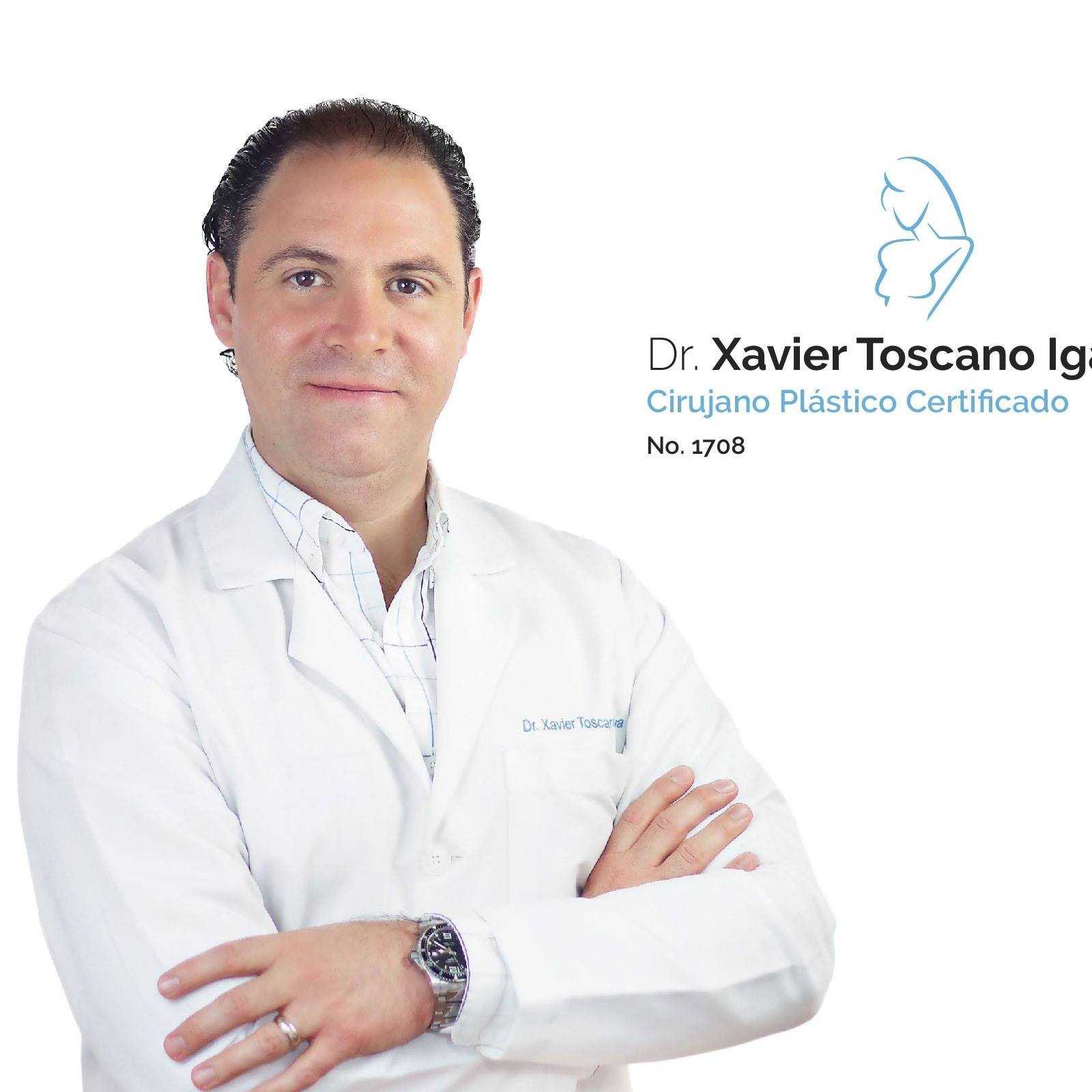
Dr. Xavier Toscano - Plastic Surgeon
Tijuana,Guadalajara, Mexico

Dr. Ignacio De Las Fuentes
Tijuana, Mexico

Dr. Joaquin Ayala - Best Plastic Surgeon in Tijuana Mexico
Tijuana, Mexico
There is no better way to gauge the quality of results than by seeing them yourself. The video testimonials below feature real women who have traveled to Tijuana for breast reduction surgery. Watch them discuss their pre-surgery pain, their experience at the clinic, and their satisfaction with their new shape and improved quality of life.
Insight: Look for testimonials that discuss the recovery process to get a realistic expectation of the healing timeline.
Read through verified reviews from patients who have already undergone this procedure in Tijuana. In this section, you will find honest feedback regarding surgeon communication, bedside manner, and the overall value of the experience. These reviews can help you verify the reputation of specific clinics and set realistic expectations for your own medical journey.
Review Tip: Pay attention to comments about the post-operative support, as this is crucial for a comfortable recovery.

How Much Cost of Breast Reduction in Tijuana Mexico?
The estimated cost of a breast reduction in Tijuana, Mexico typically ranges from $3,500 to $5,500. This is significantly lower than average US prices, though final costs depend on surgical technique, clinic fees, and individual patient needs. If you are exploring options for breast reduction in Tijuana Mexico, understanding the financial aspect is often the first step. Many women struggle with physical discomfort, such as chronic neck and back pain, caused by disproportionately large breasts. When conservative treatments fail, reduction mammaplasty becomes a consideration. Because healthcare costs in the United States and Canada can be prohibitively high, patients often look across the border for more accessible alternatives. Navigating cross-border healthcare requires careful research. Beyond simply comparing prices, patients must evaluate surgeon credentials, understand the medical nuances of the procedure, and plan for a safe recovery. This guide explores what you can expect regarding pricing, medical safety, and practical travel considerations. Key Takeaways Estimated procedures cost between $3,500 and $5,500, varying by clinic and surgical complexity. Consultations are necessary to determine if you are a medically appropriate candidate. Recovery typically requires a 5 to 7-day stay in the area before safely traveling home. All surgical procedures carry inherent risks, including infection and changes in sensation. Securing local medical support at home is vital for handling potential late complications. What exactly is included in the breast reduction cost in Tijuana Mexico? Quotes for breast reduction in Tijuana generally include the surgeon fees, anesthesia, operating room costs, and basic follow-up appointments. However, it is essential to ask for an itemized breakdown. When you receive a price estimate from a clinic, you need to understand what is covered and what might incur additional charges. Comprehensive packages often cover the primary surgical expenses, but patients frequently encounter out-of-pocket costs for pre-operative medical clearances. Blood work, EKGs, and mammograms are usually required before surgery to ensure you are healthy enough for general anesthesia. Additionally, you should budget for post-operative necessities. Prescription medications for pain management and infection prevention are rarely included in the initial surgical quote. You will also need specialized compression garments or surgical bras to support your healing tissues. Clarifying these details early helps you avoid unexpected financial strain during your recovery period. Am I a good candidate for this procedure? Suitable candidates typically experience physical discomfort like back or neck pain from disproportionately large breasts and are in good overall health. A medical evaluation is necessary to determine true eligibility. Breast reduction is primarily performed to alleviate physical symptoms rather than purely for cosmetic enhancement. Women who suffer from chronic shoulder indentations from bra straps, skin irritation beneath the breast crease, or restricted physical activity often seek this procedure. However, existing medical conditions can significantly affect your eligibility. Surgeons typically require patients to be at a stable weight, as significant weight fluctuations can alter breast size and impact the surgical results. Smoking is a major contraindication because nicotine restricts blood flow, severely increasing the risk of tissue death and poor wound healing. You will likely be asked to stop smoking several weeks before and after the procedure. A thorough medical history review is the only way a physician can evaluate your individual risks. How is a breast reduction surgery performed? The procedure usually involves removing excess breast fat, glandular tissue, and skin to achieve a breast size more in proportion with your body. Surgeons commonly use anchor or lollipop incision techniques based on your anatomy. Under general anesthesia, the surgeon makes specific incisions to access the breast tissue. The most traditional method is the inverted-T or anchor pattern, which involves an incision around the areola, vertically down to the breast crease, and horizontally along the crease. This allows for maximum tissue removal and reshaping, which is often required for significant reductions. Alternatively, some patients may qualify for a vertical or lollipop incision, which eliminates the horizontal cut along the breast crease. During the surgery, the nipple and areola are typically repositioned to a higher, more natural placement. Once the excess tissue is removed and the remaining breast is reshaped, the incisions are closed with sutures. The exact surgical approach depends heavily on your unique anatomy and the extent of reduction required. What are the common risks and complications of breast reduction? Like any major surgery, breast reduction carries risks such as infection, bleeding, unfavorable scarring, and changes in nipple or breast sensation. You should discuss these potential complications thoroughly with a qualified surgeon. Patient safety must be the primary focus when considering any surgical intervention. While breast reduction often yields high patient satisfaction, it is not without risks. Immediate post-operative complications can include hematoma (blood pooling under the skin) or adverse reactions to anesthesia. Careful monitoring in a clinical setting is required to manage these initial risks. Long-term considerations include breast asymmetry and noticeable scarring, which can be unpredictable despite a surgeon's best efforts. Changes in sensation are also common; some patients experience temporary numbness, while others may face permanent loss of feeling in the nipples or areolae. Wound healing issues, such as minor skin separation at the incision intersections, may require prolonged dressing care. Understanding these possibilities is crucial for informed consent. How long does it take to recover from breast reduction surgery? Most patients take about two weeks off from work, with full recovery and resumption of strenuous activities taking four to six weeks. Healing times vary individually depending on the extent of the surgery and personal health. The initial recovery phase involves managing swelling, bruising, and discomfort. You may wake up with small drainage tubes placed under the skin to remove excess blood and fluid; these are typically removed within the first few days. Wearing a dedicated surgical support bra is mandatory around the clock to minimize swelling and support the newly shaped tissues. During the first two weeks, physical activity is strictly limited to light walking to promote circulation. Bending, lifting heavy objects, and raising your arms above your head can strain the healing incisions and must be avoided. While you may feel physically capable of doing more as your energy returns, adhering to your surgeon's specific timeline is necessary to prevent wound separation and optimize scar healing. Will a breast reduction affect future breastfeeding? Breast reduction surgery can impact your ability to breastfeed because milk ducts and glands may be removed or disconnected during the procedure. If you plan to breastfeed in the future, you should discuss this with your surgeon beforehand. Nipple repositioning: Techniques that leave the nipple attached to its original blood and nerve supply often preserve better ductal continuity. Tissue removal: Removing significant amounts of glandular tissue naturally reduces the volume of potential milk-producing glands. Duct damage: Even with careful surgical planning, milk ducts can be severed, making it difficult or impossible for milk to reach the nipple. Nerve damage: Reduced sensation can interfere with the biological let-down reflex necessary for nursing. Unpredictability: There is no reliable way to predict definitively whether a specific patient will be able to breastfeed successfully after recovery. How do I choose a safe breast reduction clinic in Tijuana Mexico? Finding a reputable clinic involves verifying board certification, reviewing facility accreditation, and assessing the surgeon's specific experience with breast procedures. Researching qualifications rather than just price is crucial for patient safety. Safety should never be compromised for cost savings. When researching clinics, verify that the primary surgeon is certified by recognized medical boards, such as the Mexican Council of Plastic, Esthetic and Reconstructive Surgery (CMCPER). This certification indicates that the physician has completed rigorous specialized training comparable to standards found in the United States or Canada. The facility itself also matters. Inquire whether the clinic operates within a full-service hospital or a certified outpatient surgical center equipped to handle medical emergencies. Ask about their protocols for infection control, anesthesia administration, and overnight patient monitoring. Reputable clinics are transparent about their credentials and encourage patients to ask detailed medical questions. Do I need to stay in Tijuana for recovery before traveling home? Surgeons typically recommend staying in the area for at least 5 to 7 days after surgery to monitor your initial healing and safely clear you for travel. Traveling too soon can increase the risk of complications like blood clots. Post-operative travel requires careful planning. Sitting in a car or an airplane for extended periods shortly after major surgery increases the risk of Deep Vein Thrombosis (DVT), a potentially serious condition where blood clots form in the legs. Staying locally allows you to rest properly during the most acute phase of recovery. Furthermore, remaining close to your surgical team facilitates essential follow-up care. Within the first week, your surgeon will likely need to evaluate your incision sites, assess your healing progress, and remove any surgical drains. Attempting to travel before you are medically cleared can compromise your results and your overall safety. What should I do if I experience complications after returning home? Before leaving Mexico, you should establish a clear plan for post-operative care and secure a local healthcare provider at home willing to assist if complications arise. Immediate medical attention is necessary if you develop signs of infection or severe pain. Continuity of care is a primary challenge in medical tourism. While your surgeon in Tijuana may offer virtual consultations to monitor your progress, they cannot physically intervene if you develop an infection, experience sudden bleeding, or face severe wound separation. It is highly advisable to discuss your surgical plans with your primary care physician before traveling. If you experience symptoms such as a high fever, spreading redness, sudden chest pain, or shortness of breath after returning home, you must seek immediate attention at a local emergency department. Having copies of your surgical records, operative notes, and a list of administered medications translated into English helps local doctors provide accurate emergency care. Why is medical tourism in Mexico popular for plastic surgery? Patients often travel to Mexico for plastic surgery due to the combination of more accessible pricing, proximity to the United States, and the availability of experienced, board-certified surgeons. Proper research remains essential to ensure safe outcomes. The proximity of border cities makes them a practical option for North American patients seeking medical care. Lower overhead costs, differences in medical liability structures, and overall economic factors allow clinics to offer procedures at a fraction of standard US prices. For many patients, this makes treatments that are often denied by insurance—such as breast reductions deemed not medically necessary—financially viable. Additionally, many facilities catering to international patients have invested heavily in modern medical technology and bilingual staff to facilitate clear communication. However, the popularity of the destination does not negate the need for individual due diligence. Every patient must prioritize verifiable medical credentials over aggressive marketing or exceptionally low price quotes. Why Choose PlacidWay for Medical Tourism Information? Researching medical options abroad requires access to factual, organized information. PlacidWay provides a platform to help patients explore international healthcare possibilities. Broad Clinic Network: PlacidWay offers access to a wide directory of international medical centers and specialized clinics. Information Transparency: The platform provides detailed profiles regarding clinic facilities, available procedures, and listed medical credentials. Multilingual Resources: Patients can access support and information in multiple languages to overcome communication barriers. Comparison Tools: Users can request and compare multiple estimates to better understand regional healthcare pricing. Established Platform: With years of experience in the medical tourism sector, PlacidWay connects patients with healthcare information globally. Frequently Asked Questions How much does a consultation for breast reduction usually cost? Consultation fees in Tijuana typically range from $50 to $100. Some clinics may apply this fee toward your total surgical cost if you decide to proceed with the procedure. Is anesthesia included in the typical Tijuana price quotes? Most comprehensive price quotes include general anesthesia, but you should always ask for an itemized breakdown to confirm there are no separate billing surprises from the anesthesiologist. Can I combine breast reduction with a breast lift? A breast reduction inherently includes lifting techniques to reshape the breast. However, if significant skin removal is required, your surgeon will discuss how this impacts the surgical plan and overall cost. How much weight is typically removed during breast reduction? The amount varies greatly depending on the patient, ranging from a few hundred grams to over a kilogram per breast. Your surgeon will base this on your anatomy and symptom relief needs. Are there hidden fees I should watch out for? Potential extra costs can include pre-operative blood tests, prescription medications for recovery, special surgical garments, and local transportation. Always request a transparent, all-inclusive estimate. Will my insurance cover surgery in Tijuana? Most US and Canadian health insurance plans do not cover cross-border elective or medical tourism procedures, even if the reduction is deemed medically necessary at home. What kind of scarring should I expect? Scarring is unavoidable and typically follows an anchor or lollipop pattern. Scars usually fade over a year but are permanent. Proper incision care helps optimize healing. How soon can I exercise after the procedure? Light walking is encouraged immediately to prevent blood clots, but strenuous exercise, heavy lifting, and high-impact activities must typically be avoided for four to six weeks. Is it safe to cross the border after surgery? Crossing the border by car is common, but patients are generally advised to wait several days before undertaking long travel to ensure stability and reduce the risk of deep vein thrombosis. Do Tijuana clinics offer post-op follow-up care? Yes, reputable clinics require you to attend follow-up appointments before you travel home. They also often provide telehealth check-ins, though you must arrange a local doctor for in-person care back home. Compare Treatment Options Gather more information and explore available clinics for your potential procedure. Request Treatment Information References Breast Reduction Overview – American Society of Plastic Surgeons (ASPS) Breast Reduction Surgery: Risks and Results – Mayo Clinic Medical Tourism Travel Information – Centers for Disease Control and Prevention (CDC) Breast Reduction Procedure Details – International Society of Aesthetic Plastic Surgery (ISAPS) Certifications and Patient Safety – Mexican Council of Plastic, Esthetic and Reconstructive Surgery (CMCPER) Surgical Risks and Breast Tissue Complications – U.S. Food and Drug Administration (FDA) Medical Disclaimer: The information provided in this article is for educational and informational purposes only and does not constitute medical advice. Treatment outcomes, risks, recovery times, and eligibility vary significantly from patient to patient. Always consult with a qualified, board-certified healthcare professional for individualized medical assessment and before making any healthcare decisions.
How to Get Affordable Breast Reduction in Tijuana Mexico?
To get an affordable breast reduction in Tijuana, Mexico, patients typically research board-certified plastic surgeons, compare clinic estimates, and arrange consultations. Prices often range from $3,500 to $5,500, offering savings over US costs. Many individuals struggling with the physical and emotional discomfort of overly large breasts look for accessible surgical options. Seeking a breast reduction in Tijuana Mexico has become a common path for those who want to alleviate neck, back, and shoulder pain without facing the steep out-of-pocket expenses often found in the United States or Canada. Because aesthetic and functional plastic surgeries are frequently excluded from standard health insurance unless strict criteria are met, cross-border care offers a practical alternative. This comprehensive guide will help you understand the essential steps for planning this procedure. We will explore how to estimate costs, identify appropriate medical facilities, prepare for a safe recovery, and navigate the logistics of receiving surgical care in a different country. Key Takeaways Estimates for breast reduction in Tijuana typically range between $3,500 and $5,500, depending on the complexity of the surgery. Candidates should be in good overall health and have realistic expectations regarding scarring and recovery. It is vital to verify that your chosen surgeon is certified by recognized medical boards, such as AMCPER in Mexico. Patients generally need to stay in Tijuana for 7 to 10 days post-surgery for monitoring and drain removal. Proper preparation requires organizing a safe travel plan, securing medical clearance, and arranging a comfortable recovery space. What is the average breast reduction cost in Tijuana Mexico? The estimated cost for a breast reduction in Tijuana typically ranges from $3,500 to $5,500. This estimate usually encompasses surgeon fees, anesthesia, and the operating facility, though final pricing varies based on individual clinical needs. When you start researching pricing, you will notice that the breast reduction cost in Tijuana Mexico is notably lower than the $8,000 to $15,000 averages often quoted in the United States. This difference in price is largely due to the lower cost of living, reduced administrative overhead, and different malpractice insurance structures in Mexico, rather than a reduction in the quality of surgical materials or medical expertise. However, it is essential to request a detailed breakdown when comparing estimates. A comprehensive quote should explicitly list what is included. Ask whether pre-operative blood work, post-operative garments (such as surgical bras), overnight hospital stays, and follow-up consultations are part of the package or if they will incur separate fees. Budgeting for travel, accommodations, and meals during your recovery period in Tijuana should also be factored into your total financial planning. Am I a good candidate for breast reduction surgery? Ideal candidates are generally healthy non-smokers experiencing physical discomfort—such as chronic back, neck, or shoulder pain—due to heavy breasts. Candidates must also have realistic expectations regarding outcomes and permanent scarring. A breast reduction (reduction mammaplasty) is more than just a cosmetic procedure; it is often performed to provide functional relief. Patients who suffer from deep shoulder grooving from bra straps, chronic skin irritation beneath the breasts, or restricted physical activity due to breast size often seek this surgery. To be considered suitable for the procedure, your breasts should be fully developed. During a consultation, a surgeon will review your medical history. They may require you to reach a stable body mass index (BMI), as significant weight fluctuations after surgery can alter breast shape and size. Additionally, candidates who smoke are strongly advised to cease nicotine use several weeks before and after the procedure, as nicotine severely constricts blood vessels and can lead to poor wound healing or tissue necrosis. Important Consideration: A breast reduction is a highly individualized procedure. A local primary care physician can help you determine if your physical symptoms might be alleviated by surgery and whether your current health status makes you a safe candidate for general anesthesia. How do I find a safe breast reduction clinic in Tijuana Mexico? Locating a safe facility requires verifying the surgeon’s credentials, looking for recognized board certifications, checking hospital accreditations, and ensuring the clinic maintains high standards of communication and hygiene. Finding a reputable breast reduction clinic in Tijuana Mexico is the most critical step in your journey. You should begin by confirming that the plastic surgeon is board-certified. In Mexico, the recognized credentialing body is the Consejo Mexicano de Cirugía Plástica, Estética y Reconstructiva (CMCPER). Membership in organizations like the Mexican Association of Plastic, Aesthetic and Reconstructive Surgery (AMCPER) or the International Society of Aesthetic Plastic Surgery (ISAPS) also indicates that the provider adheres to established safety protocols. When evaluating a facility, ask about their emergency protocols. The clinic should operate out of an accredited hospital or a certified surgical center equipped with modern monitoring technology and an intensive care unit (ICU) if needed. Avoid making decisions based solely on social media promotions. Instead, request to speak directly with the medical team, review unedited patient testimonials, and ask for before-and-after photos of patients with similar body types to gauge the surgeon’s experience. What surgical techniques are typically used? Surgeons select techniques based on breast anatomy and the volume of tissue to be removed. Common approaches include the anchor (inverted-T), lollipop (vertical), and donut (periareolar) incision patterns. The specific surgical approach affects the duration of the surgery, the recovery timeline, and the resulting scar placement. The most commonly utilized techniques include: Surgical Technique Incision Pattern Best Suited For Anchor (Inverted-T) Around the areola, vertically down the breast crease, and horizontally along the breast fold. Significant tissue reduction, severe sagging, and dramatic reshaping. Lollipop (Vertical) Around the areola and vertically down to the breast crease. Moderate tissue reduction and visible lifting. Donut (Periareolar) A circular incision solely around the outer edge of the areola. Minor reductions or subtle lifting in patients with good skin elasticity. Your surgeon will recommend a technique during the consultation. Liposuction may also be used in conjunction with these incisions to carefully contour the sides of the breasts and the armpit area, providing a more balanced final shape. What should I expect during the recovery period? Recovery involves resting for the initial days, wearing a specialized compression garment, managing temporary swelling and soreness, and strictly avoiding heavy lifting or strenuous activity for 4 to 6 weeks. Immediately following the operation, your breasts will be wrapped in gauze dressings or a surgical bra. It is common to have small surgical drains temporarily placed beneath the skin to remove excess blood and fluid. These are usually removed by the medical staff within a few days. The first few days typically involve managing soreness and fatigue with prescribed pain medication. While you should rest, taking short, gentle walks is encouraged to promote blood circulation and reduce the risk of blood clots. Swelling and bruising are entirely normal and will gradually subside over several weeks. Patients usually return to desk jobs or light duties within two to three weeks, but high-impact workouts and heavy lifting must be avoided until the surgeon provides clearance. What are the potential risks and complications? As a major surgery, breast reduction carries risks such as infection, adverse reactions to anesthesia, hematoma, delayed wound healing, visible scarring, and potential changes in nipple or breast sensation. Understanding the risks is a vital part of the informed consent process. While breast reductions are performed routinely, all surgical interventions have potential complications. Poor wound healing is a specific concern, particularly at the intersection of the incisions in the anchor technique. If an infection occurs, it may require antibiotics or, in rare cases, further medical intervention. Changes in nipple sensation can occur; some patients experience hypersensitivity, while others may notice temporary or permanent numbness. Additionally, breasts can sometimes heal with slight asymmetry, and the resulting scars, while they fade, will never disappear completely. Disclosing your full medical history, including all medications and supplements you take, is necessary to minimize surgical risks. How long do I need to stay in Tijuana after the procedure? Most medical teams recommend that international patients remain in Tijuana for 7 to 10 days after surgery. This allows the surgeon to monitor the critical early stages of healing and clear you for travel. Leaving the city too soon after surgery is strongly discouraged. The initial week is when complications, such as hematomas or infections, are most likely to present themselves. During your stay in Tijuana, you will attend post-operative appointments where the medical staff will evaluate your incisions, change your dressings, and remove surgical drains or non-dissolvable sutures. Traveling too soon, especially flying, can increase the risk of deep vein thrombosis (DVT) and pulmonary embolism due to altitude changes and prolonged sitting. Once your surgeon clears you to travel, it is important to take precautions during your journey home, such as staying hydrated, moving your legs frequently, and avoiding carrying heavy luggage. Expert Insight: Plan to travel with a companion. You will have limited mobility in your arms and torso during the first week, and having someone to assist with basic tasks, medication management, and luggage handling is essential for a safe recovery. What is medical tourism in Mexico like for cosmetic surgery? Medical tourism in Mexico offers access to modern facilities and experienced specialists. Tijuana, located just south of San Diego, is particularly popular due to its geographic convenience and infrastructure dedicated to international patients. The landscape of medical tourism in Mexico has evolved significantly over the past decade. Tijuana has established itself as a major hub for cross-border healthcare. Many clinics cater specifically to American and Canadian patients, offering bilingual staff and patient coordinators who assist with the consultation process. Many patients fly into the San Diego International Airport (SAN) and take a short drive across the border. While the area is accustomed to medical travelers, it is still a bustling foreign city. Patients should exercise standard travel precautions, rely on medical shuttles provided by clinics or reputable transportation services, and focus entirely on their rest and recovery rather than tourism activities. How should I prepare for my consultation and surgery? Preparation involves gathering your medical records, undergoing pre-operative blood work, adjusting certain medications, scheduling time off work, and arranging a comfortable hotel setting for your recovery. Thorough preparation directly influences the safety and success of your procedure. Before traveling, you will likely need to complete pre-operative tests, which may include a complete blood count, an EKG, and depending on your age and medical history, a recent mammogram. These tests help ensure you are fit for general anesthesia. You may be instructed to stop taking anti-inflammatory drugs (like aspirin or ibuprofen), certain herbal supplements, and blood thinners, as these can increase bleeding risks. Make sure to pack loose, comfortable clothing that buttons or zips up the front, as you will have difficulty raising your arms over your head after surgery. Establishing a quiet, comfortable recovery space in your hotel with plenty of pillows for propping yourself up is also beneficial. Will the results of my breast reduction be permanent? The physical relief and reduction in size are generally long-lasting. However, the breasts can still change over time due to significant weight fluctuations, the natural aging process, hormonal shifts, or future pregnancies. For most patients, breast reduction surgery provides immediate and enduring relief from the neck and back pain associated with heavy breasts. The tissue removed during the procedure will not grow back. Many find that physical activities become much easier, and they have more options for clothing and well-fitting bras. To preserve your results, maintaining a stable weight through a balanced diet and regular exercise is helpful. Skin elasticity naturally diminishes with age, which may lead to some degree of settling or sagging over the years. If you plan to become pregnant in the future, it may be worth discussing this with your surgeon, as pregnancy and lactation can alter the size and shape of the breasts. Why Choose PlacidWay for Medical Tourism in Tijuana? Navigating healthcare options in a different country can feel overwhelming. PlacidWay is a medical tourism platform designed to help patients research their options globally. When considering healthcare abroad, utilizing an informational platform can provide clarity. Extensive Network Access a directory of internationally recognized medical centers and clinics located throughout Mexico and Latin America. Provider Profiles Review educational backgrounds, professional certifications, and facility accreditations to help inform your decision-making. Educational Resources Utilize articles, guides, and informative materials to better understand procedures, risks, and international healthcare standards. Transparent Estimates Request preliminary cost breakdowns from multiple clinics to help you budget accurately for your medical journey. Patient Support Tools Connect directly with clinic coordinators who can answer your specific questions regarding availability and consultation requirements. Frequently Asked Questions Will my health insurance cover breast reduction surgery in Tijuana? Most US and Canadian health insurance policies do not cover medical procedures performed outside their networks or internationally. You should expect to pay for your surgery out-of-pocket, which is why many patients seek more affordable out-of-pocket estimates in Mexico. Can I combine a breast reduction with other procedures in Tijuana? Some patients choose to combine a reduction with a breast lift or liposuction for contouring. However, combining procedures increases surgical time and potential risks. Your surgeon will evaluate your overall health to determine if a combination is safe for you. Will I lose sensation in my nipples after surgery? Changes in nipple sensation are a known risk of breast reduction. While many patients retain normal sensation or experience temporary numbness that resolves over time, some may experience permanent changes or loss of sensation, depending on the surgical technique used. When can I resume exercise after a breast reduction? Light walking is encouraged immediately to promote circulation. However, strenuous activities, heavy lifting, and high-impact exercises typically need to be avoided for 4 to 6 weeks. Always follow your specific surgeon's timeline for safely resuming exercise. Do surgeons and clinical staff in Tijuana speak English? Because Tijuana is a popular destination for international patients, many board-certified plastic surgeons and their medical staff are bilingual and speak fluent English. It is always wise to confirm language accommodations during your initial consultation. How are post-operative complications handled if I return home? If complications arise after you return home, you should immediately contact your local primary care physician or go to a local emergency room. It is crucial to have a continuity-of-care plan and share your surgical records with a local healthcare provider. What kind of anesthesia is used for this surgery in Mexico? Breast reduction is typically performed under general anesthesia, meaning you will be completely asleep during the procedure. The anesthesia should always be administered and monitored by a licensed anesthesiologist. Will I be able to breastfeed after a reduction? Breast reduction can impact your ability to breastfeed, as glandular tissue and milk ducts are removed or repositioned. While some techniques preserve more ducts than others, you should inform your surgeon if you plan to breastfeed in the future. Do I need a passport to travel to Tijuana for surgery? Yes, a valid passport is required for entry into Mexico and for returning to your home country. Ensure your passport is up to date well before scheduling your procedure or making any travel arrangements. Will I have visible scars after the procedure? Scarring is an inevitable part of breast reduction surgery. Scars typically fade over time but will be permanent. Surgeons in Tijuana make incisions strategically to conceal scars under clothing and swimwear as much as possible. Ready to Explore Your Options? Compare treatment estimates, review credentials, and request information from medical facilities to see if this path is right for you. Request Treatment Information References Breast Reduction Overview – American Society of Plastic Surgeons (ASPS) Breast Reduction Surgery: What You Can Expect – Mayo Clinic Medical Tourism: Travel Considerations – Centers for Disease Control and Prevention (CDC) Patient Safety and Medical Tourism – International Society of Aesthetic Plastic Surgery (ISAPS) Breast Reduction (Reduction Mammaplasty) – Cleveland Clinic General Anesthetic Safety Communication – U.S. Food and Drug Administration (FDA) Surgical Safety Checklist and Guidelines – World Health Organization (WHO) Medical Disclaimer: The information provided in this article is for educational purposes only and does not constitute professional medical advice, diagnosis, or treatment. Outcomes, recovery times, and risks vary significantly among individuals. Always consult with a qualified, board-certified healthcare provider to determine if surgery is appropriate for your specific health condition. Pricing and medical protocols are subject to change.
Achieving a natural, proportionate look requires a surgeon with artistic vision and technical precision. We have identified top specialists in Tijuana who focus on breast reduction surgeries. These profiles highlight their board certifications, years of experience, and specific approaches to minimizing scarring. Reviewing these experts will help you find a partner in your journey toward a more comfortable and confident life.
Certified Plastic Surgeons
CMCPER & AMCPER Members
Our selected specialists are board-certified by the Mexican Council of Plastic, Aesthetic, and Reconstructive Surgery (CMCPER). This certification ensures they have completed rigorous training and adhere to the highest ethical and safety standards in the field.
Body Contouring Experts
High-Volume Experience
These surgeons perform breast reductions frequently, giving them deep expertise in handling various body types and complexities. Their experience allows them to recommend the best incision technique (anchor vs. vertical) for your specific anatomy.
Patient-Focused Approach
Excellent Communication Skills
Top specialists in Tijuana understand the needs of international patients. They prioritize clear communication in English and provide comprehensive pre-and post-operative care plans to ensure you feel supported throughout your stay and upon your return home.

Dr. Joaquin Ayala
Dr. Joaquin Ayala - Best Plastic Surgeon in Tijuana Mexico
- Plastic Surgeon
Tijuana, Mexico
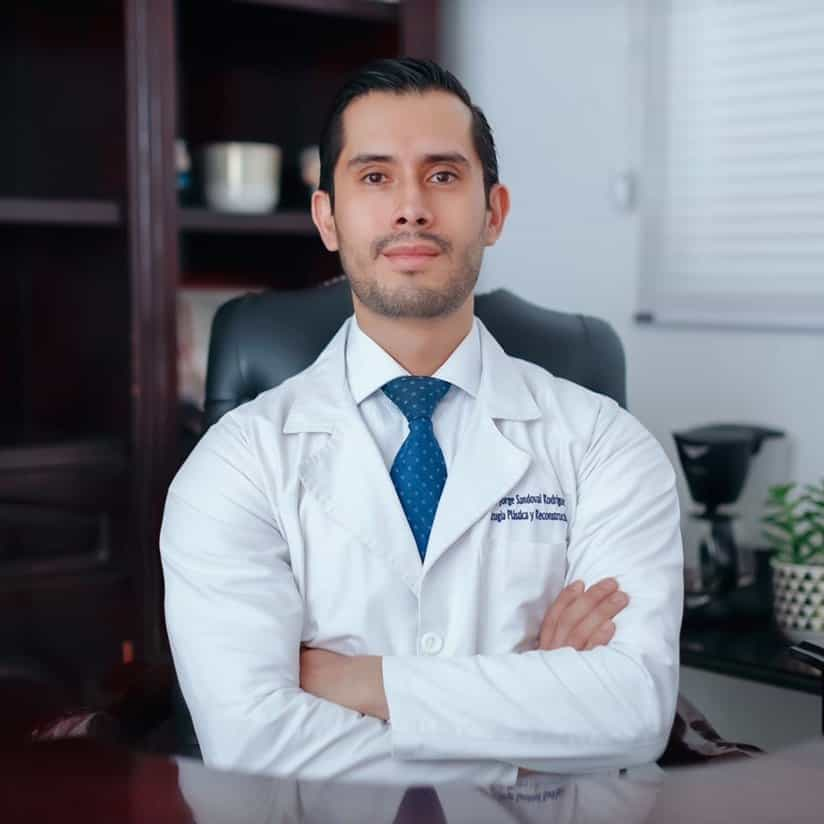
Dr. Jorge Sandoval
Dr. Jorge Sandoval - Plastic Surgeon in Mexico
- Plastic Surgeon
Mexico City, Mexico
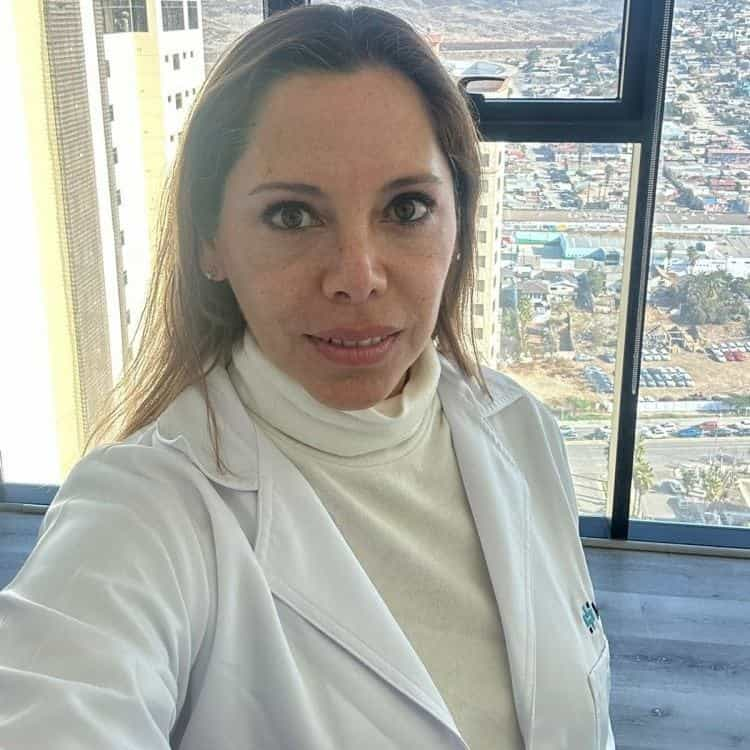
Dra. Diana Marquez
Aesthetic and Oncologic Face, Head and Neck Clinic and OR.
- Oncologist
Tijuana, Mexico
Unmatched Proximity and Convenience
Tijuana's location immediately south of San Diego, California, makes it the most accessible international medical destination for North Americans. Patients can fly domestically into San Diego International Airport (SAN) and take a short 20-30 minute shuttle ride across the border directly to their clinic.
This logistical ease eliminates the need for long-haul flights, which can be uncomfortable immediately after surgery, making the journey home much smoother and safer.
World-Class Medical Infrastructure
Tijuana has invested heavily in its medical infrastructure to serve international patients. The city is home to modern medical towers and hospitals, such as Hospital Angeles and New City Medical Plaza, which feature state-of-the-art technology and luxury amenities.
These facilities operate with strict sanitation protocols and often employ staff who have trained in the U.S. or Europe, ensuring a standard of care that meets or exceeds what patients expect at home.
Comprehensive Patient Support Ecosystem
The city offers a complete "medical ecosystem" designed for comfort. This includes dedicated recovery houses (boutique hotels with nursing care), bilingual drivers, and even a special medical lane (FastLane) at the border for quicker return trips.
This infrastructure removes the stress of travel logistics, allowing patients to focus entirely on their recovery. The combination of affordability, high-quality care, and logistical support makes Tijuana a premier choice for breast reduction.
Arranging surgery abroad can feel complex, but PlacidWay simplifies the entire process. We act as your bridge to world-class healthcare, ensuring you have the information, access, and support needed to make a confident decision about your breast reduction.
Provider Verification
We rigorously screen clinics and surgeons, checking board certifications (CMCPER) and facility accreditations so you can choose from trusted professionals.
Transparent Cost Comparisons
We provide free, no-obligation quotes from multiple clinics, allowing you to compare prices, inclusions, and packages side-by-side.
Direct Surgeon Communication
We facilitate direct contact with medical teams, enabling you to ask questions and even schedule virtual consultations before you travel.
Customized Packages
Our team helps you identify all-inclusive packages that suit your budget, ensuring your surgery, medication, and recovery stay are covered.
Unbiased Information
Access real patient reviews, before-and-after galleries, and detailed clinic profiles to help you make an educated choice based on data.
Dedicated Support
From your initial inquiry to your return home, our customer care team is available to guide you and advocate for your needs.
Don't let pain or discomfort hold you back any longer. Contact PlacidWay today to receive your free, personalized quote and start your journey toward relief and confidence in Tijuana.
Get Your Free Personalized Quote





















Share this listing