


Dominican Republic Leads Stem Cell Boom for Brain Health
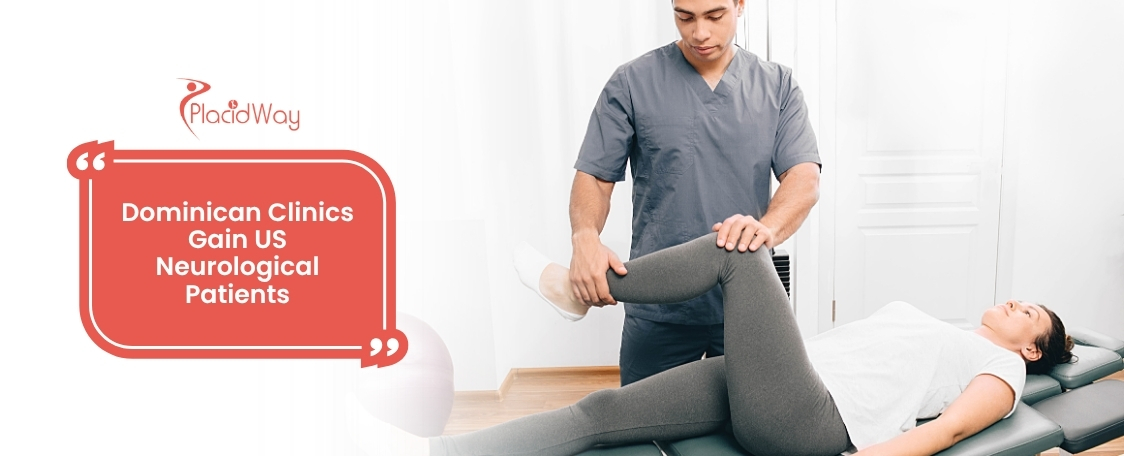
Facing limited domestic options, U.S. patients are driving a surge in medical travel for Stem Cell Therapy for Neurodegeneration in the Dominican Republic. This Caribbean hub offers accessible, advanced neuro-restorative protocols, providing new hope against cognitive decline in 2024.
The Rising Demand for Neuro-Restorative Stem Cell Protocols
As the global population ages, the prevalence of neurodegenerative conditions such as Parkinson's disease, Alzheimer's, Multiple Sclerosis (MS), and Amyotrophic Lateral Sclerosis (ALS) has reached unprecedented levels. In the United States, traditional medical paradigms have largely focused on symptom management rather than addressing the underlying cellular degradation that causes these debilitating conditions. Medications often lose their efficacy over time, leaving patients and their families desperately searching for disease-modifying therapies that can halt or reverse cognitive and motor function decline.
This mounting frustration has catalyzed a massive wave of global medical tourism focused explicitly on regenerative medicine. Neuro-restorative stem cell protocols utilize the body's natural healing mechanisms to target neuroinflammation and promote the regeneration of damaged neural tissue. Because the regulatory pathways for experimental cellular therapies in the U.S. are notoriously protracted, thousands of patients are looking beyond their borders to access safe, highly regulated, and cutting-edge biological treatments. Consequently, nearby international medical hubs have rapidly adapted to meet this surging clinical demand.
Did You Know?
The global regenerative medicine market is projected to reach an astounding $150 billion by 2030. Industry data indicates that up to 35% of this growth is directly driven by patients traveling internationally for advanced neurological applications and stem cell interventions unavailable in their home countries.
Why the Dominican Republic is a Hub for Regenerative Medicine?
The Dominican Republic has strategically positioned itself as the premier destination for regenerative medicine in the Caribbean, seamlessly blending world-class healthcare infrastructure with unparalleled geographic convenience. Located just a short, direct flight from major U.S. transit hubs like Miami, New York, and Atlanta, the nation eliminates the physical exhaustion typically associated with long-haul medical travel. This proximity is particularly vital for neurological patients whose mobility and stamina may be heavily compromised by their underlying conditions.
Beyond geographic convenience, the Dominican Republic boasts a highly progressive yet rigorously regulated healthcare framework. The local Ministry of Public Health has actively supported the advancement of biotechnology and regenerative protocols, allowing for the rapid clinical adoption of validated stem cell therapies. Unlike the heavily bureaucratic systems in North America, this agile regulatory environment empowers elite Dominican medical facilities to offer the latest generations of Mesenchymal Stem Cells (MSCs) and exosome therapies, all while maintaining rigorous international safety protocols and bioethical standards.
Understanding the Science Behind Neuro-Regenerative Therapies
The foundational science of utilizing stem cells for neurodegeneration revolves around their unique ability to modulate the immune system, secrete neurotrophic factors, and replace damaged cells. Medical centers in the Caribbean utilize highly specialized protocols designed specifically to breach the blood-brain barrier and deliver therapeutic payloads directly to the central nervous system. When reviewing top-tier treatment programs, patients will encounter several sophisticated mechanisms of action:
- Targeted Neuro-inflammation Reduction: Mesenchymal Stem Cells (MSCs) possess powerful immunomodulatory properties that actively suppress the chronic inflammation responsible for the progression of diseases like Multiple Sclerosis and Parkinson's.
- Stimulation of Endogenous Neurogenesis: Administered stem cells secrete critical growth factors (such as BDNF and GDNF) that awaken the brain's dormant neural stem cells, encouraging the body to repair its own damaged neural pathways.
- Exosome Integration and Cellular Signaling: Advanced protocols now heavily feature exosomes—nanoparticles secreted by stem cells that carry potent RNA and proteins—which easily cross the blood-brain barrier to facilitate rapid cellular repair.
- Ethical Allogeneic Cell Sourcing: Premium clinics utilize ethically sourced, highly expanded umbilical cord tissue-derived MSCs, which are immunologically privileged and boast a much higher proliferation rate than adult bone marrow cells.
- Advanced Delivery Methods: To maximize therapeutic efficacy, specialized anesthesiologists and neurologists often utilize intrathecal administration (via the spinal canal), ensuring the stem cells are delivered directly into the cerebrospinal fluid.
Navigating the Cost: U.S. vs. Dominican Republic Stem Cell Care
One of the most profound barriers to regenerative medicine in the United States is the staggering financial toxicity associated with cutting-edge care. Because stem cell therapy for conditions like Alzheimer's and ALS is largely classified as experimental or investigational by domestic insurance providers, coverage is routinely denied. This leaves desperate families facing catastrophic out-of-pocket expenses for fragmented, clinical-trial-based care. The sheer cost of lab work, facility fees, and the biological materials themselves puts domestic regenerative care out of reach for the vast majority of the population.
In stark contrast, the Dominican Republic operates on a transparent, all-inclusive pricing model that dramatically reduces the financial burden on international patients. Thanks to highly subsidized medical education, lower real estate overhead, and streamlined administrative processes, elite Caribbean facilities can offer comprehensive neuro-restorative packages at a fraction of the U.S. cost. These packages generally encompass everything from the initial neurological assessments and MRI imaging to the premium stem cell products and VIP ground transportation.
"We are witnessing a monumental shift in how patients confront neurodegenerative diseases. Families are no longer willing to accept a prognosis of inevitable decline when advanced regenerative science exists. The Dominican Republic has emerged as a beacon of hope, marrying highly regulated, ethically sourced stem cell protocols with top-tier medical infrastructure, giving international patients safe and affordable access to life-altering cellular therapies."
— Pramod Goel, CEO of PlacidWay
The Advanced Medical Infrastructure of Dominican Health Hubs
The narrative surrounding Caribbean medical tourism has evolved far beyond simple cosmetic surgeries on the beach. Over the last decade, billions of dollars in foreign and domestic capital have been injected into the Dominican Republic's healthcare sector. This has resulted in the construction of sprawling, ultra-modern medical cities in metropolitan hubs like Santo Domingo and Santiago. These facilities are architectural marvels, engineered specifically to cater to complex, high-acuity medical disciplines such as neurosurgery, oncology, and advanced biotechnology.
Inside these health hubs, patients will find specialized regenerative medicine wings that rival the finest institutions in North America and Europe. They feature ISO-certified cleanrooms essential for the sterile expansion and cultivation of stem cells. Furthermore, these centers are equipped with state-of-the-art diagnostic imaging technologies, including high-resolution PET and 3T MRI scanners, allowing neurologists to meticulously track the biological integration of the stem cells and objectively measure the structural improvements within the brain over time.
Safety, Ethics, and Global Certifications in Caribbean Care
When seeking regenerative treatments abroad, the paramount concern for any patient is safety and the biological integrity of the cellular products. The medical tourism industry in the Dominican Republic is hyper-aware of these concerns and has instituted rigorous quality control measures to dispel outdated myths of unregulated offshore clinics. Legitimate facilities operating in this space are strictly governed by the Ministry of Public Health and heavily rely on international bioethical frameworks to guide their clinical applications.
Furthermore, top-tier clinical teams in the region are genuinely global in their expertise. The specialists administering these neuro-restorative protocols—neurologists, anesthesiologists, and cellular biologists—have frequently completed extensive fellowships in the United States, Spain, or Germany. They bring back prestigious board certifications and adhere to the rigorous Good Manufacturing Practice (GMP) standards. By aligning with global accreditation bodies like the Joint Commission International (JCI), these hospitals ensure that every vial of stem cells administered meets the highest threshold for cellular viability, purity, and safety.
Did You Know?
The Dominican Republic has established specialized bioethics committees explicitly for regenerative medicine, ensuring all commercial stem cell protocols meet or exceed the ethical and safety guidelines set forth by the International Society for Stem Cell Research (ISSCR).
What to Expect During Your Stem Cell Therapy Recovery?
Unlike invasive neurological surgeries, stem cell therapies are profoundly minimally invasive, allowing for a highly manageable and relatively swift recovery period. Following the intrathecal or intravenous administration of the cellular products, patients are typically required to undergo a brief period of observation within the clinic's luxury recovery suites. The immediate post-treatment phase is focused on stabilizing the patient and allowing the stem cells to successfully navigate toward the sites of neurological inflammation without the interference of physical stress.
However, elite Dominican programs understand that stem cell administration is merely the catalyst for healing; true neuro-restoration requires a holistic approach. Comprehensive recovery packages frequently integrate synergistic therapies designed to maximize neurogenesis. Patients may spend their recovery week engaging in targeted physical therapy, hyperbaric oxygen therapy (HBOT) to force pure oxygen into the brain tissue, and specialized nutritional counseling. Set against the calming backdrop of the Caribbean, this stress-free, deeply supportive environment fundamentally enhances the patient's biological capacity to heal.
How PlacidWay Connects Patients to Elite Dominican Facilities?
Navigating the complex landscape of international regenerative medicine can be a daunting endeavor for patients already burdened by a neurodegenerative diagnosis. The internet is flooded with contrasting medical claims, making it incredibly difficult to independently verify a clinic's laboratory standards, the viability of their cell counts, or the legitimacy of their medical credentials. This deep information asymmetry makes the guidance of an established, objective medical tourism facilitator absolutely crucial to ensuring a safe clinical outcome.
As a global leader in cross-border healthcare, PlacidWay bridges this vital gap. PlacidWay meticulously curates a network of thoroughly vetted, internationally accredited hospitals and specialized regenerative clinics in the Dominican Republic. By providing a transparent platform where patients can evaluate verified facility profiles, understand complex treatment protocols, and schedule direct virtual consultations with leading neurologists, PlacidWay removes the guesswork from medical travel. They handle the logistical intricacies, empowering patients to focus entirely on their journey toward cognitive preservation and renewed neurological health.









.png)











Share this listing