


Aussies Bypass Delays for Bangkok Autism Stem Cell Therapy
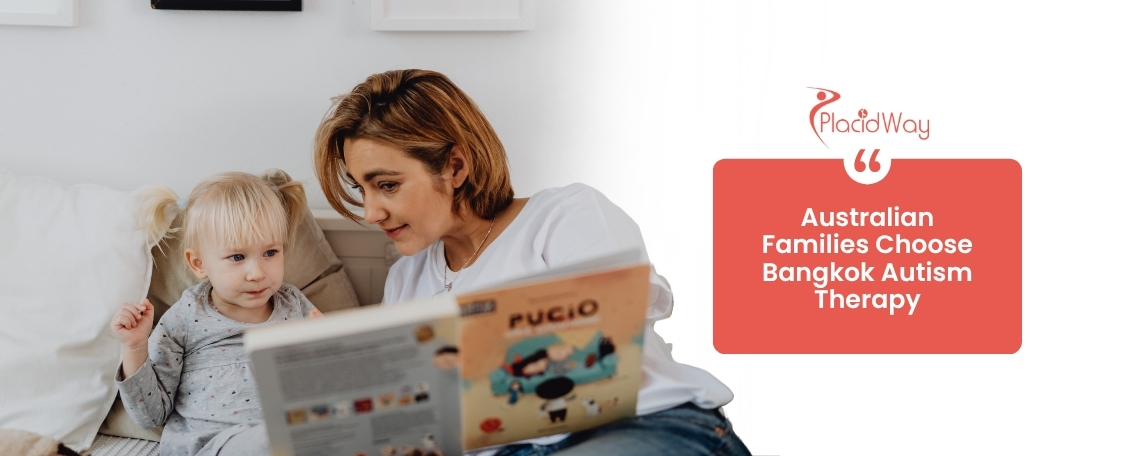
Facing severe local research delays, Australian families are increasingly seeking Stem Cell Therapy for Autism in Bangkok. This shift offers rapid access to innovative regenerative medicine, allowing parents to confidently bypass years of domestic regulatory red tape.
The Frustration of Australian Families Facing Medical Delays
For parents of children diagnosed with Autism Spectrum Disorder (ASD), early intervention is universally recognized as the most critical factor in achieving positive long-term developmental outcomes. However, Australian families pursuing advanced medical interventions frequently find themselves trapped in a frustrating web of bureaucratic red tape and prolonged clinical trial phases. Domestic regulations governing regenerative medicine are notoriously conservative, meaning that while groundbreaking therapies are theorized and debated in local universities, the timeline for public access often stretches into decades. For a child rapidly advancing through critical developmental windows, waiting ten years for localized trial approvals is simply not a viable or acceptable option for their parents.
Consequently, this agonizing holding pattern has catalyzed a massive shift in how proactive families approach healthcare. Rather than accepting the limitations of the local medical infrastructure, Australian parents are conducting exhaustive independent research into international biotech advancements. They are discovering that while their home country excels in acute traditional care, it severely lags behind proactive international markets in the deployment of safe, progressive regenerative protocols. This realization has transformed everyday parents into highly informed medical advocates, driving an unprecedented wave of medical tourism focused entirely on securing neurological interventions that are currently inaccessible within the borders of Australia.
Did You Know?
The global medical tourism market for regenerative medicine is expanding at a staggering compound annual growth rate of over 25%. Thailand commands a massive share of this demographic, welcoming over 2 million international medical travelers annually, with a significantly growing percentage arriving specifically from Australasia.
Why Bangkok Has Emerged as a Global Hub for Regenerative Medicine?
Over the past two decades, the Thai capital has quietly but forcefully positioned itself at the absolute forefront of the global biotechnology boom. Recognizing the massive economic and scientific potential of regenerative health, the regional government, in tandem with heavily funded private medical enterprise, has poured billions of dollars into developing state-of-the-art medical corridors. Unlike many Western nations where political and ethical debates persistently stall scientific application, this vibrant Southeast Asian metropolis has cultivated a highly progressive, yet stringently regulated framework. This unique environment allows elite scientists and medical practitioners to swiftly translate peer-reviewed cellular research into accessible, clinical realities for international patients.
The medical infrastructure found within this destination is nothing short of breathtaking. The city is home to sprawling, hyper-modern medical complexes that function more like luxury wellness cities than traditional hospitals. These facilities house dedicated regenerative medicine wings equipped with multi-million-dollar, ISO-certified clean rooms, advanced cell-expansion laboratories, and cutting-edge genetic screening technology. By combining this unparalleled technological prowess with the region’s legendary culture of profound hospitality, the destination offers an integrative healing environment that completely alleviates the anxiety typically associated with traveling abroad for complex pediatric medical procedures.
Understanding the Science Behind Autism Stem Cell Protocols in Bangkok
At the core of these highly sought-after treatments is the strategic utilization of Mesenchymal Stem Cells (MSCs). According to an expansive body of international research, a significant subset of individuals with ASD exhibit chronic neuroinflammation, immune system dysregulation, and impaired cerebral blood flow. MSCs are uniquely favored in regenerative protocols because of their profound immunomodulatory and anti-inflammatory properties. When introduced into the body, these specialized cells possess the remarkable ability to migrate toward areas of acute inflammation—a mechanism known as homing. Once they reach the affected neurological tissues, they secrete vital growth factors and cytokines that actively work to repair damaged neural pathways and suppress the hyperactive immune responses heavily associated with severe autism symptoms.
The specialized protocols deployed by top-tier facilities in this medical hub go far beyond simple cell infusion. Medical teams utilize highly viable, ethically sourced cells derived from rigorously screened umbilical cord tissue, ensuring optimal potency without the ethical dilemmas associated with embryonic cells. These cells undergo advanced cultivation processes to maximize their regenerative yield before being administered through precise, minimally invasive intravenous or targeted intrathecal methods. This meticulous scientific approach is designed to stimulate profound neurogenesis, often resulting in clinically observed improvements in a child's cognitive focus, verbal communication, social engagement, and the reduction of repetitive, stimming behaviors.
"We are witnessing a profound paradigm shift where parents are no longer willing to accept geographical limitations on their child's healthcare potential. The demand for advanced regenerative treatments in Southeast Asia highlights a crucial reality: when domestic healthcare systems fail to keep pace with scientific innovation, informed families will cross oceans to secure the highest caliber of progressive, vetted medical interventions available on the global stage."
— Pramod Goel, CEO of PlacidWay
Comprehensive Treatment Packages: What Families Can Expect?
To accommodate the complex logistical and emotional needs of families traveling from Australia, premier medical centers have masterfully developed highly structured, all-inclusive treatment packages. These bundles are meticulously designed to ensure absolute clinical safety while providing a deeply supportive, stress-free environment for the neurodivergent child. When accessing these elite protocols, families can generally expect the following comprehensive inclusions:
- Advanced Diagnostic Screening: Prior to any cell administration, patients undergo exhaustive pre-treatment evaluations, including comprehensive metabolic panels, heavy metal toxicity screenings, and advanced neurological mapping to tailor the protocol to the child's specific biological needs.
- High-Dose Cellular Administration: Packages include the precise cultivation and administration of millions of highly viable Mesenchymal Stem Cells, strategically scheduled over several days to ensure optimal bodily absorption and minimize patient fatigue.
- Synergistic Adjunct Therapies: To maximize the efficacy of the cellular treatment, protocols are heavily integrated with supportive therapies such as Hyperbaric Oxygen Therapy (HBOT), Transcranial Magnetic Stimulation (TMS), and specialized clinical nutrition plans.
- Luxury Family Accommodations: Understanding the sensory sensitivities of ASD patients, packages typically include stays in high-end, medically integrated service apartments that offer quiet, secure, and highly controlled environments.
- Dedicated Bilingual Case Management: Families are assigned 24/7 medical concierges who seamlessly translate complex medical jargon, manage all localized transportation, and ensure the child remains comfortable and calm throughout the clinical process.
- Structured Post-Treatment Follow-up: The medical relationship extends far beyond the flight home. Facilities provide extensive telemedicine support, long-term nutritional guidelines, and localized physiotherapy integration strategies to ensure sustained developmental progress.
Comparing the Healthcare Landscape: Australia vs. Thailand
The contrast between the two healthcare landscapes is stark, particularly when evaluated through the lens of specialized biotechnology. In Australia, the healthcare system is incredibly robust when addressing standard pediatric care, emergency trauma, and long-term chronic illness management. However, its deeply entrenched public health regulations create a massive bottleneck for regenerative innovations. Treatments involving the expansion and manipulation of live cells are subject to a labyrinth of stringent clinical trial mandates, often restricting access to a tiny fraction of the population who qualify for highly exclusive academic studies. For the vast majority of families, the door to these therapies remains firmly locked.
Conversely, the private healthcare sector in this Thai metropolis operates with remarkable agility. Backed by massive international investments, the medical infrastructure is unburdened by the slow-moving bureaucracy of public health systems, yet it remains intensely dedicated to patient safety. Elite private hospitals in the region actively court top-tier global medical talent, frequently employing specialists educated at premier institutions in the US, UK, and Australia. This creates a highly competitive, fast-paced medical ecosystem where adopting the latest, evidence-based biotechnological advancements is not merely an academic exercise, but a core component of their international business model.
Did You Know?
Thailand boasts more than 60 healthcare facilities that have achieved the prestigious Joint Commission International (JCI) accreditation. This rigorous standard guarantees that the medical protocols, facility safety, and patient care practices meet or exceed the absolute highest benchmarks established by Western healthcare authorities.
Navigating Safety, Ethics, and International Medical Regulations
A common misconception surrounding international regenerative medicine is the fear of engaging in unregulated "stem cell tourism." However, families traveling to premium destinations in Southeast Asia quickly discover a regulatory environment that is intensely rigorous. The leading medical centers providing autism protocols are deeply embedded in the global scientific community. They operate under stringent guidelines established by international biotechnology boards and utilize laboratory practices that perfectly mirror FDA-compliant Good Manufacturing Practice (GMP) standards. This absolute dedication to regulatory compliance ensures that every cellular product administered is profoundly safe, entirely sterile, and genetically stable.
Furthermore, the ethical sourcing of cellular material is a cornerstone of these advanced programs. Elite laboratories exclusively utilize Wharton’s Jelly-derived Mesenchymal Stem Cells procured from healthy, full-term, and fully consenting donor pregnancies. The donors undergo exhaustive infectious disease screening panels that surpass standard international requirements. Once harvested, the cellular expansion process is monitored via advanced flow cytometry, ensuring that only cells displaying peak vitality and correct surface markers are ever utilized in a pediatric protocol. This uncompromising approach entirely mitigates the risks associated with black-market clinics, providing parents with absolute peace of mind.
The Financial Reality of Seeking Regenerative Treatments Abroad
While the primary motivator for medical travel is undeniably the access to restricted treatments, the financial logistics are a vital consideration for any family. Advanced biological therapies require significant capital, and because they are not yet standardized domestically, Australian private health insurance offers zero financial mitigation. However, when evaluating the holistic financial impact, families often find that the international model offers unprecedented value. Domestically, paying entirely out-of-pocket for years of intensive occupational therapy, specialized schooling, and daily pharmaceutical interventions can easily surpass the one-time investment required for a highly comprehensive, international regenerative protocol.
The transparent pricing models utilized by elite international medical hubs further alleviate financial stress. Rather than facing the fragmented, unpredictable billing synonymous with Western healthcare, international patients receive comprehensive quotes that lock in the total cost of their medical journey. This radical transparency allows proactive families to effectively organize community fundraising, access specialized medical loans, and plan their travels with mathematical certainty, ensuring their child receives elite care without the threat of hidden medical debt.
How PlacidWay Connects Families to Verified Medical Infrastructure?
While the prospect of securing groundbreaking neurological care is highly motivating, attempting to navigate a foreign medical landscape independently is incredibly daunting. The internet is flooded with unverified medical advertisements, making it difficult for an Australian family to differentiate between a truly elite biotechnology center and a subpar commercial clinic. This critical gap in trusted information is precisely where dedicated international healthcare facilitators become absolutely vital to the safety and success of the medical journey.
Serving as a highly secure, independent connector, PlacidWay removes the immense burden of guesswork from the shoulders of anxious parents. By meticulously vetting international providers for absolute JCI accreditation, ethical cellular sourcing, and transparent patient outcomes, they provide families with a highly curated portfolio of elite medical facilities. Through this secure platform, parents can safely compare treatment protocols, review comprehensive pricing models, and arrange direct virtual consultations with globally recognized regenerative specialists. By actively managing the complex logistics of international medical travel, PlacidWay empowers families to focus entirely on what truly matters: the health, development, and future of their child.




.png)


-(6).png)




.png)
-(6).png)








Share this listing