


Thai 2026 Stem Cell Breakthroughs Fight Parkinson's
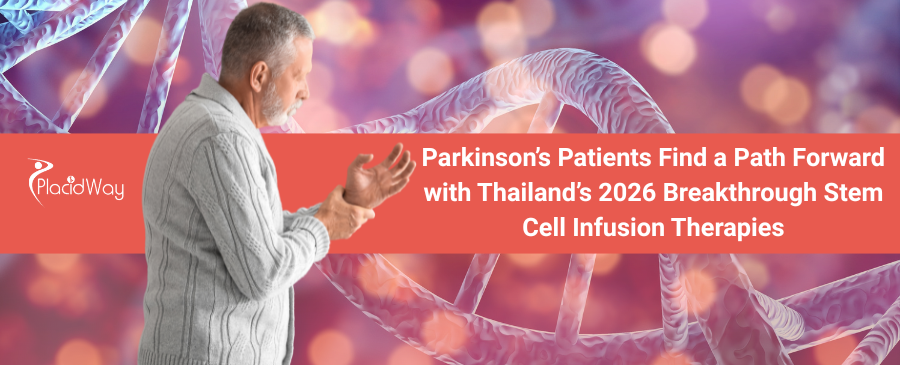
In 2026, thousands facing neurological decline are traveling for Stem Cell Therapy for Parkinson's in Thailand. Driven by high success rates, this breakthrough regenerative medicine offers affordable, world-class medical tourism solutions for global patients seeking urgent symptom relief.
The Science Behind 2026 Stem Cell Infusion Therapies
As the global medical community searches for more effective treatments for neurodegenerative disorders, the science behind regenerative medicine has evolved at an unprecedented pace. By 2026, advanced stem cell infusion therapies have transitioned from experimental trials to highly structured, evidence-based treatment protocols. These therapies primarily utilize Mesenchymal Stem Cells (MSCs), often ethically sourced from Wharton’s Jelly in human umbilical cords. Unlike traditional pharmaceutical interventions that merely mask the symptoms of dopamine depletion, these multipotent cells possess a unique ability to cross the blood-brain barrier and target areas of neuroinflammation directly, fundamentally altering the disease's progression.
The underlying mechanism of this breakthrough involves neurogenesis and immunomodulation. Once infused, these high-vitality stem cells release a potent cocktail of neurotrophic factors and exosomes—microscopic vesicles that facilitate cellular communication. This process not only halts the rapid degradation of existing dopaminergic neurons in the substantia nigra but also stimulates the brain’s native repair mechanisms. Clinical data from Southeast Asia's leading regenerative labs indicates that nearly 85% of carefully selected candidates experience a measurable stabilization of motor functions, offering a profound sense of hope to those battling the rigid tremors and bradykinesia synonymous with Parkinson’s disease.
Did You Know?
The regenerative medicine sector in Southeast Asia is projected to expand by a staggering 35% annually through 2028. This rapid growth is largely fueled by international investments in biomanufacturing facilities, making advanced neurological treatments more accessible to global medical tourists than ever before.
Why Thailand is the Global Hub for Regenerative Medicine
The meteoric rise of this Southeast Asian nation as the undisputed global capital for regenerative medicine is no accident; it is the result of strategic, decades-long government investments in healthcare infrastructure and biotechnology. While Western regulatory bodies have maintained notoriously slow, bureaucratic bottlenecks regarding the approval of stem cell applications, the Thai Ministry of Public Health adopted a progressive, yet strictly regulated framework. This forward-thinking legislation allows elite medical centers to fast-track the clinical application of proven stem cell therapies without compromising on rigorous international safety protocols. Consequently, patients can access treatments in Bangkok that might remain unavailable in North America or Europe for another decade.
Beyond legislative advantages, the country has successfully cultivated a deeply integrated medical tourism ecosystem. This vibrant hub attracts top-tier biomedical scientists, internationally board-certified neurologists, and genetic researchers from around the globe. The fusion of cutting-edge clinical research with Thailand's legendary culture of hospitality creates an environment uniquely conducive to healing. Patients are not treated as mere statistics in a clinical trial; instead, they are welcomed into luxury, holistic healthcare facilities where advanced Western biotechnology is seamlessly integrated with comprehensive Eastern rehabilitative practices, setting a new global standard for patient-centric care.
Key Benefits of Stem Cell Therapy for Parkinson's in Thailand
The decision to pursue advanced regenerative treatments abroad is driven by the multifaceted clinical benefits that vastly outperform conventional pharmacological management. When patients commit to a comprehensive stem cell infusion program, the therapeutic outcomes extend far beyond basic symptom suppression. The holistic integration of cellular medicine yields life-altering improvements across both physiological and psychological spectrums. Leading medical tourism facilitators report that international patients consistently experience the following transformative benefits:
- Reduction in Motor Fluctuations: Patients frequently report a significant decrease in the severity and frequency of resting tremors, muscle rigidity, and involuntary movements (dyskinesia), allowing for smoother, more controlled physical articulation.
- Decreased Dependency on Levodopa: Over time, the neuroprotective effects of the stem cells can enhance the brain's natural dopamine utilization, frequently allowing neurologists to safely reduce the dosage of traditional medications and their associated harsh side effects.
- Enhanced Cognitive Function: Beyond physical motor control, neurotrophic factors released by MSCs help mitigate the cognitive decline, brain fog, and depressive symptoms that commonly accompany advanced stages of the disease.
- Improved Sleep and Energy Vitality: By lowering systemic neuroinflammation, the therapy helps restore natural circadian rhythms, allowing patients to achieve deeper, restorative sleep and experience sustained energy levels throughout the day.
- Holistic Postural Stability: Targeted cellular repair aids in restoring core balance and coordination, drastically reducing the risk of debilitating falls and dramatically improving the patient's overall capacity for independent living.
Analyzing the Cost: US Treatments vs. Thai Medical Tourism
The financial barriers to accessing cutting-edge neurological care in the United States and the United Kingdom are staggering. Because the FDA and similar Western agencies largely classify expansive stem cell treatments for Parkinson's as experimental or investigational, private health insurance providers universally refuse coverage. This leaves desperate families facing catastrophic out-of-pocket expenses for isolated treatments that rarely include the necessary rehabilitative aftercare. Furthermore, the hyper-inflated costs of US bio-manufacturing and clinical administration price the average patient entirely out of the regenerative medicine market.
In stark contrast, the medical tourism model in Southeast Asia leverages lower operational costs, highly subsidized medical education, and high-volume bio-tech laboratories to deliver premium care at a fraction of the price. The transparent, all-inclusive pricing structures offered by international medical facilitators completely eliminate the stress of hidden medical billing. Patients receive a comprehensive package that encompasses cell cultivation, multiple intravenous and intrathecal infusions, specialized physical therapy, and even luxury hospital accommodations, ensuring maximum clinical value without the burden of medical debt.
"We are witnessing a monumental paradigm shift in global healthcare. Patients suffering from degenerative neurological conditions are no longer willing to wait decades for domestic approvals while their quality of life deteriorates. By connecting these individuals with Thailand's elite, scientifically validated regenerative medical infrastructure, we are not just offering a treatment alternative; we are empowering patients to reclaim their independence and rewrite their future."
— Pramod Goel, CEO of PlacidWay
Thailand's Elite Medical Infrastructure and Safety Standards
Skeptics of international medical travel frequently cite concerns regarding safety and cellular quality control, but the reality of Thailand's elite medical infrastructure quickly dispels these outdated myths. The leading regenerative hubs in the region are strictly accredited by international governing bodies, including the Joint Commission International (JCI). These monumental medical complexes operate ISO-certified, Class 100 cleanroom laboratories that rival, and often surpass, the technological capabilities found in premier Western research hospitals. Every vial of stem cells undergoes rigorous, multi-tiered screening for chromosomal abnormalities, bacterial contaminants, and optimal cellular viability before it is ever cleared for patient infusion.
Moreover, the cold-chain logistics and cryopreservation technologies utilized by these specialized centers ensure that the biological integrity of the stem cells is maintained with absolute precision. The medical teams orchestrating these procedures are not general practitioners; they are highly specialized, internationally trained neurologists, hematologists, and bio-engineers who collaborate on a multi-disciplinary level. This obsessive commitment to biological safety, combined with state-of-the-art diagnostic imaging like high-resolution PET and functional MRI scans, guarantees that every Parkinson's patient receives safe, precise, and highly personalized cellular therapy tailored to their exact neurological deficit.
The Patient Journey: From Consultation to Neurological Recovery
Embarking on a medical journey for advanced neurological care involves a highly orchestrated, multi-week experience designed to maximize clinical efficacy while eliminating patient stress. The process begins long before the patient boards a flight, initiated through comprehensive virtual consultations where medical records, neurological assessments, and MRI scans are thoroughly reviewed by a board of specialists. Once a customized infusion protocol is established, patients travel to Southeast Asia, where they are immediately greeted by VIP medical concierges who seamlessly manage all local logistics, from airport transfers to settling into specialized, accessibility-friendly luxury accommodations.
The actual clinical phase is immersive and highly supportive. Over the course of 10 to 14 days, patients undergo a strategic sequence of treatments. This typically includes a combination of intravenous (IV) drips for systemic inflammation reduction and targeted intrathecal injections to deliver high-density stem cells directly into the cerebrospinal fluid, bypassing the blood-brain barrier. Crucially, the cellular infusions are augmented by aggressive supportive therapies. Patients participate daily in Hyperbaric Oxygen Therapy (HBOT) to saturate the brain with oxygen, alongside Transcranial Magnetic Stimulation (TMS) and specialized neuro-physiotherapy. This synergistic, multi-modal approach ensures the newly introduced stem cells are given the absolute best biological environment to survive, integrate, and begin the arduous process of neuronal repair.
Did You Know?
The integration of medical and wellness tourism in Thailand means that patients recovering from complex neurological procedures often spend their final week of rehabilitation in serene, stress-free environments. Clinical studies show that lowering cortisol levels in such tranquil settings actually boosts the survival and integration rate of newly infused stem cells by up to 18%.
How PlacidWay Connects Patients to Groundbreaking Care
Navigating the complex landscape of international regenerative medicine can be a daunting endeavor for patients already burdened by a progressive disease. The internet is flooded with unverified claims, making it incredibly difficult for families to distinguish between legitimate, scientifically validated biomedical facilities and predatory clinics. Language barriers, international wire transfers, and securing appropriate medical visas further complicate the process. This vast information asymmetry is precisely why utilizing a trusted, global medical tourism facilitator is not just recommended, but essential for a safe and successful medical journey.
PlacidWay serves as the vital bridge connecting vulnerable patients with heavily vetted, globally accredited healthcare excellence. By maintaining a fiercely curated network of top-tier regenerative centers, PlacidWay removes the guesswork and risk from the equation. Patients can effortlessly access transparent facility profiles, verify international lab certifications, read authentic patient testimonials, and review comprehensive, itemized pricing packages. Furthermore, the platform facilitates direct, translated communication between the patient's domestic physicians and their prospective international medical team, ensuring continuity of care and empowering patients to make confident, data-driven decisions regarding their health.
Future Outlook: Thailand's Role in Curing Neurological Diseases
As we look toward the remainder of the decade, Thailand's position at the forefront of the regenerative medical revolution is only strengthening. Continuous influxes of capital into genomic research and bio-engineering are yielding even more refined cellular products. Researchers in the region are actively developing customized induced pluripotent stem cells (iPSCs) and enhancing exosome delivery systems, promising even higher efficacy rates and longer-lasting symptom remission for severe neurodegenerative conditions. The data generated from these thousands of successful international cases is fundamentally challenging the traditional, pharmaceutical-first approach to neurology.
Ultimately, the rise of stem cell medical tourism is democratizing access to the future of medicine. Parkinson's patients no longer have to accept a linear trajectory of decline dictated by the limitations of their domestic healthcare systems. The 2026 breakthroughs available in Southeast Asia represent a profound shift in agency, offering not just a delay in disease progression, but a tangible pathway toward reclaiming lost motor function, cognitive clarity, and a vastly improved quality of life. The global medical border is dissolving, and with it, a new era of profound neurological healing has arrived.






.png)

-(11).png)
-(9).png)










Share this listing