


Indonesians Surge to Malaysia for COPD Care
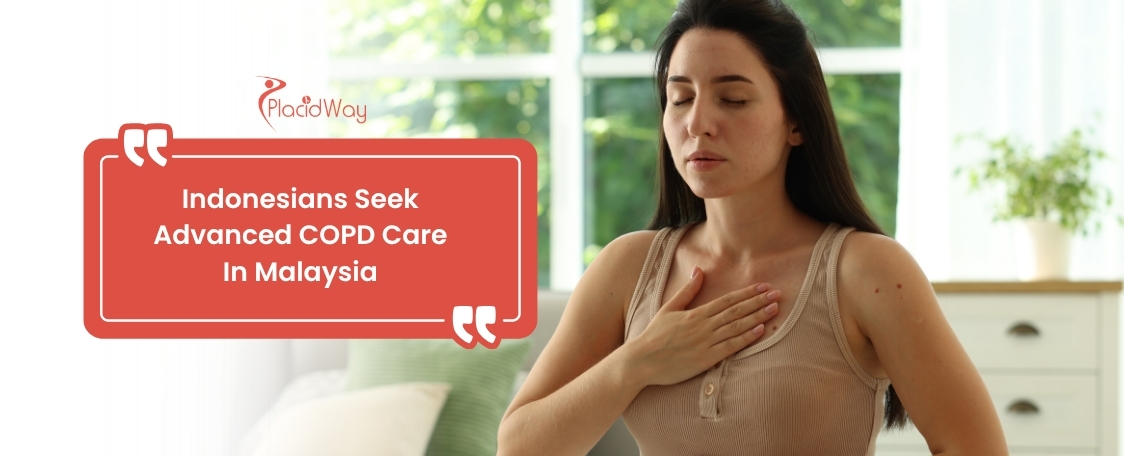
Driven by worsening regional smog in 2024, thousands are crossing the strait for Stem Cell Therapy for COPD in Malaysia. This surging demand highlights a critical shift toward affordable, world-class regenerative respiratory care just a short flight from Jakarta.
The Impact of Regional Smog on Indonesia’s Respiratory Health Crisis
The Southeast Asian region has long battled severe seasonal air quality degradation, but recent years have witnessed an unprecedented escalation in toxic smog levels. Driven by extensive agricultural burning, rapid industrialization, and dense urban traffic in metropolitan hubs like Jakarta, the concentration of PM2.5 particulate matter frequently exceeds the World Health Organization's safety guidelines by astronomical margins. For the average citizen, this persistent atmospheric pollution is a mere inconvenience; however, for individuals suffering from Chronic Obstructive Pulmonary Disease (COPD), it is an immediate and severe existential threat that dramatically accelerates the deterioration of their lung function.
As this environmental crisis deepens, Indonesia’s domestic healthcare infrastructure is facing an overwhelming surge in acute respiratory distress admissions. Local pulmonology wards are frequently stretched to capacity during peak smog seasons, leaving patients reliant on reactive, emergency-based care. The standard domestic protocols heavily prioritize short-term symptom management—utilizing high-dose systemic corticosteroids and bronchodilators—which fail to address the underlying cellular damage occurring within the lungs. Frustrated by a cycle of diminishing returns and deteriorating quality of life, a record number of affluent and middle-class Indonesians are actively seeking long-term, proactive medical solutions beyond their national borders.
Did You Know?
Malaysia welcomes over 1.2 million international healthcare travelers annually, with Indonesian patients constituting the vast majority. Recently, there has been a remarkable 45% year-over-year increase in medical tourists specifically crossing the border to access advanced cellular and regenerative therapies for chronic respiratory conditions.
Why Indonesians Choose Stem Cell Therapy for COPD in Malaysia?
The paradigm of chronic respiratory treatment is undergoing a radical global transformation, shifting away from mere palliative management toward cutting-edge regenerative medicine. Traditional COPD treatments are fundamentally limited; they can dilate airways and temporarily suppress inflammation, but they possess zero capacity to repair the scarred, degraded alveolar tissue that defines the disease. Recognizing this critical gap, Malaysian medical hubs have aggressively invested in pioneering regenerative respiratory care. They offer sophisticated stem cell therapies designed not just to alleviate symptoms, but to actively modulate the immune system, halt progressive tissue destruction, and promote the regeneration of healthy lung cells.
For Indonesian patients, the decision to pursue these innovative therapies in neighboring Malaysia is both a medical and strategic imperative. While regenerative medicine is still in its nascent, highly restricted phases in many parts of Southeast Asia, Malaysia has established a robust, highly regulated framework for cellular therapies. The country’s Ministry of Health maintains strict oversight over stem cell culturing and application, ensuring that patients receive ethical, lab-certified treatments that adhere to rigorous international safety standards. This powerful combination of cutting-edge scientific innovation, stringent regulatory safety, and geographical proximity has positioned Malaysia as the undisputed regional sanctuary for those battling severe COPD.
Understanding the Regenerative Protocol: How It Targets Lung Damage?
The regenerative protocols offered by elite Malaysian medical facilities are comprehensive, multi-disciplinary, and meticulously tailored to the specific pathological profile of each international patient. Rather than a rudimentary, one-size-fits-all injection, these advanced therapies constitute a highly choreographed medical journey aimed at maximizing cellular engraftment and reducing systemic pulmonary inflammation. When patients arrive for their specialized care, they can expect a deeply integrated therapeutic protocol that typically includes:
- Advanced High-Resolution Diagnostics: Prior to any cellular administration, patients undergo state-of-the-art 3D pulmonary imaging, comprehensive spirometry, and arterial blood gas analysis to meticulously map the extent of alveolar degradation.
- Targeted Mesenchymal Stem Cell (MSC) Delivery: Utilizing rigorously cultivated, ethically sourced MSCs, specialists deliver the regenerative cells through precise intravenous infusions and localized nebulization. This dual-delivery method ensures that the cells bypass systemic filtration and directly colonize the inflamed lung tissues.
- Potent Immunomodulation: Once localized in the lungs, the introduced stem cells secrete vital cytokines and growth factors. These agents actively suppress the hyperactive immune response that causes COPD exacerbations, significantly reducing chronic airway inflammation.
- Angiogenesis and Tissue Repair: The regenerative protocol stimulates the formation of new capillary networks (angiogenesis) within the damaged lung regions, dramatically improving blood-oxygen exchange efficiency and overall respiratory stamina.
- Integrated Pulmonary Rehabilitation: To maximize the efficacy of the cellular therapy, patients undergo intensive, medically supervised respiratory physiotherapy, utilizing specialized breathing techniques to expand lung capacity and clear residual airway obstructions.
"We are witnessing a monumental shift in regional medical travel. Patients suffering from chronic respiratory conditions are no longer settling for temporary, palliative measures. They are actively seeking out highly regulated, scientifically backed regenerative therapies. By connecting Indonesian patients with Malaysia's elite, globally accredited medical infrastructure, we are helping them transition from a state of chronic illness management to genuine, long-term health restoration."
— Pramod Goel, CEO of PlacidWay
Comparing Healthcare Costs: Alternative Hubs vs. Malaysian Medical Tourism
For Indonesian patients exploring advanced regenerative medicine, the financial aspect is a critical determinant. Historically, those seeking top-tier cellular therapies were forced to travel to exorbitantly priced medical hubs in North America, Europe, or Singapore. In these high-cost destinations, a comprehensive stem cell protocol for respiratory disease can easily bankrupt a family, with isolated billing structures leading to massive hidden fees for facility usage, specialized laboratory culturing, and post-operative rehabilitation.
Malaysia has radically disrupted this financial model by offering transparent, all-inclusive medical packages. Because the Malaysian government actively subsidizes and promotes its medical tourism sector, elite healthcare facilities can offer highly sophisticated treatments at a fraction of the cost found in neighboring global hubs, without compromising a single metric of quality or safety. The economic advantage is so profound that even after accounting for international flights, luxury hotel accommodations, and extended post-therapy care, Indonesian patients still experience massive financial savings.
Malaysia’s World-Class Medical Infrastructure and Accreditation Standards
The exceptional clinical outcomes witnessed by medical tourists are not accidental; they are the direct result of Malaysia's aggressive, decade-long investment in ultra-modern medical infrastructure. Cities like Kuala Lumpur and Penang have evolved into bona fide "medical cities," boasting sprawling healthcare campuses that rival the finest institutions in the Western world. These facilities are equipped with dedicated, bio-secure clean rooms specifically engineered for the flawless isolation, culturing, and expansion of stem cells. By maintaining total control over the cellular supply chain within their own architectural footprint, these hospitals eliminate the risks associated with third-party transport and guarantee maximum cellular viability for their patients.
Furthermore, the international confidence in Malaysian healthcare is anchored by its uncompromising regulatory environment. The nation’s premier medical facilities consistently earn accreditations from the highly prestigious Joint Commission International (JCI), alongside the stringent criteria enforced by the Malaysian Society for Quality in Health (MSQH). These continuous audits ensure that every single facet of the patient experience—from the sterilization of laboratory equipment to the ethical sourcing of cellular material and the ongoing training of pulmonary specialists—adheres to the highest echelons of global medical excellence.
Did You Know?
The medical tourism industry in Malaysia is so highly structured that the government has established the Malaysia Healthcare Travel Council (MHTC), an agency specifically designed to streamline the international patient journey, ensuring travelers receive seamless visa processing, airport concierges, and guaranteed transparent pricing.
Logistical Advantages: Proximity and Cultural Familiarity
Beyond the undeniable medical and financial benefits, the sheer geographical proximity of Malaysia plays a monumental role in its dominance over the Indonesian medical tourism market. For a patient suffering from severely compromised lung function, enduring a 15-hour intercontinental flight to Europe or the United States is not just uncomfortable; it is medically hazardous. Conversely, a flight from Jakarta to Kuala Lumpur takes under two hours. This drastically reduced travel time significantly mitigates the risk of deep vein thrombosis and prevents the severe hypoxia often experienced by COPD patients in pressurized commercial aircraft cabins.
Equally vital is the profound cultural and linguistic synergy shared between the two nations. Navigating complex medical diagnoses and intricate treatment protocols is inherently stressful, but this anxiety is vastly reduced when patients can communicate flawlessly with their medical team in Bahasa Indonesia or mutually intelligible Bahasa Malaysia. Moreover, the absolute certainty of Halal-certified pharmaceuticals, Muslim-friendly hospital amenities, and culturally familiar dietary options allows Indonesian patients to focus entirely on their respiratory recovery in an environment that feels remarkably like home.
PlacidWay: Your Connector to Elite Regenerative Care in Malaysia
While the promise of regenerative medicine is immensely hopeful, the global landscape of stem cell therapy is notoriously difficult to navigate. The internet is flooded with unverified clinics pushing miraculous claims, making it extraordinarily challenging for patients to distinguish between scientifically validated medical protocols and predatory medical fraud. This critical information gap is where an authoritative, globally trusted medical tourism facilitator becomes an absolute necessity for the prospective patient.
PlacidWay serves as the essential bridge between Indonesian patients and the most elite, heavily vetted regenerative facilities in Malaysia. By leveraging decades of industry expertise, PlacidWay meticulously filters providers, partnering only with board-certified institutions that possess transparent clinical data, verified international accreditations, and proven track records in complex respiratory care. Through the platform, patients can effortlessly compare diverse treatment packages, schedule secure virtual consultations with leading pulmonologists, and arrange end-to-end medical itineraries, guaranteeing a journey that is both medically superior and entirely stress-free.
The Future of Respiratory Medical Travel in Southeast Asia
The post-treatment recovery phase is critical to the ultimate success of regenerative COPD therapies, and Malaysia has optimized this experience to perfection. Following their cellular infusions, patients do not simply return to the smog-choked air of their home cities. Instead, they are encouraged to recuperate in specialized, medical-boutique hotels situated in clean-air zones. These facilities offer hospital-grade HEPA filtration systems, specialized anti-inflammatory culinary menus, and daily visits from specialized respiratory nurses who monitor vital signs and guide patients through essential lung-expansion exercises.
As environmental challenges in Southeast Asia continue to threaten public health, the symbiotic healthcare relationship between Indonesia and Malaysia will only deepen. The massive surge in demand for regenerative therapies is forcing the entire region to elevate its medical standards. For the thousands of Indonesians who have successfully reclaimed their ability to breathe freely, this cross-border journey represents far more than a simple medical transaction; it is a profound testament to the life-changing power of accessible, high-quality international medical travel.






.png)

.png)
.png)
.png)
.png)









Share this listing