


Gordie Howe's Tijuana Stem Cell Legacy Fuels Athlete Boom

Since NHL icon Gordie Howe’s miraculous 2014 stroke recovery via stem cell therapy in Tijuana, elite athletes have driven a massive surge in cross-border regenerative medicine. This Mexican medical boom offers a vital lifeline for career-ending injuries and severe neurological conditions.
The Gordie Howe Miracle That Changed Regenerative Medicine
In late 2014, the world watched in sorrow as Gordie Howe, universally revered as "Mr. Hockey," suffered a catastrophic stroke that left him largely incapacitated, unable to walk, and struggling to communicate. Conventional medical prognosis offered little hope for recovery, relegating the legendary athlete to palliative care. However, refusing to accept this grim inevitably, his family embarked on a desperate, global search for advanced medical interventions, ultimately crossing the southern border to explore investigational regenerative protocols. This pivotal decision to seek stem cell treatment in Mexico would fundamentally alter the trajectory of modern sports medicine.
The results of the intervention were nothing short of extraordinary. Within days of receiving targeted infusions of mesenchymal stem cells (MSCs) and neural stem cells, Howe experienced a rapid, almost incomprehensible neurological reversal. He regained his ability to walk, converse with his family, and even perform everyday tasks, reclaiming a quality of life that traditional neurology deemed impossible. This highly documented, highly public "miracle" shattered decades of medical skepticism. It provided undeniable, real-world validation for cellular therapies, instantaneously transforming the Mexican border region from a controversial alternative into a premier, globally recognized destination for cutting-edge biological healing.
Why High-Profile Athletes Choose Stem Cell Therapy in Tijuana?
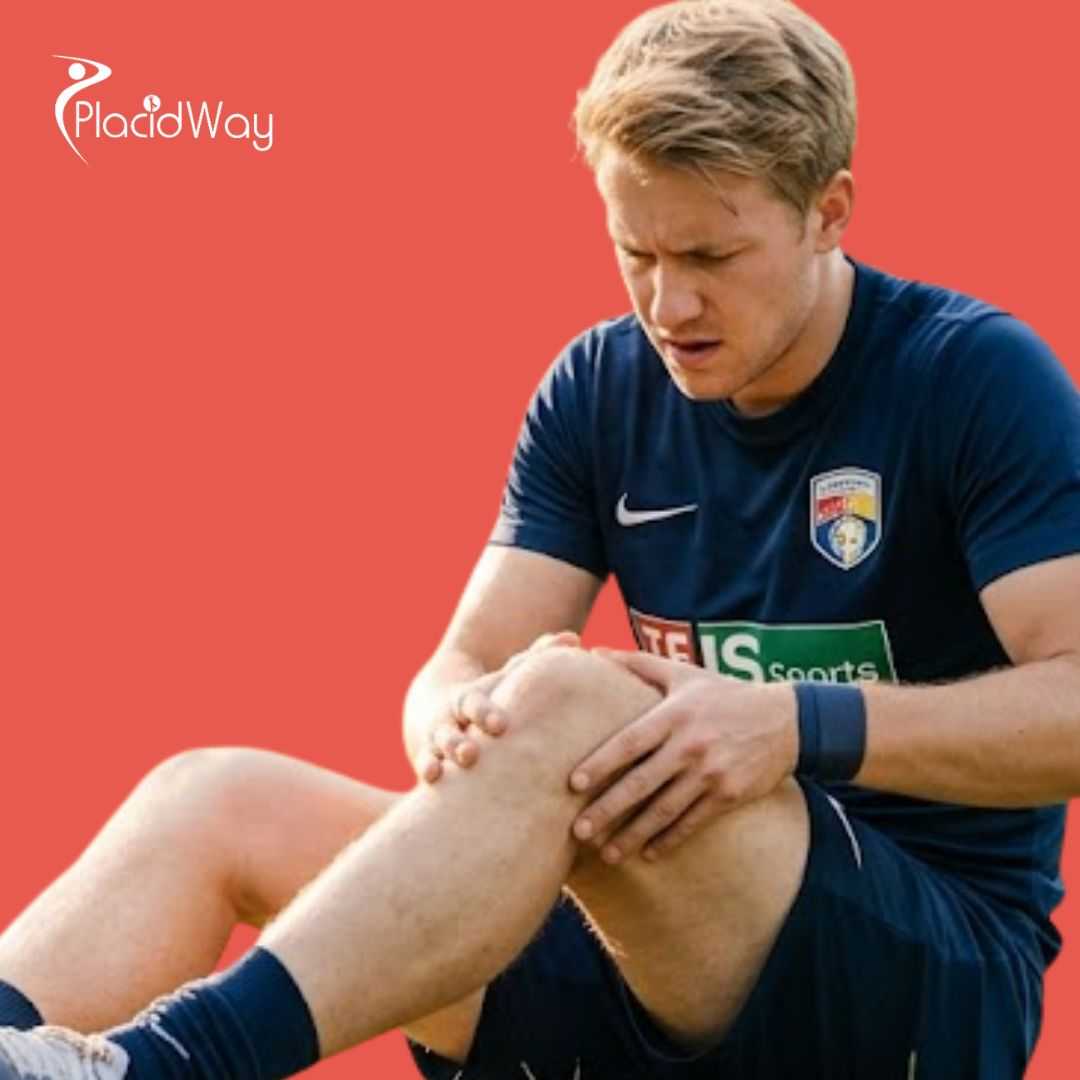
Professional athletes operate under an immense physical toll, frequently enduring severe joint degeneration, torn ligaments, and the looming specter of chronic traumatic encephalopathy (CTE). In the highly regulated United States, treating these career-threatening injuries typically involves invasive orthopedic surgeries followed by grueling, multi-month rehabilitation periods. Furthermore, domestic regulations strictly limit the scope of cellular therapies to basic, same-day procedures using the patient's own (autologous) bone marrow or adipose tissue. These domestic procedures lack the cell volume and regenerative potency required to heal severe, accumulated athletic trauma rapidly.
Consequently, elite competitors—ranging from NFL linebackers and UFC champions to Olympic weightlifters—are increasingly looking southward. Seeking stem cell therapy in Tijuana allows athletes to bypass the bureaucratic red tape of the FDA, accessing potent, ethically sourced umbilical cord tissue that can be cultured and multiplied into the hundreds of millions. This high-dose, intravenous, and localized cellular delivery dramatically accelerates tissue repair, drastically reduces systemic inflammation, and fast-tracks the healing process. For a professional athlete, where physical downtime directly equates to millions of dollars in lost revenue, this advanced Mexican biotech infrastructure is not just a medical alternative; it is an essential career-extension strategy.
Did You Know?
According to recent medical tourism analytics, over 65% of North American professional athletes exploring advanced regenerative therapies are traveling outside the United States. Mexico has firmly established itself as the premier global destination, capturing the vast majority of this highly lucrative, outcome-driven demographic due to its progressive cellular culturing laws.
The Science Behind Stroke Recovery and Tissue Regeneration
To understand why the Mexican biotech corridor is experiencing exponential growth, one must examine the profound biological mechanisms of expanded Mesenchymal Stem Cells (MSCs). In cases of severe neurological trauma, such as strokes or traumatic brain injuries (TBIs), localized inflammation causes massive secondary cell death. High-dose MSCs, when administered intravenously or intrathecally (directly into the spinal canal), possess a unique ability to cross the blood-brain barrier. Once inside the central nervous system, they act as microscopic cellular paramedics. They do not merely replace dead brain tissue; instead, they secrete a powerful array of neurotrophic factors and exosomes that halt neuro-inflammation, stimulate angiogenesis (the formation of new blood vessels), and awaken dormant neural pathways.
This paracrine effect—the ability of stem cells to signal surrounding tissues to heal themselves—extends far beyond neurology. In sports medicine, these same cellular mechanics are applied to deteriorating joints and torn menisci. When injected directly into a damaged knee or shoulder, the cells initiate immediate cartilage regeneration and suppress the localized immune response that causes chronic pain. This dual capability—systemic neurological repair and localized musculoskeletal regeneration—has transformed cellular medicine into the ultimate multifaceted tool for human longevity and peak physical performance, drawing thousands of international patients annually.
Analyzing the Cost: Stem Cell Treatment in Mexico vs. Global Markets
The economics of regenerative healthcare starkly illuminate why cross-border medical travel has shifted from a niche concept to a mainstream necessity. In the United States, advanced cell therapies are universally classified as investigational, meaning major health insurance networks offer absolutely zero financial coverage. When patients are forced to pay out-of-pocket, the combination of exorbitant pharmaceutical markups, extreme facility fees, and domestic liability insurance inflates the cost to astronomical levels. Even basic autologous treatments can decimate a family's savings.
Conversely, the thriving Mexican medical hub operates on a model of scale, streamlined administrative overhead, and highly subsidized medical research. By offering transparent, all-inclusive packages, elite facilities south of the border provide identical—if not vastly superior, higher-dose—treatments for a fraction of the global cost. Patients receive massive cell counts that would be financially prohibitive or legally impossible to obtain domestically.
Tijuana’s State-of-the-Art Medical Infrastructure and Biotech Boom
The physical and technological landscape of Baja California has undergone a complete metamorphosis, driven by billions of dollars in medical tourism capital. The outdated stereotype of rudimentary border clinics has been entirely eradicated, replaced by the ascent of monumental, high-rise medical cities. These hyper-modern architectural complexes are exclusively dedicated to health, wellness, and biogenetics. They house fully accredited surgical suites, sophisticated diagnostic imaging centers, and hyper-sterile Good Manufacturing Practice (GMP)-compliant laboratories where cellular expansion takes place under the strictest global quality controls.
Situated just minutes from the international border crossing in San Diego, this vibrant medical hub has strategically positioned itself as the capital of North American biotechnology. The close proximity allows elite U.S. and Canadian specialists to frequently cross-pollinate with their Mexican counterparts, fostering a collaborative environment where cutting-edge research is rapidly translated into clinical application. Advanced cryopreservation technologies, next-generation cellular viability testing, and integrated physical therapy floors are now standard practice within these elite complexes, offering a cohesive, end-to-end medical experience that rivals the finest hospitals in Geneva or Tokyo.
"The Gordie Howe case was a profound watershed moment that fundamentally validated cross-border regenerative medicine. Today, patients and elite athletes aren't merely crossing the border for financial savings; they are actively seeking access to advanced, ethically sourced, high-dose cellular therapies that are heavily restricted in their home countries. Our core mission at PlacidWay is to bridge this critical gap, ensuring global patients connect exclusively with strictly vetted, world-class bio-cellular facilities."
— Pramod Goel, CEO of PlacidWay
Navigating the Legal and Regulatory Landscape of Mexican Biotech
A critical factor contributing to Mexico's dominance in this sector is its highly structured, yet scientifically progressive regulatory framework. All legitimate cellular therapies and laboratory operations are strictly governed by COFEPRIS (The Federal Commission for the Protection against Sanitary Risk), the Mexican equivalent of the FDA. COFEPRIS maintains rigorous oversight over tissue procurement, ensuring that all umbilical cord and placental derivatives are ethically sourced from healthy, full-term, C-section deliveries, with comprehensive maternal pathogen screening protocols in place.
The primary regulatory divergence between the U.S. FDA and COFEPRIS lies in the legal permission to expand, or multiply, cells in a laboratory setting. While U.S. guidelines classify expanded cells as heavily regulated biological drugs—creating a multi-decade bottleneck for clinical trials—Mexican law recognizes the immediate therapeutic necessity of cellular expansion. By permitting specialized laboratories to cultivate cell lines to high millions, Mexican facilities can administer the profound therapeutic doses required to effectively treat severe systemic inflammation, autoimmune disorders, and profound neurological deficits.
Did You Know?
Cultured stem cell treatments often require massive therapeutic doses ranging from 100 million to 300 million cells to achieve maximum clinical efficacy for neurological recovery. This high-volume expansion is legally permissible and standard practice in specialized Mexican medical facilities, contrasting sharply with domestic U.S. clinics that are limited by law to utilizing a fraction of that amount.
The PlacidWay Advantage: Safe Access to Cross-Border Healthcare
While the therapeutic potential of crossing the border is undeniable, independently navigating the global healthcare market can be a perilous endeavor for vulnerable patients. The internet is heavily saturated with aggressive medical marketing, unverified clinics, and wildly varying price points. For a patient recovering from a stroke or an athlete facing career mortality, distinguishing between a GMP-compliant, COFEPRIS-licensed laboratory and a subpar clinic is nearly impossible without inside industry knowledge. This distinct information gap is where medical tourism facilitators become an absolutely indispensable safeguard.
Operating as an objective, independent connector, PlacidWay meticulously curates a global network of premier healthcare providers. By deeply vetting laboratory compliance, verifying specialist credentials, and mandating transparent pricing structures, PlacidWay removes the guesswork from international medical travel. Patients can instantly compare verified medical profiles, analyze independent patient reviews, and secure direct virtual consultations with leading biogenetic experts. This streamlined facilitation ensures that individuals seeking transformative regenerative protocols can focus entirely on their healing journey, secure in the knowledge that they are accessing the safest, highest-quality care available on the market.
What Athletes and Patients Expect During Tijuana Stem Cell Recovery?
The modern standard for receiving advanced cellular medicine in Tijuana is vastly different from a rapid, walk-in clinic appointment. Premium medical tourism facilities treat the intervention as a comprehensive, multi-day biological optimization protocol. From the moment patients arrive at the San Diego airport, they are enveloped in an elite, concierge-level ecosystem specifically designed to maximize cellular uptake and minimize physical stress. When securing comprehensive packages, patients can expect a rigorously structured itinerary:
- VIP Border Logistics: Dedicated chauffeurs provide secure, private transportation from Southern California directly to the medical facility, utilizing exclusive medical fast-lanes for expedited border crossing.
- Pre-Treatment Detoxification: Patients often undergo nutritional IV drips, ozone therapy, and advanced blood paneling to optimize their immune system and prepare the body for maximum cellular absorption.
- Multi-Faceted Administration: Rather than a single injection, protocols frequently utilize a combination of systemic intravenous drips, targeted intra-articular (joint) injections, or specialized intrathecal delivery for neurological conditions.
- Synergistic Therapies: Elite protocols seamlessly integrate Hyperbaric Oxygen Therapy (HBOT) sessions post-injection, flooding the plasma with oxygen to dramatically stimulate stem cell mobilization and tissue grafting.
- Luxury Medical Accommodations: Recovery occurs in specialized boutique hotel suites partnered with the clinic, featuring 24/7 nursing access, anti-inflammatory catering, and specialized ergonomic environments to guarantee serene recuperation.
This holistic, fiercely protective approach to patient care is exactly what Gordie Howe's family leveraged over a decade ago. Today, this optimized infrastructure remains the gold standard, ensuring that every patient—from hall-of-fame athletes to grandparents fighting neurological decline—receives an unparalleled standard of restorative medicine.

















Share this listing