


U.S. Seniors Seek Adenocarcinoma Treatment in Tijuana

Facing limited options, U.S. seniors are increasingly traveling for advanced Adenocarcinoma treatment in Tijuana. This surge highlights a shift toward integrative oncology, combining holistic therapies with cutting-edge medical tourism protocols to fight cancer effectively.
The Economic Catalyst Driving Medical Travel for Oncology
The landscape of domestic healthcare has increasingly alienated one of its most vulnerable demographics: senior citizens diagnosed with complex malignancies. Adenocarcinoma, a type of cancer that forms in the glandular tissues lining major organs such as the lungs, prostate, pancreas, and colon, requires aggressive and sustained therapeutic intervention. However, in the United States, the financial toxicity associated with conventional oncology has reached unprecedented levels. Seniors living on fixed incomes frequently discover that Medicare and supplemental insurance plans leave massive coverage gaps, particularly when it comes to experimental therapies, specialized immunotherapies, and vital supportive care designed to mitigate the harsh side effects of chemotherapy.
As a direct response to these prohibitive domestic costs, a massive demographic shift is occurring. Thousands of older Americans are now actively researching and booking alternative cancer treatment in Mexico. Situated mere minutes from the San Diego border, the medical districts of Baja California offer a compelling geographic advantage. By crossing into this booming international healthcare hub, patients unlock access to comprehensive, multi-disciplinary oncology protocols at a fraction of the out-of-pocket costs they would incur in the U.S. This economic reality empowers seniors to invest their resources directly into their healing process rather than drowning in insurmountable hospital debt.
Did You Know? Studies tracking patient insolvency reveal that medical debt is a leading cause of bankruptcy among U.S. seniors. This stark financial reality has driven a 35% increase in cross-border medical tourism for critical illnesses, as patients refuse to deplete their life savings for standard care.
Evolving Beyond Traditional Chemotherapy and Radiation
While traditional modalities like maximum-dose chemotherapy and targeted radiation remain cornerstones of conventional oncology, many older patients find these treatments physically devastating. For a senior citizen managing pre-existing comorbidities—such as cardiovascular disease, diabetes, or autoimmune disorders—the systemic toxicity of conventional cancer treatments can drastically diminish their remaining quality of life. This profound fear of debilitating side effects is driving a massive ideological shift among patients who are now seeking therapies that target malignant cells without systematically destroying healthy tissue and suppressing the vital immune system.
This is where advanced oncology protocols in Mexico truly distinguish themselves on the global stage. Clinics operating just south of the border are not restricted by the same rigid, notoriously slow-moving bureaucratic frameworks found in the U.S. Consequently, they are able to integrate internationally recognized, scientifically backed treatments into a patient's protocol much faster. Physicians utilize a sophisticated blend of allopathic medicine and advanced holistic interventions, including localized and whole-body hyperthermia, high-dose intravenous Vitamin C, ozone therapy, and customized immunotherapy vaccines. These synergistic treatments are specifically designed to make cancer cells more vulnerable while simultaneously rebuilding the patient’s natural biological defenses.
The Role of Integrative Clinics in Modern Cancer Care
The cornerstone of Baja California's success in medical tourism lies in its elite, specialized facilities that prioritize personalized medicine over the "one-size-fits-all" approach common in massive domestic hospital networks. Rather than funneling patients through standardized pharmaceutical algorithms, top-tier Mexican facilities perform extensive metabolic, genetic, and immunological testing to understand the unique biological environment allowing the adenocarcinoma to thrive. Pioneering facilities, such as the Immunity Therapy Center in Tijuana, Mexico, provide customized, non-invasive programs that aggressively target tumors while maintaining the dignity and vitality of the patient.
At these specialized centers, a patient’s daily itinerary is meticulously curated by a diverse board of medical professionals. An oncologist, a nutritionist, a naturopathic doctor, and a psychological counselor collaborate under one roof to monitor progress and adjust therapies in real-time. By utilizing non-toxic, targeted treatments alongside conventional diagnostics, clinics like the Immunity Therapy Center empower patients to actively participate in their recovery. This profound shift from passive patient to active participant significantly improves psychological outlook, which clinical studies increasingly link to better physiological responses to cancer treatments.
Comprehensive Cost Breakdown: U.S. Oncology vs. Mexican Protocols
One of the most persistent stressors for oncology patients in the United States is the absolute lack of pricing transparency. Patients are routinely subjected to fragmented billing, receiving separate invoices for facility usage, specialized oncologists, radiologist reads, and individual pharmaceutical infusions. This chaotic billing model makes it virtually impossible to forecast the true financial burden of treatment. Conversely, the medical tourism sector operates on an entirely different philosophy: comprehensive, bundled pricing. International clinics provide clear, upfront cost estimates that cover the entirety of the patient's therapeutic protocol, room, board, and specialized consultations.
When analyzing the fiscal differences side-by-side, the incentive for medical travel becomes mathematically undeniable. By escaping the inflated pharmaceutical markups and excessive administrative overhead characteristic of the American healthcare system, patients can access deeply integrative, multi-week therapeutic programs for a fraction of what a single round of uninsured conventional treatment might cost domestically.
The Science of Integrative Adenocarcinoma Care Programs
To fully grasp why holistic cancer clinics in Baja California are experiencing such an influx of international patients, one must examine the specific therapeutic protocols being deployed. Integrative oncology does not reject Western medicine; rather, it combines the best allopathic diagnostic tools with advanced naturopathic treatments to create an environment where cancer cannot easily survive. Adenocarcinomas are notoriously adaptable, often building resistance to single-drug chemotherapy regimens. Integrative protocols counter this by attacking the disease through multiple biological pathways simultaneously.
When a patient enrolls in a comprehensive adenocarcinoma treatment in Tijuana, their daily schedule is rigorous, highly structured, and designed to detoxify the body while boosting cellular immunity. A standard multi-week protocol typically includes the following core therapies:
- Local and Whole-Body Hyperthermia: Utilizing specialized equipment to safely raise body temperature, which damages heat-sensitive cancer cells and increases their susceptibility to other treatments.
- Dendritic Cell Vaccines: An advanced immunotherapy technique that harvests a patient's white blood cells, programs them to recognize specific tumor antigens, and reintroduces them to hunt down adenocarcinoma cells.
- High-Dose Intravenous Vitamin C: Administered at levels impossible to achieve orally, intravenous ascorbic acid acts as a powerful pro-oxidant against cancer cells while remaining perfectly safe for healthy tissue.
- Hyperbaric Oxygen Therapy (HBOT): Saturating the patient's plasma with pure oxygen under pressure to reverse tumor hypoxia, a condition that typically makes adenocarcinomas highly resistant to treatment.
- Microbiome Restoration: Aggressive nutritional counseling and targeted probiotic therapies to rebuild the gut flora, which is directly responsible for housing up to 70% of the body's immune system.
Regulatory Oversight and Patient Safety Across the Border
Despite outdated stigmas, the modern reality of medical tourism in Baja California is deeply rooted in stringent regulatory oversight and international medical collaboration. The premier oncology centers treating U.S. seniors are heavily regulated by COFEPRIS (The Federal Committee for Protection from Sanitary Risks), which functions as Mexico’s equivalent to the FDA. Facilities must adhere to rigorous sanitation, equipment, and medical licensing standards to maintain their operational status, ensuring that international patients are walking into highly sterile, technologically advanced medical environments.
Furthermore, the physicians heading these integrative protocols are highly credentialed experts. It is exceptionally common for Mexican oncologists and research scientists to have completed extensive fellowships and training programs in the United States, Germany, or Japan. They choose to practice in Mexico not due to a lack of skill, but because the progressive regulatory environment allows them the clinical freedom to utilize globally recognized alternative therapies that remain snarled in bureaucratic red tape stateside. This global cross-pollination of medical knowledge ensures that patients receive the absolute zenith of modern, evidence-based holistic care.
"The modern oncology patient is increasingly empowered by digital information yet severely constrained by the soaring costs of domestic healthcare. We are seeing a profound shift where seniors refuse to choose between their life savings and their survival. Tijuana has rapidly evolved into an oncology sanctuary, providing compassionate, cutting-edge integrative therapies that prioritize both the eradication of the disease and the preservation of the patient's dignity and quality of life."
— Pramod Goel, CEO of PlacidWay
The Strategic Role of PlacidWay in Navigating Cancer Care
Receiving an adenocarcinoma diagnosis is a uniquely overwhelming experience, often paralyzing patients with fear and indecision. When combined with the daunting prospect of traveling internationally for care, the logistical hurdles can seem insurmountable for a senior citizen and their family. The digital landscape is saturated with self-promoted clinics, making it incredibly difficult to decipher which facilities possess the genuine medical credentials and historical success rates necessary to treat complex malignancies. This critical information gap is where medical tourism facilitators become absolutely essential.
Acting as a comprehensive medical concierge and independent advocate, PlacidWay bridges the gap between desperate patients and elite international oncology care. By meticulously vetting each facility's medical board certifications, treatment protocols, and verifiable patient outcomes, PlacidWay eliminates the guesswork from cross-border healthcare. Patients can utilize the platform to compare accredited clinics, review transparent pricing models, securely transfer domestic medical records, and arrange virtual consultations directly with leading oncologists. This streamlined facilitation ensures that the patient's precious time and energy are conserved entirely for their healing journey.
Did You Know? Psychoneuroimmunology research demonstrates that reducing patient stress directly enhances immune function. The boutique, hospitality-driven environments of Tijuana's top alternative oncology clinics are specifically designed to lower cortisol levels, creating optimal biological conditions for fighting aggressive adenocarcinomas.
What to Expect During Your Medical Journey to Baja California
The logistics of seeking oncology treatment in Mexico have been highly refined to eliminate any friction for international travelers, particularly seniors. The journey typically begins long before arriving at the clinic. After finalizing a customized treatment plan, patients fly directly into the San Diego International Airport. From there, elite clinics deploy dedicated, bilingual medical chauffeurs who greet patients at the terminal and transport them across the border via rapid medical lanes, entirely bypassing the notorious border traffic.
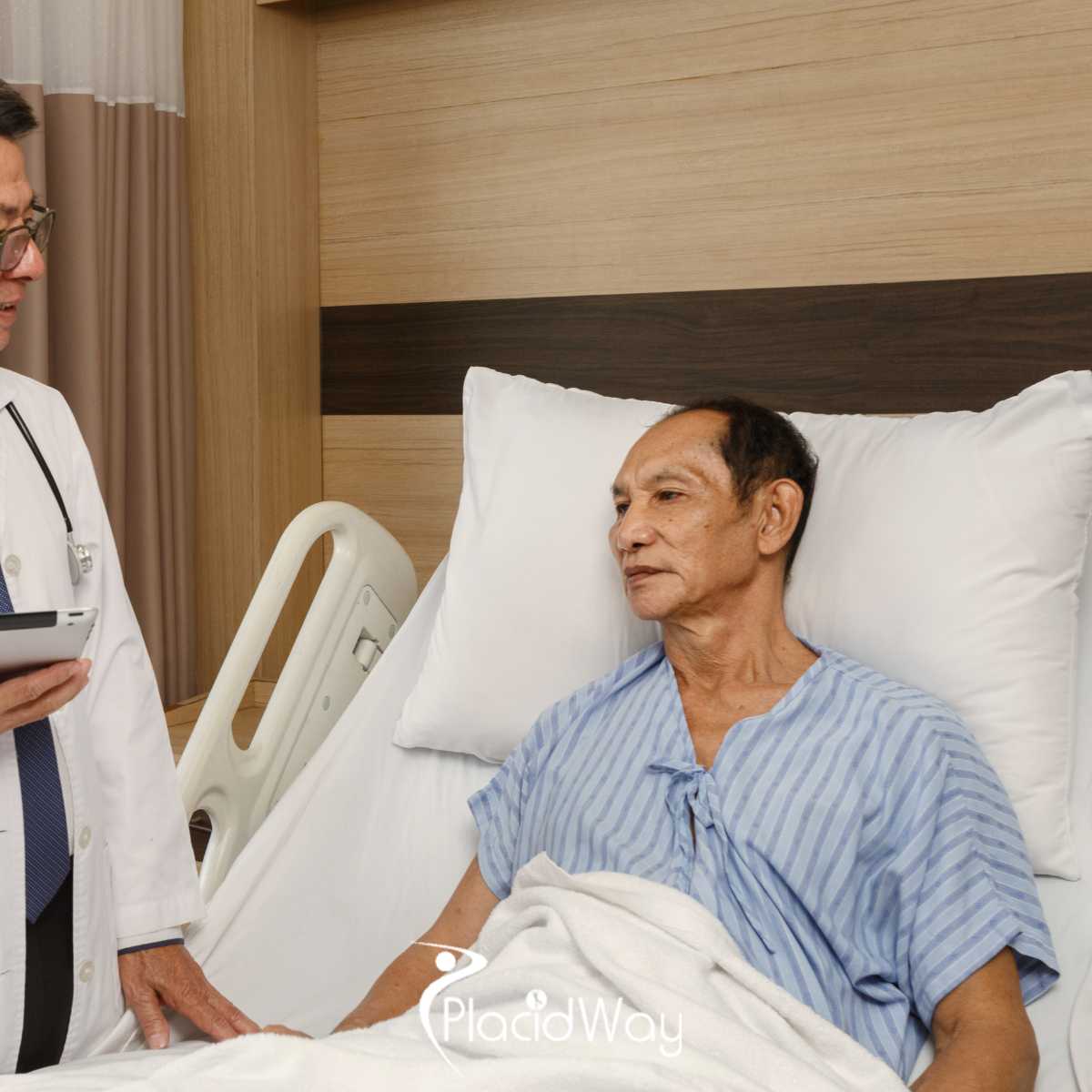
Upon arrival at the medical facility, patients are welcomed into environments that resemble luxury boutique hotels rather than sterile, clinical hospitals. Healing spaces are designed with natural light, comfortable lounges, and on-site organic kitchens that prepare highly specialized, anti-inflammatory meals tailored to the patient's specific metabolic needs. Throughout their stay, patients are closely monitored by a compassionate staff that provides 24/7 nursing support. By enveloping the patient in a holistic ecosystem of advanced medicine, emotional support, and absolute comfort, Tijuana has solidified its reputation as the premier global destination for alternative, life-extending cancer care.




.png)
.png)

.png)














Share this listing