


Canadians Escape Waitlists for Stem Cells in Mexico

Canadian patients enduring record-breaking orthopedic waitlists are fueling a massive surge in stem cell therapy in Tijuana. This cross-border medical tourism trend offers a highly effective joint replacement alternative, delivering rapid, minimally invasive relief for chronic pain.
The Canadian Healthcare Crisis: Escalating Orthopedic Wait Times
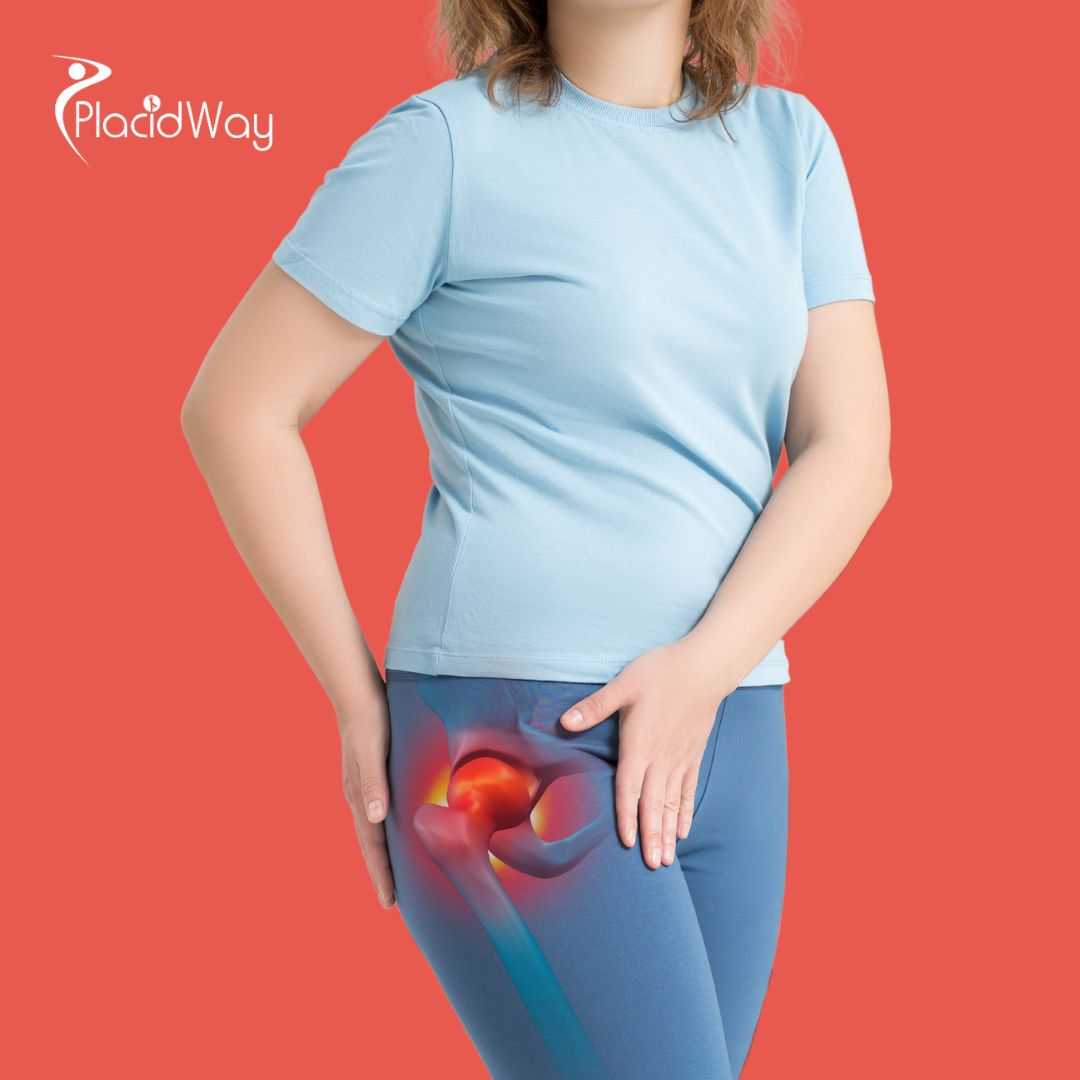
The foundational pillar of the Canadian healthcare system—universal access to medical treatment—is currently buckling under the immense pressure of an aging population and severe systemic backlogs. For patients suffering from severe osteoarthritis, degenerative disc disease, and generalized joint deterioration, the promise of free healthcare often translates into agonizingly prolonged periods of suffering. Wait times for elective, yet highly necessary, orthopedic procedures such as total knee arthroplasty and hip replacements have skyrocketed across provinces, leaving millions of citizens trapped in a debilitating holding pattern. These extended delays force patients to endure chronic pain, significantly diminishing their quality of life and accelerating the physical deterioration of surrounding musculoskeletal structures.
This extensive bottleneck has created a desperate landscape where conservative treatments, such as cortisone injections and intensive physical therapy, eventually fail to provide adequate symptom management. As the cartilage continues to degrade and bone-on-bone friction intensifies, patients are faced with the grim reality of waiting months, or sometimes over a year, just for an initial surgical consultation, followed by another extensive wait for the actual operating room date. Faced with declining mobility, prolonged reliance on potent pharmaceutical painkillers, and the threat of permanent disability, a rapidly expanding demographic of proactive Canadians is seeking immediate, privatized intervention. Consequently, the pursuit of an effective joint replacement alternative in Mexico has transformed from a niche medical tourism concept into a mainstream healthcare strategy.
Did You Know? The economic burden of waiting for joint replacement surgery in Canada is immense. Studies indicate that patients awaiting orthopedic interventions suffer billions in lost wages and out-of-pocket expenses for pain management, private physiotherapy, and mobility aids while trapped on provincial surgical waitlists.
Understanding Stem Cell Therapy as a Joint Replacement Alternative
Regenerative medicine has fundamentally revolutionized the traditional approach to orthopedic deterioration. Rather than accepting the inevitable fate of major invasive surgery—which involves amputating the diseased joint and implanting prosthetic metal and plastic components—stem cell therapy focuses on harnessing the human body’s intrinsic healing mechanisms. By isolating, expanding, and precisely injecting high concentrations of Mesenchymal Stem Cells (MSCs) directly into the damaged articular capsule, medical professionals can successfully alter the microenvironment of the deteriorating joint. These powerful biological agents work by dramatically reducing chronic inflammation, modulating the localized immune response, and actively stimulating the regeneration of damaged chondrocytes (cartilage cells).
The clinical contrast between a total joint replacement and regenerative cellular therapy is striking, making the latter an incredibly appealing alternative for medical tourists. Traditional arthroplasty requires general anesthesia, extensive bone resection, significant blood loss, and a grueling, months-long postoperative rehabilitation period heavily reliant on opioids. Furthermore, synthetic joints possess a finite lifespan and carry inherent risks of severe complications, including deep vein thrombosis, prosthetic loosening, and devastating hospital-acquired infections. Conversely, stem cell treatment for knees in Mexico is typically performed as a minimally invasive, same-day outpatient procedure utilizing local anesthesia. Patients frequently experience rapid reductions in localized pain and inflammation, allowing them to return to their baseline activities with their original biological joints fully preserved.
Why Tijuana Has Become the Global Hub for Regenerative Medicine
Geographically positioned immediately adjacent to the international border of San Diego, California, Tijuana has evolved into one of the most sophisticated medical tourism ecosystems on the planet. The city has strategically invested billions of dollars into developing state-of-the-art medical towers, luxury recovery boutiques, and technologically advanced biomedical laboratories. This metropolitan hub caters specifically to North American patients, offering bilingual medical staff, concierge-level ground transportation, and specialized medical fast-pass border crossing lanes. The unparalleled convenience allows Canadian patients to fly directly into the San Diego International Airport, where they are seamlessly transported to world-class regenerative clinics within a matter of minutes.
This geographical and structural advantage is magnified by the presence of internationally renowned cellular research and treatment facilities. Top-tier clinical environments, such as the Immunity Therapy Center in Tijuana, Mexico, represent the absolute gold standard of this cross-border healthcare movement. By combining customized alternative medicine protocols with highly concentrated, ethically sourced stem cell applications, these modern clinics provide comprehensive cellular healing strategies that are entirely unavailable in the heavily restricted public healthcare systems of Canada. The sheer volume of successful, high-density cellular treatments performed in this region has cemented its reputation as the premier destination for orthopedic tissue regeneration.
Comparing the Costs: Stem Cell Treatment in Mexico vs. North American Options
When Canadians investigate private healthcare options to bypass their domestic waitlists, they are routinely shocked by the exorbitant pricing models present in the United States. Even for basic, unexpanded cellular injections, private American clinics often charge astronomical fees, driven by immense overhead, liability insurance, and predatory pricing structures. Because these treatments are universally classified as elective and experimental by major health insurance conglomerates, patients are entirely responsible for the massive out-of-pocket expenses.
By shifting their focus to the burgeoning medical tourism market in Baja California, patients unlock an extraordinary value proposition. The lower cost of administrative overhead and specialized laboratory maintenance in Mexico allows clinics to offer significantly higher cellular doses—often providing tens of millions of expanded live mesenchymal stem cells—at a mere fraction of the North American cost. This transparent pricing model not only includes the biological treatment but frequently bundles luxury accommodations, private transportation, and specialized holistic therapies into one comprehensive, highly affordable package.
Advanced Cellular Technologies Available South of the Border
The scope of regenerative medicine for knees in Tijuana extends far beyond simple injections. The leading clinics utilize highly sophisticated, multidisciplinary biological protocols specifically tailored to the unique severity of each patient's joint deterioration. Because the regional medical regulations permit the clinical expansion of cellular material in highly controlled laboratory environments, patients receive remarkably potent, customized therapies that yield vastly superior clinical outcomes compared to standard procedures. Medical tourists traveling for osteoarthritis stem cell relief in Mexico can expect access to a distinct portfolio of advanced techniques:
- Wharton’s Jelly Derived MSCs: Sourced ethically from donated human umbilical cords, these hyper-potent, young stem cells boast unparalleled replication rates and possess massive anti-inflammatory capabilities perfectly suited for severely degraded joints.
- Autologous Adipose-Derived Stem Cells: Harvesting the patient’s own fat tissue via a mini-liposuction procedure, processing the stromal vascular fraction, and yielding a robust matrix of cells that naturally promote cartilage matrix synthesis.
- Bone Marrow Aspirate Concentrate (BMAC): Extracting marrow from the iliac crest to isolate potent hematopoietic and mesenchymal cells, highly effective for fusing complex bone defects and stimulating profound orthopedic repair.
- Synergistic Platelet-Rich Plasma (PRP): Often combined with stem cell infusions, highly concentrated PRP acts as a biological fertilizer, releasing crucial growth factors that direct the stem cells precisely where to heal and multiply.
- Fluoroscopic & Ultrasound Guided Delivery: Eliminating the guesswork of blind injections, elite cross-border specialists utilize real-time advanced imaging to ensure every single viable cell is deposited precisely into the microscopic fissures of the damaged cartilage.
"The mass exodus of Canadian patients seeking regenerative medicine abroad highlights a critical pivot in global healthcare consumerism. Patients are no longer willing to surrender their mobility and endure agonizing, multi-year waitlists for highly invasive joint replacements. They are taking control of their health by crossing borders to access highly advanced, minimally invasive stem cell therapies that are safely regulated and immediately available at a fraction of the domestic cost."
— Pramod Goel, CEO of PlacidWay
Safety, Regulation, and Medical Tourism Protocols in Mexico
A primary concern for any patient venturing outside their domestic healthcare system is the assurance of safety and strict medical regulation. Fortunately, the regenerative medicine sector in Mexico is highly organized and heavily overseen by COFEPRIS (The Federal Commission for the Protection against Sanitary Risk), which serves as the equivalent to Health Canada or the FDA. In fact, COFEPRIS has established highly progressive, scientifically sound regulatory frameworks that specifically authorize the cultivation and expansion of mesenchymal stem cells in tightly controlled, ISO-certified cleanroom laboratories. This progressive legal standing is precisely why cellular therapies south of the border are frequently more robust and effective than the legally restricted, unexpanded cell treatments available in North America.
Furthermore, elite clinics facilitating stem cell treatment in Mexico enforce extraordinarily rigid donor screening protocols. When utilizing allogeneic (donor-derived) umbilical cord cells, the biological material undergoes exhaustive serological testing for infectious diseases, chromosomal abnormalities, and cellular viability prior to ever being approved for therapeutic use. Board-certified specialists managing these cross-border facilities frequently hold parallel certifications from prominent international organizations, bringing global best practices, stringent sterilization techniques, and comprehensive adverse-event monitoring directly to the medical tourist’s bedside.
Did You Know? Because Mexican medical regulations actively allow for the advanced laboratory expansion of stem cells, a medical tourist in Tijuana can safely receive a targeted injection containing up to 50 million live, highly active mesenchymal stem cells, compared to the minor fraction of cells permitted under strict North American extraction guidelines.
The Patient Journey: From Chronic Joint Pain to Restored Mobility
The operational flow of acquiring a joint replacement alternative in Mexico is explicitly designed to minimize patient anxiety and maximize physical comfort. The journey typically begins with a comprehensive, secure telehealth consultation, allowing Canadian patients to submit their MRI scans and medical records to leading Mexican orthopedic and cellular specialists without leaving their homes. Once medical candidacy is confirmed, patients embark on a deeply curated travel experience. Upon landing in Southern California, dedicated clinical liaisons retrieve patients directly from the terminal, escorting them safely across the international border in private, climate-controlled medical shuttles directly to their luxury recovery suites.
The actual regenerative procedure is remarkably swift and highly systematic. Following a detailed in-person evaluation and blood panel analysis, the targeted cellular injections are administered within pristine clinical environments utilizing advanced image guidance. Because the procedure avoids large surgical incisions and bone trauma, there is virtually zero requirement for extended hospitalization. Patients routinely express sheer relief as the anti-inflammatory properties of the stem cells begin to take effect within days. Most medical tourists are medically cleared to fly back to Canada within 48 to 72 hours, returning home not to face months of agonizing physiotherapy, but rather to enjoy a progressively healing joint and an expedited return to an active, pain-free lifestyle.
Navigating Cross-Border Regenerative Medicine with PlacidWay
Despite the overwhelming clinical and financial advantages of seeking stem cell therapy in Tijuana, independently navigating the intricate landscape of international healthcare can present a daunting challenge. The digital space is frequently saturated with aggressive marketing campaigns and unverified clinics, making it difficult for vulnerable patients to discern legitimate, board-certified medical facilities from substandard providers. To guarantee safety, authenticity, and absolute price transparency, the utilization of a globally recognized medical tourism facilitator is an indispensable component of the modern cross-border healthcare journey.
PlacidWay serves as the ultimate authoritative bridge connecting desperate Canadian patients with the world’s most elite regenerative medicine specialists. By maintaining a fiercely vetted, carefully curated network of internationally accredited hospitals and clinics, PlacidWay eliminates the guesswork and risk associated with medical travel. Patients can easily browse verified provider profiles, read authentic patient testimonials, evaluate comprehensive all-inclusive pricing structures, and seamlessly coordinate their entire logistical itinerary through a single, secure platform. By leveraging this dedicated infrastructure, medical tourists can confidently bypass their domestic healthcare crisis and step boldly into a future defined by vibrant health, reclaimed mobility, and absolute peace of mind.


.png)

.png)


-(7).png)

-(3).png)
-(3).png)
-(8).png)
-(10).png)








Share this listing