


Contents
Choose Stem Cell Therapy for Parkinson's in Mexico - Affordable Brain Disorders Treatment
Parkinson’s disease is a relentless, progressive condition that deeply impacts a patient's independence and quality of life. For many individuals and their families, standard medications eventually fall short, leaving them searching beyond conventional boundaries for hope. Today, Mexico has emerged as a global beacon for regenerative medicine, offering highly advanced stem cell therapies that are transforming the landscape of neurological treatment. Patients from the United States, Canada, and Europe are increasingly traveling to Mexico to access cutting-edge protocols that are either unavailable, highly restricted, or prohibitively expensive in their home countries.
At its core, stem cell therapy for Parkinson's focuses on the root cause of the disease: the degeneration of dopamine-producing neurons in the brain. Top clinics in Mexico utilize robust protocols involving Mesenchymal Stem Cells (MSCs), primarily derived from ethically sourced umbilical cord tissue (Wharton's Jelly). These powerful cells are known for their profound anti-inflammatory, immunomodulatory, and neuroregenerative properties. When administered properly, they work to protect surviving neurons, stimulate the brain's natural healing mechanisms, and potentially slow the progression of the disease.
Choosing Mexico for this therapy means entering a progressive medical environment. The country's regulatory framework permits the clinical expansion and application of these vital cells in high dosages—a critical factor for treating complex neurological conditions that is often limited by the FDA in the United States. Furthermore, Mexican regenerative medicine centers operate with state-of-the-art laboratory standards, combining stem cell infusions with holistic therapies like hyperbaric oxygen therapy (HBOT) and specialized nutrition to maximize patient outcomes.
From the bustling, accessible border cities like Tijuana to the tranquil recovery environments of Cancun and Puerto Vallarta, Mexico offers a diverse range of world-class facilities. Whether you are seeking to reduce tremors, alleviate muscle rigidity, or regain energy and mobility, exploring stem cell therapy in Mexico is a proactive step toward reclaiming your life with the support of internationally trained, empathetic medical specialists.
Did You Know?
Mexico's progressive medical regulations allow for the cultivation of Mesenchymal Stem Cells to reach cell counts in the tens of millions—and sometimes hundreds of millions—per treatment. This high-dose expansion, vital for effectively crossing the blood-brain barrier and treating neurodegenerative diseases, is strictly regulated and highly restricted in the U.S. and Canada, making Mexico a necessary destination for optimal regenerative care.
Key Insights at a Glance
Clinics primarily utilize Wharton's Jelly-derived Mesenchymal Stem Cells (WJ-MSCs) for their superior vitality, immunomodulatory properties, and zero risk of rejection.
Patients routinely save 50% to 70% compared to equivalent private clinical trials and therapies available in the United States or Europe.
Expert neurologists employ precise administration methods, including intravenous (IV) and intrathecal (spinal) injections, to maximize delivery to the brain.
Top-tier facilities operate under strict compliance with COFEPRIS (Mexico's equivalent to the FDA), ensuring safe, sterile, and ethical cellular processing.
Treatments are rarely standalone; they are often combined with physical therapy, ozone therapy, and exosomes to create a robust healing environment.
Medical hubs like Tijuana, Cancun, and Monterrey feature direct flights from major North American airports, reducing travel stress for patients.
The "Medical Fast Lane" Advantage
If you choose a clinic in border cities like Tijuana or Los Algodones, you can take advantage of the special "Medical Fast Pass." This dedicated border lane allows medical tourists returning to the United States by car to bypass regular, hours-long traffic, crossing the border in a fraction of the time!
Affordable Packages for Parkinson's Treamtment Stem Cells in Mexico
Navigating treatment options for a complex neurological condition can be overwhelming, which is why comprehensive packages are highly sought after. In the section below, we have curated a selection of elite regenerative medicine clinics in Mexico that offer structured, all-inclusive packages for Parkinson’s disease. These bundles typically include pre-treatment medical evaluations, the stem cell infusions, specialized complementary therapies (like exosomes or IV nutrition), and sometimes airport transfers. Browse the available packages to find a protocol that provides the comprehensive care you deserve without hidden fees.
Note: Comprehensive packages ensure a holistic approach, surrounding your stem cell therapy with supportive treatments to maximize neurological benefits.

Price starting from $5,995
Stem Cell Therapy for Parkinson’s Disease Package in Guadalajara, Mexico by Instituto de Terapia Celular
Instituto de Terapia Celular - Stem Cell Guadalajara Mexico
- Stem Cell Therapy
Tijuana,Guadalajara, Mexico
.png)
Price starting from $7,500
Stem Cell Therapy for Parkinson in Mexico City Mexico at MexStemCells Clinic
MexStemCells Clinic
- Stem Cell Therapy
Mexico City, Mexico

Price starting from $6,995
Immunity Stem Cell Therapy for Parkinson’s Disease Package in Tijuana, Mexico
Regenerative Medicine - Stem Cells by ITC
- Stem Cell Therapy
Tijuana, Mexico
Price starting from $12,000
Stem Cell Therapy for Parkinson’s Disease Package in Guadalajara & Puerto Vallarta, Mexico by SPORTMED
Sportmed Centro Medico
- Stem Cell Therapy
Guadalajara,Puerto Vallarta, Mexico
Price starting from $5,000
Stem Cell Therapy for Parkinson’s Disease Package in Monterrey, Mexico by Stem Solutions
Stem Solutions
- Stem Cell Therapy
Monterrey,San Pedro Garza Garcia, Mexico
Cost of Parkinson's Disease Stem Cell Therapy in Mexico
Financial planning is a critical step in your medical journey, especially for therapies not typically covered by insurance. The table below provides a transparent look at the average costs for multi-day Parkinson's stem cell protocols in Mexico, compared against the exorbitant costs of experimental clinics in the U.S. While prices depend heavily on the number of stem cells administered (dosage) and the inclusion of adjunct therapies, this data will help you establish a realistic budget for your transformative care.
Tip: Always inquire about the exact cellular dosage (in millions) included in your quote, as this is the primary driver of treatment cost and effectiveness.
Stem Cell Treatment for Parkinsons Disease Centers Cost Comparison in Mexico
| Provider | Procedure | Price |
|---|---|---|
| MexStemCells Clinic | Stem Cell Treatment for Parkinsons Disease, Stem Cell Therapy | $7500 |
Stem Cell Treatment for Parkinsons Disease Cost Comparison in Mexico
| Country | Procedure | Price |
|---|---|---|
| United States | Stem Cell Treatment for Parkinsons Disease, Stem Cell Therapy | $25000 |
| Australia | Stem Cell Treatment for Parkinsons Disease, Stem Cell Therapy | $14000 |
Top Stem Cell Clinic in Mexico for Parkinson's Treatment
The success and safety of your treatment rely entirely on the medical center's protocols and laboratory standards. We have carefully selected a list of premier regenerative medicine centers across Mexico recognized specifically for their neurodegenerative treatment programs. These facilities are vetted for their adherence to COFEPRIS regulations, use of GMP-certified on-site or partnered laboratories, and modern clinical infrastructure. Explore their profiles below to learn about their unique clinical approaches to Parkinson's disease.
Safety First: Ensure the facility you choose uses highly regulated, third-party tested stem cells with a clear Certificate of Analysis (COA) for vitality.
MexStemCells Clinic
Mexico City, Mexico

Stem Health Guadalajara
Guadalajara, Mexico

VISANI® Stem Cells in Puebla, Mexico
Puebla, Mexico
Sportmed Centro Medico
Guadalajara,Puerto Vallarta, Mexico

Regenerative Medicine - Stem Cells by ITC
Tijuana, Mexico
LONVIDA - Regenerative Medicine in Mexico City
Mexico City, Mexico
Watch Videos about Brain Disorder Regenerative Medicine in Mexico
Neurological conditions can feel isolating, but hearing from those who have walked the same path can provide incredible clarity and hope. The video testimonials below feature real Parkinson's patients sharing their journeys to Mexico for stem cell therapy. Watch as they detail their pre-treatment struggles, the experience inside Mexican medical centers, and the real-world improvements they have witnessed in their motor functions, tremors, and daily energy levels.
Insight: Patient videos offer the most authentic look into the level of medical compassion and facility quality you can expect upon arrival.
Stem Cell Treatment for Parkinson's Disease in Mexico Reviews
Patient reviews serve as a crucial metric for evaluating the true quality of a clinic's care. In this section, you will find written feedback and ratings from international patients who sought Parkinson's treatment in Mexico. Read their detailed accounts regarding doctor-patient communication, clinical hygiene, post-treatment follow-up, and their satisfaction with the symptom relief achieved, helping you make a confident, informed decision.
Review Tip: Look closely at reviews that mention the clinic's ongoing support and communication months after the patient has returned home.

FAQs about Stem Cell Therapy for Parkinson's Disease in Mexico
What is the Average Price of Stem Cell Therapy for Parkinson's Disease in Mexico?
Stem cell therapy for Parkinson's Disease (PD) is an area of significant research and development within regenerative medicine, offering hope for managing symptoms and potentially slowing disease progression. Mexico, particularly clinics in popular medical tourism hubs like Tijuana, has become a destination for patients seeking these advanced, often investigational, treatments at a more accessible cost. What is the Average Price of Stem Cell Therapy for Parkinson's Disease in Mexico? "The average price of stem cell therapy for Parkinson's Disease in Mexico typically ranges from $8,000 to $15,000 USD per treatment session. This cost can vary significantly based on the type and quantity of stem cells used, the administration method (e.g., intravenous, intrathecal), the specific clinic's protocol, and any included complementary therapies or services." For example, some clinics offer protocols starting around $8,000 to $10,000 USD for a specific cell count and administration method. More comprehensive packages, involving higher doses of stem cells (e.g., 100 million or more), multiple types of cells, or additional supportive treatments like exosomes, PRP, or specific IV drips, might reach up to $15,000 USD or potentially slightly higher. As of June 2025, these prices represent a substantial saving compared to the United States or Canada, where similar investigational treatments, if available, could cost upwards of $20,000 to $50,000+ per session. What are the typical costs for a single session of stem cell therapy for Parkinson's Disease in Mexico? "The typical costs for a single session of stem cell therapy for Parkinson's Disease in Mexico generally fall between $8,000 and $15,000 USD, with pricing influenced by the specific type and concentration of stem cells and the complexity of the treatment protocol." The cost of stem cell therapy for Parkinson's Disease in Mexico reflects the individualized nature of these advanced treatments. Here's a general breakdown: Standard Protocols (e.g., IV administration with standard cell count): You might find treatments starting from $8,000 to $10,000 USD. These usually involve a defined number of Mesenchymal Stem Cells (MSCs), often derived from umbilical cord tissue, administered intravenously. This is often the starting point for patients seeking general neurological support. Higher-Dose or Combination Protocols: As the number of stem cells administered increases (e.g., 50 million, 100 million, or more), or if the treatment involves additional components like exosomes (extracellular vesicles with regenerative properties), Platelet-Rich Plasma (PRP), or specific neurotrophic factors, the price can increase to $10,000 to $15,000 USD. These higher doses or combinations may be recommended for more advanced stages of PD or for patients seeking more intensive treatment. Advanced Administration Routes: While less common, if a clinic offers more invasive administration methods (e.g., intrathecal injection into the spinal fluid, which aims for closer delivery to the central nervous system), the cost would typically be on the higher end of the spectrum due to increased complexity and specialized expertise required. The exact cost will always be determined after a thorough medical evaluation by the clinic's specialists, who will then design a personalized treatment plan. Why is stem cell therapy for Parkinson's Disease more affordable in Mexico? "Stem cell therapy for Parkinson's Disease is more affordable in Mexico primarily due to lower operational costs for specialized clinics, reduced labor wages for highly skilled medical professionals, and a more favorable regulatory environment for regenerative therapies compared to the United States, allowing for significant cost savings for patients." The substantial cost advantage of seeking stem cell therapy for Parkinson's Disease in Mexico (often saving 50% to 70% compared to equivalent treatments in the US) is a major draw. This affordability stems from economic differences, rather than a compromise on the quality of care or the stem cells themselves at reputable clinics: Lower Overhead Costs: The operational expenses for medical facilities in Mexico, including rent for clinics, utilities, medical supplies, and general administrative costs, are considerably lower than in the US or Canada. Reduced Labor Wages: While Mexican medical specialists, including neurologists, stem cell therapists, nurses, and lab technicians, are highly trained and experienced, their salaries are significantly lower than what their counterparts earn in North America. This significantly reduces the overall cost of providing the therapy. Regulatory Framework: As of June 2025, the regulatory landscape for stem cell therapies in Mexico, overseen by COFEPRIS (Mexico's equivalent of the FDA), allows for broader and more accessible applications of regenerative treatments than in the US. In the US, many stem cell therapies for neurological conditions like PD are still considered investigational and can only be accessed through costly clinical trials or under specific, limited exemptions. This regulatory difference reduces development and operational costs for Mexican clinics. Favorable Exchange Rates: The purchasing power of the US dollar against the Mexican Peso further enhances affordability for international patients. Competitive Market: Mexico's robust medical tourism sector, particularly in cities like Tijuana and Guadalajara, fosters competition among specialized clinics, encouraging them to offer attractive pricing for advanced therapies. These combined factors enable reputable Mexican clinics to provide cutting-edge stem cell therapy for Parkinson's Disease at a fraction of the cost seen in many other countries. What types of stem cells are used for Parkinson's Disease treatment in Mexico? "For Parkinson's Disease treatment in Mexico, clinics primarily utilize Mesenchymal Stem Cells (MSCs), most commonly derived from umbilical cord tissue (Wharton's Jelly), but also from adipose (fat) tissue or bone marrow, due to their neuroprotective, anti-inflammatory, and immunomodulatory properties." MSCs are the most prevalent type of stem cell employed in regenerative medicine for neurological conditions like Parkinson's Disease. They are multipotent cells that can differentiate into various cell types and exert therapeutic effects through several mechanisms: Neuroprotection: MSCs can release growth factors and other molecules that help protect existing dopamine-producing neurons from further degeneration. Anti-inflammation: They possess powerful anti-inflammatory properties that can reduce neuroinflammation in the brain, which is implicated in PD progression. Immunomodulation: MSCs can modulate the immune system, potentially calming autoimmune responses that may contribute to neuronal damage. Trophic Support: They secrete factors that promote tissue repair and regeneration. Common sources for MSCs in Mexico include: Umbilical Cord Tissue-Derived MSCs: These are "allogeneic" (donor-derived) and are a preferred source due to their abundance of young, potent, and ethically sourced cells. They are considered immune-privileged, reducing the risk of rejection. Adipose-Derived Stem Cells (ADSCs): These are usually "autologous" (from the patient's own fat tissue) or, less commonly, allogeneic. They are harvested via liposuction, processed, and then re-administered. Bone Marrow-Derived Stem Cells (BMSCs): Also autologous, harvested from the patient's bone marrow. While effective, harvesting is more invasive and cell potency can decrease with age. The specific type, source, and quantity of MSCs used will be determined by the clinic's protocol and the patient's individual neurological assessment. What is typically included in the price of stem cell therapy packages for Parkinson's Disease in Mexico? "The price of stem cell therapy packages for Parkinson's Disease in Mexico typically includes the initial medical consultation, the cost of stem cells (sourcing and processing), administration of cells (e.g., IV, intrathecal), and immediate post-treatment monitoring, with some clinics offering additional supportive therapies or logistics." When considering stem cell therapy for Parkinson's Disease in Mexico, it's crucial to obtain a detailed, itemized quote to understand exactly what is covered in the package. Reputable clinics typically offer comprehensive services: Medical Consultation: This involves a thorough review of your medical history, current PD symptoms, diagnostic imaging (MRI, PET scans), and a neurological evaluation to assess your suitability and create a personalized treatment plan. This may include remote initial consultations. Stem Cell Sourcing and Preparation: The cost of acquiring the specific type and quantity of stem cells (e.g., from a certified umbilical cord bank) and the sophisticated laboratory processing to ensure cell viability and purity. Administration of Cells: The cost associated with the chosen delivery method, whether it's intravenous (IV) infusion, intrathecal injection (into the spinal fluid), or a combination of approaches. Post-Treatment Monitoring: Immediate observation and care after the procedure to monitor for any adverse reactions and ensure patient stability. Medical Team Fees: Fees for the specialized neurologists, stem cell therapists, nurses, and technicians involved in your treatment. Medications: Initial medications administered during the treatment process. Logistical Support (Varies by clinic): Some comprehensive packages may include ground transportation from the border or airport to the clinic/hotel, and even accommodation for a few nights. What is often not included and should be budgeted separately: Extensive Pre-treatment Diagnostics: While some basic labs might be included, specialized neurological assessments or advanced imaging (e.g., functional MRI) might be extra if not already completed. Additional Therapies: Complementary treatments like exosomes, NAD+ IV drips, hyperbaric oxygen therapy (HBOT), or specific physical/occupational therapy sessions might be offered as add-ons. Multiple Sessions: If a series of treatments is recommended for sustained benefits, each session will typically be a separate cost. Travel and Accommodation: Unless explicitly stated in a premium package, flights, hotel stays, local transportation beyond clinic transfers, and meals are separate expenses. Long-term Follow-up: While immediate post-treatment contact is usually provided, long-term neurological monitoring by the clinic or your local neurologist is typically not included. Always request an itemized quote to ensure full transparency and avoid any unexpected expenses. What factors influence the total cost of stem cell therapy for Parkinson's Disease in Mexico? "The total cost of stem cell therapy for Parkinson's Disease in Mexico is primarily influenced by the type and quantity (number of cells) of stem cells used, the administration method, the number of treatment sessions, the clinic's reputation and specialization, and any complementary therapies included in the protocol." The personalized nature of stem cell therapy means that the final cost can vary significantly. Key factors impacting the price include: Stem Cell Type and Quantity: Umbilical cord-derived MSCs are generally more expensive due to their sourcing from licensed banks and processing. Higher cell counts (e.g., 100 million+ cells per dose) are typically associated with higher costs, as they involve more complex lab work and sourcing. Administration Method: Simple intravenous (IV) infusions are usually less expensive than intrathecal (spinal fluid) injections, which require specialized training and equipment for precise delivery to the central nervous system. Number of Treatment Sessions: Many protocols for chronic neurological conditions like PD recommend multiple sessions over time (e.g., annually, bi-annually, or a series over a few weeks) for potential cumulative or sustained benefits. Each additional session will increase the overall cost. Clinic Reputation and Medical Team: Highly renowned clinics with advanced research capabilities, state-of-the-art facilities, and leading neurologists or regenerative medicine specialists will likely charge more for their expertise and infrastructure. Complementary Therapies: Many clinics offer integrated treatment plans that combine stem cell therapy with other modalities like exosome therapy, NAD+ IV drips, neurorehabilitation programs, or hyperbaric oxygen therapy, which will add to the total cost. Pre- and Post-Treatment Diagnostics: Comprehensive neurological assessments, advanced imaging (MRI, PET scans), or long-term biomarker testing might be an additional cost if not specifically bundled. A detailed discussion with the clinic about your specific condition and their recommended protocol is essential to get an accurate cost estimate. How does the pricing of stem cell therapy for Parkinson's Disease in Mexico compare internationally? "The pricing of stem cell therapy for Parkinson's Disease in Mexico is significantly lower compared to countries like the United States and parts of Europe, where similar investigational treatments, if available, can cost anywhere from $20,000 to $50,000 USD or more per session." The cost differential makes Mexico a highly attractive option for patients worldwide: United States: As of June 2025, many stem cell therapies for neurological conditions like PD are considered investigational by the FDA. Access is typically limited to clinical trials (which may have costs or be covered by grants) or specific, often very expensive, unapproved clinics operating under limited exemptions. A single session, if offered outside of a trial, could be in the range of $20,000 to $50,000+ USD. Europe: Prices in some European countries (e.g., Germany, Switzerland) for advanced regenerative therapies can also be substantial, often ranging from €15,000 to €40,000+ per treatment. Other Medical Tourism Hubs: While other countries like Panama or Costa Rica also offer stem cell therapies, Mexico, particularly its border cities like Tijuana, remains extremely competitive, especially for North American patients due to its convenient proximity. The lower pricing in Mexico allows more individuals to access these potentially life-improving stem cell treatments for Parkinson's Disease. Is stem cell therapy for Parkinson's Disease covered by insurance in Mexico or my home country? "No, stem cell therapy for Parkinson's Disease is generally not covered by standard health insurance in Mexico, the United States, Canada, or most other countries, as it is primarily considered an experimental or investigational therapy by major regulatory bodies." As of June 2025, patients considering stem cell therapy for Parkinson's Disease should anticipate paying the full cost out-of-pocket. Here's why insurance typically doesn't provide coverage: Investigational Status: Most insurance companies adhere to the guidelines of regulatory bodies (like the FDA in the US, Health Canada) which classify these treatments as investigational. Until they receive full approval as standard medical practice for Parkinson's Disease with extensive, long-term efficacy and safety data, insurance coverage is highly unlikely. Lack of Definitive Clinical Trial Data: Insurers typically require robust, large-scale, placebo-controlled clinical trial data demonstrating clear long-term efficacy and safety for specific indications before they will cover a treatment. This data is still being gathered for stem cell therapy in PD. Off-Label Use: Even if stem cells are approved for certain orthopedic or blood conditions, their use for neurological conditions like PD is considered "off-label" and therefore not covered. Elective Nature: From an insurance perspective, many experimental treatments are deemed elective or non-essential, falling outside of standard coverage. Out-of-Network/Out-of-Country: Even if a plan had some experimental coverage, it would likely not extend to treatment obtained in a foreign country or from providers not in their network. While Flexible Spending Accounts (FSAs) or Health Savings Accounts (HSAs) in the US might be used for these expenses, it's crucial for patients to confirm eligibility with their plan administrator directly. How to find a reputable clinic for stem cell therapy for Parkinson's Disease in Mexico? "To find a reputable clinic for stem cell therapy for Parkinson's Disease in Mexico, prioritize clinics with board-certified neurologists and regenerative medicine specialists, transparent pricing, verifiable cell quality and sourcing, strong patient testimonials, and clear communication regarding treatment protocols and realistic expectations." Choosing a reputable clinic is paramount for safety and potential efficacy when dealing with a complex neurological condition like Parkinson's Disease. Here's a checklist for thorough vetting: Medical Team Credentials: Ensure the doctors overseeing and administering the treatment are board-certified in relevant specialties (e.g., Neurology, Internal Medicine, Regenerative Medicine) and have specific experience with stem cell applications for neurological disorders. Transparency in Stem Cell Sourcing and Processing: This is critically important. Ask about the source of their stem cells (e.g., accredited umbilical cord tissue banks, in-house adipose/bone marrow processing labs), how they are processed, and if they provide Certificates of Analysis (COAs) for cell count, viability, and purity for each batch. Clinic Licensing and Accreditations: Verify that the clinic is fully licensed by the Mexican Ministry of Health (COFEPRIS). While international accreditation (like JCI) is less common for specialized stem cell clinics, it's a strong indicator of quality if present. Detailed Treatment Protocols: The clinic should provide a clear, individualized treatment plan based on your specific PD stage, explaining the rationale, dosage, administration routes, expected outcomes (realistic), and potential risks. Realistic Expectations: Be wary of clinics that make exaggerated claims or promise "cures." Reputable clinics will emphasize the investigational nature of the treatment and manage expectations responsibly, focusing on symptom management and potential disease modification rather than a full cure. Patient Testimonials and Reviews: Look for consistent positive feedback on independent platforms. Inquire if they can connect you with past patients (while respecting privacy). Communication: Ensure staff are multilingual and provide clear, prompt, and empathetic communication. Facility Standards: Ask for photos or virtual tours of their lab (if they process in-house) and treatment facilities to assess cleanliness and professionalism. Emergency Protocols: Inquire about their emergency preparedness and access to hospital facilities if needed. Thorough research, direct communication, and a healthy dose of skepticism are key to making a safe and informed decision about stem cell therapy for Parkinson's Disease in Mexico. Ready to explore potential innovative therapies for Parkinson's Disease? Visit PlacidWay to discover world-class medical tourism options and connect with trusted providers offering high-quality, affordable stem cell treatment for Parkinson's Disease in Mexico.
What is the Average Price of Stem Cell Treatment for Parkinsons Disease in Tijuana, Mexico?
Welcome to a detailed look at stem cell treatment for Parkinson's Disease in Tijuana, Mexico. This progressive neurological condition affects millions worldwide, and many are exploring advanced therapies like stem cells to manage symptoms and potentially slow disease progression. Tijuana, Mexico, has emerged as a prominent destination for medical tourism, offering competitive pricing and often innovative approaches to treatment. This blog post aims to answer your most pressing questions about the average price of stem cell treatment for Parkinson's Disease in Tijuana, along with other crucial considerations, providing you with clear, direct answers followed by in-depth explanations. What is the average price of stem cell treatment for Parkinson's Disease in Tijuana, Mexico? "The average price of stem cell treatment for Parkinson's Disease in Tijuana, Mexico, typically ranges from $8,000 to $15,000 USD, though some packages can go as low as $4,900 or as high as $25,000, depending on the clinic, the type and number of stem cells used, and the comprehensiveness of the package." The cost of stem cell therapy for Parkinson's Disease in Tijuana can vary significantly based on several factors. Clinics in Tijuana offer a range of treatment protocols, from those focusing on a single, targeted infusion to more extensive programs involving multiple sessions, different types of stem cells (e.g., mesenchymal, umbilical cord-derived), and adjunctive therapies. The quoted price often includes not only the stem cell infusions but also consultations, medical evaluations, and sometimes even ground transportation and accommodation. It's crucial for patients to obtain a detailed breakdown of what is included in their chosen package to avoid any hidden costs. Why is stem cell treatment for Parkinson's Disease often more affordable in Tijuana than in other countries? "Stem cell treatment for Parkinson's Disease is often more affordable in Tijuana, Mexico, due to lower operating costs, reduced administrative overhead, and a competitive medical tourism market compared to countries like the United States, Canada, or Europe." The economic landscape in Mexico allows medical facilities to offer services at a fraction of the cost found in many Western nations. This includes lower labor costs for medical staff, less expensive facility upkeep, and a different regulatory environment that can reduce the overall cost of treatments. Additionally, Tijuana's proximity to the United States makes it an attractive and accessible option for patients seeking advanced stem cell therapies at a more budget-friendly price, leading to a competitive market among clinics vying for international patients. This competitive environment can drive prices down further while maintaining, and often exceeding, international standards of care. What types of stem cells are typically used for Parkinson's Disease treatment in Tijuana? "For Parkinson's Disease treatment in Tijuana, clinics commonly use mesenchymal stem cells (MSCs), often derived from umbilical cord tissue, adipose (fat) tissue, or bone marrow, due to their regenerative and anti-inflammatory properties." Mesenchymal stem cells (MSCs) are multipotent stromal cells that can differentiate into various cell types and secrete bioactive molecules that promote tissue repair and modulate immune responses. These characteristics make them a promising candidate for treating neurodegenerative conditions like Parkinson's Disease. Umbilical cord-derived MSCs are particularly favored by some clinics in Tijuana because they are ethically sourced, readily available, and generally considered to have high potency and a low risk of immune rejection. The source of the stem cells can influence the treatment protocol and, subsequently, the overall cost. How many stem cell sessions are typically required for Parkinson's Disease in Tijuana? "The number of stem cell sessions required for Parkinson's Disease in Tijuana varies widely based on individual patient needs, the severity of the condition, and the clinic's specific treatment protocol, but often involves one to several infusions over a period." Some patients may undergo a single intensive treatment, while others might receive a series of infusions spaced out over weeks or months. The exact regimen is determined after a thorough medical evaluation by the treating physician, who assesses the patient's current health status, the progression of Parkinson's Disease, and their response to initial treatments. Clinics will usually outline the proposed number of sessions during the initial consultation, which will directly impact the total cost of stem cell treatment. What is included in a typical stem cell treatment package for Parkinson's Disease in Tijuana? "A typical stem cell treatment package for Parkinson's Disease in Tijuana often includes the initial consultation, medical evaluations (e.g., blood tests, imaging), the stem cell infusions themselves, and post-treatment follow-up, with some comprehensive packages also covering ground transportation and accommodation." Beyond the core stem cell administration, many clinics aim to provide a holistic experience. This can include detailed pre-treatment assessments to tailor the therapy to the patient's specific needs, the necessary lab work to ensure safety and effectiveness, and structured follow-up care to monitor progress. Some higher-end packages may even provide VIP transfers from the San Diego border or local airports and include hotel stays, enhancing the overall patient experience and convenience. Always confirm the exact inclusions with the clinic before committing to a treatment. Are there any hidden costs associated with stem cell treatment in Tijuana? "While many clinics strive for transparency, potential hidden costs for stem cell treatment in Tijuana can include additional diagnostic tests not initially quoted, medications, unforeseen complications, or personal expenses like extended accommodation and meals." To avoid unexpected expenses, it's essential to have a clear and detailed treatment plan and cost breakdown from the clinic. Inquire about all potential fees, including those for pre-treatment screenings, post-treatment medications, and any follow-up care beyond the initial package. Clarifying whether consultations are included in the overall price or are a separate fee is also important. Patients should budget for travel, accommodation, and personal expenses, as these are typically not part of the medical treatment cost unless explicitly stated in an all-inclusive package. How does the type of stem cell affect the price of Parkinson's Disease treatment? "The type of stem cell used significantly impacts the price of Parkinson's Disease treatment because different cell sources (e.g., umbilical cord, adipose, bone marrow) involve varying collection, processing, and application complexities, affecting the overall cost." For instance, umbilical cord-derived stem cells are often sourced from accredited labs and may involve higher acquisition costs due to their processing and quality control. Adipose-derived stem cells require a mini-liposuction procedure, which adds to the procedural cost. Bone marrow-derived stem cells involve a bone marrow aspiration. Each method has its own set of equipment, personnel, and lab processing expenses, which are reflected in the final price of the stem cell treatment for Parkinson's Disease. The quantity and viability of the stem cells administered also play a role in pricing. Is stem cell treatment for Parkinson's Disease covered by insurance in Tijuana? "Generally, stem cell treatment for Parkinson's Disease is not covered by insurance in Tijuana, as most private and public insurance providers consider it experimental or investigational for this condition, regardless of location." Because stem cell therapy for Parkinson's Disease is still largely considered an experimental or unproven treatment by many mainstream medical organizations and insurance companies, it typically falls outside of standard coverage. Patients should be prepared to pay for the treatment out-of-pocket. It is always advisable to check directly with your insurance provider regarding their specific policies on stem cell therapies to confirm any potential exceptions or reimbursements for related medical expenses, though full coverage for the stem cell treatment itself is unlikely. What is the success rate of stem cell treatment for Parkinson's Disease in Tijuana? "The reported success rate of stem cell treatment for Parkinson's Disease in Tijuana varies, with many clinics reporting positive outcomes such as improved motor function and reduced symptoms; however, it's important to note that rigorous, large-scale clinical trials are still ongoing, and results can differ significantly among individuals." While many patients report anecdotal improvements in their Parkinson's Disease symptoms after stem cell therapy, defining a definitive "success rate" is challenging due to the variability in treatment protocols, patient conditions, and the absence of standardized outcome measures across all clinics. Reputable clinics will discuss realistic expectations and the potential for symptom management rather than a cure. It is crucial for patients to understand that stem cell treatment aims to improve quality of life and potentially slow disease progression, not necessarily to reverse the condition entirely. What should I consider when choosing a clinic for stem cell treatment in Tijuana? "When choosing a clinic for stem cell treatment in Tijuana, consider the clinic's accreditations, the qualifications and experience of its medical staff, the transparency of its pricing, patient testimonials, and the specific stem cell protocols offered for Parkinson's Disease." Thorough research is paramount. Look for clinics with international accreditations or affiliations that demonstrate adherence to high standards of medical care and safety. Inquire about the doctors' credentials, their experience with Parkinson's Disease, and their expertise in stem cell therapies. Transparency in cost and treatment plans is a good indicator of a trustworthy clinic. Reading patient reviews and, if possible, speaking with former patients can provide valuable insights. Also, understand the type of stem cells used, their sourcing, and the method of administration to ensure it aligns with your preferences and needs. How long is the recovery period after stem cell treatment for Parkinson's Disease? "The recovery period after stem cell treatment for Parkinson's Disease is generally minimal, as the procedures are typically non-surgical or minimally invasive, allowing most patients to resume normal activities within a few days, though the therapeutic effects may take weeks or months to become noticeable." Most stem cell treatments involve intravenous infusions or localized injections, which do not require extensive downtime. Patients may experience minor side effects at the injection site or mild flu-like symptoms for a day or two. The actual regenerative process of the stem cells within the body is gradual, meaning that any symptomatic improvements in Parkinson's Disease may not be immediately apparent. Consistent follow-up and adherence to post-treatment recommendations from the clinic are important for optimal outcomes. What are the potential risks and side effects of stem cell treatment for Parkinson's Disease? "The potential risks and side effects of stem cell treatment for Parkinson's Disease are generally low but can include infection at the injection site, allergic reactions, temporary flu-like symptoms, or, in rare cases, unexpected cellular growth or immune responses." While serious complications are uncommon, it's crucial to be aware of them. Reputable clinics follow stringent safety protocols to minimize risks, including screening patients for suitability, using sterile techniques, and employing high-quality stem cell products. Discussing potential side effects and complications with your physician before treatment is essential to ensure you are fully informed and comfortable with the procedure. The source and processing of the stem cells also influence the safety profile. What kind of improvements can be expected from stem cell treatment for Parkinson's Disease? "Patients undergoing stem cell treatment for Parkinson's Disease may experience improvements in motor symptoms such as tremors, rigidity, and bradykinesia, as well as non-motor symptoms like sleep disturbances, fatigue, and cognitive function, leading to an enhanced quality of life." It's important to set realistic expectations. Stem cell therapy for Parkinson's Disease is often aimed at managing symptoms and potentially slowing disease progression rather than providing a complete cure. The degree of improvement can vary significantly from person to person. While some patients report substantial benefits, others may experience more subtle changes. Improvements are typically gradual and may require sustained effort through continued physical therapy and lifestyle adjustments alongside the stem cell treatment. What is the legal and regulatory status of stem cell treatment in Tijuana, Mexico? "The legal and regulatory status of stem cell treatment in Tijuana, Mexico, is generally more permissive than in some other countries, with clinics operating under federal health regulations, though oversight can vary, making it crucial for patients to choose well-established and reputable facilities." Mexico has a legal framework that allows for the use of certain stem cell therapies, particularly those using adult stem cells or ethically sourced umbilical cord stem cells, provided clinics adhere to specific health and safety guidelines. This contrasts with stricter regulations in countries like the United States, where many stem cell treatments for Parkinson's Disease are still limited to clinical trials. Patients should ensure that the clinic they choose is fully licensed and adheres to national and international standards to ensure the safety and legality of their stem cell treatment experience. Are there specific follow-up care requirements after stem cell treatment for Parkinson's Disease? "Specific follow-up care requirements after stem cell treatment for Parkinson's Disease can include ongoing physical therapy, medication management, lifestyle adjustments, and periodic check-ups with the treating clinic to monitor progress and adjust the care plan as needed." Post-treatment care is vital for maximizing the potential benefits of stem cell therapy. Clinics in Tijuana will typically provide guidelines for activities to avoid, dietary recommendations, and a schedule for follow-up consultations. These follow-ups may be conducted remotely or require return visits. Adherence to these recommendations helps to support the body's healing process and optimize the integration and effects of the stem cells, contributing to sustained improvements in Parkinson's Disease symptoms. Explore PlacidWay for solutions related to medical tourism and healthcare services for advanced treatments like stem cell therapy.
What is the cost of Stem Cell Treatment for Parkinson's Disease in Mexico City, Mexico?
The cost of Stem Cell Treatment for Parkinson's Disease in Mexico City typically ranges from $6,000 to $12,000 USD. It is a safe, highly regulated procedure performed by board-certified neurologists in modern, accredited facilities, offering patients significant savings without compromising medical excellence. Key Takeaways: Parkinson's Stem Cell Therapy Significant Savings: Patients can save up to 70% compared to North American and European pricing, making innovative treatments highly accessible. Advanced Regenerative Science: Treatments focus on utilizing Mesenchymal Stem Cells (MSCs) to reduce neuroinflammation and promote the repair of dopaminergic neurons. Strict Safety Protocols: Regulated by COFEPRIS, the top medical institutions in Mexico City adhere to rigorous international sterility and safety guidelines. Holistic Care Approach: Programs often include comprehensive neurological evaluations, customized cellular dosages, and personalized physical rehabilitation plans. Expert Facilitation: Partnering with a vetted medical tourism provider like PlacidWay ensures you receive transparent pricing and direct access to top-tier specialists. Navigating the complexities of neurodegenerative diseases requires access to cutting-edge medical innovations. For many patients, traditional pharmacological treatments eventually lose their efficacy, prompting the search for regenerative alternatives. Stem Cell Treatment for Parkinson's Disease in Mexico has emerged as a beacon of hope, combining advanced cellular science with world-class medical infrastructure. Below, we explore everything you need to know about the cost, safety, and protocols of seeking this life-changing therapy in Mexico City. What is the average cost of Stem Cell Treatment for Parkinson's Disease in Mexico City? You can expect the Stem Cell Treatment for Parkinson's Disease cost in Mexico City to range between $6,000 and $12,000 USD, covering the cellular product, physician fees, facility costs, and initial diagnostics. The specific price of your treatment package depends heavily on the source of the stem cells, the required dosage (measured in millions of cells), and the specific administration method required for your neurological condition. Allogenic (donor) umbilical cord stem cells might be priced differently than autologous (your own) cells harvested from bone marrow or adipose tissue. Additionally, patients with advanced Parkinson's may require multiple infusions or specialized intrathecal delivery methods, which can place the cost closer to the higher end of the spectrum. Despite these variables, the overarching advantage is the dramatic affordability when compared to equivalent treatments in other developed nations. The lower cost of living, reduced administrative overhead, and favorable exchange rates allow Mexican medical centers to provide premium biological materials at a fraction of the price. This financial accessibility is a cornerstone of the booming medical tourism in Mexico. To put these savings into perspective, analyzing the global market highlights why Mexico City is a premier destination. Below is a comparative breakdown of what patients typically pay for similar stem cell protocols across different regions. Country / Region Estimated Cost Range (USD) Treatment Availability Mexico City, Mexico $6,000 - $12,000 Highly Available / Regulated United States $25,000 - $40,000+ Strict FDA limitations Canada $20,000 - $35,000 Limited to clinical trials mostly United Kingdom $18,000 - $30,000 Highly restricted protocols ???? Expert Medical Insight Lower costs in Mexico City do not equate to lower quality. The price differential is entirely driven by socio-economic factors, such as subsidized medical education for doctors and a less litigious healthcare system, allowing clinics to invest heavily in state-of-the-art laboratory technology rather than exorbitant malpractice insurance premiums. How does Stem Cell Therapy work for Parkinson's Disease? Stem cell therapy works by targeting neuroinflammation and secreting neurotrophic factors that encourage the survival and regeneration of dopamine-producing neurons within the brain's substantia nigra. Potent Anti-Inflammatory Action: Parkinson's involves chronic inflammation of brain tissues. Mesenchymal stem cells naturally home in on sites of injury and release powerful anti-inflammatory cytokines, creating a healthier environment for existing neurons. Neurotrophic Factor Secretion: Once introduced into the body, stem cells act as biological factories, producing Brain-Derived Neurotrophic Factor (BDNF) and Glial Cell Line-Derived Neurotrophic Factor (GDNF), which are critical for neuron survival. Cellular Differentiation: While still an active area of research, some specialized stem cells have the potential to differentiate into neuron-like cells, theoretically replacing the dopaminergic cells that have died off due to the disease. Angiogenesis Promotion: Stem cells stimulate the formation of new blood vessels (angiogenesis). Improved blood flow to the brain ensures that compromised neural tissues receive optimal oxygen and vital nutrients. Apoptosis Prevention: The therapy actively helps prevent apoptosis (programmed cell death) of the remaining healthy dopamine neurons, effectively slowing the progressive deterioration characterized by Parkinson's. Immune System Modulation: By modulating the body's immune response, stem cells help stop the autoimmune-like attack on the nervous system, allowing the brain's natural healing mechanisms to take effect. Why is Mexico City a top destination for Parkinson's Stem Cell Therapy? Mexico City combines globally trained neurologists, legally permissive yet safe medical frameworks for regenerative medicine, and unparalleled logistical convenience for North American patients seeking immediate care. Finding the right Stem Cell Treatment for Parkinson's Disease clinic in Mexico is easier today than ever before because the capital city is a thriving hub for global healthcare. The medical infrastructure in Mexico City mirrors that of major hubs like Houston or London. Hospitals are equipped with ultra-modern laboratories where stem cell cultivation adheres strictly to Good Manufacturing Practices (GMP). This level of sophistication draws top medical talent from around the world. Furthermore, Mexico's regulatory stance on regenerative medicine is progressive. While agencies like the FDA in the United States limit the expansion and application of stem cells outside of narrow clinical trials, Mexico's health authorities permit the ethical expansion and use of adult stem cells under rigorous safety oversight. This legal framework means patients do not have to wait decades for treatments to clear bureaucratic hurdles. Beyond the clinical advantages, Mexico City offers exceptional accessibility. With daily direct flights from nearly every major international airport, patients traveling with mobility issues associated with Parkinson's face minimal travel fatigue. The city also offers luxury recovery accommodations, bilingual support staff, and a warm, culturally rich environment that turns a stressful medical journey into a comfortable healing retreat. ???? Did You Know? The Federal Commission for the Protection against Sanitary Risk (COFEPRIS) tightly regulates the extraction, banking, and application of stem cells in Mexico. Clinics operating legally must hold specific licenses, ensuring patients receive uncontaminated, highly viable cellular products. What types of stem cells are used for Parkinson's Disease in Mexico? Clinics predominantly utilize Mesenchymal Stem Cells (MSCs) derived from human umbilical cord tissue (Wharton's Jelly), as they boast the highest proliferation rates and most robust regenerative capabilities. Umbilical Cord-Derived MSCs: Sourced ethically from healthy, full-term pregnancies, these "Day Zero" cells are youthful, vibrant, and unaffected by the aging process or environmental toxins, making them ideal for neuro-regeneration. Wharton's Jelly Stem Cells: A specific type of tissue within the umbilical cord that contains a highly concentrated population of MSCs, renowned for their potent anti-inflammatory properties and immune evasion. Autologous Adipose-Derived Cells: Harvested from the patient's own fat tissue via a mini-liposuction procedure. While safe, they are older cells and may be less potent than umbilical cord cells for advanced neurodegenerative diseases. Autologous Bone Marrow Cells: Extracted from the patient's hip bone. This is a traditional method, but it is more invasive and yields a lower count of MSCs compared to modern cord-tissue protocols. Exosomes Therapy: Frequently used in conjunction with stem cells, exosomes are the microscopic vesicles secreted by stem cells. They act as messengers, carrying therapeutic proteins and genetic information directly across the blood-brain barrier. Am I a good candidate for Stem Cell Treatment for Parkinson's Disease? Ideal candidates are those in the early to moderate stages of Parkinson's Disease who possess generally good overall health and realistic expectations about slowing disease progression rather than seeking an absolute cure. Determining your candidacy requires a comprehensive medical evaluation. Specialists look closely at your diagnosis timeline, the severity of your motor and non-motor symptoms, and your response to current medications like Levodopa. Patients who are experiencing significant side effects from traditional drugs, or finding that their medication "off" periods are becoming longer, often make excellent candidates for this regenerative intervention. Age is a factor, but not an absolute barrier. What matters more is the absence of contraindications. For example, individuals with active systemic infections, a recent history of severe cancer, or severe bleeding disorders may be advised against undergoing stem cell infusions. The medical team will require your recent MRI scans, blood work, and neurologist notes to clear you for the procedure safely. Psychological readiness is equally important. Stem cell therapy is not a magic wand; it is an advanced biological tool. Candidates who understand that recovery is a gradual process requiring concurrent physical therapy, a healthy lifestyle, and ongoing medical management tend to experience the most profound and lasting improvements in their quality of life. What is the typical success rate and timeline for seeing results? While success varies, approximately 70-80% of patients report a noticeable reduction in tremors, rigidity, and fatigue within 3 to 6 months post-treatment, with early energy boosts often felt within weeks. The timeline for experiencing the benefits of stem cell therapy is unique to each individual's unique biology and the extent of neural damage. In the first few weeks following the procedure, patients frequently experience a surge in general energy, improved sleep patterns, and a lifting of "brain fog." This initial phase is largely attributed to the rapid, systemic anti-inflammatory effect the stem cells exert upon entering the bloodstream. The true neuroregenerative effects—such as better balance, decreased muscle rigidity, reduction in resting tremors, and improved fine motor skills—take longer to manifest. Building new neural pathways and repairing damaged tissues is a complex biological process. Therefore, the most significant neurological improvements are usually recorded during the 3 to 6-month post-treatment window. To measure success objectively, doctors will often utilize standard rating scales (like the UPDRS - Unified Parkinson's Disease Rating Scale) before and several months after the therapy. Many patients find that as their symptoms improve, their dependence on high doses of traditional Parkinson's medications decreases, thereby reducing drug-induced side effects like dyskinesia. Is it safe to get Stem Cell Treatment for Parkinson's Disease in Mexico City? Yes, it is highly safe when executed by vetted professionals. High-end clinics enforce rigorous biological screening, utilize sterile ISO-certified environments, and employ advanced cell counting technology to ensure maximum safety. Extensive Donor Screening: If utilizing allogenic umbilical cord cells, donors undergo exhaustive testing for infectious diseases, genetic anomalies, and comprehensive medical history reviews well beyond standard blood bank protocols. No Risk of Rejection: Mesenchymal Stem Cells (MSCs) are inherently "immune-privileged." They lack the specific markers (HLA) that trigger an immune response, meaning they can be safely administered without immunosuppressive drugs or fear of rejection. Zero Risk of Tumors: Unlike embryonic stem cells, which carry ethical concerns and a risk of forming teratomas (tumors), adult MSCs are completely mature and controlled. They do not cause tumors. Sterile Laboratory Conditions: Top-tier Mexican facilities process cells in ISO-5 cleanrooms. This ensures the cellular products are completely free from bacterial, fungal, or viral contamination prior to infusion. Board-Certified Specialists: Treatments are not administered by general practitioners but by teams consisting of specialized neurologists, hematologists, and anesthesiologists (if intrathecal delivery is utilized). Continuous Monitoring: Patient vitals are closely monitored throughout the infusion process, and thorough post-procedure observation periods are strictly adhered to before discharge. ???? Expert Medical Insight Because MSCs are immunoprivileged, blood type matching between the donor (umbilical cord) and the patient is not required. This biological marvel drastically simplifies the treatment process while keeping the safety profile exceptionally high. How should I prepare for my Stem Cell Therapy trip to Mexico City? Preparation involves organizing a comprehensive medical file, consulting with your primary neurologist, optimizing your physical health through diet, and arranging logistical details with your medical tourism facilitator. Begin by compiling a complete dossier of your medical history. The clinical team in Mexico City will need your latest neurology reports, a detailed list of current medications and dosages, recent blood panels, and any MRI or CT scans. Transparent communication of your medical status is paramount for the doctors to calculate the precise cellular dosage and determine the safest delivery method. Prior to your departure, it is highly recommended to have an open discussion with your local neurologist. While some traditional practitioners may be conservative regarding regenerative medicine, keeping them informed ensures you have comprehensive care upon your return. Physically, you should focus on an anti-inflammatory diet, stay well-hydrated, and abstain from alcohol and tobacco in the weeks leading up to the procedure, as these can negatively impact stem cell viability. Finally, lean on a dedicated facilitator to handle the logistics. Managing international travel while dealing with Parkinson's can be stressful. A professional service will coordinate airport transfers, secure wheelchair-accessible accommodations, and provide bilingual patient advocates, ensuring you can focus entirely on your health and upcoming treatment. What is the recovery process like after stem cell therapy for Parkinson's? Recovery is generally swift and non-invasive. Most patients require only 24 to 48 hours of light rest before returning home, followed by a dedicated regimen of physical therapy to maximize neurological gains. Immediate Post-Op Rest: The physical procedure (usually an IV drip and sometimes a lumbar puncture) is minimally invasive. You will be advised to rest in your hotel for 1-2 days to allow your body to stabilize. Managing Mild Side Effects: You might experience transient lethargy, a low-grade headache (especially if intrathecal delivery was used), or mild soreness. These are normal immune responses and resolve quickly. Travel Clearance: Within 48 hours, the medical team will conduct a final evaluation. Once cleared, you can safely board a plane and fly back to your home country. Integrating Physical Therapy: Once home, engaging in targeted neurological physical therapy is vital. The stem cells provide the raw materials for repair, but therapy "trains" the brain to restore motor functions. Dietary Considerations: Continuing a nutrient-rich, antioxidant-heavy diet supports the longevity and efficacy of the newly introduced stem cells in your system. Scheduled Follow-ups: Reputable clinics schedule telemedicine appointments at the 1, 3, and 6-month marks to track your progress on the UPDRS scale and adjust any therapies as needed. Why Choose PlacidWay for Stem Cell Treatment for Parkinson's Disease in Mexico City? PlacidWay removes the guesswork from international healthcare by connecting you exclusively with internationally accredited medical centers and board-certified regenerative specialists tailored to your specific neurological needs. Rigorous Provider Vetting: PlacidWay meticulously audits every medical facility in their network. They verify doctor credentials, laboratory certifications, and safety records, ensuring you only receive care from elite, legally compliant institutions. 100% Transparent Pricing: Navigating global healthcare costs can be confusing. PlacidWay provides comprehensive, itemized quotes upfront, ensuring you face zero hidden fees or unexpected medical bills upon arrival. Customized Medical Matchmaking: Every Parkinson's case is unique. PlacidWay’s specialists review your medical dossier and match you with the precise neurological team best equipped to handle your specific stage of the disease. Streamlined Telemedicine Consultations: Before making any commitments, PlacidWay facilitates direct video consultations between you and the lead stem cell scientist in Mexico City, allowing you to ask critical clinical questions. Unwavering Patient Advocacy: From the moment of your initial inquiry to your post-treatment recovery at home, PlacidWay acts as your dedicated healthcare advocate, ensuring seamless communication between borders. Frequently Asked Questions How long do the effects of stem cell therapy for Parkinson's last? The duration of symptom relief varies by patient. Many individuals report sustained improvements lasting from 12 months to several years. Degenerative diseases cannot be completely halted, so some patients opt for follow-up booster therapies to maintain their neurological benefits over time. Are there any side effects associated with stem cell therapy for Parkinson's? When utilizing adult mesenchymal stem cells, severe side effects are exceptionally rare. Patients may experience mild, temporary reactions such as fatigue, slight fever, or localized soreness at the injection site (typically intravenous or intrathecal) that resolve within 24 to 48 hours. Will stem cell treatment completely cure my Parkinson's Disease? Currently, there is no definitive cure for Parkinson's Disease. Stem cell therapy aims to significantly slow the progression of the disease, regenerate damaged dopaminergic pathways, and alleviate severe symptoms such as tremors and rigidity, thereby dramatically improving your overall quality of life. How many stem cell sessions are typically required? Most international protocols in Mexico City are designed as comprehensive single-visit treatments that span several days. Depending on the severity of the disease, a neurologist may recommend a subsequent booster session after 12 to 18 months to prolong the neuroregenerative effects. Can I continue taking my regular Parkinson's medications during treatment? Yes, patients are strictly advised not to stop their prescribed Parkinson's medications (like Levodopa) abruptly. Your medical team in Mexico City will carefully review your current pharmacological regimen and provide precise instructions on managing medications before, during, and after your stem cell procedure. Do I need a visa to travel to Mexico City for medical treatment? Citizens of the United States, Canada, the UK, and many European nations do not require a special medical visa for stays under 180 days; a valid passport is sufficient. Always verify current entry requirements with your local consulate prior to booking your medical trip. How is the quality of medical facilities in Mexico City monitored? Top-tier facilities are heavily monitored and regulated by COFEPRIS (the Mexican equivalent of the FDA). Additionally, many prestigious clinics pursue international accreditations, ensuring they maintain global standards for sterility, ethical sourcing of biological materials, and overall patient safety. What happens if I experience a complication after returning home? Reputable clinics prioritize comprehensive post-treatment care. You will be provided with detailed discharge instructions and have scheduled telemedicine follow-ups with your Mexican medical team. They will also collaborate with your primary neurologist at home to ensure seamless continuity of care. Are the stem cells used ethically sourced in Mexico? Yes, certified laboratories in Mexico ethically source mesenchymal stem cells (MSCs) primarily from donated human umbilical cords or the patient's own adipose (fat) tissue or bone marrow. Embryonic stem cells are not used, eliminating major ethical concerns and reducing the risk of tumor formation. Is physical therapy necessary after undergoing stem cell treatment? Absolutely. Physical therapy is a crucial component of the recovery process. While stem cells work on cellular repair and reducing neuroinflammation, targeted physical rehabilitation helps re-train the brain and muscles, maximizing the functional improvements in mobility, balance, and fine motor skills. Take Control of Your Neurological Health Today Don't let Parkinson's Disease dictate your future. PlacidWay is here to connect you with world-renowned specialists and state-of-the-art regenerative facilities in Mexico City. Our strict vetting process ensures you receive safe, ethical, and highly effective stem cell therapy tailored to your needs. Get Your Free Quote 100% Free, No-Obligation Consultation • Secure & Confidential
Best Stem Cell Clinics for Parkinsons Disease
Parkinson’s disease is a challenging condition that affects millions worldwide, causing difficulties with movement, balance, and coordination. Traditional treatments like medications can help manage symptoms, but many people are exploring innovative options like stem cell therapy for its potential to improve quality of life. In this blog, we’ll explore some of the top stem cell clinics specializing in Parkinson’s disease, discuss costs, and answer key questions to help you make an informed decision. Key Insights at a Glance Stem cell therapy aims to regenerate damaged brain cells by replacing dopamine-producing neurons. Turkey, Colombia, Thailand, and Ukraine are popular destinations for affordable and advanced stem cell treatments. Costs vary between $10,000 to $30,000 depending on the clinic and country. Post-treatment care, including physiotherapy, enhances recovery and long-term benefits. Research and patient reviews are crucial when selecting a clinic. What is Stem Cell Therapy for Parkinson’s Disease? Stem cell therapy for Parkinson's Disease uses specialized cells to replace damaged or lost cells in the brain. For Parkinson’s disease, the focus is on replenishing dopamine-producing neurons that are progressively destroyed. This promising treatment aims to: Reduce motor symptoms such as tremors and stiffness. Improve coordination and mobility. Offer a long-term solution beyond symptom management. Did you know? Stem cells can adapt and transform into various cell types, making them ideal for regenerating damaged brain tissue. Clinical trials in stem cell therapy are expanding rapidly, offering hope for better outcomes in the near future. Why Choose Stem Cell Therapy? Non-Invasive Treatment: Most procedures are minimally invasive. Promising Results: Many patients report improved quality of life. Ongoing Research: Advances in regenerative medicine continue to improve outcomes. How to Choose the Right Clinic? Research: Look for clinics with a strong reputation and positive patient testimonials. Expertise: Ensure the clinic specializes in neurodegenerative diseases. Facilities: Modern facilities and advanced technology are essential for effective treatments. Support: Choose a clinic that provides post-treatment care and rehabilitation. Did you know? Choosing a clinic with a multidisciplinary team can significantly enhance your overall treatment experience. Top Stem Cell Clinics for Parkinson’s Disease Here are some of the highly regarded clinics worldwide: 1. Alevy - Stem Cell Therapy and Regenerative Medicine Specialty: Cutting-edge regenerative medicine for neurodegenerative diseases. Features: Experienced specialists and tailored treatment plans. Patient Reviews: "Remarkable improvement in mobility and overall health." 2. CellCenter Specialty: Advanced stem cell solutions for Parkinson’s and other conditions. Features: World-class laboratories and personalized care. Patient Reviews: "Outstanding service and significant symptom reduction." 3. Dr. Omar Gonzalez Integra Medical Center Specialty: Innovative stem cell therapies using placental tissue. Features: Over 20 years of experience in stem cell treatments. Patient Reviews: "Dr. Gonzalez’s expertise made a real difference in my life." 4. MexStemCells Clinic Specialty: Comprehensive stem cell therapies for various conditions. Features: State-of-the-art technology and holistic care approach. Patient Reviews: "I feel stronger and more confident after my treatment." 5. Regenerative Medicine by ITC - Immunity Therapy Center Specialty: Stem cell therapy combined with integrative approaches. Features: Cutting-edge therapies and patient-focused care. Patient Reviews: "A seamless experience with remarkable results." Cost of Stem Cell Therapy for Parkinson’s Disease Costs for stem cell therapy vary widely based on the clinic, country, and type of treatment. Below is an overview: Country Cost Range (USD) Turkey $10,000 - $18,000 Colombia $15,000 - $25,000 Thailand $12,000 - $20,000 Serbia/Switzerland $18,000 - $30,000 Ukraine $12,000 - $22,000 Mexico $10,000 - $20,000 Note: Prices may include accommodation and post-treatment care. It’s always best to contact the clinic directly for a personalized quote. Did you know? Many clinics offer complete packages that include therapy, accommodation, and follow-up care, making treatment more convenient for international patients. What to Expect During Treatment? Stem cell therapy typically involves: Initial Consultation: Detailed evaluation of your condition and medical history. Cell Harvesting: Extracting stem cells from your body or using donor cells. Cell Processing: Cultivating and preparing the cells for treatment. Injection Procedure: Administering stem cells directly into the target area, such as the spinal cord or brain. Post-Treatment Care: Monitoring and rehabilitation to maximize benefits. Benefits of Stem Cell Therapy Benefits: Potential to improve motor skills and overall mobility. Personalized treatments tailored to your needs. Non-surgical and minimally invasive options. Did you know? GPost-treatment care, including physiotherapy and lifestyle adjustments, plays a critical role in enhancing the success of stem cell therapy.Many patients report noticeable improvements within a few weeks of treatment as the stem cells begin repairing damaged tissues. FAQs About Stem Cell Therapy for Parkinson’s Disease 1. Is stem cell therapy safe? Yes, when performed by experienced professionals, it is generally safe. Always verify the credentials of the clinic and specialists. 2. How long does the procedure take? The procedure itself is usually completed within a day, but the overall treatment process may span several weeks for preparation and follow-up. 3. Are the results immediate? Most patients notice gradual improvements over weeks or months as the cells begin to regenerate and repair damaged tissues. 4. Can anyone undergo stem cell therapy? A consultation with a specialist will determine if you are a suitable candidate, depending on your overall health and stage of Parkinson’s disease. Start Your Journey with Stem Cell Therapy Are you or a loved one considering stem cell therapy for Parkinson’s disease? Take the first step toward improving your quality of life by exploring the options available to you. PlacidWay connects you with experienced clinics and trusted specialists worldwide to ensure you receive the care you deserve.
What is the success rate of stem cell therapy for Parkinsons disease in Mexico?
Facing a Parkinson's disease diagnosis can be daunting, and many are exploring innovative treatments like stem cell therapy. One question that frequently comes up is: What is the success rate of stem cell therapy for Parkinson's disease in Mexico? While a single, universally defined "success rate" is difficult to pinpoint due to the personalized nature of the treatment and ongoing research, stem cell therapy in Mexico offers a promising avenue for managing symptoms and potentially slowing disease progression for many individuals. This blog post aims to provide comprehensive answers to your most pressing questions about this evolving treatment, helping you understand the potential benefits, what to consider, and what Parkinson's treatment in Mexico might entail. We'll delve into how it works, the types of stem cells used, costs, safety, and much more, offering clarity in an approachable way. What is the Reported Success of Stem Cell Therapy for Parkinson's in Mexico? "The reported success of stem cell therapy for Parkinson's disease in Mexico varies, with many patients experiencing symptomatic improvement, but a definitive statistical success rate is not universally established due to ongoing research and individualized responses." The concept of "success" in stem cell therapy for Parkinson's can differ from patient to patient. For some, success might mean a noticeable reduction in tremors or rigidity. For others, it could be improved mobility, better sleep, or a slower progression of the disease. Clinics in Mexico often report qualitative improvements based on patient feedback and clinical observations. Research worldwide, including studies informing practices in Mexico, shows that transplanted stem cells can survive, integrate, and even start producing dopamine in some cases. It's crucial to understand that stem cell therapy for Parkinson's is not currently considered a cure. Instead, it aims to manage symptoms, improve quality of life, and potentially slow down the degeneration of dopamine-producing neurons. The outcomes depend on various factors, including the patient's overall health, the stage of Parkinson's disease, the type and quality of stem cells used, the administration protocol, and the expertise of the medical team. Many clinics will provide testimonials and case studies, but prospective patients should approach these with an understanding that individual results can vary significantly. How Does Stem Cell Therapy Work for Parkinson's Disease? "Stem cell therapy for Parkinson's disease aims to replace damaged dopamine-producing neurons or support existing neurons by reducing inflammation and promoting a healthier brain environment." Parkinson's disease is characterized by the progressive loss of dopaminergic neurons in a specific area of the brain called the substantia nigra. These neurons are responsible for producing dopamine, a neurotransmitter crucial for controlling movement, mood, and other functions. The reduction in dopamine leads to the hallmark motor symptoms of Parkinson's, such as tremors, stiffness, slowness of movement (bradykinesia), and postural instability. Stem cell therapy introduces new cells into the body with the potential to: Differentiate into Dopamine-Producing Neurons: Some types of stem cells, particularly pluripotent stem cells (like embryonic stem cells or induced pluripotent stem cells - iPSCs) or neural stem cells, can be guided to become dopamine-producing neurons. The goal is for these new neurons to integrate into the brain and restore dopamine levels. Provide Neuroprotection: Stem cells, especially Mesenchymal Stem Cells (MSCs), release various growth factors and anti-inflammatory substances. These can help protect existing neurons from further damage, reduce inflammation in the brain (neuroinflammation is a key factor in Parkinson's progression), and promote a more supportive environment for neuronal survival and function. Modulate the Immune System: MSCs have immunomodulatory properties, meaning they can help regulate the immune response, which can be beneficial in neurodegenerative diseases where inflammation plays a role. The administration route can vary, including intravenous (IV) infusion, intrathecal injection (into the spinal fluid), or direct transplantation into specific brain regions, depending on the clinic's protocol and the type of stem cells used. What Types of Stem Cells Are Commonly Used for Parkinson's Treatment in Mexico? "Clinics in Mexico may use various types of stem cells for Parkinson's treatment, most commonly Mesenchymal Stem Cells (MSCs) derived from sources like umbilical cord tissue, adipose tissue, or bone marrow, and sometimes more specialized neural stem cells." The choice of stem cell type is a critical factor in the potential outcome of the therapy. In Mexico, several types of stem cells are utilized: Mesenchymal Stem Cells (MSCs): These are adult stem cells that can be sourced from various tissues, including: Umbilical Cord Tissue (UC-MSCs): Readily available, these cells are young, robust, and have strong anti-inflammatory and regenerative properties. They also have low immunogenicity, meaning they are less likely to be rejected by the patient's body. Adipose Tissue (Fat): These can be harvested from the patient's own fat (autologous) through a minimally invasive liposuction procedure. Bone Marrow: Also a source for autologous MSCs, though the harvesting process can be more invasive, and cell numbers may decline with age. MSCs are primarily valued for their paracrine effects – their ability to secrete beneficial molecules that support cell survival, reduce inflammation, and promote tissue repair, rather than necessarily differentiating into dopamine neurons in large numbers. Neural Stem Cells (NSCs): These cells are more pre-specialized towards becoming cells of the nervous system, including neurons. They hold promise for directly replacing lost dopamine cells but may be more complex to source and culture. Induced Pluripotent Stem Cells (iPSCs): These are cells taken from a patient's own body (like skin cells) and reprogrammed in a lab to an embryonic-like pluripotent state, meaning they can then be differentiated into any cell type, including dopamine neurons. While highly promising for personalized medicine, iPSC-derived therapies are still largely in advanced research and clinical trial stages globally. Some cutting-edge clinics might explore protocols involving iPSCs or their derivatives. It's important to inquire with any clinic about the specific type, source, and processing of the stem cells they use. Is Stem Cell Therapy for Parkinson's Disease Legal and Regulated in Mexico? "Yes, stem cell therapy is legal in Mexico. It is regulated by the Federal Commission for the Protection against Sanitary Risks (COFEPRIS), which oversees medical treatments and ensures clinics meet certain standards." Mexico has become a popular destination for medical tourism, including stem cell therapies, partly due to a regulatory environment that can be more adaptable to innovative treatments compared to some other Western countries. COFEPRIS is the main regulatory body responsible for health products and services in Mexico. Clinics offering stem cell treatments are expected to adhere to COFEPRIS guidelines regarding the sourcing, processing, and application of stem cells. However, the level of oversight and adherence to best practices can vary between clinics. Patients considering treatment in Mexico should perform thorough due diligence: Verify if the clinic is licensed by COFEPRIS. Inquire about their laboratory standards (e.g., Good Manufacturing Practices - GMP). Ask about their protocols for cell sourcing, characterization, and quality control. Look for international accreditations or affiliations if available. While the legal framework exists, active patient research into the specific clinic's credentials and track record remains paramount. What is the Typical Cost of Stem Cell Therapy for Parkinson's in Mexico? "The cost of stem cell therapy for Parkinson's disease in Mexico typically ranges from $5,000 to over $20,000 USD, depending on the clinic, the type and number of stem cells, the number of sessions, and included services." Several factors influence the overall cost: Type and Source of Stem Cells: Treatments using highly specialized cells or those requiring extensive lab culturing may be more expensive. Number of Cells and Sessions: The dosage of stem cells and the number of treatment sessions recommended will significantly impact the price. Some protocols involve a single infusion, while others may require multiple treatments over days or weeks. Clinic Reputation and Location: Well-established clinics in popular tourist destinations might have higher prices. Inclusions in the Package: Some clinics offer all-inclusive packages that may cover consultations, the treatment itself, accommodation, local transportation, and follow-up care. Others may price these services separately. Complexity of Administration: Direct brain injections, if offered and deemed necessary, would be more complex and costly than IV or intrathecal methods. It is essential to get a detailed, itemized quote from any clinic you are considering. Be wary of prices that seem too low, as this could reflect compromises in cell quality, safety protocols, or the expertise of the medical staff. What are the Potential Benefits of Stem Cell Therapy for Parkinson's? "Potential benefits of stem cell therapy for Parkinson's include improvement in motor symptoms (tremors, rigidity, slowness), enhanced mood and energy levels, reduced medication needs, and a potential slowing of disease progression." While not a cure, patients undergoing stem cell therapy for Parkinson's may experience a range of improvements: Motor Symptom Relief: Reductions in tremors, muscle stiffness (rigidity), and improved speed and coordination of movement (addressing bradykinesia). Some patients also report better balance and gait. Non-Motor Symptom Improvement: Parkinson's also involves non-motor symptoms. Stem cell therapy may lead to better sleep, improved mood (less depression or anxiety), increased energy levels, and enhanced cognitive function for some individuals. Reduced Medication Dependence: As symptoms improve, some patients may be able to reduce the dosage of their Parkinson's medications, thereby lessening medication-related side effects. This should always be done under the guidance of their neurologist. Slowing Disease Progression: A primary hope for stem cell therapy is its neuroprotective effect, potentially slowing down the ongoing loss of dopamine-producing neurons. Improved Quality of Life: Collectively, these improvements can lead to a significantly better overall quality of life, allowing for greater independence and participation in daily activities. It's important to have realistic expectations. The extent of benefits varies widely among individuals. What are the Risks and Side Effects Associated with Stem Cell Therapy for Parkinson's? "While generally considered safe when performed by qualified professionals, potential risks of stem cell therapy for Parkinson's include infection, minor reactions at the injection site (pain, swelling), and, rarely, allergic reactions or other complications. The use of a patient's own cells (autologous) minimizes rejection risks." Like any medical procedure, stem cell therapy carries some potential risks: Infection: As with any injection or invasive procedure, there's a risk of infection at the injection site or systemically, although this is minimized with sterile techniques. Injection Site Reactions: Pain, bruising, or swelling at the site of cell harvesting (if autologous cells are used from bone marrow or fat) or at the administration site. Allergic Reaction: Though rare, particularly with allogeneic (donor) cells, an allergic or immune reaction is a theoretical possibility. MSCs are generally considered to have low immunogenicity. Fever or Headache: Some patients may experience temporary mild fever, headache, or fatigue post-treatment. Tumor Formation (Teratomas): This is a significant concern primarily with embryonic stem cells or improperly differentiated iPSCs if they are not carefully controlled. Most reputable clinics in Mexico using MSCs or other adult stem cells have a very low to negligible risk of this. Complications from Administration: If cells are administered via lumbar puncture (intrathecal), there are risks associated with the procedure itself, such as headache or bleeding. Direct brain injections would carry more significant surgical risks. Lack of Efficacy: One of the most significant "risks" is that the treatment may not provide the desired level of improvement for every patient. Choosing a reputable clinic with stringent safety protocols and experienced medical staff is crucial to minimizing these risks. Who is a Good Candidate for Stem Cell Therapy for Parkinson's in Mexico? "Good candidates for stem cell therapy for Parkinson's in Mexico are typically individuals in the early to moderate stages of the disease, in good general health, with realistic expectations, and who have discussed the option with their primary neurologist." Determining candidacy involves a thorough medical evaluation. Generally, clinics look for: Confirmed Parkinson's Diagnosis: Stage of Disease: Often, patients in earlier to moderate stages of Parkinson's may see more benefit as there are more existing neurons to protect and a less advanced disease process. However, some clinics may treat patients in more advanced stages, focusing on symptom management. Overall Health: Patients should be in reasonably good health to tolerate the procedure and travel. Conditions like uncontrolled infections, active cancer, or severe heart/lung/kidney disease might be contraindications. Response to Conventional Therapies: Some patients seek stem cell therapy when conventional treatments are not providing adequate relief or are causing intolerable side effects. Realistic Expectations: Understanding that stem cell therapy is not a cure and that results vary is crucial. No Contraindications: Specific medical conditions or medications might make stem cell therapy unsuitable. A detailed consultation with the medical team at the stem cell clinic, ideally in conjunction with the patient's primary neurologist, is essential to determine suitability. What Can I Expect During the Stem Cell Therapy Procedure in Mexico? "The stem cell therapy procedure for Parkinson's in Mexico typically involves an initial consultation and evaluation, cell harvesting (if autologous), lab processing of cells, administration of cells (often IV or intrathecal), and a period of post-treatment observation." The process generally follows these steps: Initial Consultation & Evaluation: This includes reviewing your medical history, current Parkinson's symptoms, previous treatments, and diagnostic tests (like MRI scans or blood work). The medical team will explain the proposed treatment plan, potential benefits, risks, and costs. Stem Cell Collection (if Autologous): If your own cells are being used, they will be harvested. Adipose-derived: A mini-liposuction procedure is performed under local anesthesia to collect a small amount of fat. Bone marrow-derived: Bone marrow is aspirated, usually from the hip bone, under local anesthesia or sedation. If allogeneic cells (e.g., umbilical cord-derived) are used, this step is skipped. Stem Cell Processing: The collected tissue or the donor tissue is taken to a laboratory where the stem cells are isolated, concentrated, and prepared for administration. This process must adhere to strict sterility and quality control standards. Stem Cell Administration: The prepared stem cells are then administered to the patient. Common methods for Parkinson's include: Intravenous (IV) Infusion: Cells are infused directly into a vein, similar to a standard IV drip. Intrathecal Injection: Cells are injected into the cerebrospinal fluid via a lumbar puncture (spinal tap). This route aims to deliver cells more directly to the central nervous system. Direct Neurological Administration: In some research settings or specialized clinics, cells might be injected directly into targeted brain areas, but this is more invasive and less common in routine clinical practice in Mexico. Post-Treatment Monitoring: After the administration, patients are usually monitored for a short period for any immediate adverse reactions. Clinics typically provide post-treatment care instructions and may schedule follow-up consultations. The entire process, from arrival to departure, might span several days to a week or more, depending on the specific protocol and whether multiple treatment sessions are involved. How Long is the Recovery Period After Stem Cell Therapy for Parkinson's? "The immediate recovery after stem cell therapy for Parkinson's is usually short, with most patients able to resume normal activities within a few days. However, the timeline for noticeable therapeutic effects can range from weeks to several months." Immediate recovery from the administration procedure itself is typically quick: IV Infusion: Minimal recovery, similar to a blood draw. Intrathecal Injection: May require lying flat for a few hours to prevent headaches; some soreness at the injection site is possible. Autologous Cell Harvesting: Some soreness, bruising, or discomfort at the fat or bone marrow aspiration site for a few days. Most patients can travel back home within a few days to a week after the procedure, depending on the clinic's advice. However, seeing the therapeutic benefits takes longer. Stem cells need time to exert their effects, whether it's reducing inflammation, releasing growth factors, or integrating and forming new connections. Some patients report subtle improvements within weeks, while for others, more significant changes may become apparent over 3 to 6 months, or even longer. Continued follow-up with a neurologist is essential to monitor progress and manage Parkinson's care. Are There Reputable Clinics for Stem Cell Therapy for Parkinson's in Mexico? "Yes, there are clinics in Mexico with experience in administering stem cell therapy for Parkinson's disease; however, thorough research is crucial to identify those with good credentials, transparent practices, and positive patient feedback." When searching for a reputable clinic, consider the following: Credentials and Experience: Look for clinics with doctors specializing in regenerative medicine and neurology, and with specific experience in treating Parkinson's disease with stem cells. Licensing and Accreditation: Verify COFEPRIS licensing. International accreditations, while not always present, can be an added sign of quality. Transparency: Reputable clinics will be open about the type of stem cells used, their source, processing methods, administration protocols, potential risks, and realistic outcomes. They should provide clear, itemized costs. Laboratory Standards: Inquire if their lab follows Good Manufacturing Practices (GMP) or equivalent quality standards for cell processing. Patient Reviews and Testimonials: While individual experiences vary, consistent patterns in patient feedback can be informative. Look for reviews on independent platforms if possible. Communication: The clinic should provide clear communication, answer all your questions thoroughly, and offer good pre-treatment and post-treatment support. Personalized Treatment: Avoid clinics offering a "one-size-fits-all" approach. Treatment should be tailored to the individual patient's condition. It's advisable to consult with multiple clinics before making a decision. What Should I Ask a Clinic Before Deciding on Stem Cell Therapy in Mexico? "Before choosing a clinic for stem cell therapy for Parkinson's in Mexico, ask about their doctors' experience, the type and source of stem cells, lab standards, specific protocols for Parkinson's, success indicators, detailed costs, and follow-up care." Here's a checklist of important questions: About the Medical Team: What are the qualifications and experience of the doctors treating Parkinson's with stem cells? How many Parkinson's patients have they treated with this therapy? About the Stem Cells: What type of stem cells do you use (e.g., MSCs, NSCs)? What is the source of these cells (e.g., umbilical cord, adipose tissue, bone marrow; autologous or allogeneic)? How are the cells processed, and what are your lab's quality control and safety standards (e.g., GMP compliance)? What is the typical dosage (number of cells) administered? How is this determined? About the Procedure: What is the exact administration method (IV, intrathecal, other)? Why is this method chosen for Parkinson's? What does the full treatment protocol involve (number of sessions, duration of stay)? What are the potential risks and side effects specific to your protocol? About Outcomes and Follow-Up: What specific improvements can realistically be expected for my stage of Parkinson's? How do you measure success? Do you have any patient testimonials or case studies (understanding these are anecdotal)? What kind of follow-up care is provided? Who provides it? About Costs: What is the total cost of the treatment package? What is included (e.g., consultations, procedure, accommodation, medication)? What is excluded? Are there payment plans available? About Logistics: What assistance is provided for travel and accommodation for international patients? Is there English-speaking staff? Thoroughly vetting the clinic and feeling comfortable with their answers is essential. How Do I Prepare for Stem Cell Therapy for Parkinson's in Mexico? "Preparing for stem cell therapy for Parkinson's in Mexico involves medical consultations, arranging travel and accommodation, organizing medical records, and discussing medication adjustments with your current neurologist." Preparation includes several steps: Medical Consultation: Complete all necessary consultations with the Mexican clinic, providing them with your detailed medical history, current medications, and relevant test results (MRI, blood tests, etc.). Consult Your Neurologist: Discuss your plans with your home neurologist. They can provide insights, help coordinate care, and advise on any medication adjustments needed before or after the therapy. Do not stop or alter Parkinson's medications without medical advice. Travel Arrangements: Book flights and arrange accommodation. Many clinics offer assistance or have partnerships with local hotels. Visa and Passport: Ensure your passport is valid and check if any visa is required for travel to Mexico from your country. Medical Records: Gather all relevant medical documents to take with you, including a summary from your neurologist. Medications: Pack an adequate supply of your current medications, along with prescriptions. Insurance: Understand that most international insurance policies do not cover experimental treatments like stem cell therapy abroad. Clarify this with your provider. Companionship: It's often advisable to travel with a companion for support. Lifestyle Adjustments: The clinic might provide specific pre-treatment dietary or lifestyle recommendations, such as avoiding certain medications (e.g., blood thinners, with your doctor's approval) or supplements for a period before the procedure. Good preparation can help ensure a smoother and less stressful treatment experience. What are the Long-Term Effects of Stem Cell Therapy for Parkinson's Disease? "The long-term effects of stem cell therapy for Parkinson's disease are still being studied, but the goal is sustained symptom improvement and a potential slowing of disease progression. Ongoing research is crucial to fully understand long-term efficacy and safety." Stem cell therapy for Parkinson's is an evolving field. While many patients report benefits that can last for months or even years, the very long-term (5-10+ years) impact is still a subject of active research globally. Potential long-term considerations include: Duration of Benefit: How long do the improvements last? Some patients may require subsequent treatments to maintain benefits, while others may experience more sustained effects. This can depend on the type of cells, the patient's condition, and other factors. Disease Modification: A key hope is that stem cell therapy, particularly approaches aimed at neuroprotection or cell replacement, might genuinely slow the underlying progression of Parkinson's. Demonstrating this definitively requires long-term, controlled clinical trials. Safety: While short-term safety for MSCs is generally good, long-term monitoring in larger patient cohorts continues to be important, especially for newer types of stem cell therapies. Integration and Survival of Cells: For therapies aiming to replace neurons, research looks at how well the transplanted cells survive, integrate into brain circuitry, and function over extended periods. Patients should maintain regular follow-up with their neurologists to monitor their condition and the long-term impact of any treatments received. Can Stem Cell Therapy be Combined with Other Parkinson's Treatments? "Yes, stem cell therapy for Parkinson's is typically used as a complementary treatment alongside conventional Parkinson's medications and therapies, not as a replacement." Stem cell therapy is generally not intended to replace standard Parkinson's treatments like Levodopa or other dopamine agonists, nor therapies like Deep Brain Stimulation (DBS) if already in place and effective. Instead, it's often viewed as an adjunctive therapy that can potentially: Enhance the effects of existing medications. Allow for a reduction in medication dosages, thereby reducing side effects. Address symptoms that are not adequately controlled by current treatments. Provide neuroprotective benefits that conventional treatments may not offer. It is crucial to continue with prescribed Parkinson's medications unless advised otherwise by your neurologist. Any adjustments to your treatment plan should be made in careful consultation with your medical team. Physical therapy, occupational therapy, and speech therapy also remain important components of comprehensive Parkinson's care and can be beneficially combined with stem cell therapy. Ready to explore advanced healthcare solutions for Parkinson's disease? PlacidWay can help you connect with reputable medical facilities and explore stem cell therapy options in Mexico and other leading destinations. Discover personalized treatment plans and take the next step in your healthcare journey. Explore PlacidWay today!
Stem Cell Specialist in Mexico for Parkinson's Disease
Neurological stem cell administration requires precise medical expertise. We have compiled a list of top-tier regenerative medicine specialists and neurologists in Mexico who possess extensive experience in treating Parkinson's disease. These profiles highlight their specific medical backgrounds, laboratory affiliations, and training credentials. Reviewing these experts will help you identify a physician whose scientific approach and clinical background align perfectly with your healthcare needs.
Board-Certified Neurologists & Researchers
Specialized in Neurodegenerative Diseases
Leading specialists managing these protocols possess distinct expertise in neurology and immunology. They are adept at interpreting complex neurological data and customizing stem cell dosages specifically for the unique stages of Parkinson's progression.
Regenerative Medicine Pioneers
International Training and Certifications
Many doctors have trained internationally, participating in global stem cell societies and clinical trials. Their understanding of cellular biology ensures that the MSCs are handled, prepared, and administered using the safest, most effective international standards.
Patient-Centered Care Approaches
Compassionate & Comprehensive Protocols
Top specialists understand the emotional toll of Parkinson's. They take the time to thoroughly explain the science, manage patient expectations honestly, and provide dedicated follow-up care to monitor motor improvements long after the patient returns home.
Dr. Jose Alejandro Robert Montenegro
Stem Health | Leading Stem Cell Clinic in Tijuana, Mexico
- Stem Cell Therapy
Tijuana, Mexico


Dr. Ary Papadopulos
Dr. Ary Papadopulos - Stem Cell Mexico City Clinic for Anti-Aging
- Anti-Aging Medicine
Mexico City, Mexico
Dr. Yosafat Audiffred
LONVIDA - Wellness and Longevity Center in Mexico City
- Anti-Aging Medicine
Mexico City, Mexico

Why Choose Mexico for Parkinson's Disease Stem Cells?
Progressive Medical Regulations & Advanced Labs
The primary reason Mexico excels in this field is its progressive legislative approach to regenerative medicine. While agencies in the U.S. and Canada strictly limit the expansion (multiplying) of stem cells in laboratories, Mexico’s health authority, COFEPRIS, permits the legal, ethical cultivation of millions of vibrant MSCs.
This means patients battling Parkinson's can receive the massive, high-density cellular dosages required to effectively breach the blood-brain barrier and target deep neuroinflammation. The country hosts numerous Good Manufacturing Practice (GMP) certified bio-laboratories, ensuring cells are as pristine and potent as those found in elite research institutions globally.
Integrative & Holistic Treatment Models
Mexican clinics rarely view stem cells as a magical, standalone fix. Instead, they excel at building integrative medical protocols tailored for neurodegenerative patients. A patient in Mexico will often receive a comprehensive package that combines stem cell infusions with therapies like Exosomes, Hyperbaric Oxygen Therapy (HBOT), and targeted IV nutrition.
This holistic method pre-conditions the body, creating an oxygen-rich, low-inflammation environment that dramatically increases the survival and efficacy rate of the injected stem cells, leading to better long-term motor outcomes.
Cost-Effective Care Without Compromise
Cost is undeniably a major factor. The economic reality is that an equivalent experimental treatment in the US—if even available—can cost over $30,000, placing it out of reach for most families. In Mexico, the same high-quality protocol often costs between $8,000 and $15,000.
Combined with highly specialized medical hubs spanning from the easily accessible border town of Tijuana to the world-class hospital infrastructures in Monterrey and the relaxing environments of Cancun, Mexico offers a stress-free, cost-effective journey. The ecosystem here is built for international patients, featuring bilingual medical staff and seamless logistical support throughout the medical process.
Book Consultation for Stem Cell Therapy for Parkinson's Disease in Mexico
Researching regenerative medicine for a complex condition like Parkinson's can feel daunting, but you don't have to navigate it alone. PlacidWay serves as your dedicated medical advocate, bridging the gap between you and the most reputable, scientifically sound clinics in Mexico.
Rigorous Clinic Vetting
We rigorously pre-screen regenerative centers to ensure they hold valid COFEPRIS certifications, operate GMP-compliant labs, and use ethically sourced, highly viable stem cells.
Medical Record Transfer
We securely facilitate the sharing of your neurological records, MRI scans, and history with specialists in Mexico for accurate, individualized pre-evaluations.
Direct Specialist Access
We coordinate introductory virtual or phone consultations, allowing you and your family to speak directly with the neurologist mapping out your stem cell protocol.
Transparent Quoting
We provide you with clear, itemized pricing from top facilities, detailing exact cellular dosages and included therapies so you can compare without hidden surprises.
Patient Education
We supply authentic patient reviews, scientific literature summaries, and precise clinic capabilities to empower you to make an evidence-based medical decision.
Continuous Patient Advocacy
Our dedicated care team acts as your advocate throughout the inquiry and evaluation phases, ensuring your medical questions are answered promptly and thoroughly.
You deserve to explore every viable option to maintain your independence and health. Contact PlacidWay today to receive a free, personalized evaluation and quote from top stem cell specialists in Mexico.
Get Your Free Personalized Quote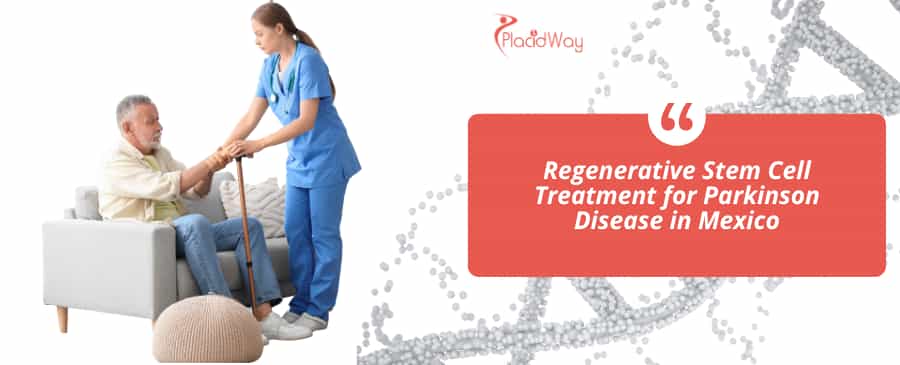


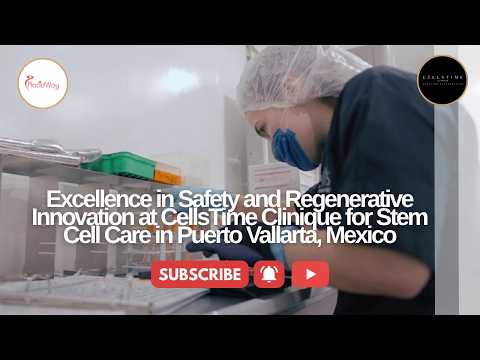

.png)

.png)
.png)








Share this listing