


Beat Stroke Rehab Waits With Mexico Stem Cells
Facing six-month public rehab waitlists, over 10,000 Canadian stroke survivors are traveling south. They seek affordable neurogenesis stem cell therapy for stroke in Mexico, securing rapid, life-changing regenerative treatment for just $7,000.
The Crisis of Canadian Healthcare Waitlists for Stroke Survivors
The critical window for stroke rehabilitation is notoriously narrow, with neurologists universally agreeing that the most significant brain plasticity and recovery occur within the first three to six months following the cerebrovascular event. Unfortunately, the Canadian public healthcare system is currently buckling under unprecedented staffing shortages and systemic bottlenecks. Patients discharged from acute care hospitals are routinely met with devastatingly long waitlists for intensive inpatient and outpatient rehabilitation. For a stroke survivor, waiting upwards of six months to begin rigorous neuro-rehabilitation is not just an inconvenience; it represents a permanent loss of potential physical and cognitive recovery.
Driven by this healthcare crisis, desperate families are seeking alternative solutions outside their domestic borders. The realization that vital neural pathways are degrading while waiting for a call from a local clinic has sparked a massive wave of medical migration. Patients are no longer willing to accept delayed care as their inevitable fate. Instead, they are taking proactive control of their health by exploring international options for regenerative medicine, bypassing the sluggish domestic queues entirely to access immediate, cutting-edge therapies that stimulate true neurological healing.
Did You Know? The brain's highest capacity for neuroplasticity—the ability to rewire and form new neural connections—peaks roughly 30 to 90 days post-stroke. Delayed intervention beyond this "Golden Window" significantly reduces a patient's ultimate ceiling for regaining mobility and speech.
Understanding Neurogenesis: The Science of Brain Repair
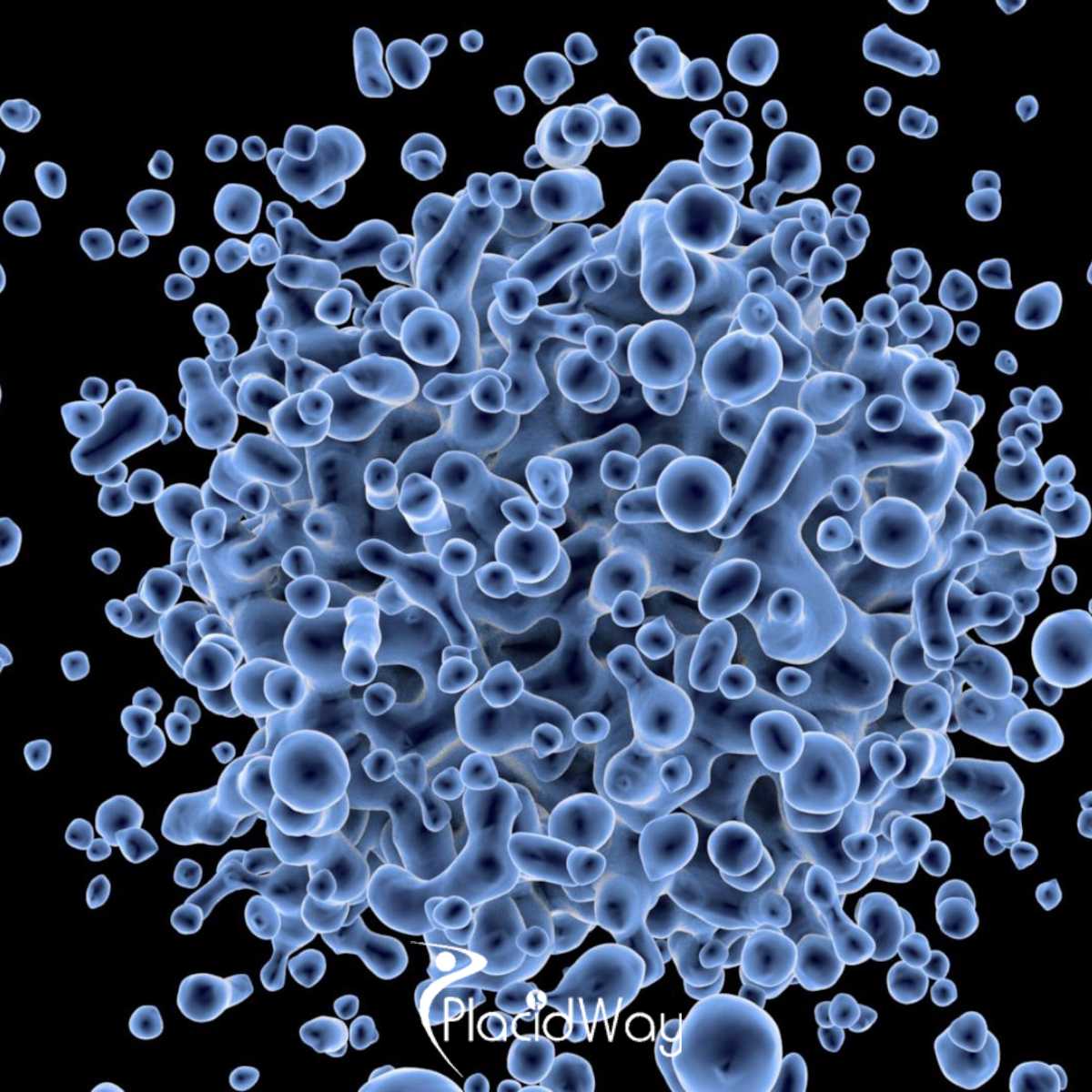
At the core of this medical tourism surge is the powerful science of neurogenesis stem cell therapy. Unlike traditional physical therapy, which solely focuses on retraining the brain to work around damaged areas, regenerative medicine aims to physically repair the injured tissue. By utilizing Mesenchymal Stem Cells (MSCs), typically ethically sourced from donated umbilical cord tissue, specialists can introduce millions of potent, anti-inflammatory cells directly into the patient's system. These highly adaptable cells have a unique homing mechanism, allowing them to migrate directly to the site of neurological injury in the brain.
Once these cells reach the damaged cerebral tissue, they release critical neurotrophic factors that suppress harmful neuroinflammation, prevent further cell death, and stimulate angiogenesis (the creation of new blood vessels). Most importantly, these stem cells promote neurogenesis—the actual growth and development of new neurons. This profound biological process accelerates the healing of motor and cognitive functions, allowing stroke patients to regain speech, swallow functionality, and limb mobility at a rate that traditional physical therapy alone simply cannot match.
Why Stem Cell Therapy for Stroke in Mexico is Surging
The explosion in demand for stem cell therapy for stroke in Mexico is a direct result of geographic convenience coupled with world-class medical innovation. Medical hubs located just south of the United States border have intentionally designed their healthcare infrastructure to cater to the influx of North American patients. Traveling from major Canadian cities like Toronto, Vancouver, or Calgary involves a simple, direct flight to San Diego, California, followed by a brief, medically escorted drive across the border. This seamless logistics model makes traveling for complex neurological treatment entirely feasible, even for patients with limited mobility.
Furthermore, Mexico has positioned itself as a global pioneer in regenerative medicine due to its progressive, yet strictly regulated, biomedical framework. While North American regulatory bodies classify expanded stem cell treatments in a bureaucratic gray area—often restricting them entirely or limiting them to lengthy, inaccessible clinical trials—Mexican medical authorities have embraced evidence-based regenerative protocols. This allows leading clinics to legally culture and administer the high cell counts required to effectively penetrate the blood-brain barrier and trigger meaningful stroke recovery, all while maintaining rigorous international safety standards.
The Financial Reality: $7,000 vs. Priceless Recovery Time
When Canadian patients realize the public system cannot accommodate their urgent needs, they often look toward private domestic rehabilitation centers. However, private neurological rehab in North America is exorbitantly expensive, frequently costing upwards of $1,500 per day for intensive inpatient therapy. For a comprehensive month-long program, families are forced to liquidate assets or take on crippling debt, spending upwards of $45,000 without receiving any advanced regenerative cellular treatments. This immense financial burden is simply unsustainable for the average household.
By contrast, the cost-to-value ratio of seeking affordable stem cell treatment in Tijuana is unparalleled. Due to lower operational overhead, localized pharmaceutical sourcing, and a highly competitive medical market, premier clinics can offer comprehensive regenerative packages for approximately $7,000. These transparently priced packages are all-inclusive, encompassing the vital stem cell infusions, specialized medical consultations, ground transportation, and necessary diagnostic imaging, allowing families to invest their life savings directly into true cellular healing rather than administrative domestic fees.
Spotlight: Elite Treatment at Immunity Therapy Center in Tijuana, Mexico
When seeking the highest standard of regenerative medicine for stroke recovery, discerning patients meticulously research accredited international facilities. In this pursuit, thousands have discovered the life-changing protocols offered by the Immunity Therapy Center in Tijuana, Mexico. This globally recognized facility stands at the forefront of alternative and regenerative healthcare, providing bespoke cellular therapies tailored specifically to the unique neurological deficits of each individual stroke survivor. Their approach transcends the traditional one-size-fits-all clinical model.
The Immunity Therapy Center in Tijuana, Mexico, uniquely integrates advanced neurogenesis stem cell infusions with a holistic suite of supportive therapies designed to maximize cellular uptake and promote rapid healing. Patients benefit from a synergistic treatment environment where cutting-edge stem cell administration is often combined with hyperbaric oxygen therapy, targeted nutritional IVs, and localized physiotherapy. This comprehensive, multifaceted approach not only amplifies the neuroplastic effects of the stem cells but also ensures the patient's immune system is optimized, dramatically improving the overall trajectory of their stroke rehabilitation journey.
Evaluating the Safety and Regulation of Mexican Regenerative Medicine
A primary concern for any patient traveling abroad for complex medical care is the safety, viability, and regulation of the treatments provided. The premier regenerative clinics operating in Mexico are far from unregulated entities; they operate under the strict supervision of COFEPRIS (The Federal Committee for Protection from Sanitary Risks), which is the Mexican equivalent of the FDA or Health Canada. These rigorous national regulations ensure that all biological materials used in stroke recovery clinics in Mexico are ethically sourced, meticulously screened for infectious diseases, and processed in state-of-the-art, clean-room laboratories.
Furthermore, the quality of the mesenchymal stem cells utilized in these top-tier border clinics often surpasses what is available in restricted North American trials. Specialized cellular laboratories utilize advanced expansion techniques to produce highly potent, exceptionally viable cell counts necessary to cross the blood-brain barrier effectively. The physicians administering these treatments are highly decorated, board-certified neurologists and regenerative medicine specialists, many of whom have completed extensive fellowships globally, bringing a wealth of multidisciplinary expertise to ensure absolute patient safety and optimal therapeutic outcomes.
"We are witnessing a critical tipping point in global healthcare. Canadian patients, faced with paralyzing waitlists, are realizing they no longer have to sacrifice their recovery window. By safely navigating cross-border medical channels, they are accessing premier neurogenesis stem cell therapies that are fundamentally rewriting the prognosis for severe stroke survivors."
— Pramod Goel, CEO of PlacidWay
The Strategic Role of PlacidWay in Navigating Cross-Border Stem Cell Tourism
While the promise of regenerative medicine is immense, independently organizing international medical travel during a health crisis can be overwhelming for patients and their caregivers. The digital landscape is flooded with varying clinic claims, making it difficult to verify lab credentials, secure authentic medical records translations, or coordinate complex cross-border logistics. This complex environment is where dedicated medical tourism facilitators play an absolutely crucial role in ensuring patient safety and treatment efficacy.
PlacidWay serves as the essential bridge connecting frustrated Canadian stroke patients with fully vetted, elite regenerative medicine providers abroad. By utilizing a rigorous evaluation process, PlacidWay guarantees that patients only connect with internationally accredited facilities that utilize certified, high-viability stem cells. Patients can easily compare comprehensive profiles, review transparent package pricing, and coordinate virtual consultations with lead physicians. This seamless facilitation removes the anxiety from medical tourism, allowing families to focus entirely on preparing for their transformative healing journey.
Did You Know? The regenerative medicine sector in Mexico has grown by over 25% annually, driven largely by North American patients seeking treatments for neurological conditions, autoimmune diseases, and chronic joint pain that are heavily restricted in their home countries.
What to Expect During the Stem Cell Recovery Journey
For those preparing to embark on this restorative journey, understanding the clinical process provides immense peace of mind. The experience begins with VIP concierge service; patients are typically greeted at the San Diego International Airport by a dedicated bilingual medical chauffeur. From there, they are transported via expedited medical lanes directly across the border into a modern, state-of-the-art clinic. The initial day is heavily focused on comprehensive pre-operative evaluations, blood panels, and in-depth consultations with the lead neurological team to finalize the personalized administration protocol.
The actual stem cell administration is minimally invasive and highly controlled. Depending on the specific cerebral injury, cells are delivered either via an intravenous (IV) drip or through a targeted intrathecal injection into the spinal canal, allowing the cells to bypass the blood-brain barrier rapidly. The entire procedure generally requires only a brief outpatient stay or a few nights in a luxury medical suite. Following the treatment, patients are monitored closely, provided with post-care nutritional guidelines, and given a structured follow-up schedule. While regenerative healing continues for months at a cellular level, many patients report noticeable improvements in energy, spasticity reduction, and cognitive clarity within the first few weeks of their return home.
.png)

.png)

.png)
.png)


-(8).png)








Share this listing