


Tokyo Stem Cells Cure Joint Pain for Myanmar Patients

Seeking a Stem Cell Procedure in Tokyo, Japan, thousands of Myanmar patients are bypassing risky joint surgeries. This breakthrough regenerative protocol offers a 75% faster mobility recovery, transforming orthopedic care for those facing chronic arthritis without invasive joint replacements.
The Growing Crisis of Orthopedic Issues in Southeast Asia
Across Southeast Asia, a silent epidemic of degenerative joint disease is severely diminishing the quality of life for millions of aging adults and active professionals. In Myanmar specifically, a combination of genetic predispositions, physically demanding lifestyles, and delayed clinical interventions has led to a staggering spike in severe osteoarthritis cases. As the protective cartilage within the knees, hips, and shoulders deteriorates, patients are left enduring agonizing bone-on-bone friction that makes basic daily activities—such as walking upstairs or standing for prolonged periods—nearly impossible. Domestically, the healthcare infrastructure is often overwhelmed, leaving patients with limited, antiquated options primarily centered around heavy pain management or highly invasive surgical interventions.
Traditionally, the only definitive solution offered to these individuals has been total joint replacement surgery. While effective in certain extreme cases, arthroplasty requires cutting away native bone, implanting heavy metal and plastic prosthetics, and enduring a grueling, months-long physical rehabilitation process. The inherent risks of general anesthesia, hospital-acquired infections, and potential implant rejection have created immense hesitancy among patients. Driven by a desire to preserve their natural anatomy and avoid the debilitating downtime of surgery, a rapidly growing demographic of Myanmar patients is turning to outbound medical tourism, specifically seeking advanced Stem Cell Therapy in Tokyo as a viable, scientifically proven alternative to traditional orthopedic surgery.
Did You Know? Clinical data reveals that nearly 80% of eligible orthopedic patients who receive targeted, lab-expanded stem cell injections report a massive reduction in joint inflammation and pain within just 4 to 6 weeks, effectively eliminating their immediate need for total knee or hip replacement surgery.
How Advanced Stem Cell Therapy in Tokyo Outperforms Surgery
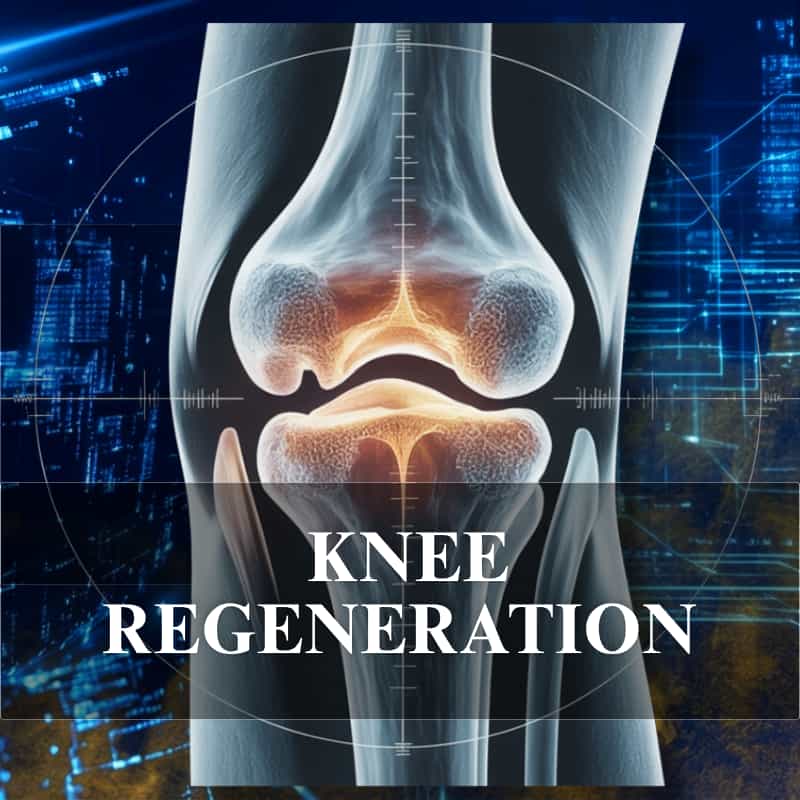
The fundamental philosophy of regenerative medicine is to harness and amplify the human body's innate healing mechanisms rather than relying on artificial prosthetics. The protocols utilized in Japanese medical centers focus primarily on Mesenchymal Stem Cells (MSCs), which are specialized master cells capable of differentiating into various tissue types, including cartilage, bone, and muscle. When highly concentrated MSCs are injected directly into a degraded joint capsule, they immediately begin secreting powerful anti-inflammatory cytokines. This halts the aggressive tissue degradation responsible for chronic pain while simultaneously stimulating localized cellular repair, essentially rebuilding the micro-environment of the joint from the inside out.
To experience this cutting-edge medical frontier firsthand, an increasing number of international travelers are securing treatment at HELENE - Stem Cell Clinic in Tokyo, Japan, an internationally acclaimed facility renowned for its exceptionally high-efficacy cultivation techniques. Clinics of this caliber do not simply extract and re-inject raw tissue; they meticulously harvest a patient's own cells, transport them to highly regulated, ISO-certified cleanrooms, and multiply them into the millions over several weeks. This massive expansion ensures that when the therapeutic dose is finally administered, the regenerative power is exponentially greater than standard domestic therapies, allowing patients to regain natural joint mobility with virtually zero surgical trauma or downtime.
The Precision Protocol Driving Japan's Medical Dominance
The global superiority of the Orthopedic Stem Cell Procedure in Japan is not purely based on biological science, but rather on the flawless, highly orchestrated clinical protocols that surround the treatment. International patients flying into Tokyo are immediately integrated into a seamless medical pathway designed for maximum therapeutic efficacy. When booking complete joint pain treatment packages, the medical journey generally encompasses the following highly specialized phases:
- Advanced Diagnostic Mapping: Upon arrival, patients undergo high-resolution MRI and 3D kinetic ultrasound imaging to map the exact locations of cartilage loss, micro-fractures, and synovial inflammation within the affected joint.
- Minimally Invasive Harvesting: Under local anesthesia, a small, virtually painless extraction of adipose (fat) tissue or bone marrow is performed to harvest the foundational autologous stem cells.
- Elite Laboratory Cultivation: Extracted cells are sent to government-approved Cell Processing Centers (CPCs) where expert biologists isolate the most potent MSCs and multiply them into doses of 50 to 100 million active cells.
- Ultrasound-Guided Targeted Delivery: Using real-time imaging, board-certified orthopedic specialists inject the cultivated cellular matrix with absolute millimeter precision directly into the damaged articular cartilage.
- Immediate Mobility & Rehabilitation: Unlike invasive surgery that requires prolonged bed rest, patients are encouraged to begin walking almost immediately, stimulating blood flow and encouraging cellular integration within the joint.
- Continuous Tele-Health Monitoring: After returning to Myanmar, patients receive ongoing virtual consultations with their Tokyo medical team to monitor functional recovery and pain reduction over the following crucial months.
"We are witnessing a monumental paradigm shift in global orthopedics. Patients are no longer willing to accept the traumatic recovery and anatomical destruction associated with joint replacements. By establishing a direct, highly streamlined medical corridor between Myanmar and Japan, we are empowering individuals to access highly regulated, lab-expanded regenerative therapies that restore their mobility natively, securely, and without ever seeing a scalpel."
— Pramod Goel, CEO of PlacidWay
Economic Reality: Cost of Joint Pain Treatment in Japan
When evaluating international healthcare options, Myanmar patients initially perceive advanced regenerative medicine as a luxury expenditure. However, a comprehensive financial analysis reveals that Stem Cell Therapy for joint pain in Tokyo actually presents profound long-term economic value. To calculate the true cost of domestic joint replacement surgery, one must factor in not only the surgeon and hospital fees but also the massive hidden costs: weeks of intensive physical therapy, extended reliance on costly prescription painkillers, and significantly, the massive loss of personal income resulting from a mandated 3-to-6-month absence from the workforce.
In stark contrast, the regenerative protocol in Japan requires only a brief outpatient visit for extraction and a subsequent short visit for injection. Patients are typically able to resume light daily activities immediately and return to their full professional lives within days. When comparing the cumulative financial drain of an invasive surgical overhaul to the streamlined, upfront investment of cellular therapy, the economic scales tip heavily in favor of the Japanese medical tourism model, all while offering superior biological outcomes.
Why Myanmar Patients Choose Tokyo Over Regional Alternatives
While neighboring ASEAN countries like Thailand and Singapore have long been popular hubs for general medical tourism, the specific field of regenerative biotech operates on a completely different tier. Myanmar patients suffering from debilitating knee and hip pain are strategically bypassing regional options in favor of Tokyo due to Japan's unrivaled integration of technological precision and clinical oversight. In Japan, stem cell cultivation is not treated as a fringe alternative therapy; it is a heavily funded, mainstream medical science seamlessly integrated into their national healthcare ethos. This ensures that international patients are receiving care that represents the absolute pinnacle of modern global medicine.
Furthermore, the cultural and logistical framework of Japanese clinics caters flawlessly to the premium medical traveler. Facilities in Tokyo are highly accustomed to accommodating dignitaries, corporate executives, and VIP health tourists from Yangon and Mandalay. They provide comprehensive concierge services, including dedicated medical interpreters, culturally sensitive hospitality, dietary accommodations, and end-to-end luxury transportation. This profound commitment to patient dignity and comfort alleviates the immense stress associated with navigating foreign healthcare systems, allowing Myanmar patients to focus purely on their physical recovery and joint pain alleviation.
Did You Know? Japan was the first nation on Earth to implement a dedicated, fast-track legislative framework specifically for regenerative medicine, drastically accelerating the clinical availability of advanced cellular therapies while strictly enforcing the most rigorous lab safety standards globally.
Ensuring Safety Through Rigorous Regenerative Standards
The primary concern for any patient traveling internationally for advanced biological treatments is the assurance of uncompromised safety. This is precisely where the Orthopedic Stem Cell Procedure in Japan eclipses every other market in the world. The Japanese Ministry of Health, Labour and Welfare mandates absolute compliance with the Act on the Safety of Regenerative Medicine (ASRM). Under this incredibly strict federal law, clinics are strictly forbidden from cultivating or processing human cells in standard back-room clinic laboratories. Instead, all cellular expansion must occur in heavily audited, government-sanctioned Cell Processing Centers (CPCs).
These CPC facilities operate at ISO-certified cleanroom standards, identical to those used in the manufacturing of hyper-sensitive microchips or global pharmaceuticals. Every single batch of harvested mesenchymal stem cells undergoes exhaustive chromosomal screening, bacterial culturing, and viability testing before being cleared for patient injection. For the Myanmar patient traveling thousands of miles for a joint pain breakthrough, this regulatory shield guarantees that they are receiving an ethical, non-experimental, and profoundly pure biological product, fundamentally eliminating the risk of tissue rejection, mutation, or post-procedural infection.
The Strategic Role of PlacidWay in Seamless Medical Travel
Orchestrating a highly specialized medical journey from Myanmar to Tokyo involves complex logistical layers that go far beyond booking a flight. Patients must navigate intricate visa requirements, transfer translated medical imaging files internationally, and secure appointments at elite clinics that often have months-long waitlists for unrepresented patients. Attempting to organize this life-changing regenerative procedure independently can quickly become an overwhelming bureaucratic hurdle, potentially delaying urgent orthopedic relief. This is where partnering with a dedicated, globally recognized medical tourism facilitator becomes structurally essential.
PlacidWay serves as the critical bridge connecting Myanmar patients directly to Japan's premier regenerative experts. By managing the end-to-end bureaucratic logistics, PlacidWay ensures a frictionless experience—expediting medical visa letters, facilitating pre-travel video consultations with board-certified Tokyo specialists, and guaranteeing absolute pricing transparency. Through this secure platform, patients can confidently verify international accreditations, review documented clinical outcomes, and effortlessly compare options to find the absolute best facility tailored to their specific orthopedic condition.




.png)
.png)



Share this listing