



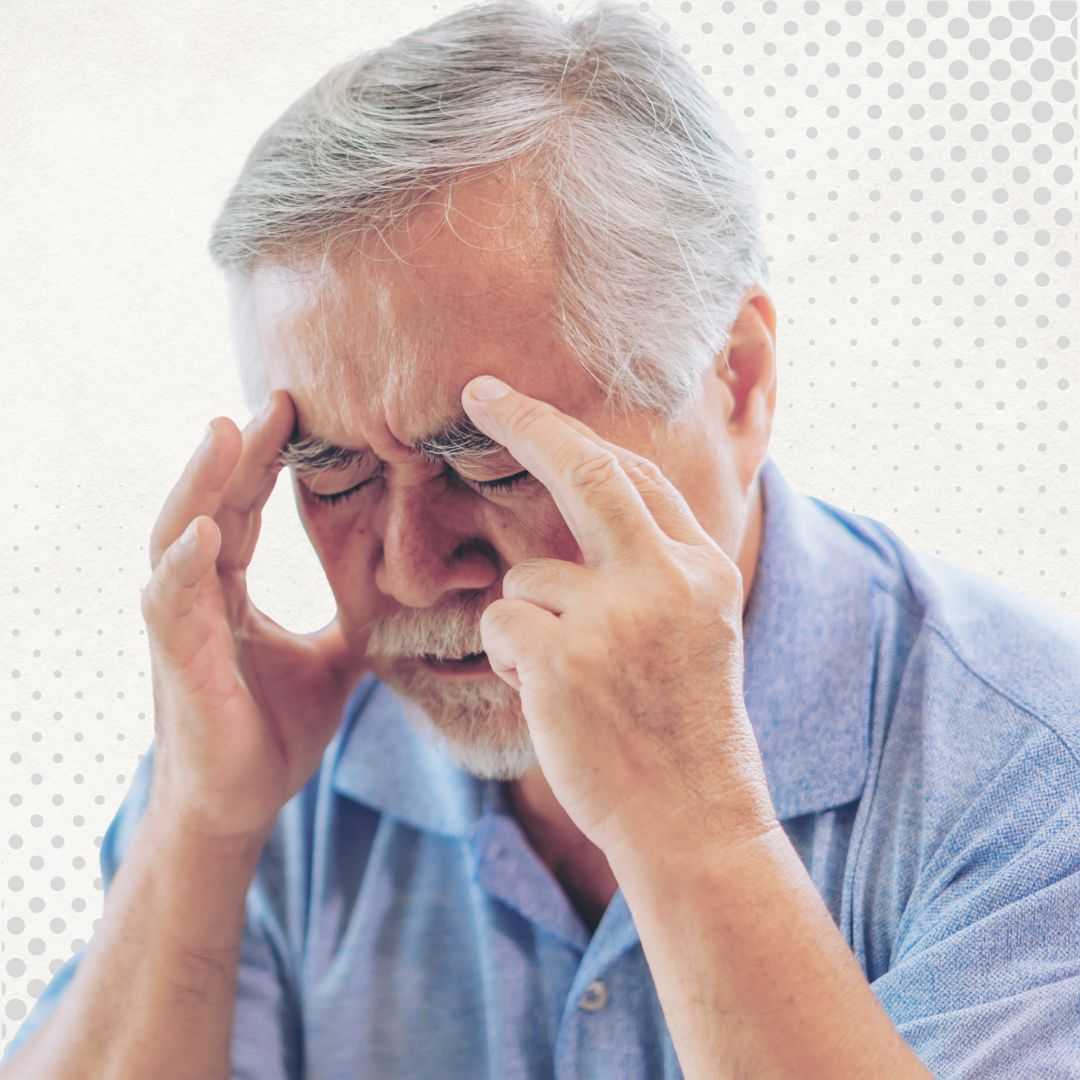
For individuals struggling with chronic osteoarthritis, cartilage degradation, or repetitive strain injuries, conservative treatments often offer only temporary relief. In recent years, stem cell therapy for joint pain in Tokyo has emerged as a compelling alternative for patients from across the globe, including those traveling from Myanmar. This advanced approach focuses on utilizing the body’s own biological materials to naturally modulate inflammation and support the healing of damaged joint tissues.
Japan has positioned itself at the forefront of regenerative medicine, dedicating significant research and strict regulatory frameworks to ensure patient safety and procedural efficacy. By injecting concentrated stem cells directly into the affected joint, medical professionals aim to alter the localized inflammatory environment. While outcomes inherently vary and results are never guaranteed, many patients seek this therapy hoping to delay or entirely avoid invasive orthopedic surgeries.
- Minimally Invasive Nature: The procedure generally involves outpatient injections rather than large surgical incisions.
- Autologous Treatments: Most therapies use the patient’s own cells, reducing the risk of immune rejection or allergic reactions.
- Targeted Relief: Injections are precisely delivered into the knee, hip, or shoulder joints under ultrasound guidance.
- Comprehensive Assessment: Japanese clinics typically require rigorous pre-treatment diagnostics to ensure patient suitability.
Japan enacted the Act on the Safety of Regenerative Medicine (ASRM) in 2014, making it one of the first countries in the world to establish a comprehensive legal framework specifically dedicated to the safety and regulation of stem cell therapies.
Why Myanmar Patients Choose Tokyo for Orthopedic Treatments
Over the last decade, Tokyo has become a highly sought-after destination for medical tourists from Southeast Asia. Myanmar patients, in particular, are increasingly looking abroad for medical solutions due to limited access to advanced regenerative technologies in their home country. Orthopedic stem cell therapy in Japan appeals to these patients because of the country’s impeccable reputation for healthcare excellence, cutting-edge medical equipment, and stringent hygiene standards.
Furthermore, the geographical proximity and the availability of direct flights between Yangon and Tokyo make the journey manageable for those suffering from mobility issues. Japanese clinics are also highly accommodating to international visitors, often providing multidisciplinary care teams that are accustomed to treating foreign patients. The combination of medical innovation, cultural hospitality, and a focus on precision makes Tokyo a highly attractive hub for individuals seeking joint pain management.
- Advanced Medical Infrastructure: Access to state-of-the-art diagnostic imaging and cell-processing laboratories.
- Specialized Expertise: Japanese physicians undergo rigorous training and must adhere to strict national medical guidelines.
- Focus on Patient Safety: High standards of clinical cleanliness and post-procedure monitoring protocols.
According to the Japanese Ministry of Health, Labour and Welfare, the number of registered medical institutions authorized to perform regenerative medicine under the ASRM has grown exponentially, ensuring patients have access to highly vetted and closely monitored clinical environments.
The Science Behind Stem Cell Knee Injections in Japan
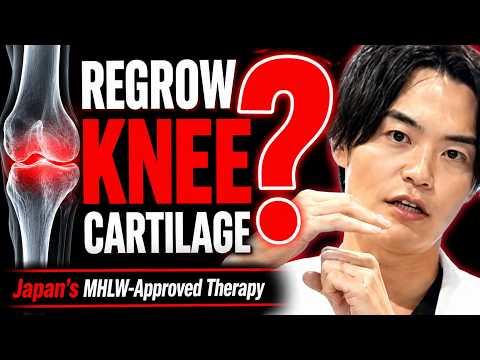
The foundation of regenerative medicine relies on the unique properties of mesenchymal stem cells (MSCs). These specialized cells possess the ability to differentiate into various tissue types, including cartilage and bone, while also releasing a complex array of growth factors. When utilized in stem cell knee injections in Tokyo, the primary goal is not necessarily to "regrow" an entirely new joint, but rather to alter the biological environment within the joint capsule to reduce inflammation and promote natural tissue repair.
Doctors typically harvest these cells from the patient's own adipose (fat) tissue or bone marrow. Once extracted, the sample is processed in a sterile laboratory to isolate and concentrate the most potent cells. The concentrated therapeutic serum is then carefully injected into the damaged joint. This process is generally believed to signal the body’s natural healing mechanisms, though individual biological responses will dictate the overall success of the treatment.
- Anti-inflammatory Action: MSCs release cytokines that help calm chronic inflammation within the joint space.
- Tissue Support: The cells secrete growth factors that support the survival and function of existing cartilage cells.
- Immunomodulation: Stem cells can help regulate the localized immune response, which is particularly beneficial in osteoarthritic conditions.
Mesenchymal stem cells (MSCs) act much like the body's internal repair system. They are often referred to as "signaling cells" because of their ability to communicate with surrounding tissues and coordinate a localized healing response.
Cost of Stem Cell Therapy for Joints in Tokyo vs Myanmar
Financial planning is a crucial component of the medical tourism journey. The cost of stem cell treatment in Tokyo represents a significant investment, reflecting the advanced laboratory processing, regulatory compliance, and specialized medical expertise required. While exact prices fluctuate based on the specific clinic, the type of stem cell extraction, and the number of joints being treated, Japan offers highly competitive pricing when compared to Western nations, albeit at a premium compared to localized care in Southeast Asia.
For Myanmar patients, comparing the value requires looking beyond just the immediate price tag. While local treatments in Myanmar may be less expensive, the availability of advanced, ASRM-regulated cell culturing facilities is highly limited. Below is an estimated cost comparison to help patients understand the financial landscape of regenerative joint therapies in the region.
| Procedure Name | Average Cost in Tokyo (USD) | Cost Comparison (Singapore / US) |
|---|---|---|
| Adipose-Derived Stem Cell Therapy (Single Joint) | $6,000 - $9,500 | $10,000 - $15,000+ |
| Bone Marrow Aspirate Concentrate (BMAC) | $5,500 - $8,000 | $8,000 - $12,000+ |
| Cultured Stem Cell Therapy (Expanded Cells) | $12,000 - $18,000 | $20,000 - $30,000+ |
When requesting quotes for stem cell treatments, always ask the clinic to specify whether the price includes pre-treatment blood work, imaging (like MRIs), cell culturing laboratory fees, and post-procedure follow-up consultations to avoid unexpected expenses.
Exploring Top Stem Cell Clinics in Tokyo Japan
Selecting the right medical facility is the most critical decision for any patient traveling abroad for care. The landscape of regenerative medicine in Japan is heavily regulated, meaning clinics must meet strict government criteria to operate. Facilities like HELENE - Stem Cell Clinic in Tokyo, Japan, are recognized for adhering to these stringent safety protocols while providing personalized care plans designed to target specific orthopedic concerns.
When evaluating providers, patients should look for institutions that prioritize transparent communication and comprehensive diagnostic evaluations. Top-tier clinics will never guarantee specific outcomes; instead, they focus on realistic patient education. For those interested in exploring highly regulated options, looking into advanced stem cell treatments for joint regeneration in Tokyo can provide deeper insights into the specialized protocols and laboratory standards utilized by leading Japanese medical teams.
- Government Certification: Ensure the clinic holds valid approval from the Japanese Ministry of Health, Labour and Welfare.
- Dedicated Laboratories: Premium clinics often possess on-site or closely affiliated Cell Processing Centers (CPCs).
- Multilingual Support: Look for facilities that offer medical translation services or English-speaking medical coordinators.
Types of Regenerative Medicine for Osteoarthritis in Japan
Regenerative therapies are not a one-size-fits-all solution. Depending on the severity of the joint deterioration and the patient's overall health profile, specialists in Tokyo will recommend different biological approaches. Joint pain stem cell treatments in Japan generally fall into a few distinct categories, each utilizing different biological materials and processing techniques to achieve the desired therapeutic effect.
The choice of therapy is determined during the initial consultation, often relying on recent MRI scans and blood panels. Doctors must assess whether the patient has adequate viable tissue for extraction and if their specific condition is likely to respond to cellular intervention. Understanding these options helps patients set realistic expectations for their treatment journey.
- Adipose-Derived Stem Cells (ADSCs): Extracted from abdominal or thigh fat, yielding a high concentration of mesenchymal stem cells.
- Bone Marrow Aspirate Concentrate (BMAC): Drawn typically from the pelvic bone, providing a rich mixture of stem cells and growth factors.
- Cultured Stem Cells: A process where extracted cells are multiplied in a lab over several weeks to create a massive volume of potent cells for injection.
Fat tissue actually contains a significantly higher concentration of mesenchymal stem cells per volume compared to bone marrow, which is why adipose-derived therapies have become increasingly popular in modern orthopedic treatments.
What to Expect During Stem Cell Treatment in Tokyo
For international patients, understanding the procedural workflow can significantly alleviate travel-related anxiety. A typical journey for regenerative joint therapy in Tokyo is structured systematically to prioritize patient safety and treatment precision. The process usually begins before the patient even leaves Myanmar, involving remote consultations and the sharing of medical records and MRI imaging.
Once in Japan, the clinical experience is generally highly efficient and minimally invasive. While the timeline can vary based on whether the cells require long-term culturing in a laboratory, same-day procedures (where cells are extracted, processed, and injected in one visit) are common. The entire process is handled under sterile conditions by specialized medical teams.
- In-Person Consultation: Comprehensive physical examination and final review of diagnostic imaging.
- Cell Harvesting: Extraction of fat or bone marrow using local anesthesia to minimize discomfort.
- Laboratory Processing: The biological sample is centrifuged or cultured to isolate the therapeutic cells.
- Image-Guided Injection: The physician uses ultrasound or fluoroscopy to precisely deliver the cells into the damaged joint space.
- Observation: A brief resting period in the clinic before the patient is discharged to their hotel.
Patients are typically advised to stop taking non-steroidal anti-inflammatory drugs (NSAIDs) for a specific period before and after the procedure, as these medications can interfere with the stem cells' natural healing signals. Always follow your treating physician's exact medication guidelines.
Recovery Timeline for Joint Stem Cell Therapy in Japan
One of the primary advantages drawing patients to regenerative medicine is the drastically reduced recovery period compared to total joint replacement surgery. Following stem cell knee injections in Tokyo, patients are generally ambulatory the same day, though strict guidelines must be followed to protect the newly treated joint. The biological healing process is gradual, requiring patience as the cells integrate and begin modulating inflammation.
During the initial days post-treatment, it is common to experience mild soreness, swelling, or stiffness at both the extraction site and the injection site. Doctors usually prescribe specific mobility restrictions and eventually introduce targeted physical therapy to maximize the treatment's benefits. Patients are typically cleared to travel back to Myanmar within a few days of the procedure.
- Days 1-3: Rest and minimal weight-bearing. Mild localized discomfort is normal.
- Weeks 1-4: Gradual return to normal daily activities. Strenuous exercise must be avoided.
- Months 1-3: Biological cellular activity peaks. Patients may begin noticing reductions in chronic pain.
- Months 3-6: Optimal period for evaluating the overall therapeutic efficacy and improvements in joint function.
Plan for a relaxed itinerary in Tokyo following your procedure. Avoid booking extensive sightseeing tours or activities that require heavy walking immediately after your joint injections to ensure your body has the energy and stillness required to initiate the healing process.
Legal Guidelines and Safety of Stem Cell Procedures in Tokyo
Patient safety is the cornerstone of the Japanese healthcare system. The administration of orthopedic stem cell therapy in Japan is governed by strict national laws designed to prevent malpractice and ensure high clinical standards. Clinics offering regenerative treatments must undergo rigorous audits by certified committees and register their specific treatment protocols with the government.
This level of oversight provides significant peace of mind for medical tourists traveling from countries with less regulated healthcare sectors. By mandating that specific cell-processing facilities meet Good Gene, Cellular, and Tissue-based Products Manufacturing Practice (GCTP) standards, Japan ensures that the biological materials being re-introduced into a patient's body are sterile, viable, and safely handled at every step.
- Certified Committees: Independent review boards evaluate the scientific validity and safety of a clinic's proposed therapies.
- Continuous Reporting: Clinics are required to periodically report patient outcomes and any adverse events to health authorities.
- Strict Contraindications: Active infections, certain cancers, and severe blood disorders generally disqualify patients from receiving these treatments.
Due to Japan's rigorous reporting requirements for regenerative medicine, the medical community there contributes a vast amount of structured clinical data to global research, continually helping to refine and improve stem cell protocols worldwide.
How Stem Cells Compare to Traditional Joint Surgery
When conservative treatments like physical therapy and corticosteroid injections fail, patients are often presented with surgical options. However, many individuals seek out stem cell therapy for joint pain in Tokyo specifically to delay or bypass invasive joint replacement surgeries. Understanding the fundamental differences between these two medical pathways is essential for making an informed healthcare decision.
Surgery physically removes and replaces damaged bone and cartilage with artificial implants, offering high success rates for end-stage arthritis but requiring lengthy rehabilitation. In contrast, stem cell therapy is a biological intervention aimed at preserving the natural joint structure. It is generally most effective for patients with mild to moderate joint degradation rather than severe "bone-on-bone" arthritis.
- Invasiveness: Stem cells utilize needle injections, whereas surgery requires major incisions and bone alterations.
- Anesthesia: Regenerative therapies typically require only local anesthesia, avoiding the risks associated with general anesthesia.
- Rehabilitation: Surgical joint replacement demands months of intense physical therapy; stem cell recovery is considerably faster and less physically demanding.
- Limitations: Stem cells cannot physically correct severe mechanical deformities or regrow bone that has entirely eroded.
Clinical studies suggest that while traditional joint replacement carries a rehabilitation period of 3 to 6 months, patients undergoing autologous stem cell injections are often able to resume light daily routines within just a few weeks.
Patient Success Stories from Regenerative Therapy in Tokyo
While statistical data and clinical science form the foundation of medical decision-making, the personal experiences of previous patients often provide the most relatable insights. Many medical tourists traveling for regenerative medicine in Japan have shared their journeys, noting improvements in their quality of life, mobility, and pain management.
It is important to remember that these testimonials reflect individual experiences. Because regenerative medicine relies on a patient’s unique biological response, outcomes naturally vary. However, these summarized cases highlight the potential benefits of undergoing advanced joint therapy in a specialized clinical setting.
A Return to Active Living
A 58-year-old patient from Yangon suffering from moderate knee osteoarthritis struggled with walking short distances. After receiving an adipose-derived stem cell injection in Tokyo, she reported a significant reduction in morning stiffness by month four, allowing her to comfortably resume evening walks with her family.
Delaying Major Surgery
Facing a recommendation for partial knee replacement, a 62-year-old business owner traveled to Japan for cultured stem cell therapy. While his joint degeneration was advanced, the treatment helped drastically lower his daily pain levels, successfully allowing him to postpone surgical intervention.
Relief from Shoulder Pain
An active 50-year-old experienced chronic rotator cuff tendonitis that failed to respond to standard steroid injections. Opting for a localized stem cell and PRP combination therapy in Tokyo, he noted improved range of motion and decreased reliance on anti-inflammatory medications within six months.
Enhanced Joint Mobility
A patient dealing with early-stage hip arthritis sought out treatment in Japan to maintain an active lifestyle. Following a comprehensive bone marrow aspirate procedure, she experienced gradual relief from the deep, aching joint pain that had previously disrupted her sleep patterns.
Travel and Medical Visa Information for Myanmar Citizens Visiting Japan
Planning the logistical aspects of a medical trip is just as critical as the treatment itself. For Myanmar citizens seeking the cost of stem cell treatment in Tokyo, understanding the immigration and visa requirements is the first step. Japan offers a specific Medical Stay Visa designed explicitly for international patients seeking medical consultations, treatments, or full rehabilitation in the country.
Acquiring this visa typically requires coordination between the patient, a registered Japanese medical institution, and an approved medical travel guarantor. The guarantor acts as an intermediary, ensuring that the patient has a valid treatment plan and necessary financial provisions. Proper preparation of documentation ensures a smooth entry into Japan without unexpected bureaucratic delays.
- Treatment Certificate: A formal letter of acceptance and treatment plan from the destination clinic is mandatory.
- Financial Proof: Applicants must demonstrate sufficient funds to cover both the medical procedures and travel expenses.
- Guarantor Requirement: Applications often must be processed through agencies registered with the Japanese government.
- Accompanying Persons: The medical visa generally allows for a family member or companion to travel with the patient for support.
The Japanese Medical Stay Visa can be issued for up to six months or even up to one year (with renewals), accommodating patients who require multiple treatments or long-term post-procedural observation.
How PlacidWay Assists Your Stem Cell Therapy Medical Tourism Journey in Tokyo
Navigating international healthcare systems, overcoming language barriers, and finding trustworthy medical facilities can be overwhelming for patients already dealing with chronic pain. Engaging with a global medical tourism platform ensures that you have access to vetted information and structured support throughout your healthcare journey. Our focus is entirely on connecting patients with appropriate, accredited medical providers.
By streamlining the discovery and communication process, PlacidWay helps Myanmar patients explore viable options for stem cell knee injections in Tokyo. We empower individuals to make informed, safe, and confident decisions regarding their regenerative healthcare needs without the stress of coordinating complex medical inquiries alone.
- Clinic Verification: Providing access to profiles of highly regulated, ASRM-compliant Japanese medical institutions.
- Direct Communication: Facilitating initial consultations and the safe transfer of medical records between the patient and the Tokyo clinic.
- Treatment Insights: Offering educational resources regarding the specific types of regenerative therapies available for joint pain.
- Quotation Assistance: Helping patients obtain clear, comprehensive medical estimates directly from the chosen healthcare providers.
- Pre-Evaluation Support: Assisting in arranging remote medical evaluations to determine if the patient is a suitable candidate before traveling.
Frequently Asked Questions About Stem Cell Joint Treatments in Japan
When considering crossing borders for advanced healthcare, patients naturally have numerous inquiries regarding safety, logistics, and expectations. Understanding the intricacies of stem cell therapy for joint pain in Tokyo helps individuals approach their medical journey with confidence and realistic goals.
Below are some of the most common questions asked by international patients contemplating regenerative joint therapies in Japan. These insights provide a foundational understanding of what the clinical and travel experience entails.
Am I a good candidate for stem cell joint therapy in Japan?
Candidates generally include individuals suffering from mild to moderate osteoarthritis or chronic joint pain who have not found relief through conservative treatments. A thorough medical evaluation by a specialist is required to determine eligibility and ensure safety.
How long does a stem cell procedure for joints take?
The procedure is typically performed on an outpatient basis and can take a few hours, depending on whether cells are being extracted, processed, and injected on the same day. Patients are usually allowed to return to their accommodation shortly after monitoring.
Is stem cell therapy painful?
Most patients experience only mild discomfort during the extraction and injection phases, as local anesthesia is utilized to numb the treated areas. Post-procedure soreness is common but generally subsides within a few days.
When will I start seeing results from the treatment?
Therapeutic outcomes vary significantly from person to person; however, patients generally begin to notice improvements in pain and mobility within three to six months. The regenerative process takes time as the body responds to the introduced cells.
How long do I need to stay in Tokyo after the treatment?
Doctors typically recommend staying in Tokyo for at least three to five days following the injection to allow for follow-up consultations and ensure no immediate adverse reactions occur. Your specific timeline will depend on the clinic's protocols.
Are the results of stem cell treatments permanent?
While stem cell therapy can provide long-lasting relief by addressing joint inflammation and supporting tissue health, it does not stop the natural aging process. Results are not guaranteed to be permanent, and some patients may opt for booster treatments years later.
Can Myanmar citizens easily get a medical visa for Japan?
Yes, Myanmar citizens can apply for a specialized medical visa for Japan, which requires a treatment plan and a letter of guarantee from a registered Japanese medical institution. Working with certified medical tourism facilitators can streamline this application process.
Does health insurance cover stem cell therapy in Japan?
Currently, most international health insurance policies and the Japanese national insurance do not cover regenerative stem cell therapies, as they are often classified as elective or experimental. Patients should generally expect to pay out-of-pocket for these procedures.
What are the primary risks associated with joint stem cell injections?
Risks are generally considered low but can include localized infection, bleeding, temporary swelling, or a lack of desired therapeutic effect. Choosing a certified, highly regulated clinic minimizes these risks considerably.
Can I combine this treatment with a holiday in Japan?
Many medical tourists successfully combine their procedure with light tourism, though strenuous activities and extensive walking should be avoided immediately after the injection. It is crucial to prioritize recovery and adhere to your doctor's post-treatment guidelines.
Ready to explore advanced joint pain treatments? Let PlacidWay connect you with top-rated stem cell clinics in Tokyo today.
- Mayo Clinic. Stem cells: What they are and what they do. https://www.mayoclinic.org/tests-procedures/bone-marrow-transplant/in-depth/stem-cells/art-20048117
- Ministry of Foreign Affairs of Japan. Medical Stay Visa. https://www.mofa.go.jp/j_info/visit/visa/medical_stay1.html
- National Center for Biotechnology Information (NCBI). Mesenchymal Stem Cells for the Treatment of Osteoarthritis. https://pmc.ncbi.nlm.nih.gov/articles/PMC7868850/















Share this listing