


Southeast Asians Drive Tokyo Boom for Encephalopathy Stem Cell Relief

Thousands of Southeast Asians are rapidly securing stem cell therapy for encephalopathy in Tokyo, seeking revolutionary neurological restoration. Facing limited domestic options, patients pursue advanced cell infusions in Japan to reverse cognitive decline and reclaim their lives.
The Escalating Demand for Neurological Restoration in Southeast Asia
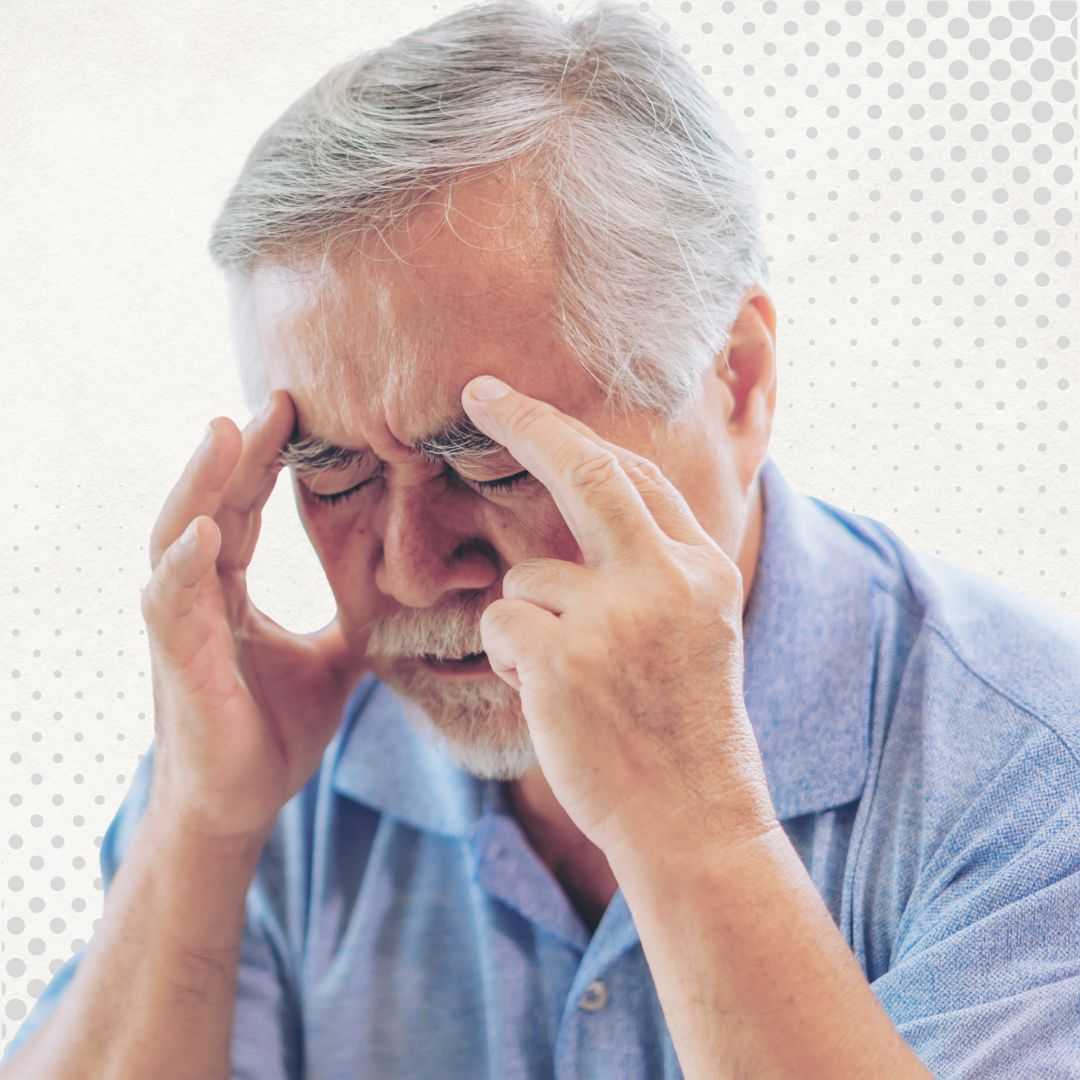
Across the rapidly developing nations of Southeast Asia, a silent healthcare crisis is unfolding. The prevalence of complex neurological conditions, particularly metabolic, toxic, and hypoxic encephalopathy, is climbing at an unprecedented rate. Driven by aging populations, environmental factors, and an uptick in severe systemic illnesses, nations such as Indonesia, the Philippines, Thailand, and Malaysia are witnessing a surge in patients suffering from progressive cognitive impairment. For these individuals, the loss of motor function, memory degradation, and severe neurological deficits present a devastating blow not just to the patients, but to their extended family networks who often shoulder the burden of long-term caregiving.
Unfortunately, domestic healthcare infrastructures within many ASEAN countries frequently lack the specialized regenerative medical frameworks required to treat the root causes of brain tissue degradation. Local therapies are overwhelmingly palliative, relying heavily on symptom-managing pharmacology that fails to address underlying neuronal death. Faced with exhaustive waiting lists for specialized neurology consultations and a complete absence of viable regenerative options at home, affluent and middle-class families alike are actively seeking cross-border medical solutions. This desperation for genuine healing has triggered a massive regional exodus, with medical tourists specifically targeting neurological stem cell treatment in Japan to halt and reverse debilitating encephalopathic symptoms.
Did You Know? Southeast Asian medical tourists now account for over 35% of all international patients traveling to Japan specifically for regenerative medicine. The demand for targeted neurological cell infusions has grown exponentially, cementing Tokyo as the premier destination for cognitive rehabilitation in the Eastern Hemisphere.
Understanding Encephalopathy and the Shortcomings of Traditional Medicine
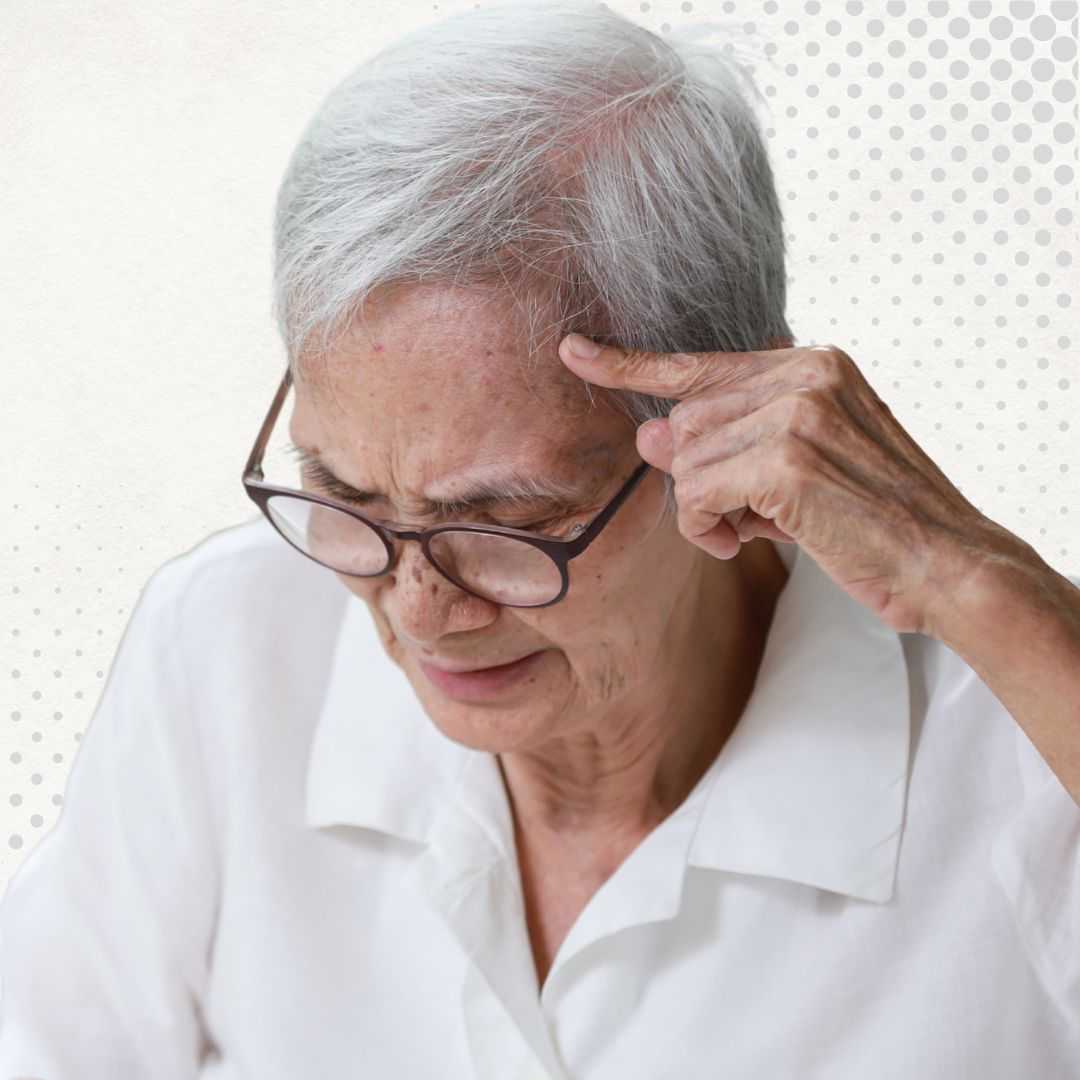
Encephalopathy is not a single disease, but rather a broad, umbrella medical term used to describe any diffuse disease of the brain that alters brain function or structure. Whether triggered by prolonged oxygen deprivation (hypoxic-ischemic encephalopathy), liver or kidney failure (metabolic encephalopathy), or chronic physical trauma (chronic traumatic encephalopathy), the resulting cellular landscape is remarkably similar: widespread neuronal apoptosis (cell death), severe neuroinflammation, and the breakdown of vital synaptic networks. Patients afflicted by these conditions endure a heartbreaking decline, manifesting as severe confusion, personality changes, debilitating seizures, and eventual loss of basic autonomic functions.
The fundamental limitation of traditional, allopathic medicine in treating encephalopathy lies in its inability to regenerate central nervous system tissue. Conventional protocols—encompassing anticonvulsants, sedatives, and dialysis—are strictly designed to stabilize the patient and prevent further immediate damage. They offer absolutely no mechanism for repairing the brain matter that has already been destroyed. It is this glaring therapeutic plateau that has catalyzed the global pivot toward regenerative medicine. Patients are no longer satisfied with merely slowing the progression of cognitive decline; they are actively searching for encephalopathy relief in Tokyo, where advanced cellular science provides a tangible pathway to rebuilding neural architecture.
Why Tokyo Emerged as the Global Epicenter for Stem Cell Infusions
Tokyo’s dominance in the field of neurological restoration is not accidental; it is the direct result of visionary government policy combined with unparalleled scientific funding. The cornerstone of this medical revolution was the implementation of Japan’s revolutionary Act on the Safety of Regenerative Medicine. This progressive legal framework established a unique, fast-tracked approval pathway specifically for regenerative therapies. Unlike the rigid, decades-long clinical trial processes in the United States or the European Union, Japan allows safe, ethically cultivated stem cell treatments to be administered to patients under strict government and clinical oversight. This legislative agility allows international patients to access life-altering cellular therapies years before they become available in their home countries.
Beyond legislation, Tokyo boasts an elite tier of specialized medical laboratories equipped with world-leading biotechnology. The cell culturing facilities in Japan utilize proprietary, highly advanced incubation environments that yield extraordinarily high cell viability and engraftment rates. When a patient travels for stem cell therapy for encephalopathy in Tokyo, they are receiving biologic material that has been meticulously expanded and purified to ensure maximum therapeutic potency. The synthesis of regulatory freedom, unyielding quality control, and cutting-edge laboratory technology makes Japan the undisputed global sanctuary for neurological recovery.
The Cellular Science: How Stem Cell Therapy Rebuilds the Brain
The success of neurological restoration in Tokyo hinges on the extraordinary biological versatility of mesenchymal stem cells (MSCs) and induced pluripotent stem cells (iPSCs). When these highly potent cells are intravenously or intrathecally infused into an encephalopathic patient, they bypass traditional biological barriers and migrate directly to the sites of neurological damage—a process scientifically known as "homing." Once entrenched in the damaged cerebral tissue, these cells initiate a complex, multi-faceted healing cascade that traditional pharmaceuticals cannot replicate.
The comprehensive regenerative process involves several distinct, life-altering mechanisms of action that directly combat the root causes of brain degeneration:
- Profound Neurogenesis: Infused stem cells have the unique ability to differentiate into neuron-like cells, actively replacing dead or severely damaged brain tissue and rebuilding the core infrastructure of the brain.
- Targeted Anti-Inflammatory Action: Encephalopathy is driven by chronic brain inflammation. Stem cells secrete powerful cytokines that modulate the immune system, instantly halting destructive neuroinflammation and protecting surviving cells.
- Angiogenesis and Blood Flow Restoration: Cellular therapies stimulate the creation of new capillary networks (angiogenesis) within the brain, ensuring that oxygen-starved tissues receive a massive influx of vital nutrients and blood flow.
- Synaptic Plasticity Enhancement: By secreting neurotrophic factors (like BDNF and NGF), stem cells encourage the formation of new neural connections, significantly improving memory retention, motor skills, and overall cognitive processing speed.
- Myelin Sheath Repair: In toxic and metabolic encephalopathies, the protective coating of the nerves (myelin) is often stripped away. Stem cell infusions promote remyelination, restoring the speed and efficiency of the brain's electrical signaling.
"We are observing a massive paradigm shift in how Southeast Asian populations approach complex neurological diseases. They are no longer accepting a gradual decline; instead, they are proactively crossing borders to access Tokyo’s hyper-advanced regenerative protocols. Japan’s seamless integration of progressive stem cell legislation and elite clinical execution has created an unparalleled lifeline for patients suffering from severe encephalopathy."
— Pramod Goel, CEO of PlacidWay
Leading Medical Marvels: Where Cutting-Edge Care Meets Precision
Navigating the landscape of regenerative medicine requires partnering with institutions that possess unimpeachable credentials and a proven track record of successful neuro-restoration. The clinics operating at the highest echelons in Tokyo are not merely hospitals; they are futuristic medical sanctuaries blending rigorous clinical science with the legendary Japanese standard of patient care known as "Omotenashi" (deep-rooted hospitality). These facilities utilize highly customized protocols, meaning that no two cell infusions are exactly alike. Before a single cell is administered, comprehensive genomic mapping, advanced MRI imaging, and exhaustive biomarker testing dictate the exact dosage and cellular frequency required to treat the patient's specific form of encephalopathy.
A prime example of this unmatched clinical excellence is found right in the heart of the city. For instance, international patients frequently seek out HELENE - Stem Cell Clinic in Tokyo, Japan, which has established itself as a world-renowned leader in neurological regenerative protocols. By offering highly customized, safely cultivated cellular infusions tailored precisely to individual neurodegenerative profiles, this premier facility perfectly exemplifies the elite standard of stem cell therapy in Tokyo, drawing thousands of medical tourists seeking a genuine chance at cognitive recovery.
Patient Success Dynamics: The Cross-Border Healthcare Journey to Japan
The journey from Southeast Asia to Tokyo for medical treatment is meticulously orchestrated to eliminate stress for neurological patients. Acknowledging that individuals suffering from encephalopathy require specialized handling, Japan’s medical tourism infrastructure has evolved to offer VIP concierge services. From the moment a patient’s flight lands at Narita or Haneda airports, they are met by bilingual medical coordinators. These professionals facilitate seamless rapid transport to luxury medical recovery suites, completely removing the logistical anxieties associated with navigating a foreign metropolis.
Clinical outcomes recorded during post-infusion follow-ups consistently validate the efficacy of this cross-border journey. Family members routinely report profound shifts in their loved ones' cognitive baseline within weeks of receiving targeted stem cell therapy in Tokyo. Patients who previously required round-the-clock supervision frequently exhibit renewed verbal fluency, restored motor coordination, and a remarkable clearing of the mental "fog" that characterizes chronic encephalopathy. This undeniable return on investment—measured in regained independence and restored family dynamics—fuels the continuous influx of ASEAN medical tourists to Japanese shores.
Did You Know? The regenerative medical facilities in Tokyo utilize specialized cell expansion techniques that can generate millions of highly potent, pure mesenchymal stem cells from a very small initial biological sample. This ensures that a single patient can safely receive multiple high-dosage infusions over several days, dramatically amplifying the brain's healing response.
Cost vs. Value: Analyzing the Financial Viability of Cell Infusions
When initially assessing the financial requirements of international medical travel, the upfront cost of securing stem cell treatment for encephalopathy in Japan may appear substantial. However, medical economists and informed families quickly realize that evaluating this treatment through a long-term financial lens dramatically alters the perspective. In Southeast Asia, managing severe cognitive decline requires an immense, continuous expenditure. The costs of full-time private nursing, specialized dietary requirements, frequent emergency hospitalizations, and lifelong palliative pharmaceuticals accumulate rapidly, frequently bankrupting families over a decade of care.
By contrast, securing advanced cellular infusions in Tokyo serves as an aggressive, upfront intervention designed to halt disease progression and restore functional independence. When a patient regains their cognitive autonomy, the requirement for 24/7 caregiving evaporates. The table below illustrates the stark contrast between the traditional, passive care model in Southeast Asia and the proactive, regenerative intervention available in Japan.
Navigating Your Neurological Medical Journey to Tokyo with PlacidWay
While the promise of neurological restoration in Japan is profoundly life-changing, coordinating complex medical travel across international borders presents undeniable challenges. For patients and their families already burdened by the daily realities of encephalopathy, independently verifying clinical accreditations, translating intricate medical records, securing specialized medical visas, and negotiating with foreign hospital boards is an overwhelming prospect. The sheer volume of unregulated online information makes it incredibly difficult to distinguish elite, government-sanctioned regenerative clinics from substandard operations.
This is precisely where the strategic expertise of global medical tourism facilitators becomes indispensable. PlacidWay serves as an essential bridge between Southeast Asian patients and Tokyo’s premier regenerative specialists. By offering a meticulously vetted network of internationally accredited facilities, PlacidWay guarantees that patients only engage with board-certified neuro-regenerative experts. Through transparent pricing models, comprehensive pre-travel virtual consultations, and dedicated logistical support, PlacidWay ensures that every aspect of the medical journey is perfectly synchronized, allowing families to focus solely on the most important goal: their loved one's total neurological recovery.

















Share this listing