


Thais Escape Knee Surgery With Tokyo Stem Cell Care

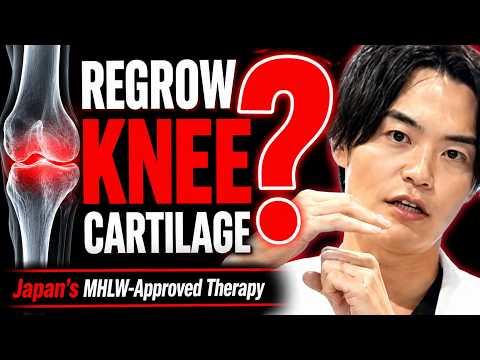
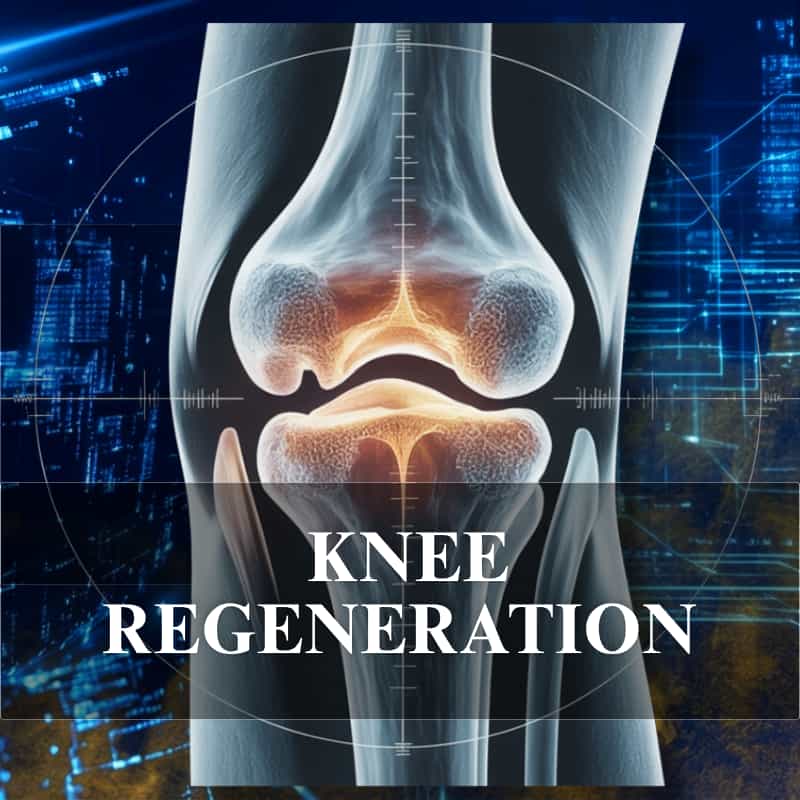
Facing invasive procedures, Thai patients are increasingly crossing borders for non-surgical stem cell therapy for knees in Tokyo. This breakthrough regenerative medicine offers rapid healing, allowing travelers to bypass painful joint replacements and restore mobility seamlessly.
The Shift From Invasive Knee Replacements to Regenerative Care
Across Southeast Asia, a profound demographic shift is occurring, bringing with it a tidal wave of age-related orthopedic conditions. In Thailand, the prevalence of degenerative osteoarthritis has reached unprecedented levels, affecting millions of active seniors, business executives, and former athletes. Historically, when cartilage degraded to the point of bone-on-bone friction, the universal gold standard of treatment was Total Knee Arthroplasty (TKA), more commonly known as a total knee replacement. While structurally effective, this highly invasive surgical intervention requires the amputation of the natural articular surfaces, replacing them with metal and polyethylene prosthetic components. For a growing demographic of health-conscious Thais, the prospect of general anesthesia, extensive bone resection, and the grueling months of required physical rehabilitation has become a highly undesirable proposition.
This widespread surgical fatigue has catalyzed a massive paradigm shift toward regenerative medicine. Rather than accepting the irreversible nature of joint replacement, informed patients are seeking out sophisticated biological interventions designed to heal the body from within. Regenerative therapies focus on halting joint degradation and actively repairing the micro-environment of the knee. By utilizing the body's own biological mechanisms to reduce localized inflammation and stimulate tissue regeneration, patients can achieve profound pain relief and functional restoration without ever entering a traditional operating room. This shift represents a fundamental evolution in orthopedic philosophy: moving away from the mechanical replacement of human parts and toward the cellular preservation of the natural joint anatomy.
Why Thai Medical Tourists Choose Stem Cell Therapy in Tokyo
The decision to pursue advanced orthopedic treatments abroad is rarely made lightly, yet an increasing number of Thai nationals are specifically selecting Japan as their ultimate medical destination. The reasoning is deeply rooted in both geographical convenience and unparalleled medical authority. Geographically, the flight from Bangkok to Tokyo is relatively brief and highly accessible, and favorable visa policies allow Thai citizens to travel to Japan with minimal bureaucratic friction. However, the primary magnetic force drawing patients is Japan's undisputed status as a global pioneer in cellular science. Obtaining non-surgical stem cell therapy in Tokyo provides patients with a level of clinical assurance that is difficult to replicate in emerging medical markets.
Japan's dominance in this specific sector is backed by a rich history of Nobel Prize-winning research and an incredibly stringent regulatory framework. The Japanese government implemented the Act on the Safety of Regenerative Medicine (ASRM), a highly sophisticated legal structure that strictly governs how cellular therapies are cultivated, processed, and administered. This ensures that any clinic offering stem cell therapy for knees in Tokyo operates under the highest echelon of safety and quality control in the world. For Thai medical tourists, who place a premium on safety and cutting-edge technology, traveling to Japan represents the ultimate convergence of luxury hospitality and elite, meticulously regulated medical innovation.
Did You Know? The recovery trajectory for traditional knee replacement often involves 3 to 6 months of intense physical therapy. In stark contrast, patients receiving autologous stem cell injections can typically resume light walking the very same day, making regenerative medicine the preferred choice for business leaders who cannot afford extended operational downtime.
Decoding the Science: How Stem Cell Therapy for Knees Works
To understand the massive surge in demand for regenerative knee treatments, one must examine the fascinating biological mechanics of Mesenchymal Stem Cells (MSCs). In the elite clinics of Japan, the procedure typically utilizes autologous adipose-derived stem cells—meaning the regenerative cells are harvested directly from the patient’s own abdominal fat tissue. This virtually eliminates the risk of allergic reaction, cellular rejection, or communicable disease transmission. Once a small sample of tissue is extracted via a minimally invasive micro-liposuction technique, the cells are transported to a highly sterile, GMP-certified laboratory. Here, the raw cells are isolated, purified, and expertly cultivated over several weeks to multiply into the tens of millions, creating a potent, concentrated biological therapeutic.
When these hyper-concentrated stem cells are precisely injected into the synovial capsule of the damaged knee using advanced ultrasound guidance, they immediately begin to execute complex cellular functions. First, they release powerful anti-inflammatory cytokines that rapidly neutralize the toxic, inflammatory environment causing the patient's acute pain. Secondly, through a process known as paracrine signaling, the MSCs instruct the body's native chondrocytes (cartilage cells) to begin multiplying and synthesizing new extracellular matrix. They essentially act as cellular foremen, recruiting local biological resources to patch micro-fissures in the cartilage and thicken the synovial fluid. This dual-action mechanism provides both rapid symptomatic pain relief and long-term structural preservation of the knee joint.
Spotlight on Innovation: The Role of Elite Tokyo Clinics
The execution of world-class regenerative medicine requires infrastructure that goes far beyond standard medical facilities. The clinics that cater to the influx of Thai and international patients are architectural and technological marvels, operating at the absolute bleeding edge of biotechnology. These facilities are heavily audited by the Japanese Ministry of Health, Labour and Welfare, ensuring their in-house cell processing centers maintain flawless sterility and cell viability rates. The equipment utilized for cell expansion and counting relies on proprietary Japanese biotechnology, ensuring that every injection delivers the exact therapeutic dose required to stimulate cartilage repair.
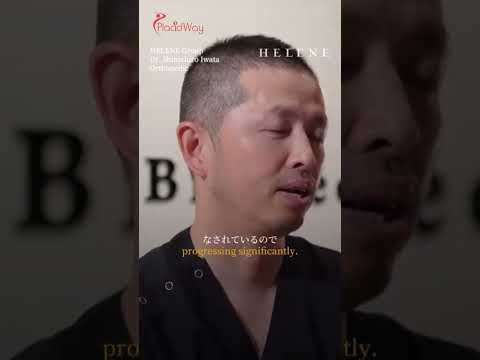
At the forefront of this medical revolution, elite facilities like HELENE - Stem Cell Clinic in Tokyo, Japan are pioneering these non-invasive treatments, attracting a global clientele seeking to bypass conventional surgery. Known for its hyper-personalized patient care and exceptional cellular viability rates, Helene Clinic has masterfully integrated Japanese hospitality (Omotenashi) with rigorous clinical science. Patients visiting such specialized centers are provided with comprehensive pre-treatment mapping, transparent cellular cultivation reports, and post-injection monitoring, ensuring a flawless continuum of care that justifies the journey across the Asian continent.
"We are witnessing a monumental pivot in orthopedic medical travel across the Asia-Pacific region. Patients are no longer willing to default to joint amputation when biological restoration is a viable reality. Tokyo has firmly established itself as the global capital of regenerative safety and innovation, providing patients with highly regulated, scientifically validated alternatives to invasive surgery."
— Pramod Goel, CEO of PlacidWay
Total Knee Replacement vs. Stem Cell Therapy in Tokyo
When international patients evaluate their options for severe osteoarthritis, visualizing the vast differences between traditional surgical methods and modern cellular therapies is crucial. Traditional replacement fundamentally alters the anatomy, relying on artificial materials that will eventually succumb to wear and tear. Conversely, the biological approach focuses entirely on preservation and natural enhancement. The table below outlines the stark contrast between these two distinct medical pathways, highlighting exactly why the non-surgical route has become highly favorable.
As illustrated, the divergence in patient experience is astronomical. For a Thai business executive or active retiree, avoiding the catastrophic disruption of a six-month rehabilitation period is invaluable. The ability to undergo a high-tech cellular injection and return to daily life almost immediately changes the entire calculus of orthopedic intervention.
The Economic Reality: True Costs of Regenerative Medicine
When analyzing the financial aspects of cross-border medical care, it is imperative to look beyond the initial price tag and consider the total economic impact of the procedure. At first glance, securing premium stem cell therapy in Japan requires a significant upfront investment, reflecting the intensive laboratory cultivation, elite specialist fees, and cutting-edge biotech equipment utilized. However, when compared to the holistic cost of a domestic knee replacement in a private Thai hospital, the economic narrative shifts dramatically. Total Knee Replacement carries massive indirect costs that are frequently overlooked during initial consultations.
A surgical knee replacement incurs costs for the prosthetic hardware, multi-day inpatient hospital stays, anesthesiology fees, and potentially months of post-operative physical therapy. Furthermore, the hidden cost of lost wages, diminished business productivity, and the requirement for in-home caregiving during the acute recovery phase can financially drain a family. By opting for non-surgical regenerative treatments, patients effectively bypass these prolonged secondary expenses. The "walk-in, walk-out" nature of cellular therapy means that the investment is concentrated purely on advanced biological healing, offering a substantial return on investment in the form of preserved time, maintained income, and rapid restoration of lifestyle.
Did You Know? The rigorous cellular expansion process utilized in Tokyo's top clinics can increase the volume of harvested stem cells by over 1,000 times. This massive concentration ensures that the targeted joint receives millions of potent regenerative cells, vastly outperforming simple, same-day centrifuge treatments found in unregulated markets.
How PlacidWay Simplifies Access to Japanese Stem Cell Care
Despite the overwhelming advantages of seeking Knee Replacement alternatives in Tokyo, navigating the logistics of international medical travel can be an intimidating barrier for many Thai patients. The Japanese healthcare system, while unparalleled in quality, is notoriously complex and highly insular. Elite clinics often have stringent intake protocols, require extensive pre-assessment medical records, and pose significant language barriers for non-Japanese speakers. Attempting to coordinate lab cultivation timelines, clinical appointments, and international travel independently often leads to frustration and delays in critical care.
This is where medical tourism facilitators become absolutely essential to the patient journey. Acting as a comprehensive bridge between Thai patients and elite Japanese medical institutions, PlacidWay meticulously orchestrates the entire regenerative medicine experience. Through their verified platform, patients can seamlessly evaluate accredited facilities, review transparent pricing models, and initiate secure virtual consultations with certified Japanese stem cell specialists. By handling the complex logistics of medical record translation, appointment scheduling, and localized concierge services, PlacidWay ensures that patients can direct their entire focus toward their healing and biological rejuvenation.
What to Expect During Your Tokyo Stem Cell Recovery
One of the most compelling aspects of choosing regenerative medicine in Japan is the remarkably smooth patient experience, which feels less like a major medical intervention and more like a specialized wellness retreat. Because the procedure leverages advanced microscopic interventions rather than large surgical incisions, the traditional concept of "recovery" is entirely redefined. For international travelers, the timeline typically unfolds through a highly manageable, multi-step process:
- Initial Extraction Phase: Patients undergo a minor, localized lipoaspiration procedure taking less than an hour. Following this, patients can immediately return to their hotel and engage in light tourism.
- The Cultivation Period: While the laboratory spends several weeks expanding the stem cells in a sterile environment, international patients can choose to return to Thailand or enjoy an extended holiday exploring Japan's rich cultural heritage.
- The Injection Day: Upon returning to the clinic, the hyper-concentrated cells are injected directly into the knee joint under precise ultrasound guidance—a process taking mere minutes.
- Immediate Post-Care: Patients are routinely encouraged to walk the very same day. Unlike invasive surgeries requiring crutches and braces, regenerative therapy allows for immediate, unassisted weight-bearing on the joint.
- Progressive Healing: Over the subsequent 3 to 6 months, patients report a gradual, continuous reduction in inflammation and a profound restoration of joint mobility as the new cartilage matrix solidifies.
By electing to undergo this sophisticated therapy, Thai patients are radically rewriting their medical destinies. They are replacing the anxiety, pain, and extensive downtime of total joint replacement with a seamless, scientifically advanced pathway to mobility, all set against the backdrop of one of the world's most technologically advanced and hospitable medical destinations.



.png)















Share this listing