


Bio-Facelift in Tokyo Drives Surge of Vietnamese Patients

Driven by soaring domestic surgical costs, a record number of Vietnamese travelers are seeking Stem Cell Skin Rejuvenation in Tokyo. This Bio-Facelift offers natural anti-aging, allowing patients to save significantly while avoiding the risks of traditional invasive surgery.
The Rise of the Bio-Facelift: A Shift from Scalpels to Stem Cells
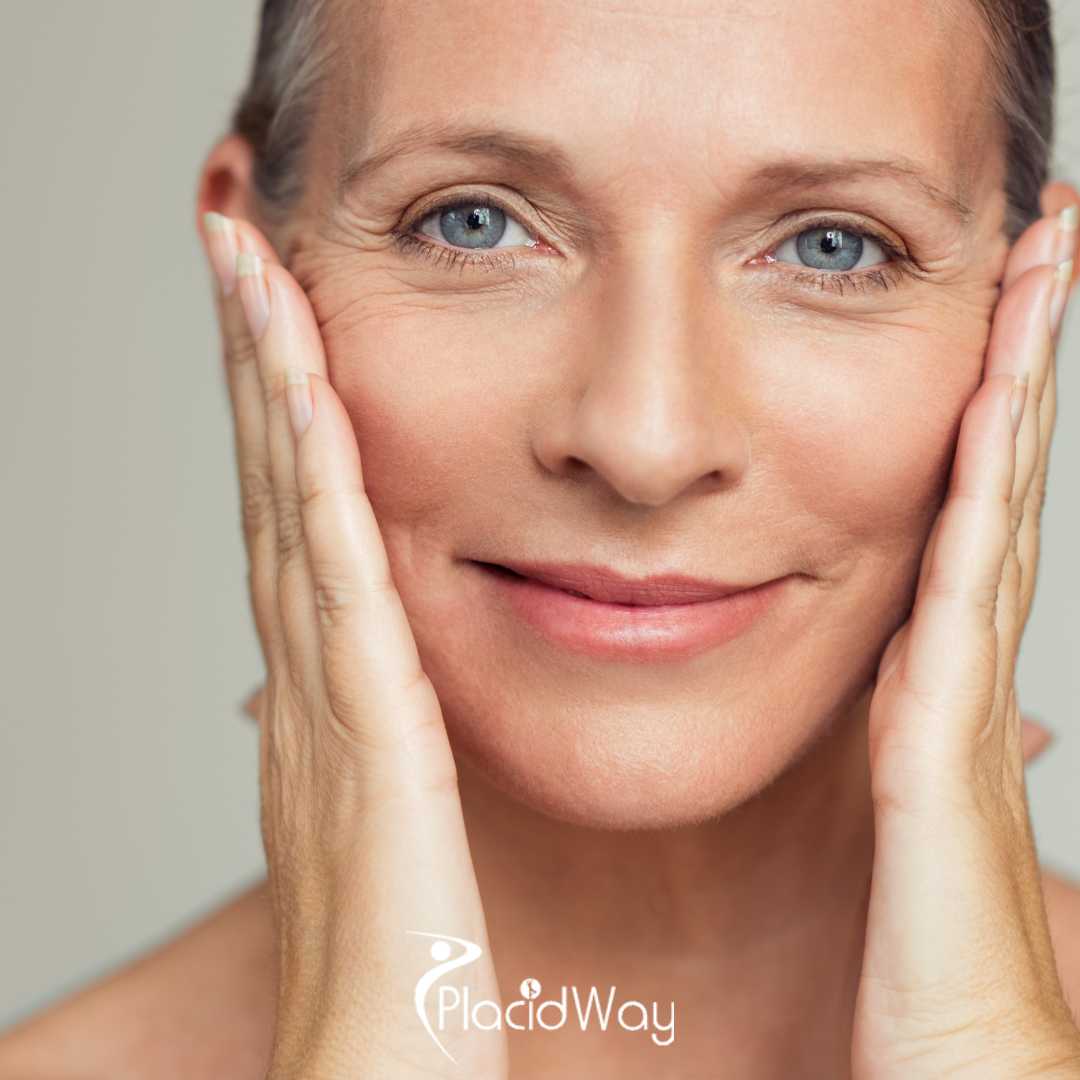
The global landscape of cosmetic enhancement is undergoing a dramatic paradigm shift, moving away from radical surgical interventions toward sophisticated, science-driven cellular regeneration. At the forefront of this movement is the "Bio-Facelift," a revolutionary non-surgical procedure that utilizes the body’s own biological material to reverse the visible signs of aging. Unlike a traditional rhytidectomy, which physically pulls and excises loose skin to create a tighter appearance, a Bio-Facelift addresses cellular senescence at a microscopic level. By harnessing powerful mesenchymal stem cells, this therapy naturally stimulates fibroblast activation, rapidly increasing the production of collagen, elastin, and hyaluronic acid from within the dermal layers.
This transition from scalpels to stem cells is resonating deeply within the Southeast Asian market, particularly among affluent Vietnamese patients. Historically, individuals seeking dramatic anti-aging results had no choice but to accept the severe bruising, extended downtime, and unnatural "wind-tunnel" look occasionally associated with traditional plastic surgery. Today, the modern aesthetic consumer is fiercely protective of their natural facial anatomy. They are actively seeking minimally invasive alternatives that deliver profound, progressive revitalization without altering their fundamental bone structure or facial expressions. The Bio-Facelift perfectly aligns with this modern desire, offering a sophisticated pathway to aging gracefully without going under the knife.
Did You Know? The volume of Vietnamese medical tourists traveling for regenerative medicine has spiked by an estimated 45% recently. Anti-aging treatments in Japan, specifically autologous stem cell applications for facial rejuvenation, now account for the vast majority of these specialized cross-border healthcare bookings.
Why Vietnamese Patients Choose Stem Cell Skin Rejuvenation in Japan
For discerning Vietnamese consumers, the choice of destination is just as critical as the choice of procedure. Japan has cultivated an unassailable global reputation as the undisputed pioneer in regenerative medicine. The island nation's relentless commitment to scientific rigor, combined with its profound cultural emphasis on meticulous precision and hospitality (Omotenashi), creates an unparalleled medical tourism environment. Geographic proximity also plays a crucial role; with direct, relatively short flights connecting Hanoi and Ho Chi Minh City to Tokyo, patients can seamlessly integrate world-class anti-aging therapies into a luxurious weekend getaway or business trip, sidestepping the massive time zones and jet lag associated with traveling to the United States or Western Europe.
Furthermore, Vietnamese patients are acutely aware of the specialized expertise housed within Tokyo's elite medical districts. Rather than settling for generalized aesthetic centers, they are actively targeting highly regulated, licensed regenerative institutes. For instance, internationally recognized and legally certified facilities like HELENE - Stem Cell Clinic in Tokyo, Japan have become premier hubs for this exact demographic. By securing treatments at such prestigious, government-approved clinics, international patients guarantee that their biological materials are processed in state-of-the-art, sterile cultivation laboratories, ensuring maximum cellular viability and the safest, most potent aesthetic outcomes possible.
Decoding the Financials: Tokyo Stem Cell Therapy vs. Traditional Surgery
A primary catalyst for the influx of Vietnamese patients into the Japanese market is a surprising economic reality: advanced stem cell therapy is frequently more cost-effective than comprehensive traditional facial surgery. When considering a standard surgical facelift, patients are subjected to a cascade of compounded expenses. Domestic or regional surgical interventions require payment for the primary surgeon, general anesthesia, operating room utilization, overnight hospital stays, and a litany of post-operative medications. Furthermore, surgical patients face massive hidden costs in the form of lost income due to mandatory extended recovery periods, which can sideline a professional for up to a month.
Conversely, the financial architecture of a Bio-Facelift in Japan is highly streamlined. Because the procedure leverages local anesthesia and is performed entirely on an outpatient basis, patients completely bypass exorbitant hospital facility fees and anesthesiologist costs. The investment is concentrated entirely on the proprietary biotechnology—the extraction and sophisticated laboratory cultivation of the stem cells. When evaluating the overall financial impact, including the complete absence of long-term downtime, Vietnamese medical tourists discover that natural stem cell skin rejuvenation in Japan offers an incredibly high return on investment, delivering lasting youthfulness without the financial hemorrhage of surgical aftercare.
What to Expect During a Natural Stem Cell Skin Rejuvenation Journey
Navigating a regenerative medical journey in Tokyo is characterized by pristine efficiency and deep respect for patient comfort. The Bio-Facelift is not a mass-produced cosmetic injection; rather, it is a highly personalized, multi-stage biotechnological process. International patients booking premium packages can expect a meticulously orchestrated timeline that prioritizes both medical safety and a stress-free travel experience. The standard protocol for this advanced therapy generally includes the following distinct phases:
- Comprehensive Biomarker Screening: Upon arrival, patients undergo extensive blood work and cellular health evaluations to ensure they are prime candidates for autologous (self-derived) stem cell cultivation, ruling out any underlying contraindications.
- Minimally Invasive Extraction: Under local anesthesia, a highly specialized physician performs a micro-liposuction procedure, typically from the abdomen or thigh. This extracts a small volume of adipose (fat) tissue, which is incredibly rich in potent mesenchymal stem cells.
- Advanced Cell Cultivation: The extracted tissue is securely transported to a government-regulated Cell Processing Center (CPC). Over several weeks, highly skilled biotechnologists isolate and multiply the viable stem cells by the millions in a strictly controlled, sterile environment.
- Targeted Micro-Reinjection: Once the customized cell culture reaches optimal density, the patient returns to the clinic. Using ultra-fine mesotherapy needles, the concentrated stem cells are strategically injected into the dermal layers of the face, targeting deep wrinkles, hollow areas, and compromised skin textures.
- Progressive Biological Integration: Unlike dermal fillers that provide immediate but temporary artificial volume, the reinjected stem cells immediately begin repairing the underlying tissue architecture, with visible tightening and glow improving progressively over the following months.
Advanced Japanese Regenerative Technology Transforming Aesthetics
The secret behind the staggering success rates of Stem Cell Skin Rejuvenation in Japan lies within the country's unparalleled mastery of laboratory cultivation technologies. In many regions of the world, "stem cell" cosmetic treatments merely involve spinning fat in a standard centrifuge to isolate a stromal vascular fraction—a process that yields a relatively low count of actual, viable stem cells. Japan has completely shattered this technological ceiling. By utilizing sophisticated, patented cell expansion techniques within clean-room environments, Japanese laboratories can multiply a patient's cell count by up to 10,000 times before reinjection.
This massive volume of highly viable, youthful cells is what creates the "Bio-Facelift" effect. When reintroduced into the aging facial matrix, these millions of cells act as a biological construction crew. They not only replace dying cells but actively secrete critical growth factors (such as VEGF and TGF-beta) that trigger surrounding older cells to behave youthfully again. This intense, targeted bio-signaling stimulates massive angiogenesis (the formation of new blood vessels), fundamentally transforming gray, thinning skin into thick, vascularized, elastic tissue. This level of regenerative transformation is entirely unachievable through traditional surgical manipulation.
"We are observing a massive, intelligence-driven shift in Southeast Asian medical tourism. Vietnamese patients are no longer willing to accept the traumatic downtime and unnatural results of traditional facial surgery. By leveraging PlacidWay's network to access Japan's hyper-advanced regenerative medicine sector, they are securing elite, non-invasive bio-facelifts that essentially program their skin to age backwards, all while making a highly calculated, transparent financial investment."
— Pramod Goel, CEO of PlacidWay
Ensuring Safety: Japan’s Strict Regulatory Landscape for Stem Cells
While the promise of anti-aging through stem cells is alluring, the global market is unfortunately plagued by unregulated, black-market "clinics" offering unsafe, unverified treatments. This is the exact reason why health-conscious Vietnamese patients are aggressively pivoting to Japan. The Japanese government, via the Ministry of Health, Labour and Welfare (MHLW), enforces some of the most stringent and comprehensive legislative frameworks for regenerative medicine on the planet. The Act on the Safety of Regenerative Medicine (ASRM) ensures that cellular therapies are treated with the exact same gravity and regulatory oversight as advanced pharmaceutical drugs.
To legally offer Stem Cell Therapy in Japan, a clinic cannot simply purchase equipment; they must undergo exhaustive, continuous governmental audits. Their partnered Cell Processing Centers must meet exceptional ISO-certified standards for sterility and cell viability tracking. Every single batch of cultivated cells is subjected to rigorous testing for bacterial contamination, endotoxins, and genetic stability before it is cleared for patient injection. For the international medical tourist, this uncompromising regulatory environment provides an absolute guarantee of safety, completely mitigating the severe risks associated with unregulated cosmetic tourism in lesser-developed regions.
Did You Know? The downtime difference is staggering. A traditional surgical facelift requires patients to wear compression bandages and hide from the public eye for up to a month. With a Bio-Facelift utilizing micro-injections, patients can safely resume exploring Tokyo's vibrant culinary and shopping districts within 24 to 48 hours, displaying nothing more than a flushed, "sunburn-like" glow.
How PlacidWay Connects Vietnamese Patients to Elite Tokyo Clinics
Despite the overwhelming benefits of undergoing aesthetic regenerative medicine in Japan, the logistical execution of such a trip can be profoundly daunting for an independent traveler. Language barriers, complex visa requirements for medical travel, and the intense difficulty of verifying a foreign clinic's government certifications create massive hurdles for the average consumer. Without an insider understanding of Tokyo’s specialized medical districts, patients risk falling prey to medical brokers who prioritize their own commissions over patient safety and clinical excellence.
This is where dedicated medical tourism facilitators become an indispensable asset. Acting as a trusted global conduit, PlacidWay bridges the gap between Vietnamese patients and Japan's most heavily vetted regenerative institutes. By utilizing the platform, patients can easily compare comprehensive profiles of MHLW-certified stem cell clinics, review transparent pricing structures completely devoid of hidden fees, and secure native-language medical translators for all consultations. PlacidWay’s dedicated care coordination effectively dismantles all logistical barriers, allowing the patient to focus solely on their health, comfort, and impending aesthetic transformation.
The Future of Non-Surgical Anti-Aging and the Recovery Experience
The post-treatment phase of a Bio-Facelift highlights one of the most remarkable advantages of choosing stem cell therapy over invasive surgery: the absolute freedom of recovery. Instead of being confined to a darkened hotel room managing surgical drains and intense pain medications, Vietnamese patients can immediately engage in luxury tourism. Because the micro-injections require zero scalpels or deep tissue trauma, patients frequently spend their recovery days safely enjoying the serene beauty of Japanese botanical gardens, partaking in high-end shopping in Ginza, and experiencing world-renowned Michelin-starred dining. It is a medical journey that feels infinitely more like a restorative luxury vacation.
Ultimately, the true magic of the Bio-Facelift unfolds long after the patient has returned home to Vietnam. While surgical results begin to degrade the moment the swelling subsides, stem cell therapy initiates a long-term biological cascade. Over the course of three to six months, the cultivated cells continuously repair micro-damage, smoothing out nasolabial folds, erasing fine lines, and restoring a plump, luminous, undeniably youthful contour to the face. By bypassing the scalpel and embracing the body’s innate regenerative power, patients are not just masking the signs of aging—they are fundamentally reprogramming their skin to thrive.
.png)



.png)
.png)
.png)










Share this listing