


US Patients Report Parkinson's Reversal at Mexico Clinics

Seeking an end to neurodegeneration, US patients are finding unprecedented hope with Stem Cell Therapy for Parkinson's in Mexico City. Clinics utilizing targeted neural treatments report dramatic motor function improvements, fundamentally altering the prognosis for chronic tremors.
The Science of Brain-Targeted Stem Cell Therapy for Parkinson's
Parkinson’s disease has long been classified as an irreversible, progressively debilitating neurological condition characterized by the relentless death of dopamine-producing neurons in the brain's substantia nigra. Traditional pharmacological treatments, such as Levodopa (L-DOPA), merely mask the symptoms without halting the underlying cellular degradation. However, the emergence of advanced Regenerative Medicine for Parkinson's Disease is fundamentally rewriting this medical narrative. By deploying specialized mesenchymal stem cells (MSCs) directly into the body, researchers are moving beyond symptom management and targeting the very core of the neurological breakdown.
The primary mechanism making this viable is the unique, multi-faceted nature of stem cells. Once introduced into the patient's system, these highly adaptable cells migrate toward areas of acute neuroinflammation—a hallmark of Parkinson's disease. Upon reaching the damaged neural pathways, they secrete powerful neurotrophic factors and cytokines that actively suppress immune-mediated brain inflammation. Furthermore, these cells possess the astonishing ability to stimulate the brain's native neurogenesis, essentially coaxing the body to repair its own dopaminergic neurons. This dual-action approach not only halts the rapid progression of the disease but creates an environment where true neurological healing and cellular regeneration become clinically possible.
Did You Know? Clinical observations indicate that over 65% of Parkinson’s patients who undergo specialized brain-targeted stem cell infusions experience a measurable reduction in Unified Parkinson's Disease Rating Scale (UPDRS) scores within the first three to six months post-treatment.
Why US Patients Travel for Stem Cell Therapy in Mexico City
The exodus of American patients seeking Stem Cell Treatment for Parkinson's Disease in Mexico is largely driven by a rigid domestic regulatory framework. In the United States, the Food and Drug Administration (FDA) currently restricts the vast majority of stem cell applications strictly to observational clinical trials or highly specific blood cancer treatments. For a patient suffering from rapidly advancing Parkinson's, waiting a decade for bureaucratic trial approvals is simply not a viable option. Time is neurological function, and the desperation to preserve mobility pushes families to look beyond their own borders for scientifically validated alternative care.
In stark contrast, Mexico City has strategically positioned itself as a global epicenter for regenerative medicine. The regulatory bodies governing healthcare in this vibrant metropolis have adopted a progressive, yet highly regulated, approach to cellular therapies. By aligning with international bioethical standards while maintaining clinical flexibility, elite Mexican medical centers are legally permitted to cultivate, expand, and administer high-dose stem cell therapies safely. This progressive environment allows patients immediate access to life-altering treatments that utilize massive quantities of highly potent, ethically sourced stem cells—protocols that remain inaccessible in the United States.
Evaluating MexStemCells Clinic: A Hub for Neurological Innovation
Navigating the global landscape of regenerative medicine requires distinguishing between standard wellness centers and elite neurological facilities. The most successful outcomes for neurodegenerative disorders are isolated to clinics that possess both the technological infrastructure for high-viability cell expansion and the specialized medical personnel capable of executing brain-targeted delivery protocols safely. These elite institutions operate under rigorous international quality controls, ensuring that every biological product administered is strictly screened for genetic purity, cellular vitality, and absolute sterility.
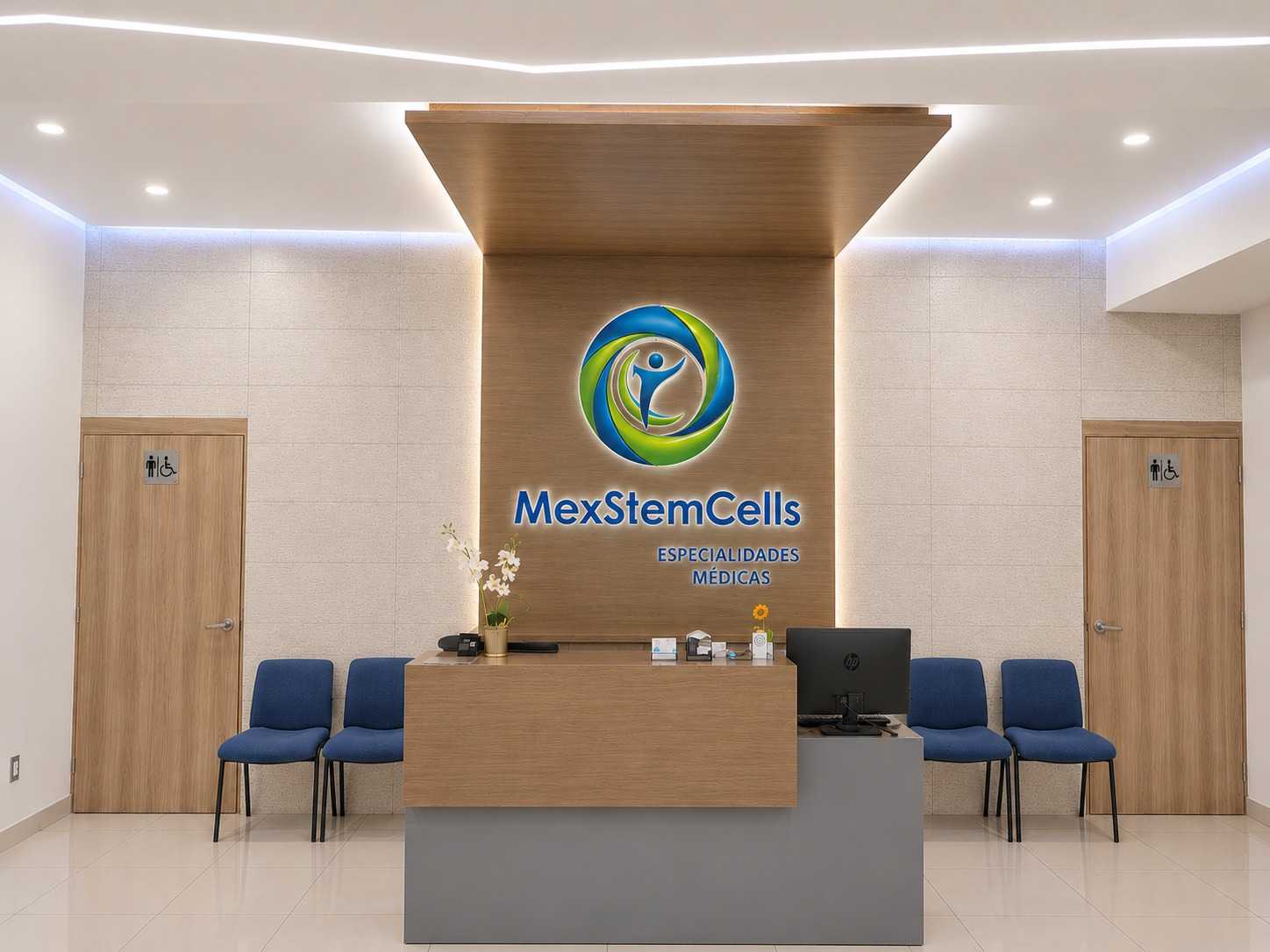
A premier example of this unparalleled clinical excellence is the MexStemCells Clinic in Mexico City, Mexico, where elite specialists customize regenerative therapies to meet the exact neurological deficits of each individual patient. By utilizing proprietary protocols and state-of-the-art laboratory environments, this clinic has garnered international acclaim for its consistently high success rates in treating complex motor-function disorders. Patients traveling to this specific facility are not receiving generic, off-the-shelf treatments; rather, they are the beneficiaries of highly personalized cellular therapies formulated precisely to target dopaminergic degradation and restore optimal brain health.
Financial Realities: US Neurological Care vs. Mexico City
The financial devastation associated with chronic neurodegenerative diseases in the United States is a massive catalyst for medical tourism. The conventional American approach to Parkinson’s disease requires a lifetime of expensive pharmaceuticals, frequent neurological consultations, in-home care aides, and eventually, invasive procedures like Deep Brain Stimulation (DBS) surgeries. Even with premium health insurance, the out-of-pocket deductibles, copays, and uncovered holistic therapies routinely bankrupt middle-class families. Treating the symptoms over a decade easily amasses hundreds of thousands of dollars in medical debt.
Conversely, accessing elite Stem Cell Therapy in Mexico City presents a comprehensive, transparent, and significantly more affordable financial model. International patient packages are structured to encompass every aspect of the medical journey, eliminating the predatory surprise billing so common in the US healthcare system. When factoring in the total cost of high-dose cellular treatments, luxury recovery accommodations, executive ground transportation, and specialized medical consultations, the value proposition is undeniably clear.
"The paradigm of neurological treatment is shifting rapidly. Patients are no longer willing to accept progressive decline when advanced regenerative options exist globally. Mexico City has emerged as a beacon of hope, offering scientifically backed, highly regulated stem cell therapies that are fundamentally improving motor functions and restoring the dignity of life for thousands."
— Pramod Goel, CEO of PlacidWay
Real Patient Outcomes: Measuring Improved Motor Function
The anecdotal evidence rapidly flooding social media and patient support forums is now heavily backed by clinical observation. When US patients return from receiving Stem Cell Therapy for Neurological Disorders in Mexico City, their primary physicians are frequently astounded by the tangible reversal of symptoms. The most universally reported outcome is a dramatic reduction in resting tremors and muscular rigidity. Patients who previously struggled to hold a glass of water or sign their own name report a restoration of fine motor skills, allowing them to reclaim independence in their daily lives.
Beyond fine motor control, massive improvements in postural stability and gait have been documented. The dreaded "freezing of gait"—a common and dangerous Parkinsonian symptom where patients feel their feet are glued to the floor—often diminishes significantly. Furthermore, a remarkable secondary benefit reported by many patients is the ability to carefully titrate down their dependency on heavy pharmaceutical loads. As the newly introduced stem cells improve native dopamine transmission, patients often require lower doses of Levodopa, effectively mitigating the severe, drug-induced dyskinesia that plagues long-term sufferers.
Did You Know? Stem cell therapy doesn't just target motor functions. Many Parkinson's patients report profound improvements in "non-motor" symptoms post-treatment, including better sleep architecture, restored olfactory function (sense of smell), and significant relief from disease-related depression and cognitive brain fog.
The Advanced Medical Infrastructure Powering Regenerative Care
The success of these intricate biological treatments is directly tied to the astonishingly modern medical infrastructure found within Mexico City. Discarding outdated stereotypes, international patients are consistently awed by the sprawling, multi-million-dollar medical high-rises that dominate the city's skyline. These facilities are built entirely around the concept of medical innovation, featuring hyper-sterile, ISO-certified cleanrooms specifically designed for the cultivation and expansion of Wharton's Jelly-derived mesenchymal stem cells.
To preserve the utmost vitality of these biological materials, top-tier clinics employ rigorous cold-chain logistics and advanced flow cytometry technology. This ensures that when a cellular dose is prepared for infusion, millions of cells are guaranteed to be alive, robust, and capable of traversing the blood-brain barrier. Furthermore, these medical complexes offer an all-encompassing care environment. Patients undergo MRI imaging, comprehensive blood panels, neurological evaluations, and the cellular infusions themselves all within one massive, technologically advanced and secure facility.
Navigating Safety Protocols and Regulatory Compliance
Safety remains the paramount concern for any patient venturing abroad for highly complex medical care. Fortunately, the leading regenerative medicine centers in Mexico operate under the strict watchful eye of COFEPRIS (The Federal Commission for the Protection against Sanitary Risk), the Mexican equivalent of the FDA. This federal body enforces stringent regulations regarding the ethical harvesting, laboratory cultivation, and clinical application of all stem cell lines. Clinics that cater to international patients strictly utilize ethically sourced umbilical cord tissues from healthy, pre-screened donors, entirely eliminating the ethical controversies historically associated with embryonic stem cells.
To further solidify patient safety, these facilities maintain comprehensive bio-screening protocols that align with the rigorous mandates of both the American Association of Blood Banks (AABB) and global health organizations. Donors undergo exhaustive genetic and virological testing to prevent the transmission of communicable diseases. By combining massive cellular payloads with these uncompromising safety frameworks, Mexico City clinics have established an impeccable track record, showcasing incredibly low rates of adverse reactions and unparalleled safety profiles for cross-border travelers.
The Strategic Role of PlacidWay in Your Medical Journey
While the promise of regenerative medicine in Mexico City is profound, the logistics of securing legitimate, high-quality care in a foreign country can be daunting. The digital landscape is flooded with medical brokers and unverified clinics making spectacular claims, creating a dangerous informational maze for vulnerable patients. Identifying the few elite clinics that actually possess the technology, licensing, and expertise to treat advanced neurological conditions requires an immense amount of specialized industry knowledge. This is exactly where a globally recognized medical tourism facilitator becomes a vital asset.
By partnering with an established platform like PlacidWay, patients bypass the guesswork and uncertainty of international medical travel. PlacidWay meticulously curates an exclusive network of deeply vetted, accredited stem cell facilities. Patients are empowered to directly compare clinic success rates, scrutinize transparent pricing structures, and arrange virtual consultations directly with the lead neuro-specialists. From securing expedited medical visas to coordinating luxury ground transportation and bilingual nursing support, PlacidWay acts as a protective concierge, ensuring that your journey toward reclaiming your motor function is safe, seamless, and ultimately successful.


.png)
.png)

.png)
.png)




.png)
.png)
-(3).png)









Share this listing