


UK Surge: Autism Stem Cell Therapy in Slovakia Beats NHS
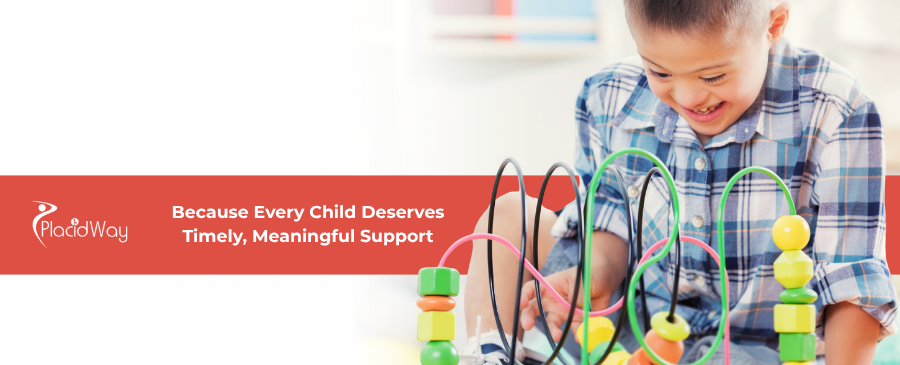
Frustrated by endless NHS delays, UK parents are increasingly seeking stem cell autism therapy in Slovakia. This medical trend offers rapid access to innovative, life-changing pediatric neurodevelopmental treatments for children without the agonizing multi-year wait.
The Escalating NHS Crisis and the Push for Global Alternatives
The National Health Service (NHS) has long been a pillar of British healthcare, but for families navigating pediatric neurodevelopmental conditions, the system has reached a critical breaking point. Current data reveals that hundreds of thousands of children in the UK are languishing on assessment and intervention waitlists. For a child presenting with signs of Autism Spectrum Disorder (ASD), the time between initial GP referral and an actionable specialist consultation can stretch across several agonizing years. This immense bureaucratic bottleneck deprives young patients of the crucial early-intervention phase—a finite biological window where neuroplasticity is at its absolute peak, and targeted therapies can yield the most profound, life-altering improvements.
Driven by desperation and an unwavering commitment to their children's futures, a surging demographic of British parents is refusing to accept the status quo. Instead of remaining paralyzed by domestic healthcare backlogs, they are proactively researching alternative autism treatments abroad. The global medical tourism industry has observed a massive, unprecedented spike in queries for regenerative medicine in Central Europe. By bypassing the fragmented UK public health infrastructure, these proactive families are reclaiming agency, opting to invest in immediate, highly specialized care that prioritizes rapid clinical action over endless administrative delays.
Did You Know? The most critical window for early autism intervention is universally recognized by neurologists to be between the ages of two and five. Prolonged delays in therapeutic initiation can severely restrict long-term cognitive development and adaptive behavioral outcomes.
Understanding Regenerative Stem Cell Therapy for Neurodevelopment
At the forefront of this medical migration is a profound interest in the biological mechanics of regenerative medicine. Stem cell autism therapy utilizes ethically sourced, rigorously screened Mesenchymal Stem Cells (MSCs), frequently derived from donated umbilical cord tissue. Unlike pharmaceutical interventions that primarily aim to sedate or manage severe behavioral symptoms, MSC therapy targets the underlying systemic abnormalities frequently observed in autistic patients. Leading international researchers posit that autism is closely linked to chronic neuroinflammation and immune system dysregulation.
When administered through advanced clinical protocols, these potent multipotent cells migrate toward areas of severe inflammation within the central nervous system. Once there, they initiate a powerful paracrine effect—releasing vital growth factors, cytokines, and exosomes that promote tissue repair, stimulate angiogenesis (the formation of new blood vessels), and dramatically modulate the immune response. Following this advanced procedure in international clinics, parents frequently report highly encouraging developmental milestones. Documented anecdotal and clinical observations include significantly enhanced expressive speech, improved eye contact, stabilized mood regulation, and a noticeable reduction in severe repetitive or self-injurious behaviors, granting children a greater capacity for social integration and learning.
Why European Medical Centers are the Premier Choice for UK Parents
While medical tourism spans the globe, Central Europe has distinctly positioned itself as the undisputed leader in accessible, highly regulated regenerative biotherapies. The geographical proximity to the United Kingdom makes travel exceptionally manageable for families with neurodivergent children, minimizing the sensory overload associated with long-haul international flights. Furthermore, Central European nations operate under the stringent oversight of the European Medicines Agency (EMA), ensuring that every laboratory protocol, cell cultivation process, and clinical administration adheres to the highest global safety and ethical standards.
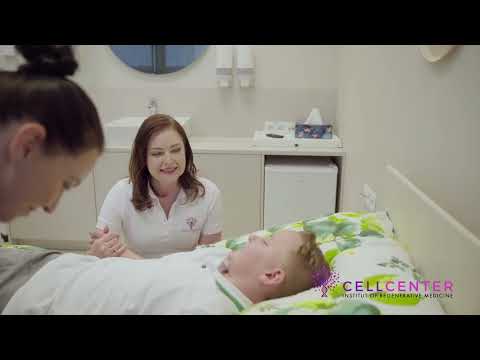
Among the elite facilities drawing unprecedented international attention, CellCenter in Slovakia stands out as a pioneering beacon of pediatric regenerative care. This state-of-the-art medical institution has revolutionized the patient experience by integrating world-class biotechnological research with compassionate, multidisciplinary clinical applications. CellCenter in Slovakia employs a comprehensive team of pediatric neurologists, immunologists, and developmental therapists who collaborate to create customized, hyper-targeted treatment protocols. By focusing intensely on the unique metabolic and neurological profile of each child, facilities like this provide a level of deeply personalized medical attention that simply cannot be replicated within an over-burdened public healthcare system.
Breaking Down the Economics: Private UK Clinics vs. Slovakian Packages
When UK families inevitably pivot away from the NHS, their immediate alternative is the domestic private healthcare sector. However, the financial barriers to entry in London and other major British cities are staggering. Private comprehensive diagnostic assessments, continuous speech therapy, applied behavior analysis (ABA), and functional medicine consultations can easily deplete a family's life savings. More importantly, advanced regenerative stem cell therapies are largely inaccessible or prohibitively expensive within the UK due to rigid regulatory frameworks and exorbitant laboratory cultivation costs.
By contrast, the medical tourism model offers an entirely different financial paradigm. Driven by lower operational overhead, heavily subsidized local medical education, and highly competitive European healthcare markets, international clinics provide all-inclusive therapeutic bundles. These transparent packages dramatically offset the cost of international travel. When comparing the true out-of-pocket investment, the economic efficiency of seeking elite regenerative protocols in Central Europe becomes an undeniably logical choice for middle-class families seeking the best possible outcomes.
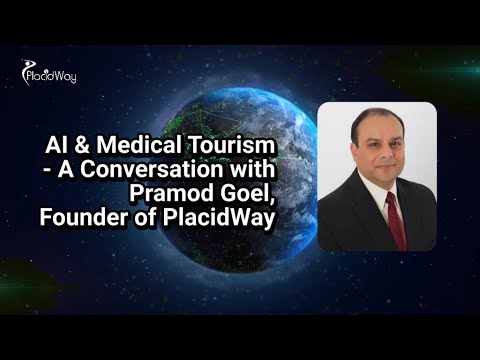
"The ongoing strain on public healthcare systems has fundamentally altered how parents approach pediatric neurodevelopmental care. UK families are no longer willing to sacrifice their child's critical developmental window to bureaucratic waitlists. By proactively seeking regenerative protocols in highly regulated Central European hubs, they are reclaiming control. We are witnessing a massive, undeniable shift toward specialized international facilities that combine groundbreaking biotechnology with deeply compassionate, family-centric care."
— Pramod Goel, CEO of PlacidWay
The Elite Safety Standards of Central European Biotherapy Clinics
A natural concern for any parent exploring cross-border medical treatments is the assurance of uncompromised safety and clinical hygiene. The misconception that traveling abroad equates to a reduction in medical standards is rapidly disintegrating in the face of Central Europe's advanced healthcare infrastructure. Biotherapy clinics in this region utilize hyper-sterile, ISO-certified cleanrooms equipped with the latest generation of High-Efficiency Particulate Air (HEPA) filtration systems. The cell cultivation processes are continuously monitored by independent biological auditors to guarantee absolute cellular viability, purity, and freedom from any pathogenic contamination.
Moreover, the specialized medical staff administering these treatments are globally recognized leaders in their respective fields. Many head pediatric neurologists and lead biotechnologists operating in these hubs have completed extensive fellowships across North America and Western Europe, ensuring a seamless integration of the world's most advanced medical philosophies. This cross-pollination of global expertise, strictly bound by the legal frameworks of European medical law, guarantees that every child receives an impeccably safe, highly regulated, and ethically sound medical intervention.
Did You Know? Slovakian medical facilities operate under some of the most rigorous biogenetic regulations in the world, strictly adhering to the European Union's directives for Advanced Therapy Medicinal Products (ATMPs), ensuring unparalleled safety and cell viability for pediatric patients.
Decoding the Patient Journey: What to Expect Upon Arrival
Elite international clinics understand that traveling with an autistic child requires an exceptionally nuanced, sensory-friendly approach. To mitigate travel anxiety and ensure a smooth clinical experience, top-tier medical tourism packages are meticulously structured. When families embark on this transformative journey, they are enveloped in a highly supportive concierge medical ecosystem:
- Pre-Arrival Virtual Assessments: Long before boarding a flight, parents engage in detailed, multi-hour video conferences with the lead clinical team. They submit the child’s full UK medical history, allowing the international lab to prepare customized cellular dosages.
- Concierge Airport Transfers: Upon landing, families are greeted by bilingual medical facilitators and transported in private, quiet, climate-controlled vehicles directly to their luxury accommodations or the medical center, avoiding the chaos of public transit.
- Sensory-Optimized Clinical Environments: Treatment rooms are specifically designed with neurodivergent children in mind, featuring dimmable lighting, sound-dampening architecture, and a distinct lack of harsh clinical odors to prevent sensory overstimulation.
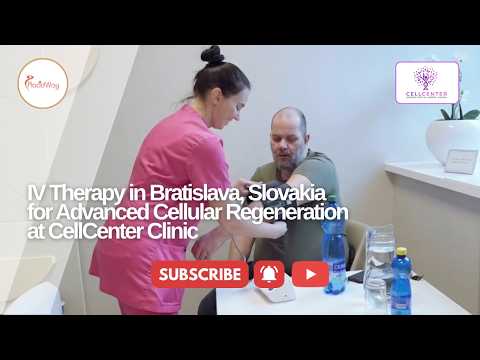
- Non-Invasive Administration: The actual stem cell delivery is typically performed via a straightforward intravenous (IV) drip or intrathecal injection under mild, pediatric-safe sedation, ensuring the child experiences absolutely zero trauma or discomfort.
- Comprehensive Aftercare Protocols: Post-treatment, families remain in the destination for observation, receiving nutritional counseling, physical therapy plans, and a structured follow-up schedule to track developmental milestones once they return to the UK.
The Psychological Relief for Families Taking Action
The psychological toll of fighting a rigid, overburdened public health system cannot be overstated. For months or even years, parents of neurodivergent children often exist in a state of chronic stress, battling administrative red tape while watching the most critical years of their child’s neurological development slip away. The feeling of helplessness associated with being placed at the bottom of an endless waiting list frequently leads to profound parental burnout and despair.
Making the definitive choice to pursue regenerative therapies abroad fundamentally shifts this emotional dynamic from passive waiting to proactive empowerment. Upon arriving at these advanced European biocenters, parents frequently express an overwhelming sense of relief. For the first time in their diagnostic journey, they are met by a medical team that listens intently, moves swiftly, and implements cutting-edge science designed specifically for their child's unique needs. This validation, coupled with the realistic hope of imminent clinical improvement, is a deeply restorative psychological turning point for the entire family unit.
How PlacidWay Streamlines Your Cross-Border Healthcare Journey
Navigating the complex landscape of international medical travel can initially appear daunting. Identifying legitimate, globally accredited clinics amidst a sea of internet marketing requires rigorous vetting. Language barriers, international currency exchanges, and coordinating complex medical logistics add layers of difficulty that parents of autistic children simply do not have the bandwidth to manage alone. This is exactly where the strategic intervention of a dedicated medical tourism facilitator becomes the cornerstone of a successful clinical journey.
PlacidWay serves as an indispensable, transparent bridge between UK families and the world’s elite regenerative medical centers. By maintaining an intensely curated network of fully verified, board-certified international providers, PlacidWay removes the guesswork and anxiety from medical travel. Families can effortlessly review detailed clinic profiles, analyze authentic patient testimonials, compare all-inclusive pricing structures, and schedule direct virtual consultations with leading global specialists. With PlacidWay handling the logistical complexities, parents can remain entirely focused on what truly matters: supporting their child through a life-changing therapeutic transformation.









.png)










Share this listing