


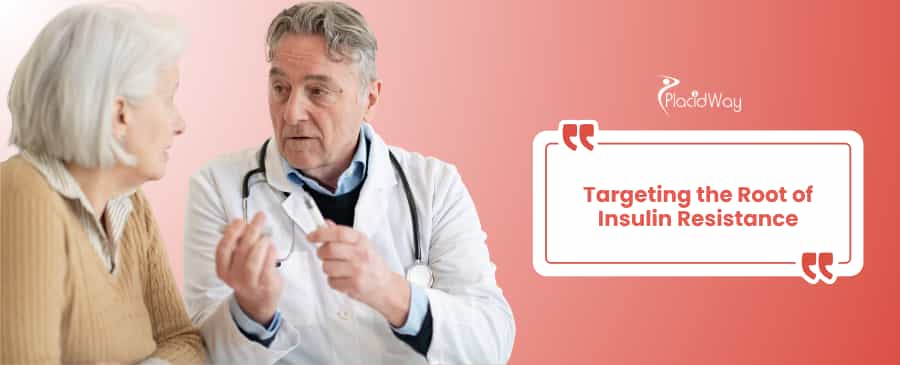
The global medical community is witnessing a profound shift in how metabolic disorders are approached, moving away from simple symptom management toward regenerative solutions. As we look toward the innovations of 2026, stem cell therapy for Type 2 diabetes in Bratislava is emerging as a compelling focal point. This Central European hub is rapidly gaining recognition for pioneering research designed to address the underlying cellular dysfunctions that cause insulin resistance, offering a new perspective on metabolic health.
For decades, standard protocols have primarily focused on artificially lowering blood sugar through daily medications and exogenous insulin. However, the advancing stem cell research in Bratislava aims to target the “root cause” of the condition—pancreatic beta-cell degradation and systemic inflammation. By utilizing the body's own regenerative capabilities, medical professionals are exploring ways to restore natural metabolic harmony, bringing renewed hope to international patients navigating chronic metabolic challenges.
Bratislava's strategic location in the heart of Europe has allowed it to become a collaborative nexus for leading biotech researchers from Austria, Germany, and Switzerland, accelerating the development of regenerative medicine protocols.
The Science Behind Stem Cell Research for Insulin Resistance in Slovakia
Type 2 diabetes is fundamentally characterized by a progressive failure of the pancreas to produce adequate insulin, combined with the body's inability to use that insulin effectively. Regenerative therapy for insulin resistance in Slovakia utilizes Mesenchymal Stem Cells (MSCs), which are typically sourced from the patient’s own adipose (fat) tissue or bone marrow. These specialized cells possess unique immunomodulatory properties that help calm the chronic systemic inflammation often responsible for cellular insulin resistance.
Once introduced into the body, MSCs generally migrate toward areas of tissue damage through a process known as homing. In the context of metabolic rebirth, these cells are believed to support the repair of damaged pancreatic beta cells and improve peripheral tissue sensitivity to insulin. While ongoing stem cell research in Bratislava continues to refine these mechanisms, early clinical observations suggest that patients may experience improved glycemic control as their internal cellular environment is gradually stabilized.
According to global health data, over 460 million adults are currently living with diabetes worldwide. Research initiatives focusing on MSC therapies have shown that nearly 60% of clinical trial participants report a measurable reduction in their required daily medication dosages post-treatment.
Why Choose Medical Tourism for Stem Cell Treatment in Bratislava
Deciding to travel across borders for healthcare is a significant step, and an increasing number of patients are exploring medical tourism in Bratislava for advanced cellular therapies. Slovakia seamlessly blends rigorous European Union medical standards with a highly cost-effective economic environment. This synergy allows international patients to access cutting-edge treatments that might be delayed by lengthy regulatory red tape or priced exorbitantly in their home countries.
Furthermore, the capital city offers a tranquil, culturally rich environment conducive to healing. Patients pursuing stem cell clinics in Bratislava find themselves in a modern European city with English-speaking medical teams, state-of-the-art laboratory facilities, and a deep commitment to patient-centric care. The holistic approach taken by local medical professionals ensures that individuals receive comprehensive support, from initial consultations through post-procedural follow-ups.
Testimonial Title: A New Perspective on Health
"I had struggled with severe insulin resistance for over a decade. After exploring options globally, I traveled for regenerative care in Central Europe. While my journey is ongoing, the dedicated approach of the medical team gave me a renewed sense of control over my metabolic health." - David M., UK
Affordable Stem Cell Therapy Cost for Diabetes in Bratislava
Financial accessibility is one of the primary drivers of cross-border medical travel. Finding affordable stem cell therapy in Bratislava allows patients to redirect their funds toward comprehensive healing rather than administrative overhead. Because the cost of living and operational medical expenses are generally lower in Slovakia compared to North America or Western Europe, premier medical centers can offer the same standard of advanced biotechnology at a fraction of the cost.
It is important to note that the stem cell treatment cost in Bratislava will vary based on the specific type of protocol prescribed, such as the use of autologous MSCs versus supportive exosome therapies. However, transparent pricing models mean patients can accurately budget for their medical journey without compromising on the quality or safety of their care. Below is a realistic comparison of typical market ranges.
| Procedure / Treatment Protocol | Average Cost in Bratislava (€) | Estimated Cost in US / UK |
|---|---|---|
| Comprehensive Autologous MSC Therapy (Diabetes) | €6,500 - €9,000 | $20,000 - $35,000 / £12,000 - £18,000 |
| Stromal Vascular Fraction (SVF) Therapy | €4,500 - €6,000 | $12,000 - $18,000 / £8,000 - £11,000 |
| Supplemental Exosome Therapy (Per Session) | €1,500 - €2,500 | $4,000 - $7,000 / £3,000 - £5,000 |
How Stem Cells Target the Root Cause of Metabolic Disruption in Slovakia
The concept of "metabolic rebirth" hinges on the ability of stem cells to reprogram cellular environments that have been degraded by years of high glucose levels. Metabolic therapy in Slovakia focuses not just on symptom suppression, but on regenerating the microenvironment of the pancreas. Mesenchymal stem cells secrete specific cytokines and growth factors that naturally promote angiogenesis (the formation of new blood vessels), enhancing blood flow and nutrient delivery to struggling tissues.
Furthermore, these therapies target the systemic inflammation that causes peripheral cells in the muscles and liver to resist insulin. By deploying advanced stem cell treatments in Bratislava, medical professionals aim to reset the immune system's response. This immunomodulation typically helps the body reduce the oxidative stress that perpetuates the cycle of Type 2 diabetes, encouraging a more balanced and functional metabolic state over time.
Stem cell therapy is generally well-tolerated, but it is not suitable for everyone. Strict contraindications typically include active systemic infections, certain autoimmune disorders, and active malignancies (cancer). Therapy outcomes vary by individual, and this procedure does not guarantee a cure for Type 2 diabetes. Always consult with a qualified specialist before proceeding.
The Patient Evaluation Process for Stem Cell Clinics in Bratislava
Safety and efficacy in regenerative medicine begin long before any treatment is administered. Top-tier stem cell clinics in Bratislava require a rigorous and meticulous patient evaluation process to determine candidacy. This typically begins with a remote consultation where international patients submit their comprehensive medical histories, recent HbA1c levels, metabolic panels, and details regarding their current diabetes management regimens.
Upon arrival in Slovakia, patients undergo a thorough in-person diagnostic phase. Medical professionals conduct comprehensive blood tests, cardiovascular assessments, and immunological profiling. This level of precision ensures that the regenerative protocols in Bratislava are perfectly customized to the patient’s unique biological markers, thereby optimizing the potential for successful cellular engraftment and minimizing the risk of adverse reactions.
Prior to your evaluation, ensure you have translated copies of your medical records spanning the last 6 to 12 months. Having a clear timeline of your HbA1c fluctuations helps the medical team design a more accurate stem cell dosage protocol.
What to Expect During Stem Cell Procedures for Diabetes in Slovakia
Understanding the clinical timeline helps alleviate anxiety for those traveling abroad. The actual stem cell procedure in Slovakia is typically an outpatient process that is completed within a single day. The process generally begins with a minimally invasive extraction, usually a minor liposuction to harvest adipose tissue from the abdominal area, performed under local anesthesia to ensure patient comfort.
Once harvested, the tissue is immediately transported to an on-site laboratory where the potent Mesenchymal Stem Cells are isolated and concentrated using advanced centrifuge technology. Later that same day, these activated cells are gently reintroduced into the patient’s body, usually via a standard intravenous (IV) drip. This method allows the cells to circulate systemically, guided naturally to the areas of inflammation that characterize insulin resistance therapies in Bratislava.
Testimonial Title: A Smooth, Professional Process
"The procedure itself was far less daunting than I anticipated. The medical staff in Slovakia were incredibly attentive, explaining every step of the extraction and IV infusion. Knowing exactly what was happening gave me immense peace of mind." - Sarah J., Canada
Typical Recovery Timeline for Stem Cell Therapy in Bratislava
One of the most appealing aspects of autologous therapies is the generally swift recovery time. Most patients undergoing regenerative therapy in Bratislava experience only mild discomfort at the extraction site, similar to a light bruise. It is typically recommended that patients rest in the city for 2 to 4 days post-procedure to allow the medical team to monitor for any immediate, albeit rare, mild side effects like temporary fatigue or mild fever.
It is crucial to understand that cellular healing is a marathon, not a sprint. While the physical recovery from the procedure is quick, the biological effects of the diabetes stem cell treatments in Slovakia usually unfold gradually. Most patients begin noticing subtle improvements in their energy levels and glycemic control within 3 to 6 months as the newly introduced cells continuously modulate the immune system and support tissue repair.
The regenerative effects of MSCs can remain active in your body for several months. They operate by a "paracrine effect," meaning they continuously release beneficial proteins that prompt your existing cells to heal and regenerate long after the initial IV infusion.
Success Rates and Clinical Outlook for Stem Cell Research in Slovakia
Managing expectations is an essential part of the patient journey. While the trajectory of stem cell research in Bratislava is highly promising, outcomes are inherently individualized. Clinical data suggests that many patients experience stabilized blood glucose levels, which generally allows their primary endocrinologists back home to safely reduce their reliance on synthetic insulin or oral anti-diabetic medications.
However, medical professionals are careful to emphasize that this therapy works best in conjunction with positive lifestyle modifications. When combined with dietary changes and improved physical activity, the efficacy of metabolic therapies in Slovakia is significantly enhanced. The ultimate goal is to grant patients an improved quality of life, mitigating the long-term risks of diabetic neuropathy, retinopathy, and cardiovascular complications.
In recent peer-reviewed overviews of MSC therapies for metabolic disorders, approximately 70% of compliant patients observed a notable decrease in their HbA1c levels within a 6-month post-treatment window.
Exploring Advanced Stem Cell Technology and Facilities in Bratislava
The credibility of any regenerative program relies heavily on the quality of its infrastructure. The stem cell clinics in Bratislava utilize advanced closed-system processing units, which ensure that the harvested cells are never exposed to environmental contaminants. This meticulous adherence to clean-room standards is critical for maintaining cell viability and safeguarding the patient against infection.
Additionally, forward-thinking medical centers in this region are integrating state-of-the-art flow cytometry and cell-counting technologies. By accurately verifying the viability and concentration of the MSCs before reinjection, advanced medical facilities in Slovakia ensure that patients receive the highest possible therapeutic yield, bridging the gap between cutting-edge scientific research and practical patient application.
Many clinics in Bratislava hold ISO certifications for their laboratory environments, matching and sometimes exceeding the strict quality control standards mandated by major global health authorities.
Legal and Ethical Standards for Stem Cell Treatments in Slovakia
Patient safety is intricately linked to a nation's regulatory environment. Because Slovakia is a member state of the European Union, all stem cell treatments in Bratislava must comply with the strict guidelines set forth by the European Medicines Agency (EMA). This regulatory oversight ensures that clinical practices are ethical, transparent, and firmly rooted in evidence-based protocols.
The focus in Slovakia is exclusively on adult, autologous stem cells or ethically sourced biological materials, steering clear of controversial practices. Medical tourists can feel confident knowing that the healthcare regulations in Slovakia mandate comprehensive informed consent, transparent risk disclosures, and rigorous clinical auditing to protect international patients pursuing regenerative care.
The European Union's Advanced Therapy Medicinal Products (ATMP) regulation governs stem cell use across its member states, ensuring that procedures performed in Bratislava adhere to the same high ethical standards required in Paris or Berlin.
Preparing for Your Medical Travel for Regenerative Therapy in Bratislava
Thorough preparation ensures a stress-free medical journey. When planning to travel for regenerative therapy in Bratislava, international patients should begin by verifying their passport validity and checking Schengen visa requirements, as Slovakia is a participating member. It is highly advisable to arrive in the city a day or two before the scheduled evaluation to acclimatize and rest after long-haul flights.
Furthermore, patients should engage in open dialogues with their local healthcare providers before departing. Communicating your intent to undergo medical tourism in Slovakia ensures that your local physician is prepared to assist with the ongoing management of your diabetes once you return home. Preparing your body by staying hydrated and maintaining a stable diet prior to travel is also generally recommended.
Pack comfortable, loose-fitting clothing for your treatment day, especially garments that easily accommodate minor abdominal bandages post-extraction, and consider bringing a companion for emotional and logistical support.
Navigating Post-Treatment Care After Stem Cell Therapy in Slovakia
The journey to metabolic rebirth extends well beyond the clinic doors. Post-treatment care is vital for maximizing the potential benefits of the stem cell procedure in Bratislava. Clinics typically provide a detailed aftercare itinerary, which includes dietary guidelines specifically designed to reduce bodily inflammation and support cellular proliferation. Patients are generally advised to avoid strenuous physical activity for a few weeks to allow the body to dedicate its energy toward healing.
Consistent follow-up is an integral part of the process. Top-tier medical providers maintain remote contact with their international patients, scheduling periodic telehealth consultations at the 3-month, 6-month, and 12-month marks. By tracking your ongoing metabolic panels, experts in Slovakia’s regenerative medicine sector can help you and your local doctor safely adjust your traditional diabetes medications as improvements occur.
Testimonial Title: Supported Every Step of the Way
"Returning home to the US, I was worried I'd be left on my own. But the clinical team from Bratislava scheduled regular video calls to check on my progress and blood sugar logs. The level of aftercare was truly reassuring." - Michael T., USA
Testimonial Title: Gradual and Meaningful Change
"It took about four months before I saw the numbers shift consistently. With the help of my local doctor, we safely lowered my medication dosage. The therapy in Slovakia acted as a catalyst for a completely new, healthier lifestyle." - Elena R., Spain
Many patients report secondary benefits after stem cell therapy, including improved joint mobility and increased overall energy, due to the systemic reduction of inflammation targeted during metabolic protocols.
How PlacidWay Assists Your Stem Cell Therapy Medical Tourism Journey in Bratislava
Navigating the global healthcare landscape can be complex, but having a trusted partner ensures you make informed decisions. PlacidWay is dedicated to connecting you with reputable options for stem cell therapy for Type 2 diabetes in Bratislava, empowering you to explore regenerative solutions with confidence.
- Providing access to comprehensive profiles of internationally accredited medical centers in Slovakia.
- Facilitating direct communication between you and recognized specialists for personalized medical evaluations.
- Offering detailed breakdowns of treatment protocols so you understand exactly what to expect from your procedure.
- Assisting in gathering vital cost information and medical quotes tailored to your unique clinical needs.
- Supplying extensive educational resources regarding the regulatory and ethical standards of European regenerative therapies.
Frequently Asked Questions
Is stem cell therapy for Type 2 diabetes a complete cure?
Currently, stem cell therapy is not considered a complete cure for Type 2 diabetes. It is designed to manage symptoms, improve insulin sensitivity, and potentially reduce medication dependency, but results vary.
How much does stem cell therapy cost in Bratislava compared to the US?
Typically, the cost in Bratislava ranges between €6,500 and €9,000, which is significantly lower than the $20,000 to $35,000 often quoted in the United States, allowing patients to access affordable care.
What type of stem cells are generally used for treating insulin resistance?
Most clinical protocols utilize Mesenchymal Stem Cells (MSCs) derived from the patient's own adipose (fat) tissue or bone marrow, as they generally have strong immunomodulatory properties.
Is it safe to travel to Slovakia for medical procedures?
Yes, Slovakia adheres strictly to European Union medical directives and safety standards, making it a highly regulated and generally safe destination for international medical tourists.
How long is the typical recovery period after stem cell therapy in Bratislava?
Most patients experience a short initial recovery period of 2 to 4 days before they can travel home, though cellular regeneration and clinical improvements typically unfold over 3 to 6 months.
Do I need a special visa to enter Slovakia for medical treatment?
Slovakia is part of the Schengen Area. Depending on your nationality, you may need a standard short-stay Schengen visa, while citizens from many countries enjoy visa-free entry for up to 90 days.
Are there any side effects to regenerative therapy for diabetes?
Side effects are usually mild and may include temporary fatigue, localized swelling at the extraction site, and mild flu-like symptoms that generally subside within a few days.
How long does a stem cell therapy session take in a Bratislava clinic?
The actual procedural time varies, but the process of harvesting, processing, and administering the stem cells typically takes between 4 to 6 hours on the designated treatment day.
Will I need multiple treatment sessions?
Treatment protocols are customized based on individual patient evaluation. Some patients may benefit from a single comprehensive session, while others might require follow-up boosters.
How does PlacidWay help me access treatment in Slovakia?
PlacidWay connects you with accredited medical centers, provides detailed provider profiles, and assists in gathering comprehensive information so you can make empowered healthcare decisions.
Ready to explore regenerative solutions for metabolic health? Contact PlacidWay today to connect with accredited centers in Bratislava.
References
- National Institutes of Health (NIH). Stem Cell Therapy for Diabetes Mellitus: A Review. https://pmc.ncbi.nlm.nih.gov/articles/PMC4089753/
- Mayo Clinic. Stem cells: What they are and what they do. https://www.mayoclinic.org/tests-procedures/bone-marrow-transplant/in-depth/stem-cells/art-20048117
- World Health Organization (WHO). Diabetes Fact Sheet. https://www.who.int/news-room/fact-sheets/detail/diabetes
- European Medicines Agency (EMA). Advanced therapy medicinal products: Overview. https://www.ema.europa.eu/en/human-regulatory/overview/advanced-therapy-medicinal-products-overview
















Share this listing