


Romanian CNS Patients Surge to Slovakia for Stem Cells

A growing wave of Romanian patients is seeking stem cell therapy for CNS disorders in Slovakia. Traveling from Bucharest to Bratislava, hundreds are escaping local medical limitations to restore central nervous system function through advanced regenerative medicine.
The Growing Trend of Stem Cell Therapy for CNS Disorders in Slovakia
Across Eastern Europe, an escalating number of individuals diagnosed with severe neurological conditions—ranging from Multiple Sclerosis (MS) and Parkinson's disease to traumatic spinal cord injuries—are finding themselves at a medical crossroads. Standard pharmacological treatments often focus exclusively on symptom management rather than addressing the underlying cellular damage. Consequently, Romanian citizens are driving a profound shift in regional healthcare dynamics, fueling a massive demand for stem cell therapy for CNS disorders in Slovakia. This migration is not merely about finding cheaper alternatives; it is a desperate, highly informed pursuit of cutting-edge biotechnology capable of altering the trajectory of degenerative neurological decline.
Market data highlights an astonishing trend in the regional medical tourism sector. Clinics in Bratislava have reported a 45% increase in international patient intake specifically for neurological protocols. The driving force behind this surge is the implementation of high-potency stem cells for central nervous system regeneration. These therapies utilize meticulously cultured cells designed to home in on damaged neural tissues, reduce chronic neuroinflammation, and stimulate the body's latent repair mechanisms. As word-of-mouth success stories and verified clinical data circulate through patient advocacy groups in Bucharest, the corridor to Bratislava has become one of the busiest medical travel routes in the European Union.
Did You Know? The central nervous system has a notoriously limited capacity for self-repair compared to other organs. However, modern high-potency mesenchymal stem cells (MSCs) can secrete powerful neurotrophic factors that act as molecular "fertilizer," actively encouraging the survival and regeneration of damaged neurons.
Why Romanian Patients Choose High-Potency Stem Cells for Central Nervous System Repair
The primary catalyst prompting Romanian patients to seek medical intervention beyond their borders is the restrictive nature of domestic regenerative medicine. While Romania boasts highly skilled neurologists and modern diagnostic imaging centers, the regulatory landscape and laboratory infrastructure required for the expansion of high-potency stem cells remain critically underdeveloped. Patients are frequently limited to rudimentary, unexpanded cellular treatments or face years-long waiting lists for experimental clinical trials. For individuals battling progressive diseases like Amyotrophic Lateral Sclerosis (ALS) or advanced neuropathy, waiting is simply not an option. They require immediate access to protocols designed to restore CNS function via stem cells.
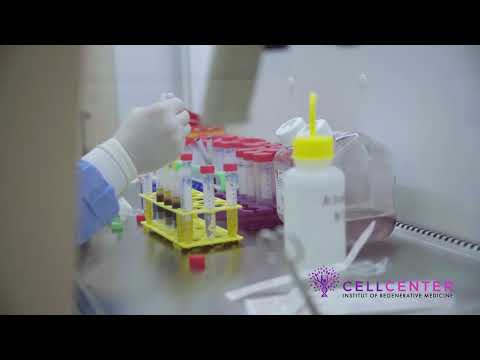
In contrast, the medical infrastructure in Slovakia has been specifically optimized for advanced cellular expansion and targeted administration. When medical tourists engage in stem cell treatment for neurological diseases in Bratislava, they are receiving therapies that boast exceptionally high cell viability rates—often exceeding 95%. Furthermore, these treatments are characterized by massive cellular dosages that are simply unattainable in traditional Romanian clinical settings. By utilizing highly specialized laboratories that adhere to the strictest European Medicines Agency (EMA) guidelines, Slovakian clinics can culture millions of vibrant, immunomodulatory cells that are precisely engineered to cross the blood-brain barrier or be delivered directly into the cerebrospinal fluid for maximum neurological impact.
The Science Behind Regenerative Medicine: Restoring CNS Function via Stem Cells
Understanding the massive influx of medical tourism from Romania to Slovakia requires a deep dive into the underlying science of these therapies. High-potency mesenchymal stem cells (MSCs) function through a mechanism known as the paracrine effect. Rather than strictly transforming into new neurons, these cells act as micro-pharmacies when introduced into the central nervous system. Upon detecting chemical signals of distress and inflammation from damaged neural tissue, the stem cells release a potent cocktail of cytokines, exosomes, and growth factors. This complex biochemical interaction forcefully suppresses the rogue immune responses that attack myelin sheaths in MS patients and neutralizes the toxic cellular environments found in Parkinson's disease.
Furthermore, the administration techniques utilized in Bratislava are highly sophisticated. To effectively bypass the formidable blood-brain barrier, leading specialists frequently utilize targeted intrathecal injections. This method delivers the high-potency stem cells directly into the spinal canal, allowing them to circulate freely through the cerebrospinal fluid and bathe the brain and spinal cord in regenerative compounds. The clinical outcomes observed from this targeted approach are profound. Patients frequently report significant improvements in motor function, reductions in spasticity, enhanced cognitive clarity, and a restoration of sensation in previously numb extremities—outcomes that represent a paradigm shift in modern neurological care.
Bratislava’s Emergence as a Premier Medical Hub for Neurological Conditions
Geographically and economically, Bratislava is perfectly positioned to dominate the European regenerative medicine landscape. Situated on the borders of Austria and Hungary, the city has heavily leveraged its strategic location to attract top-tier biomedical talent and massive international investment. Over the past decade, the Slovakian government and private medical sectors have collaboratively developed state-of-the-art biotech parks and specialized clinical facilities that rival the most prestigious institutions in Germany and Switzerland. For the Romanian patient, this means accessing world-class healthcare without the exorbitant price tags traditionally associated with Western European medical hubs.
The regulatory environment in Slovakia is another crucial factor driving this medical migration. The nation operates under stringent European Union medical directives, ensuring that all cellular products undergo rigorous safety testing for sterility, endotoxins, and genetic stability prior to patient administration. This uncompromising commitment to patient safety provides immense peace of mind for those traveling abroad. The combination of elite medical expertise, uncompromised safety protocols, and a highly accessible geographic location has solidified Bratislava's reputation as the ultimate destination for those seeking to halt the progression of debilitating central nervous system disorders.
"We are witnessing a profound democratization of advanced healthcare in Eastern Europe. Romanian patients are no longer willing to accept the limitations of their local medical infrastructure when life-altering regenerative therapies are just a short distance away. Bratislava has masterfully combined rigorous EU safety standards with pioneering cellular technology, creating a beacon of hope for individuals suffering from complex neurological conditions who seek to genuinely restore their quality of life."
— Pramod Goel, CEO of PlacidWay
Comprehensive Care Protocols: Inside Top-Tier Slovakian Regenerative Clinics
The patient experience inside Slovakia's elite medical institutions is a stark departure from the clinical, often sterile environments found in standard regional hospitals. These facilities operate on a model of holistic, multi-disciplinary care. Before a single cell is administered, international patients undergo exhaustive diagnostic evaluations, including high-resolution MRI scans, comprehensive neurological mapping, and extensive metabolic blood panels. This ensures that the cellular therapy is intricately customized to the specific pathology and progression of the individual's disease, rather than relying on a generalized, one-size-fits-all approach.
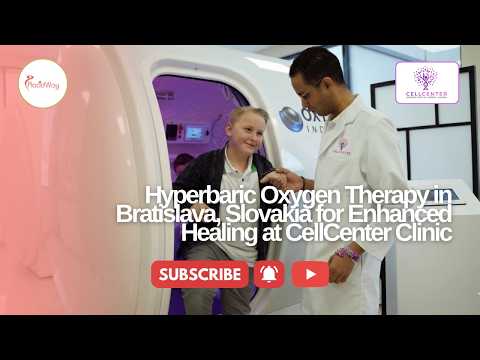
Pioneering facilities have recognized that regenerative medicine requires a supportive ecosystem to be truly effective. Renowned institutions like CellCenter in Slovakia have set the gold standard in this regard, seamlessly integrating intensive neuro-rehabilitation therapies alongside their high-potency cellular infusions. By pairing the regenerative power of stem cells with targeted physical therapy, hyperbaric oxygen treatments, and specialized neuro-stimulation, these clinics create an optimal internal environment that maximizes the cells' ability to engraft and repair damaged neural pathways. This comprehensive, 360-degree approach is precisely why the clinical outcomes achieved here consistently outpace standard therapeutic benchmarks.
Cost and Accessibility: Comparing Bucharest and Bratislava Treatment Options
When evaluating the financial implications of cross-border medical travel, it is essential to look beyond the initial price tag and consider the long-term value proposition. In Romania, the continuous, compounding costs of lifelong pharmacological symptom management, prolonged hospitalizations, and at-home nursing care can rapidly deplete a family's financial resources without ever addressing the root cause of the neurological decline. Conversely, engaging in stem cell therapy for CNS disorders in Slovakia represents a strategic, highly concentrated investment in potential functional restoration and long-term independence.
To understand why thousands are choosing to secure medical financing and travel to Bratislava, one must examine the comprehensive nature of the medical packages offered. These are not fragmented services; they are all-inclusive medical interventions designed to remove logistical burdens from the patient.
Navigating the Medical Tourism Journey from Romania to Slovakia
The logistics of traveling with a severe neurological condition can initially seem daunting, but the infrastructure surrounding medical tourism from Romania to Slovakia has been meticulously refined to ensure a frictionless experience. Recognizing that many patients struggle with mobility issues, top-tier facilitators and clinics collaborate to provide a VIP, concierge-level travel experience. The journey typically begins with a comprehensive virtual consultation, where Romanian patients upload their medical records and MRI scans via secure portals for review by Slovakian neurological specialists.
Once a patient is deemed a viable candidate for high-potency therapies, the logistical apparatus activates. This highly coordinated process includes:
- Accessible Travel Arrangements: Coordination of short, direct flights from Bucharest (OTP) to Vienna (VIE) or Bratislava (BTS), complete with wheelchair-accessible ground transfers directly to the medical facility.
- Multilingual Medical Liaisons: Dedicated Romanian-speaking patient coordinators who accompany the patient throughout all consultations, treatments, and rehabilitation sessions to completely eliminate the language barrier.
- Specialized Accommodations: Partnerships with local luxury hotels that feature ADA-compliant rooms, adjustable beds, and specialized medical support services designed for post-treatment recovery.
- Long-Term Telemedicine: Structured follow-up programs that allow Slovakian specialists to remotely monitor the patient's neurological progress and adjust rehabilitation protocols for months after they return to Romania.
Did You Know? The flight time from Bucharest to the Bratislava/Vienna medical corridor is less than two hours. This remarkable proximity allows patients with severe physical limitations to access world-class neuro-regenerative care without enduring the immense physical toll of long-haul international flights to Asia or the Americas.
The Future of Stem Cell Treatment for Neurological Diseases in Bratislava
The trajectory of regenerative medicine in Eastern Europe is ascending at an unprecedented rate. Looking forward, the clinical landscape in Bratislava is set to integrate even more advanced biomedical technologies. Emerging protocols involving customized stem cell exosome therapies—which utilize the potent, nano-sized cellular vesicles responsible for genetic communication and tissue repair—are currently being integrated into standard neurological treatments. These advancements promise to further elevate the efficacy of central nervous system repair, offering hope to patients with previously untreatable stages of neurological decline.
As the scientific capabilities expand, the importance of expertly navigating this complex medical landscape becomes paramount. Patients must ensure they are partnering with accredited, highly vetted institutions that prioritize stringent safety and verifiable outcomes. Through trusted medical facilitators like PlacidWay, patients can confidently compare options, verify international credentials, and secure treatment plans tailored to their unique medical needs. The bridge from Bucharest to Bratislava is no longer just a travel route; it is a vital lifeline to the future of neurological healing.





.png)


.png)

.png)
.png)
.png)








Share this listing