


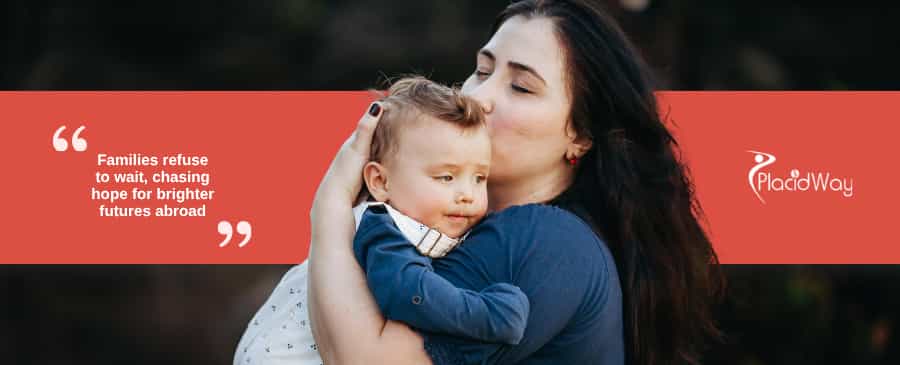
Over recent years, an increasing number of parents have been exploring alternative and regenerative healthcare options for neurodevelopmental conditions. Stem cell autism treatment in Slovakia has emerged as a prominent choice for families seeking timely interventions outside of their home country. This innovative approach focuses on utilizing regenerative cells to potentially reduce inflammation and improve cellular communication. Most patients generally undergo a thorough medical evaluation before any protocols are initiated.
The primary goal of this therapy is not to cure the condition, but rather to alleviate some of the core symptoms associated with autism spectrum disorders. Families traveling for medical tourism in Slovakia often find a combination of modern medical infrastructure and highly specialized medical professionals. Because of the strictly regulated healthcare environment, regenerative medicine is administered under careful supervision. Typically, patients experience a structured program tailored to their specific neurodevelopmental needs.
Regenerative medicine focuses heavily on the immunomodulatory effects of stem cells, which researchers believe may help address underlying neuroinflammation often observed in autism spectrum disorder.
Why UK Families Choose Slovakia for Autism Care
Lengthy delays in public healthcare systems have prompted many parents to look across borders for timely medical assistance. UK families, in particular, are frequently bypassing domestic waitlists in favor of advanced autism therapies in Slovakia. The geographic proximity of Central Europe makes the journey relatively straightforward, minimizing travel-related stress for children with sensory sensitivities. This accessibility is a crucial factor for parents managing complex family logistics.
Beyond just shorter wait times, the high standard of care available internationally plays a major role in their decision-making process. Parents often report that accessing regenerative medicine in Europe provides them with a sense of proactive involvement in their child's developmental path. The combination of multidisciplinary pediatric care and specialized cellular treatments offers a comprehensive approach. Generally, families appreciate the dedicated attention and extended consultation times provided by overseas medical teams.
Slovakia is geographically situated in the heart of Europe, making it accessible via brief, direct flights from most major UK airports. This short travel duration significantly reduces the sensory burden on traveling neurodivergent children.
How Stem Cell Therapy for Autism Works
The scientific premise behind this treatment revolves around the immunomodulatory and anti-inflammatory properties of specific cells. When utilizing stem cell therapy for autism spectrum disorder, practitioners generally focus on mesenchymal stem cells due to their ability to target systemic inflammation. These cells are typically administered intravenously or intrathecally, depending on the specific protocol designed by the medical team. Most patients experience a highly monitored procedure to ensure optimal safety and cell delivery.
Once introduced into the body, these regenerative cells may help support neuroregeneration and improve blood flow to the brain. While research is ongoing, many experts believe this process could positively influence neural connectivity and metabolic function. Families researching autism clinics in Slovakia will find that protocols usually integrate supportive therapies like speech or occupational therapy to maximize potential benefits. It is important to note that results vary significantly from person to person.
A growing body of international clinical studies indicates that up to 60-70% of participating families report noticing subjective improvements in their child's behavioral patterns and communication skills following comprehensive cellular therapy protocols.
Affordable Stem Cell Autism Treatment Cost in Slovakia
Navigating the financial aspects of international healthcare is a primary concern for most parents considering regenerative options. The stem cell autism treatment cost in Slovakia is notably more accessible compared to similar private protocols in North America or Western Europe. This affordability does not generally mean a compromise in medical standards, as facilities maintain strict adherence to European Union healthcare directives. Families often find that comprehensive packages provide a transparent overview of anticipated medical expenses.
When budgeting for affordable medical tourism in Slovakia, it is vital to account for both the core cellular therapies and any necessary pre-treatment evaluations. The total investment usually encompasses physician consultations, neurological assessments, cell processing, and immediate post-treatment monitoring. Parents typically experience relief when presented with clear, upfront pricing models that eliminate unexpected medical bills. Comparing these costs against private UK alternatives highlights the financial viability of cross-border care.
| Procedure / Service Component | Average Cost in Slovakia (£) | Estimated Cost Comparison UK (£) |
|---|---|---|
| Initial Comprehensive Neurological Evaluation | £300 - £600 | £800 - £1,500 (Private) |
| Mesenchymal Stem Cell Therapy (Single Protocol) | £6,500 - £9,000 | £15,000 - £25,000+ (If available privately) |
| Extended Multi-Dose Therapy Packages | £9,000 - £12,000 | £25,000 - £35,000+ |
| Supportive Therapies (Speech/Occupational) | £50 - £90 per session | £100 - £200 per session |
Comparing the Quality of Autism Clinics in Slovakia
Selecting the right medical facility requires careful research into their specialized capabilities and regulatory compliance. Many internationally recognized autism treatment centers in Central Europe hold rigorous accreditations that reflect their commitment to patient safety and clinical excellence. For example, parents frequently evaluate top regenerative medicine clinics in Slovakia like CellCenter for their specialized focus on cellular therapies. These facilities generally employ multidisciplinary teams equipped to handle complex pediatric neurology cases.
High-quality clinics ensure that every phase of the medical journey is conducted within state-of-the-art laboratory environments. The processing and administration of stem cells require precise environmental controls to maintain cellular viability and sterility. Families pursuing safe stem cell therapy abroad should always look for clinics that offer transparent data regarding their cell sourcing and cultivation methods. Most patients experience a highly professional clinical setting designed specifically for advanced medical interventions.
- Always request the facility's clinical accreditation certificates and proof of regulatory compliance before committing to a treatment plan.
- Inquire directly about the specific type of cells being utilized and the laboratory protocols ensuring their sterility and viability.
- Ask the medical team if they provide specialized sensory-friendly environments for neurodivergent pediatric patients.
The Reality of NHS Waitlists for Autism Therapies
The public healthcare infrastructure in the UK has faced well-documented challenges in meeting the rising demand for pediatric developmental assessments. Families often encounter waitlists that span months or even years just to receive an initial diagnostic consultation. This critical window of early childhood development is precisely why parents are increasingly seeking private autism treatment abroad. Extended delays can severely impact a child's ability to access timely interventions that are crucial for behavioral and cognitive progress.
Frustration with these systemic bottlenecks is a primary driver for the growing trend of medical travel among British families. Instead of navigating prolonged administrative hurdles, parents are taking proactive steps to secure immediate neurodevelopmental care in Europe. While public health systems offer invaluable foundational care, they are often not equipped to provide experimental or regenerative therapies rapidly. Generally, exploring international options empowers families to accelerate their child's care timeline significantly.
Regenerative treatments are generally not recognized as standard care within public health systems like the NHS. Families should consult their primary healthcare providers to discuss how international therapies might interact with ongoing domestic treatments.
Safety Protocols for Regenerative Medicine in Slovakia
Ensuring the physical well-being of young patients is the foremost priority in any cross-border medical undertaking. The regulatory framework governing regenerative medicine in Slovakia aligns with strict European Medicines Agency (EMA) guidelines. These comprehensive regulations mandate rigorous testing of stem cells for communicable diseases, genetic stability, and overall cellular viability before administration. Most patients typically undergo extensive screening to verify they are suitable candidates for this specific type of clinical intervention.
Clinical safety also extends to the actual administration of the therapies within the treatment facility. Medical teams closely monitor children throughout the procedure to rapidly address any minor adverse reactions, such as mild fever or fatigue. Families looking for secure stem cell treatments overseas are usually reassured by the presence of emergency protocols and dedicated pediatric anesthesiologists. Generally, the incidence of serious side effects remains low when procedures are performed in authorized, highly regulated environments.
Stem cells sourced from ethically donated umbilical cord tissue are favored in many pediatric protocols because they are highly immunoprivileged, meaning they typically carry a much lower risk of immune rejection compared to other cell types.
What to Expect During the Stem Cell Treatment Process
The clinical journey begins long before the family actually boards a flight to Central Europe. The process of accessing pediatric stem cell therapy in Slovakia starts with comprehensive remote consultations and the submission of previous medical records. Once approved, the on-site experience typically commences with baseline blood tests, neurological evaluations, and detailed discussions with the primary physician. Most patients experience a calm, supportive environment designed to minimize anxiety for children with sensory challenges.
The actual cellular administration is generally completed over the course of a few days, depending on the individualized protocol. While the infusion or injection process is usually brief, the surrounding days are dedicated to vital pre-treatment preparations and post-administration observation. Families participating in international autism treatment programs should expect a structured itinerary that balances medical appointments with necessary rest periods. Typically, the medical staff ensures that parents are fully informed at every single stage of the procedure.
The administration of mesenchymal stem cells is typically conducted via a minimally invasive intravenous (IV) drip, which generally takes between 45 to 90 minutes to complete under continuous medical supervision.
Patient Experiences with Stem Cell Therapy Abroad
Understanding the firsthand journeys of other families can provide invaluable perspective when contemplating cross-border healthcare. Many parents who have pursued stem cell autism treatment in Slovakia report feeling supported by the high level of specialized pediatric care. While clinical outcomes naturally differ, common anecdotal feedback often highlights improvements in sleep patterns, eye contact, and overall calmness. It is crucial to approach these accounts with realistic expectations, as regenerative therapies are not a universal cure.
Patient narratives frequently emphasize the importance of comprehensive communication with the overseas medical team. Successful medical tourism for autism often hinges on the compassionate approach of the doctors and nurses who understand neurodivergent needs. Generally, families express deep appreciation for the unhurried nature of their consultations and the personalized attention their child receives. Most patients experience a medical environment that feels significantly more individualized than standard high-volume clinical settings.
Oliver's Developmental Journey
After facing a two-year waitlist in the UK, Oliver's parents sought regenerative care in Europe. They noted that the specialized environment significantly reduced his procedural anxiety, and they later observed subtle improvements in his verbal attempts.
A Smoother Experience for Liam
Liam's mother was initially hesitant about traveling for medical care. However, the comprehensive pre-trip planning and dedicated pediatric staff made the experience manageable, resulting in a generally positive clinical outcome.
Emma's Progress Post-Therapy
Following her specialized treatment overseas, Emma's family reported that she experienced better regulation of her sleep cycles within a few months. They valued the ongoing remote follow-up provided by the international clinic.
Proactive Care for Noah
Noah's parents bypassed domestic delays and chose a structured medical pathway abroad. They appreciated the transparency regarding treatment costs and felt entirely supported by the knowledgeable medical team throughout their stay.
Preparing Your Child for Medical Tourism in Slovakia
Traveling with a neurodivergent child requires meticulous planning to ensure a smooth and manageable experience. When preparing for pediatric medical travel to Slovakia, parents should focus on familiarizing their child with the concept of travel and medical settings through visual schedules and social stories. Selecting sensory-friendly travel times and requesting special assistance at the airport can drastically reduce transitional anxiety. Most families find that maintaining a predictable routine during travel helps mitigate potential behavioral stress.
It is equally important to prepare a comprehensive travel medical kit tailored to the child's specific dietary and sensory needs. Bringing familiar items, preferred snacks, and comfort objects can make the transition to overseas autism clinics much more seamless. Parents typically spend time communicating their child's unique triggers to the medical team in advance so the clinic can adapt the environment accordingly. Generally, proactive preparation transforms a potentially overwhelming journey into a well-managed medical trip.
- Create visual itineraries illustrating the airport, the airplane, and the medical clinic to help your child anticipate the upcoming changes.
- Pack a dedicated sensory bag containing noise-canceling headphones, weighted lap pads, and favorite tactile toys for the journey.
- Communicate your child's specific dietary requirements to the clinic and ensure you have access to safe foods upon arrival.
Post-Treatment Care After Stem Cell Therapy in Slovakia
The medical journey does not conclude once the family returns to their home country. Effective post-treatment care for autism therapies involves a strategic integration of the overseas medical protocol with domestic therapeutic support. Most clinics provide a detailed discharge summary outlining necessary follow-up evaluations and recommended lifestyle or dietary adjustments. Most patients experience a gradual integration period where traditional therapies like speech and occupational training are resumed to complement the cellular intervention.
Maintaining open lines of communication with the international clinical team is vital for long-term monitoring. Families engaged in regenerative medicine abroad generally participate in scheduled virtual consultations at specific intervals, such as three, six, and twelve months post-treatment. These follow-ups allow specialists to track developmental milestones, assess potential improvements, and advise on any supplementary care. Typically, this ongoing partnership ensures that the child continues to receive coordinated support long after the procedure.
The regenerative properties of stem cells are believed to continue functioning for several months post-infusion, meaning any developmental shifts or behavioral changes may appear gradually over a sustained period.
Measuring Outcomes of Autism Stem Cell Treatment
Quantifying developmental progress following regenerative interventions requires a multidimensional and patient approach. Experts in autism stem cell research in Slovakia utilize established neurological scales and parental questionnaires to measure changes in behavior, cognition, and physical health. Improvements are rarely immediate; rather, they tend to manifest gradually over several months as cellular repair mechanisms potentially take effect. Most patients generally undergo a baseline assessment prior to treatment to serve as a precise point of comparison.
It is imperative for parents to maintain realistic expectations regarding the trajectory of their child's progress. While seeking advanced pediatric neurology in Europe, families are taught to look for subtle shifts in focus, language acquisition, or reduced hyperactive behaviors. Outcomes are highly individualized, influenced by the child's age, baseline severity, and adherence to supportive therapies. Typically, consistent documentation of daily behaviors by the parents plays a crucial role in accurately measuring long-term therapeutic success.
Many clinical observational studies require a minimum follow-up period of 6 to 12 months to accurately assess and record meaningful variations in developmental scoring metrics post-treatment.
Navigating International Healthcare Regulations
Understanding the legal and regulatory landscape is a fundamental step for anyone considering cross-border medical procedures. When accessing regenerative therapies in Slovakia, patients benefit from a system governed by stringent European Union healthcare directives. These laws dictate rigorous standards for laboratory practices, patient consent protocols, and overall medical liability. Most patients generally feel reassured knowing that the facilities operate under the oversight of established national and international health authorities.
For UK citizens, managing the logistics of international care also involves understanding visa requirements and travel insurance stipulations. Participating in European medical tourism for autism requires specialized insurance that explicitly covers planned medical procedures and potential emergency repatriations. Families typically work closely with care coordinators to ensure all necessary documentation and legal protections are secured prior to departure. Generally, robust regulatory frameworks provide a necessary layer of security for vulnerable pediatric patients traveling abroad.
How PlacidWay Assists Your Medical Tourism Journey in Slovakia
Coordinating complex international medical care can be an overwhelming task for families already managing demanding daily routines. Accessing stem cell autism treatment in Slovakia is significantly streamlined through professional medical tourism facilitation. Our platform serves as a vital bridge connecting patients with accredited, high-quality medical institutions worldwide. Most patients generally experience a reduction in administrative stress when they have dedicated assistance navigating the preliminary stages of cross-border healthcare.
We focus exclusively on empowering patients to make informed, confident decisions regarding their medical options. By utilizing a platform dedicated to global healthcare access, families gain the ability to directly compare specialized clinics and transparent treatment details. Our commitment is to provide clear, value-driven support that focuses purely on the medical and informational aspects of your journey. Typically, families find that comprehensive logistical support allows them to focus entirely on their child's health and well-being.
- Providing access to comprehensive profiles of internationally accredited medical facilities specializing in regenerative therapies.
- Facilitating direct initial consultations and the secure sharing of medical records with overseas medical teams.
- Offering detailed comparison tools for evaluating diverse treatment protocols, clinical credentials, and cost transparency.
- Creating streamlined communication channels between families and international pediatric healthcare providers.
- Supplying extensive educational resources regarding international medical regulations and patient safety standards.
Frequently Asked Questions
Is stem cell therapy a cure for autism?
No, regenerative therapies are not a cure for neurodevelopmental conditions. They are generally utilized as supportive treatments that may help manage core symptoms and improve overall quality of life.
Why are UK families traveling to Slovakia for autism treatments?
Many families face extensive public healthcare waitlists in the UK for specialized neurodevelopmental assessments. Slovakia offers immediate access to advanced medical facilities and strictly regulated clinical protocols.
What types of stem cells are used for autism in Slovakia?
Medical teams typically utilize mesenchymal stem cells (MSCs) derived from ethically sourced umbilical cord tissue. These specific cells are chosen for their strong immunomodulatory and anti-inflammatory properties.
Are stem cell clinics in Slovakia regulated?
Yes, medical facilities in the country must adhere to rigorous European Medicines Agency (EMA) guidelines. This ensures that all cellular products undergo extensive testing for safety and viability prior to use.
How long does the treatment process take in Slovakia?
The core medical procedure is usually completed within three to five days, depending on the customized protocol. However, families generally plan for a slightly longer stay to accommodate pre-evaluations and post-treatment monitoring.
Is pediatric medical travel safe for neurodivergent children?
With meticulous planning and the implementation of sensory-friendly travel strategies, it is highly manageable. Reputable international clinics are accustomed to treating pediatric patients and typically provide supportive, calm environments.
Can stem cell therapy for autism be covered by UK health insurance?
Currently, experimental and regenerative cellular therapies for autism are generally not covered by standard UK health insurance or the NHS. Most families fund these cross-border medical treatments privately.
What are the potential side effects of this treatment?
While most patients experience minimal adverse reactions, potential side effects can include a low-grade fever, mild fatigue, or localized soreness at the injection site. Serious complications remain rare when procedures are conducted in authorized clinical settings.
How are follow-up appointments handled after returning to the UK?
International clinics usually facilitate ongoing remote consultations via secure telehealth platforms to monitor the child's progress. They also provide comprehensive discharge summaries to share with your local UK healthcare providers.
How much does stem cell therapy for autism cost in Slovakia?
The total financial investment typically ranges between £6,000 and £12,000, depending on the specific cellular dosage and integrated supportive therapies. This is generally more affordable than similar private alternative treatments in Western Europe.
Take the First Step Toward Advanced Pediatric Care with PlacidWay!
Medical Disclaimer: This article is for informational purposes only and is not medical advice. Always consult a qualified healthcare provider before any medical decisions. Results may vary. Read Full Disclaimer here.
References
- European Medicines Agency (EMA). Advanced Therapy Medicinal Products Overview. https://www.ema.europa.eu/en/human-regulatory/overview/advanced-therapy-medicinal-products-overview
- National Health Service (NHS). Waiting Times for Autism Assessment Data. https://digital.nhs.uk/data-and-information/publications/statistical/autism-statistics
- Mayo Clinic. Stem Cell Transplants: What to Expect. https://www.mayoclinic.org/tests-procedures/bone-marrow-transplant/in-depth/stem-cells/art-20048117
.png)














Share this listing