


DACH Alert: Bratislava Slashes Stem Cell Diabetes Costs
Patients from Germany and Switzerland are flocking for Stem Cell Diabetes Treatment in Bratislava as top Slovakian medical hubs dramatically reduce protocol costs, saving patients thousands compared to premier clinics in Berlin and Zurich while maintaining elite European medical standards.
The DACH Region Healthcare Exodus to Eastern Europe
The landscape of private regenerative healthcare across the DACH region—comprising Germany, Austria, and Switzerland—has reached a critical economic inflection point. Severe medical inflation, coupled with exorbitant administrative overhead and stringent private clinic pricing models, has made advanced therapies financially inaccessible for the average patient. Individuals suffering from chronic metabolic conditions, particularly those seeking innovative interventions beyond traditional insulin management, are increasingly finding themselves priced out of local medical markets in cities like Berlin, Munich, and Zurich. This economic friction has catalyzed a significant cross-border exodus, redirecting medical travelers toward highly advanced, yet economically viable, European Union neighbors.
Slovakia has rapidly emerged as the primary beneficiary of this patient migration. Geographically positioned just a brief transit from Vienna, the Slovak capital operates as a seamless extension of the central European healthcare grid. Medical tourists from the DACH region are discovering that they no longer need to sacrifice quality for affordability. The region has invested heavily in biomedical infrastructure, cultivating an ecosystem of state-of-the-art laboratories and highly specialized clinical environments. By capitalizing on lower domestic operational costs while strictly adhering to universal European medical directives, this medical hub offers a compelling, high-value alternative that directly challenges the pricing hegemony of traditional Western European private clinics.
Did You Know? The geographic proximity of the Slovak capital is a major driving force for this medical trend. Located just 60 kilometers from Vienna, it is the closest pair of capital cities in Europe. This allows Austrian and German patients to essentially treat the destination as a local medical commute, completely eliminating the need for expensive, long-haul international flights.
Why Stem Cell Therapy for Diabetes in Slovakia Leads the Market
The meteoric rise of the Slovakian medical sector is not solely a product of favorable economics; it is deeply rooted in highly specialized clinical expertise. The region's top medical professionals have dedicated extensive resources to mastering regenerative protocols specifically tailored for metabolic syndromes. While many European clinics offer generalized stem cell therapies, Slovakian biomedical centers have differentiated themselves by establishing dedicated endocrinology and cellular regeneration departments. This hyper-specialization ensures that patients receive treatments designed specifically to address the complex pathophysiological mechanisms of autoimmune beta-cell destruction and systemic insulin resistance.
Furthermore, the clinical approach in this region is characterized by a holistic, integrative methodology. Leading specialists do not view regenerative infusions as an isolated event; instead, they embed the protocol within a comprehensive metabolic overhaul. Patients undergo exhaustive pre-operative diagnostics, including genetic profiling, immune system mapping, and detailed metabolic assessments. This data-driven preparation allows scientists to customize the cellular dosage and delivery methods for maximum efficacy. By combining cutting-edge laboratory techniques with personalized therapeutic roadmaps, Stem Cell Therapy for Diabetes in Slovakia consistently delivers outcomes that rival, and frequently exceed, those documented in vastly more expensive Western European clinical settings.
Comparing the Costs: Berlin and Zurich vs. Slovakian Hubs
Financial transparency remains one of the most compelling arguments for patients evaluating cross-border healthcare options. In elite private clinics located in Zurich or Berlin, regenerative medical packages are notoriously fragmented when it comes to billing. Patients are often confronted with separate invoices for laboratory processing, physician consultation, facility usage, and post-procedural monitoring. These cumulative expenses quickly escalate, pushing the total investment into tens of thousands of euros. Conversely, the medical tourism model adopted by Eastern European hubs favors comprehensive, all-inclusive pricing structures, completely removing the anxiety of hidden medical fees.
The following data clearly illustrates the profound economic disparity between these markets. Even when accounting for premium travel arrangements, luxury recovery accommodations, and concierge services, patients from the DACH region can realize massive savings. This stark contrast in pricing allows patients to allocate their healthcare budgets much more effectively, often utilizing the saved capital for essential long-term nutritional support, continuous glucose monitoring technologies, and ongoing physical wellness programs.
The Science of Regenerative Medicine for Diabetic Patients
To fully appreciate the clinical migration toward Eastern Europe, one must understand the profound biological mechanisms underpinning these therapies. The core of this treatment relies heavily on Mesenchymal Stem Cells (MSCs), which are highly prized for their robust immunomodulatory and regenerative properties. When introduced into a diabetic patient's system, these intelligent cells actively seek out sites of severe tissue inflammation—particularly within the pancreas. Once localized, they secrete a powerful array of cytokines and growth factors that serve to halt the autoimmune attack on insulin-producing beta cells, essentially rebooting the local immune environment to favor tissue repair over destruction.
Beyond halting autoimmune degradation, these advanced cellular protocols aim to stimulate angiogenesis—the formation of new blood vessels—thereby improving microcirculation throughout the body. This is a critical factor for diabetic patients, who frequently suffer from systemic vascular complications leading to neuropathy, nephropathy, and delayed wound healing. By addressing the root physiological dysfunction rather than merely managing the superficial symptoms of hyperglycemia, regenerative medicine represents a monumental paradigm shift. Patients engaging in these protocols frequently report a stabilized glycemic index, a reduction in exogenous insulin requirements, and a profound improvement in their overall physiological vitality.
Elite Standards at the CellCenter in Slovakia
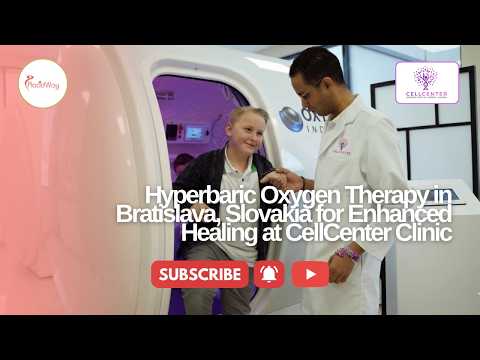
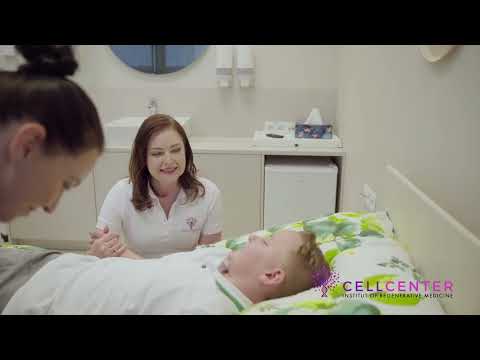
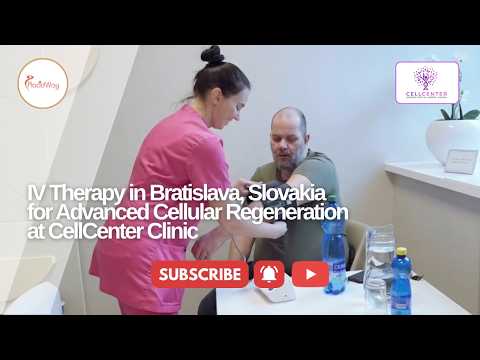
The reputation of this burgeoning medical destination is anchored by a select group of highly accredited institutions that consistently push the boundaries of clinical excellence. A prime example of this uncompromising standard is the renowned CellCenter in Slovakia. This facility has rapidly gained international acclaim by seamlessly merging state-of-the-art laboratory science with five-star patient hospitality. Their biomedical clean rooms utilize cutting-edge isolation technologies that mirror, and often surpass, the strict environmental controls found in top-tier Western European pharmaceutical manufacturing plants, ensuring absolute sterility and cellular viability.
What truly distinguishes these elite facilities from conventional hospitals is their obsessive dedication to the international patient experience. Recognizing the vulnerability of medical travelers, these centers employ fully bilingual medical coordinators fluent in German and English, guaranteeing flawless communication regarding complex medical terminology. The medical staff frequently consists of internationally fellowship-trained physicians who hold cross-certifications across European medical boards. This intersection of elite medical technology, profound professional expertise, and concierge-level patient handling ensures that every individual traveling from the DACH region receives care that is as medically precise as it is emotionally supportive.
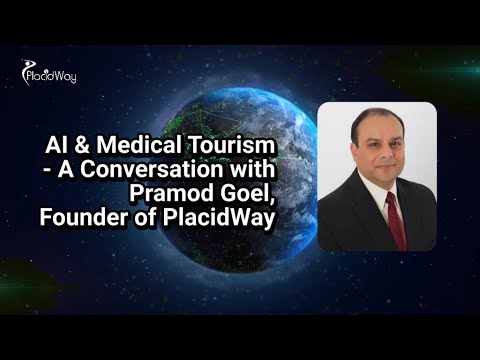
"We are observing a massive paradigm shift in European medical travel. Patients from the DACH region are highly educated consumers who refuse to accept inflated domestic pricing when identical, heavily regulated regenerative treatments are available just across the border. By offering absolute pricing transparency and uncompromising EU clinical standards, Slovakian medical hubs have successfully democratized access to life-changing metabolic therapies."
— Pramod Goel, CEO of PlacidWay
Navigating the Medical Tourism Ecosystem from DACH Countries
Undertaking international medical travel for complex cellular therapies can initially appear daunting; however, the ecosystem designed for DACH patients has been refined to eliminate all logistical friction. Leading clinics understand that patient stress can negatively impact physiological recovery, so they have engineered all-inclusive medical journeys that account for every variable. When booking a premium regenerative package, patients are seamlessly integrated into a fully managed concierge system that typically includes:
- Dedicated Native-Speaking Liaisons: Immediate assignment to a German-speaking medical coordinator to ensure zero language barriers during informed consent and procedural briefings.
- Executive Ground Transfers: Chauffeur services directly from Vienna International Airport or the central train station, bypassing public transit to ensure a sterile and comfortable arrival.
- Pre-Procedural Telemedicine: Extensive remote consultations and localized blood panel reviews conducted prior to travel, ensuring absolute clinical candidacy before the patient ever leaves home.
- Luxury Convalescence: Strategic partnerships with elite local boutique hotels that provide specialized dietary menus tailored to diabetic requirements and optimized environments for post-infusion rest.
- Long-Term Remote Monitoring: Comprehensive post-treatment care plans utilizing digital health platforms, allowing Slovakian specialists to track patient glycemic improvements for months after they return to Germany or Switzerland.
Did You Know? Stem cell protocols for metabolic conditions not only target insulin resistance but are frequently observed to dramatically reduce systemic inflammation markers like C-reactive protein (CRP), providing a dual benefit that protects cardiovascular health—a major concern for chronic diabetic patients.
Regulatory Rigor and Safety Protocols in Slovakian Clinics
A primary concern for any patient bypassing their domestic healthcare system is the assurance of safety and clinical oversight. Fortunately, as a fully integrated member of the European Union, Slovakia operates under the exact same stringent medical directives as Germany, Austria, and Switzerland. Clinics offering advanced cellular therapies are bound by the rigorous guidelines established by the European Medicines Agency (EMA) regarding Advanced Therapy Medicinal Products (ATMPs). This legislative framework mandates continuous, aggressive oversight of laboratory sterilization, cell expansion techniques, and biological material screening, guaranteeing that all treatments are globally standardized.
Furthermore, top-tier regenerative facilities undergo frequent, unannounced audits by independent international healthcare accrediting bodies. Their internal safety protocols dictate multi-tiered genetic and virological testing of all cellular products prior to patient administration, virtually eliminating the risk of transmissible infections or cellular mutations. For the discerning DACH patient, this robust regulatory environment provides the ultimate peace of mind; they are not traveling to an unregulated frontier, but rather stepping into a highly polished, medically supreme jurisdiction that strictly prioritizes patient safety above commercial throughput.
How PlacidWay Facilitates Your Regenerative Medical Journey
Despite the overwhelming advantages of seeking regenerative care abroad, independently verifying clinic accreditations, analyzing complex medical pricing structures, and organizing transnational logistics can be an overwhelming endeavor for a patient focused on their health. The digital landscape is cluttered with aggressive marketing, making it difficult to separate globally recognized medical institutions from standard commercial clinics. This critical gap in reliable information is exactly where professional medical tourism facilitation becomes an essential component of the modern healthcare journey.
As a global leader in cross-border medical connectivity, PlacidWay acts as your independent, trusted advocate in the international healthcare market. By meticulously vetting every partner facility for clinical excellence and transparent pricing, PlacidWay allows patients to securely review detailed provider profiles, compare specialized diabetes protocols, and access genuine patient testimonials. From facilitating the initial virtual consultation with top-tier Slovakian specialists to coordinating your comprehensive medical travel itinerary, PlacidWay ensures that every phase of your journey toward metabolic recovery is executed with absolute precision, safety, and unwavering support.







.png)
.png)
.png)










Share this listing