


UK Stroke Patients Regain Mobility via Slovakian Stem Cells
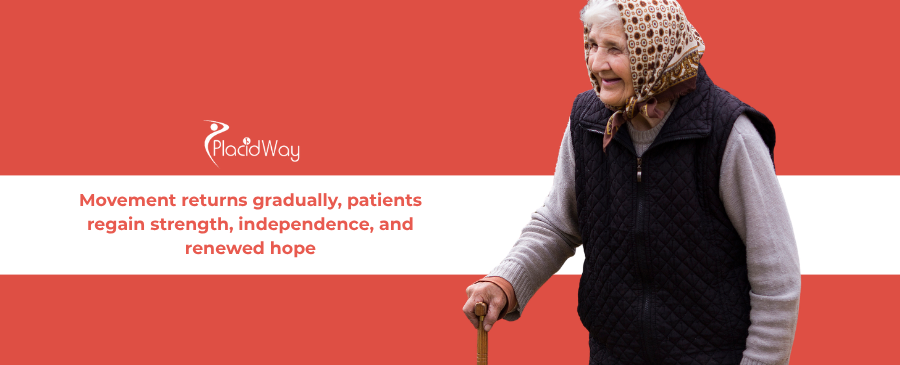
British stroke survivors are rapidly embracing stem cell therapy for stroke in Slovakia, reporting up to a 40% recovery in motor function. Facing prolonged rehabilitation wait times, patients are aggressively reclaiming their independence through advanced European care.
The Rise of Regenerative Medicine for Neurological Recovery
The global medical community is witnessing a massive paradigm shift in how neurological traumas are treated, moving beyond traditional physical therapy to embrace the profound possibilities of cellular regeneration. For decades, the standard protocol for post-stroke recovery relied heavily on managing symptoms and engaging in repetitive physiotherapy to stimulate neuroplasticity. However, a significant portion of patients eventually reach a plateau, leaving them with chronic motor deficits, spasticity, and aphasia. The introduction of advanced regenerative medicine, specifically mesenchymal stem cell (MSC) treatments, has disrupted this stagnant landscape by actively addressing the underlying cellular damage caused by cerebral ischemia.
Clinical researchers have observed that when potent, ethically sourced stem cells are introduced into a stroke survivor's system, they exhibit a unique "homing" capability, migrating directly to the areas of the brain affected by the infarction. Once there, these cells release vital neurotrophic factors that suppress harmful neuroinflammation, stimulate angiogenesis (the formation of new blood vessels), and encourage the survival and repair of damaged neurons. This aggressive, biological approach to healing is driving thousands of families to research international medical hubs to access cutting-edge stem cell treatment for stroke recovery that remains heavily restricted or tied up in clinical trials domestically.
Did You Know? Over 100,000 strokes occur annually in the United Kingdom, yet fewer than 15% of survivors gain access to high-intensity, specialized neurological regenerative therapies within their first crucial window of recovery due to localized healthcare constraints.
Why British Patients Choose Stem Cell Therapy in Slovakia
The primary catalyst driving patients from the United Kingdom to Central Europe is the profound bottleneck within domestic public healthcare systems. Patients frequently encounter staggering waitlists for specialized neuro-rehabilitation, losing precious time during the most critical post-stroke recovery window. While private domestic care exists, the exorbitant costs associated with intensive, long-term private neurology make it financially unattainable for the average family. Furthermore, domestic regulatory frameworks currently limit the widespread commercial application of expanded stem cell therapies, pushing proactive patients to seek legal, heavily regulated alternatives abroad.
Slovakia has rapidly emerged as the premier destination for these complex neurological interventions, blending highly subsidized medical infrastructure with stringent European Union regulatory standards. For many British families, specialized facilities like CellCenter have become a vital beacon of hope. Located in the heart of the country, this elite clinic offers customized, high-dose stem cell protocols combined with intensive neuro-rehabilitation programs at a fraction of the cost of equivalent private care in the UK or North America. By crossing borders, patients are no longer passively waiting for care; they are actively investing in an aggressive, scientifically backed path to restored independence.
Understanding the Advanced Stem Cell Treatment Protocol
To cater to the delicate physiological needs of international stroke survivors, leading Slovakian clinics have perfected a comprehensive, multi-modal treatment architecture. This approach ensures that cellular therapy is not delivered in isolation, but rather integrated seamlessly with advanced rehabilitative techniques. When patients secure a post-stroke stem cell therapy package in Europe, their clinical pathway typically includes:
- Rigorous Pre-Admission Diagnostics: Extensive neurological mapping, MRI analysis, and comprehensive blood panels are conducted via telemedicine and in-person consultations to ensure the patient is an optimal candidate for cellular intervention.
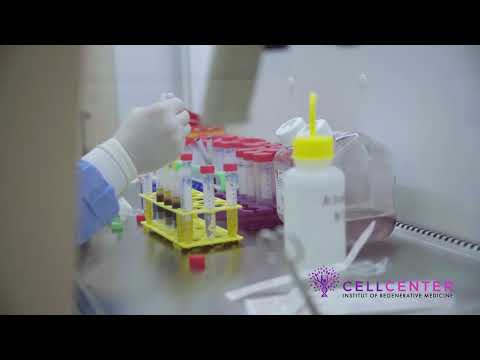
- Specialized Stem Cell Sourcing: Utilization of high-vitality, ethically harvested Wharton’s Jelly-derived Mesenchymal Stem Cells (WJ-MSCs), cultivated in state-of-the-art, Good Manufacturing Practice (GMP) certified laboratories to ensure maximum potency.
- Targeted Delivery Mechanisms: Administration of millions of viable stem cells through a combination of intravenous (IV) infusions and, when clinically indicated, intrathecal injections to bypass the blood-brain barrier for direct central nervous system access.
- Intensive Robotic Physiotherapy: Integration of advanced robotic exoskeletons and computer-assisted motor training to physically stimulate the neuromuscular pathways while the stem cells actively repair cellular structures.
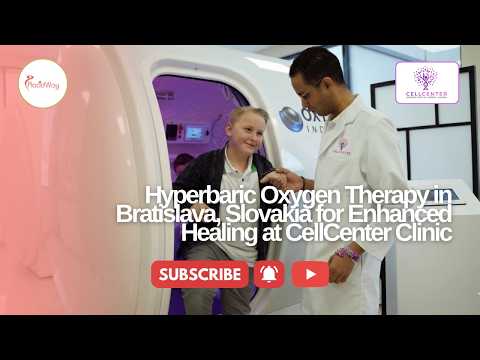
- Adjunctive Neuro-Stimulation: Application of Transcranial Magnetic Stimulation (TMS) and hyperbaric oxygen therapy (HBOT) to saturate the brain with oxygen and optimize the microenvironment for cellular grafting and neurogenesis.
- Long-Term Follow-Up Coordination: Continuous digital monitoring by the clinical team for months following the procedure to track motor improvements, adjust domestic therapy routines, and measure quantitative clinical outcomes.
Comparing Post-Stroke Rehabilitation Options and Costs
Transparency in medical economics is crucial for families navigating the financial strain of long-term disability. In the United Kingdom, once NHS-allotted therapy hours are exhausted, families are thrust into a fragmented private sector where the costs for daily physiotherapy, speech-language pathology, and occupational therapy quickly compound into tens of thousands of pounds. Importantly, these domestic private programs rarely, if ever, include access to regenerative cellular medicine, meaning patients pay premium prices solely for maintenance rather than foundational neurological repair.
Conversely, the medical tourism model in Central Europe leverages regional economic advantages to provide all-inclusive, highly intensive packages. By bundling advanced stem cell applications with inpatient lodging, daily specialist consultations, and intensive physical therapy, Slovakian clinics deliver unmatched healthcare value. The table below illustrates the stark financial and therapeutic contrast between standard UK private rehabilitation and a comprehensive regenerative package abroad.
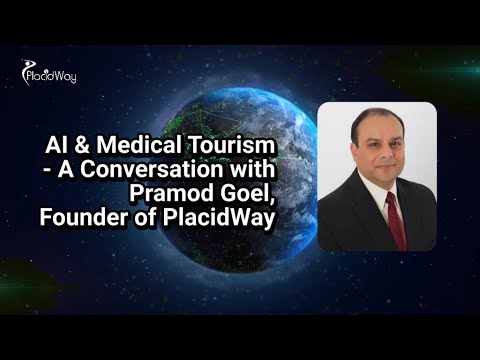
"We are witnessing a monumental shift in patient behavior. Neurological patients are no longer accepting the limitations of conventional, domestic post-stroke care. By leveraging verified data and global medical networks, stroke survivors are traveling abroad to access transformative regenerative protocols. Central Europe has strategically positioned itself at the forefront of this movement, offering an unmatched combination of clinical excellence, strict safety protocols, and compassionate, comprehensive rehabilitation."
— Pramod Goel, CEO of PlacidWay
Real Patient Outcomes: Restoring Motor Function and Speech
The empirical data surrounding post-stroke stem cell therapy in Europe paints an incredibly promising picture for patients suffering from chronic neurological deficits. While individual results inherently vary based on the severity and location of the original stroke, broad clinical observations indicate substantial improvements across multiple quality-of-life metrics. Patients who previously suffered from severe unilateral paralysis frequently report a significant reduction in muscle spasticity, allowing for smoother, more controlled limb movements. These physical gains often translate into the reclamation of daily activities, such as unassisted walking, holding utensils, and dressing independently.
Beyond gross motor function, the regenerative protocols have shown remarkable efficacy in addressing cognitive and communicative barriers. Patients suffering from expressive and receptive aphasia often experience a gradual clearing of "brain fog" and a noticeable improvement in speech fluency in the months following their cellular infusions. This delayed, progressive healing occurs because the neurogenesis and synaptogenesis triggered by the stem cells take several weeks to mature. As the newly formed neural networks stabilize, patients and their families report a profound restoration of dignity and a dramatically improved long-term prognosis.
Inside the Cutting-Edge Medical Facilities in Bratislava
The physical landscape of medical tourism in Slovakia defies outdated stereotypes, featuring hyper-modern infrastructure that rivals the most elite private hospitals in London or New York. The rehabilitation centers and cellular laboratories in and around Bratislava are architectural marvels specifically designed with the neurologically impaired patient in mind. From barrier-free, sensor-driven accommodations to expansive, light-filled physical therapy gymnasiums equipped with zero-gravity treadmills, every square inch of these facilities is optimized to foster healing, safety, and psychological well-being.
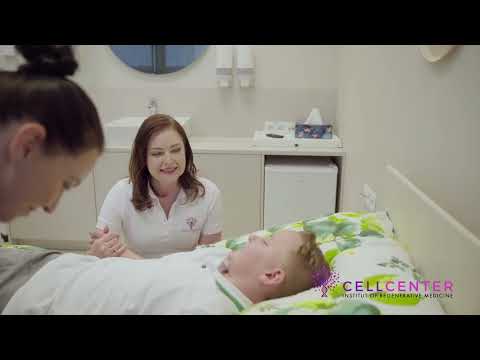
What truly sets these institutions apart is the collaborative, multidisciplinary approach to patient care. Rather than shuttling a patient between disparate specialists across a city, Slovakian clinics house an integrated team of board-certified neurologists, hematologists, specialized physiatrists, and occupational therapists under one roof. This cohesive unit meets daily to review the patient's response to the stem cell infusions, actively adjusting physical therapy regimens in real-time to maximize the ongoing cellular repair. This hyper-personalized, dynamic care model is a primary reason why British medical tourists consistently report superior clinical experiences abroad.
Did You Know? Slovakia has heavily subsidized its biotechnology sector, investing millions into biogenetics and regenerative research. This strategic initiative has transformed the region into a globally recognized hub for patients seeking therapies fully compliant with the European Medicines Agency (EMA) directives.
The Safety and Regulatory Standards of European Clinics
A common initial hesitation for families considering medical travel is the perceived lack of safety oversight. However, undergoing regenerative treatments within the borders of a European Union member state guarantees adherence to some of the most stringent medical regulatory frameworks in the world. Stem cell laboratories operating in Slovakia are strictly governed by the EU Tissues and Cells Directive, which mandates comprehensive tracking, rigorous communicable disease testing, and standardized processing protocols to completely eliminate the risk of contamination or cellular mutation.
Furthermore, the clinics authorized to perform these procedures must maintain active ISO certifications and undergo frequent, unannounced audits by regional health ministries. The attending physicians, often educated in top-tier Western universities and holding active memberships in elite global neurological societies, utilize closed-system cell isolation techniques. This ensures that the biological materials remain in a sterile, pristine environment from the moment of ethically sourced harvesting to the final intravenous administration. For British patients, this translates to absolute peace of mind, knowing they are receiving world-class science in a heavily regulated, risk-mitigated environment.
How PlacidWay Facilitates Seamless Medical Travel Abroad
Organizing international travel is inherently stressful; coordinating a complex medical itinerary for a patient with severe mobility and neurological impairments can feel entirely insurmountable without professional assistance. The internet is flooded with unverified claims and complex logistical barriers, making it exceedingly difficult for families to independently vet clinical data, arrange wheelchair-accessible international transit, and secure the appropriate medical visas or travel documentation required for extended therapeutic stays.
This is where the specialized expertise of PlacidWay becomes a critical asset in the medical tourism journey. As a premier global healthcare facilitator, PlacidWay acts as a deeply knowledgeable, independent advocate for the patient. They meticulously curate a network of elite European providers, offering families immediate access to verified clinic profiles, transparent treatment pricing, and direct telemedicine consultations with leading Slovakian neurologists. By managing the overwhelming logistical complexities—from airport-to-clinic transfers to matching patients with world-renowned facilities—PlacidWay empowers stroke survivors to focus entirely on their rehabilitation, cellular healing, and the journey back to a rich, independent life.





.png)
.png)


.png)
.png)

.png)








Share this listing