


Slovakia Leads Advanced Cirrhosis Care
Driven by severe wait times, German patients are crossing borders for Advanced Cirrhosis Treatment in Slovakia. This shift highlights a massive demand for affordable, world-class regenerative therapies in Central Europe, offering innovative hope for battling severe hepatic diseases.
The Rising Global Demand for Innovative Liver Therapies
The burden of chronic liver disease is escalating rapidly across Western Europe, driven by modern lifestyle factors, metabolic syndromes, and rising rates of non-alcoholic fatty liver disease (NAFLD). In nations like Germany, hepatology wards are experiencing unprecedented influxes of patients presenting with advanced stages of liver fibrosis and cirrhosis. Traditionally, the terminal solution for these severe hepatic conditions has been a full liver transplant. However, a stagnant donor pool combined with stringent qualification criteria has resulted in insurmountable waitlists, leaving thousands of critically ill individuals in a perilous state of medical limbo.
As conventional pharmacological interventions offer limited efficacy in reversing established liver scarring, the medical community and desperate patients alike have shifted their focus toward the promising field of regenerative medicine. High-net-worth individuals and middle-class patients are no longer willing to passively manage their deteriorating symptoms. Instead, they are actively seeking out cutting-edge cellular therapies capable of halting disease progression and stimulating the regeneration of healthy hepatocytes. This desperate search for viability and survival has fundamentally altered the landscape of European medical tourism, redirecting patient flow toward nations heavily invested in biomedical innovation.
Did You Know? The European Union reports that chronic liver diseases account for over 300,000 deaths annually. With transplant waitlists stretching for months or even well beyond a decade, nearly 35% of eligible transplant candidates look toward cross-border regenerative therapies as a crucial bridge to survival.
Why German Patients Are Selecting Slovakia for Hepatic Care
Geographic proximity and seamless logistical connectivity play massive roles in Slovakia’s emergence as the premier destination for German medical tourists. Situated just a short flight or a comfortable train ride from major hubs like Munich, Berlin, and Frankfurt, Bratislava offers a highly accessible alternative to traveling to distant medical hubs in Asia or the Americas. For patients suffering from the fatigue and physical constraints associated with liver cirrhosis, minimizing travel stress is a paramount clinical consideration. By crossing into a neighboring European Union member state, German patients maintain the legal and regulatory protections inherent to the EU healthcare framework.
Beyond mere geography, the economic dynamics of the region present a highly compelling value proposition. Slovakia boasts an exceptionally lower cost of living and reduced administrative overhead compared to the German healthcare system. However, this reduction in cost does not correlate to a reduction in medical quality. Slovakian healthcare policies have aggressively subsidized the development of high-tech biomedical facilities and recruited top-tier, internationally trained hepatologists. Patients realize they can access hyper-advanced, personalized medical protocols—which would be financially debilitating in Germany—at a highly competitive price point, all while recuperating in luxury, patient-centric environments.
Examining the Efficacy of Cellular Therapy for Liver Cirrhosis
The cornerstone of this medical migration is the profound clinical success of mesenchymal stem cell (MSC) therapy in treating advanced liver disease. Unlike traditional medications that only manage symptoms, cellular therapy addresses the root pathology of cirrhosis. When introduced into the patient's system, these sophisticated cells exhibit powerful homing capabilities, migrating directly to the sites of hepatic injury. Once there, they deploy a complex array of paracrine factors that actively suppress chronic inflammation, a primary driver of ongoing liver damage.
Furthermore, robust clinical data indicates that these regenerative therapies can effectively stimulate the proliferation of endogenous liver cells while simultaneously degrading the fibrotic scar tissue that chokes the organ. Patients undergoing these protocols frequently report remarkable improvements in their metabolic panels, including normalized bilirubin and albumin levels, and significantly improved Model for End-Stage Liver Disease (MELD) scores. As encephalopathy fades and energy levels return, the psychological and physical transformation offers a renewed lease on life, proving that a cirrhosis diagnosis is no longer an immediate death sentence.
Inside the Elite Facilities Transforming Patient Outcomes
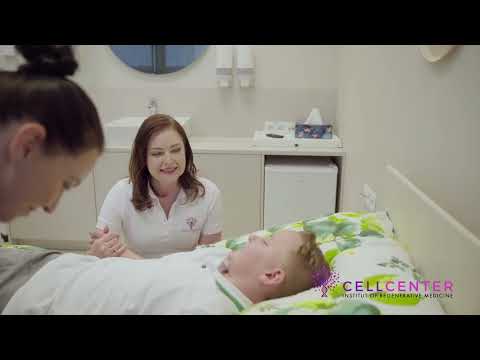
The architectural and clinical standards of Slovakian regenerative clinics rival the most prestigious medical institutions worldwide. These facilities are designed less like traditional, sterile hospitals and more like wellness retreats, ensuring that the patient's psychological well-being is prioritized alongside their physiological recovery. Advanced diagnostic wings, proprietary cellular cultivation laboratories, and VIP recovery suites are all housed under a single roof, creating a frictionless, highly controlled medical environment. For instance, international patients frequently turn to CellCenter in Slovakia, a pioneering clinic that flawlessly integrates cutting-edge regenerative protocols with comprehensive liver rehabilitation programs.
Upon entering these elite medical centers, patients are assigned a dedicated, multidisciplinary medical team. This typically includes a board-certified hepatologist, an immunologist, a specialized nutritionist, and a bilingual patient concierge. Every aspect of the patient's biology is mapped using high-definition imaging and comprehensive genetic profiling before a single therapeutic cell is administered. This bespoke, intensely personalized approach guarantees that the regenerative therapy is optimized for the patient’s specific stage of cirrhosis, maximizing the probability of cellular engraftment and long-term functional recovery.
"As traditional transplant waitlists grow increasingly insurmountable across Western Europe, we are witnessing a massive geographic shift in advanced hepatology care. Informed patients are bypassing domestic bottlenecks and leveraging transparent medical data to access life-saving regenerative treatments abroad. Slovakia has masterfully positioned itself at the forefront of this medical revolution, offering uncompromising clinical excellence, stringent EU safety standards, and unparalleled accessibility for the discerning international patient."
— Pramod Goel, CEO of PlacidWay
Financial Transparency: The Cost of Cirrhosis Treatment Analyzed
One of the most profound barriers to alternative medical care in Western Europe is the opacity of healthcare billing and the refusal of statutory health insurance to cover experimental or highly advanced regenerative therapies. In Germany, a patient exploring cellular treatments out-of-pocket is met with exorbitant laboratory fees, astronomical clinical admission costs, and a fragmented billing system. Conversely, the medical tourism model in Slovakia operates on a foundation of absolute financial transparency.
Top-tier clinics provide comprehensive, all-inclusive packages that bundle the cellular cultivation, the administration, the hospital stay, and the post-operative monitoring into one predictable quote. This allows patients and their families to plan their medical journey without the looming terror of hidden fees or sudden invoice spikes. The side-by-side financial comparison clearly demonstrates why the economic viability of cross-border treatment is an undeniable draw for the German demographic.
Navigating the Cross-Border European Healthcare Framework
One of the most significant advantages for German patients seeking care in Slovakia is the legal protection provided by the European Union's cross-border healthcare directives. These regulatory frameworks establish the fundamental right of EU citizens to seek planned medical treatment in another member state. Because clinics in Slovakia operate under the stringent safety, hygiene, and ethical guidelines mandated by the European Medicines Agency (EMA), patients can pursue these advanced therapies with the utmost confidence in the clinical standards applied to their care.
Furthermore, the logistical friction of international medical travel is virtually eliminated. Traveling between Germany and Slovakia requires no complex medical visas, and the shared Euro currency negates the complexities of foreign exchange rates and international banking fees. In certain qualifying instances, German patients armed with proper documentation and pre-authorizations may even successfully petition their domestic health insurance providers for partial reimbursements, leveraging EU laws designed to facilitate patient mobility and alleviate domestic waitlist pressures.
Did You Know? The liver is the only visceral organ in the human body possessing the remarkable capacity to regenerate. When stimulated by advanced mesenchymal therapies, even a liver that has been reduced to 25% of its original healthy mass can potentially be coaxed back into functional, life-sustaining regeneration.
The Strategic Role of Platforms in Securing Safe Liver Therapies
While the prospect of traveling for advanced liver regeneration is highly compelling, executing such a complex medical journey independently can be fraught with challenges. Evaluating a foreign clinic's laboratory accreditations, verifying the exact origin of cellular materials, and coordinating cross-border medical record transfers require specialized expertise. The digital landscape is densely populated with unverified medical advertisements, making it imperative for vulnerable patients to utilize objective, third-party facilitation platforms to ensure their safety and medical success.
By engaging with global medical tourism aggregators like PlacidWay, patients instantly gain access to a meticulously curated network of internationally accredited medical centers. Facilitators bridge the gap between German patients and Slovakian hepatologists, seamlessly orchestrating initial tele-consultations, translating dense medical histories, and securing guaranteed, transparent pricing. This vital layer of advocacy ensures that patients can bypass administrative chaos and focus their limited energy entirely on their restorative health journey.
What to Expect During Your Liver Rehabilitation Journey Abroad
Understanding the chronological flow of a cross-border regenerative treatment helps alleviate patient anxiety. Top clinics have refined the patient journey into a highly structured, seamless experience designed for optimal comfort and clinical efficacy. When booking an advanced cirrhosis treatment package in Slovakia, patients can anticipate the following structured pathway:
- Preliminary Virtual Evaluation: Prior to leaving Germany, patients undergo exhaustive video consultations with specialized hepatologists, submitting their recent blood panels and ultrasound/MRI imaging for a thorough viability assessment.
- Concierge Arrival & Admission: Upon arriving in Bratislava, dedicated bilingual personnel manage all ground transportation, escorting the patient directly to the medical facility or partnered boutique recovery hotel.
- On-Site Diagnostic Verification: The clinical team conducts real-time, high-definition diagnostics to confirm the exact state of the liver, ensuring the pre-designed cellular protocol perfectly matches the patient's current physiology.
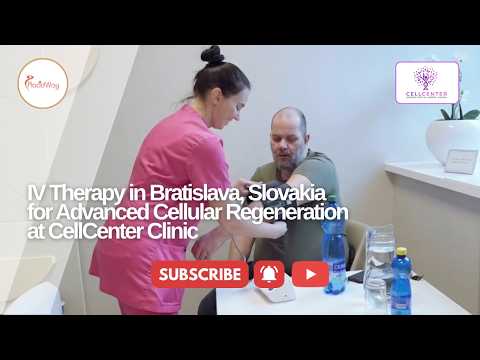
- Minimally Invasive Administration: The regenerative cells are administered via precise, minimally invasive intravenous infusions or localized injections under advanced imaging guidance, requiring little to no general anesthesia.
- Observation & Long-Term Aftercare: Following the procedure, patients rest in luxury suites while their vitals are monitored. Upon discharge, they are provided with a comprehensive dietary plan, necessary supplements, and a schedule for remote follow-up consultations to track their regenerative progress over the coming months.





.png)


.png)


.png)








Share this listing