


The landscape of global healthcare is rapidly shifting, with stem cell diabetes treatments in Bratislava emerging as a focal point for regenerative medicine. Patients from the DACH region—Germany, Austria, and Switzerland—are increasingly seeking out this central European hub. They are driven by a combination of high-quality medical standards and the desire to access innovative therapies that might not be as readily available or affordable in their home countries. Regenerative approaches are generally designed to focus on improving the body's natural cellular function.
While traditional endocrinology relies heavily on daily insulin management and dietary restrictions, regenerative medicine explores the potential of cellular repair. Most patients experience these therapies as complementary management strategies rather than outright cures. Understanding the scientific and logistical realities of medical tourism in Slovakia is the first crucial step for any international patient considering this journey. Careful research and realistic expectations form the foundation of a safe medical travel experience.
Bratislava is strategically located just an hour's drive from Vienna, Austria, making it exceptionally accessible for DACH region patients seeking advanced medical procedures across the border.
Why DACH Patients Choose Medical Tourism in Slovakia
Patients residing in Germany, Austria, and Switzerland face some of the highest healthcare costs in Europe, prompting a surge in DACH region medical tourism. Slovakia offers a compelling alternative by combining European Union regulatory frameworks with a significantly lower cost of living and operational overhead. This economic environment allows top-tier facilities to offer affordable stem cell therapy for diabetes without compromising on clinical excellence, hygiene, or technological advancement. Many individuals find that the proximity allows them to travel by train or car, avoiding stressful long-haul flights.
Beyond the financial advantages, Bratislava is home to numerous highly trained specialists who frequently collaborate with international research institutions. The clinical staff in these facilities typically speak fluent German and English, drastically reducing language barriers and ensuring clear medical communication. Consequently, DACH patients feel a sense of geographical and cultural comfort when pursuing regenerative medicine in Slovakia. They benefit from personalized care protocols that are sometimes restricted by rigid insurance models in their home nations.
Slovakia's healthcare sector is strictly regulated under the European Medicines Agency (EMA) guidelines, ensuring that biological treatments meet rigorous international safety standards.
How Affordable Stem Cell Therapy for Diabetes Works
The foundational concept behind stem cell treatments for diabetes involves utilizing the body's—or an ethically sourced donor's—cellular material to address pancreatic dysfunction. These specialized cells have unique immunomodulatory properties that can typically help reduce systemic inflammation, a common aggravator in metabolic disorders. Furthermore, regenerative medicine aims to create a microenvironment conducive to the protection and potential regeneration of insulin-producing beta cells. It is crucial to note that individual physiological responses vary greatly from patient to patient.
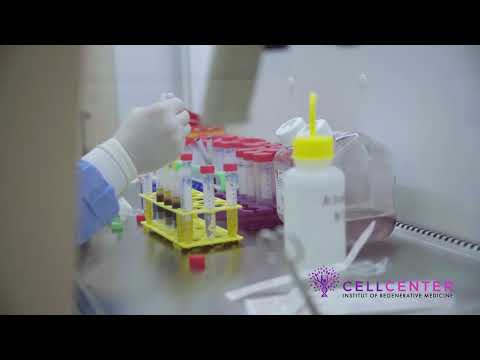
The process generally begins with a thorough medical evaluation to determine candidacy, followed by the harvesting, processing, and targeted re-administration of the stem cells. Because stem cell clinics in Slovakia operate with specialized laboratory equipment on-site, the viability and concentration of the cells are optimized. Patients are continually monitored throughout the infusion process. This streamlined, advanced approach is what makes cost-effective stem cell diabetes treatments scientifically viable and clinically profound.
- Immunomodulation: The cells work to potentially suppress the autoimmune response attacking pancreatic tissues.
- Cellular Signaling: Stem cells release exosomes and growth factors that encourage localized tissue repair.
- Angiogenesis: The therapy can generally promote the formation of new blood vessels, improving blood flow to critical organs.
- Inflammation Reduction: Typically lowers systemic inflammation markers associated with metabolic syndrome.
Stem Cell Diabetes Treatment Cost in Bratislava vs DACH Region
One of the primary catalysts for cross-border healthcare is the stark contrast in the stem cell diabetes treatment cost in Bratislava compared to neighboring DACH nations. In Germany or Switzerland, comprehensive cellular therapies are often priced at a premium due to high clinical overhead and differing regulatory landscapes. In contrast, patients traveling to Slovakia can access the exact same advanced laboratory protocols for a fraction of the cost. This price differentiation allows patients to afford comprehensive follow-up care and extended treatment protocols if necessary.
Understanding the financial breakdown is vital for transparency and budget planning. The costs encompass not only the cellular extraction and processing but also the clinical administration and initial medical consultations. While pricing is subject to change based on the patient's individual medical needs, the market averages highlight a significant economic advantage. Below is a comparative look at the average costs for regenerative medicine in Slovakia versus the DACH region.
| Procedure Name | Average Cost in Bratislava | Average Cost in DACH Region |
|---|---|---|
| Basic Stem Cell Protocol | €5,500 - €7,500 | €12,000 - €18,000 |
| Advanced MSC Therapy | €8,000 - €10,000 | €18,000 - €25,000 |
| Comprehensive Stem Cell & Exosome Therapy | €10,000 - €14,000 | €25,000 - €35,000 |
Evaluating Reliable Stem Cell Clinics in Bratislava for Diabetes
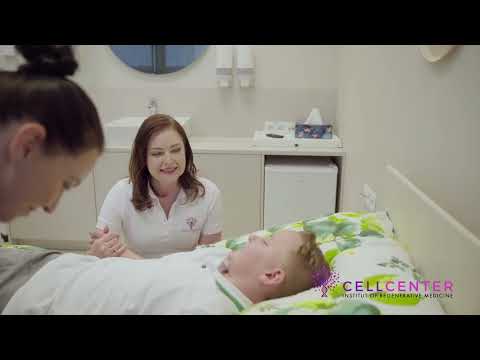
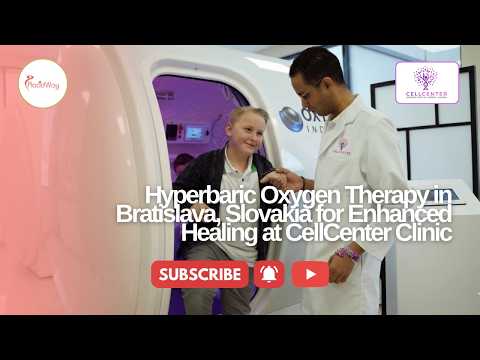
Choosing the right medical facility is a paramount decision that requires thorough due diligence, especially when dealing with advanced regenerative procedures. Stem cell clinics in Slovakia vary in their specific protocols, laboratory capabilities, and areas of specialization. Patients should prioritize facilities that maintain transparent clinical practices, possess European accreditations, and staff board-certified specialists. When researching top-tier regenerative facilities, many international patients look closely at specialized institutions like the CellCenter, which focuses on delivering advanced, compliant therapies.
It is crucial to request detailed information regarding the source of the stem cells, the cultivation process, and the specific administration methods utilized. High-quality centers will never pressure a patient into a procedure and will always conduct rigorous pre-screening to ensure medical suitability. By evaluating a clinic's commitment to patient safety and evidence-based protocols, individuals can confidently pursue cost-effective stem cell diabetes treatments. Always engage in comprehensive consultations before committing to a medical journey.
Always ask prospective clinics for documented proof of their laboratory certifications and inquire about the specific viability testing they perform on their stem cell products.
The Science Behind Stem Cells for Diabetes Management
The fundamental science powering stem cell therapy for diabetes revolves around Mesenchymal Stem Cells (MSCs), which are highly sought after for their regenerative capabilities. These cells can be harvested from adipose (fat) tissue, bone marrow, or ethically sourced umbilical cord tissue. Once introduced into the patient's system, they generally home in on areas of inflammation and tissue damage, guided by chemical signals from the body. This targeted approach is what makes cellular therapy a unique addition to traditional metabolic disorder management.
In the context of diabetes, the primary goal is not just symptom management but addressing the underlying cellular dysfunction. While they cannot magically recreate a destroyed pancreas, MSCs typically secrete growth factors that support the survival of existing beta cells. Exploring the science of regenerative medicine in Slovakia empowers DACH patients to make educated, science-backed decisions. This biological process is complex and requires specialized clinical oversight to be administered safely.
Mesenchymal Stem Cells (MSCs) are multipotent, meaning they have the ability to differentiate into a variety of cell types, which is essential for comprehensive tissue repair.
Preparing for Stem Cell Diabetes Therapy in Slovakia
Proper preparation is a vital component of a successful medical journey for those seeking stem cell diabetes treatments in Bratislava. Preparation begins weeks before travel and involves comprehensive blood work, metabolic profiling, and detailed consultations with both local endocrinologists and Slovakian specialists. Patients must ensure that their blood sugar levels are reasonably stabilized, as massive fluctuations can potentially impact the efficacy of the cellular integration. Open communication between your home doctor and the foreign clinic is highly encouraged.
Logistically, DACH patients should organize their medical records, translate them if necessary, and plan for a stress-free travel itinerary. Stress management is a critical factor, as elevated cortisol levels can negatively affect the immune system and the body's healing response. By meticulously planning both the medical and logistical aspects of medical tourism in Slovakia, patients set the stage for an optimal therapeutic experience. Below are key preparatory steps generally recommended by top clinics.
- Medical Record Compilation: Gather the last 6-12 months of HbA1c tests, metabolic panels, and physician notes.
- Dietary Adjustments: Follow an anti-inflammatory diet in the weeks leading up to the procedure to optimize cellular response.
- Medication Review: Discuss all current medications with the clinic, as blood thinners or immunosuppressants may need temporary adjustments.
- Travel Planning: Arrange comfortable transport from Germany, Austria, or Switzerland to minimize physical exhaustion before the treatment.
What to Expect During the Stem Cell Procedure
For many international patients, anxiety stems from the unknown, making it essential to understand the step-by-step process of the affordable stem cell therapy for diabetes. Upon arrival at the clinic, patients typically undergo a final medical review to confirm that their current health status aligns with the treatment protocol. If an autologous protocol (using the patient's own cells) is chosen, a mini-liposuction or bone marrow aspiration is performed under local anesthesia. The harvested material is then immediately transferred to the on-site laboratory for isolation and purification.
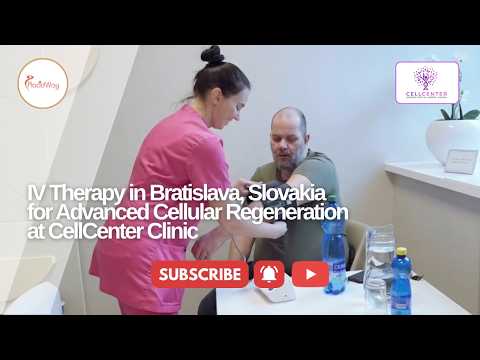
The actual administration of the cells is generally straightforward and minimally invasive, usually delivered via intravenous (IV) drip over a period of a few hours. Patients are seated in a comfortable observation room where medical staff monitor their vital signs continuously to ensure safety. The entire clinical process for stem cell diabetes treatments in Bratislava is designed to be as comfortable and patient-centric as possible. After a brief observation period post-infusion, most patients are cleared to return to their accommodation.
According to medical tourism data, over 70% of DACH patients seeking regenerative medicine report that the actual procedure was significantly less invasive than they initially anticipated.
Recovery Timeline and Post-Treatment Expectations
Managing expectations regarding recovery is a crucial aspect of regenerative medicine in Slovakia. Because stem cell therapy relies on biological processes, results are not instantaneous; the cells require time to integrate, signal, and initiate repair mechanisms. The immediate physical recovery from the procedure itself is typically short, with most patients experiencing only mild fatigue or localized soreness if an extraction was performed. Patients are generally advised to rest for 24 to 48 hours before undertaking the journey back to the DACH region.
Long-term expectations must be grounded in clinical reality; this is a management tool, not an overnight cure. Over the subsequent 3 to 6 months, patients typically undergo regular blood testing at home to monitor changes in insulin requirements and HbA1c levels. Maintaining a healthy lifestyle, including proper diet and exercise, is absolutely essential to support the ongoing work of the newly introduced cells. Adhering to the post-treatment guidelines provided by your stem cell clinic in Slovakia maximizes the potential for positive outcomes.
Keep a detailed daily log of your blood sugar readings, dietary intake, and energy levels for the first 90 days post-treatment to accurately track your progress with your physician.
Important Safety Protocols and Potential Risks
Patient safety must always be the paramount concern when engaging in DACH region medical tourism for advanced therapies. While regenerative treatments are generally well-tolerated, they are medical procedures and inherent risks do exist. It is essential to understand that stem cell therapy is considered an experimental or complementary approach in many jurisdictions, and clinical outcomes can vary drastically. Reputable facilities prioritize strict contraindication checks to exclude patients with active infections or certain malignancies.
To mitigate risks, accredited stem cell clinics in Slovakia utilize rigorous sterilization techniques, closed-system cell processing, and continuous vital monitoring. Potential minor side effects typically include a low-grade fever, mild fatigue, or slight bruising at the injection site, which usually resolve independently. Transparency regarding these risks is a hallmark of a trustworthy medical institution. Below are vital safety elements you should verify.
Stem cell therapy is not a guaranteed cure for diabetes. Results are highly individualized, and patients must never alter or discontinue their prescribed insulin or diabetic medications without direct authorization from their primary endocrinologist.
- Sterility Standards: Ensure the clinic utilizes ISO-certified cleanrooms for cell processing.
- Allergy Checks: Comprehensive screening for potential allergic reactions to preservation agents used in the IV drip.
- Physician Credentials: Verify that the administering doctors are board-certified in their respective regenerative or internal medicine specialties.
DACH Region Patient Experiences and Success Stories
Hearing directly from individuals who have navigated medical tourism in Slovakia can provide immense comfort and valuable insights. Patients from Germany, Austria, and Switzerland frequently report high satisfaction rates, particularly regarding the compassionate care and modern facilities they encounter. These subjective experiences help demystify the process of seeking affordable stem cell therapy for diabetes abroad. While anecdotal, these stories highlight the human element of cross-border medical care.
Every patient's journey is unique, shaped by their specific medical history and physiological response to the treatment. The following summaries reflect common themes of improved energy, better symptom management, and excellent clinical experiences. These accounts illustrate why Bratislava remains a top destination for regenerative healthcare.
Markus T. (Austria)
Traveling from Vienna to Bratislava was incredibly easy. The clinic staff spoke perfect German, and I felt completely supported. While I still manage my diabetes daily, I have generally noticed more stable energy levels post-treatment.
Elena S. (Germany)
The cost of similar treatments in Munich was prohibitive. I found a highly professional team in Slovakia. Six months after my IV infusion, my endocrinologist noted slight improvements in my overall inflammatory markers.
Lukas H. (Switzerland)
I approached the therapy cautiously, understanding there are no guarantees. The doctors in Bratislava were incredibly transparent about the risks. The procedure itself was painless, and the clinic felt like a premium hospital.
Sabine M. (Germany)
The comprehensive care I received was outstanding. The financial savings allowed me to afford the advanced exosome protocol. Most importantly, I felt heard by the medical team, who tailored the approach specifically to my metabolic profile.
Traveling from Germany, Austria, or Switzerland to Bratislava
The logistical simplicity of accessing stem cell diabetes treatments in Bratislava is a major draw for the DACH population. Because Slovakia is a member of the European Union and the Schengen Area, citizens of Germany, Austria, and Switzerland do not face restrictive border checks or visa requirements. A simple train ride, a short drive, or a quick flight lands patients in a modern, culturally rich European capital. This frictionless travel experience significantly reduces the physical toll on patients already dealing with chronic health issues.
Bratislava itself boasts a highly developed infrastructure with excellent public transport, reliable medical courier services, and international standard amenities. Many international patients combine their medical journey with a brief, relaxing stay in the city, enjoying the mild climate and historic surroundings before their procedure. Navigating medical tourism in Slovakia is generally straightforward, but having a well-organized itinerary ensures a completely stress-free experience.
Bratislava Airport (BTS) and the nearby Vienna International Airport (VIE) offer numerous daily connections to major DACH region hubs, making travel coordination exceptionally convenient.
How PlacidWay Assists Your Stem Cell Medical Tourism Journey in Bratislava
Embarking on a cross-border healthcare journey requires trust, meticulous planning, and access to accurate clinical information. Attempting to organize regenerative medicine in Slovakia independently can be overwhelming for patients already focused on managing their diabetes. This is where professional medical tourism facilitation becomes an invaluable asset, ensuring you are connected only with vetted and accredited institutions.
PlacidWay serves as a global leader in healthcare navigation, specifically tailored to empower patients with transparent, high-quality medical choices. We streamline the complexities of finding cost-effective stem cell diabetes treatments, allowing you to focus entirely on your health and recovery. Here is how PlacidWay adds definitive value to your medical journey:
- Clinic Vetting: We connect you exclusively with clinics that meet rigorous international standards and hold necessary medical accreditations.
- Transparent Information: We provide detailed, objective overviews of treatment protocols, clinic capabilities, and medical team credentials.
- Streamlined Communication: We facilitate direct, clear communication between you and the specialized medical teams in Bratislava.
- Comprehensive Estimates: We help you obtain accurate, detailed price quotes directly from the clinics, ensuring you understand the financial scope of your treatment.
- Dedicated Support: Our patient coordinators guide you through the initial inquiry phase right up to the booking of your clinical consultation.
Frequently Asked Questions About Stem Cell Diabetes Treatment in Bratislava
When considering DACH region medical tourism for complex therapies, patients naturally have numerous questions regarding safety, efficacy, and logistics. It is vital to address these common inquiries to foster a transparent and informed decision-making process. The intricacies of regenerative medicine require clear, concise explanations.
Below, we have compiled the most frequently asked questions regarding stem cell clinics in Slovakia and the protocols they employ. These answers aim to provide foundational knowledge, though they should never replace a direct consultation with a qualified medical specialist.
Am I a suitable candidate for stem cell diabetes treatment in Bratislava?
Candidacy typically depends on the type of diabetes, overall health, and medical history. A comprehensive evaluation by a specialist in Slovakia is necessary to determine if this therapy is appropriate for you.
Is stem cell therapy for diabetes a guaranteed cure?
No, stem cell therapy is not a guaranteed cure for diabetes. It is a regenerative management approach that most patients experience as a way to potentially improve pancreatic function and better manage symptoms.
How much does stem cell diabetes treatment cost in Slovakia?
The cost of stem cell diabetes treatments in Bratislava generally ranges from €5,500 to €14,000, depending on the specific protocol and number of sessions required.
Why is medical tourism in Slovakia popular for DACH patients?
DACH patients choose Slovakia due to its geographical proximity, stringent European Union medical standards, and highly cost-effective stem cell therapy options compared to clinics in Germany or Switzerland.
Are the stem cell clinics in Bratislava safe and regulated?
Yes, reputable clinics in Slovakia must adhere to strict European Union health and safety regulations. Patients are advised to thoroughly research clinics to ensure they maintain international accreditation.
What type of stem cells are generally used for diabetes?
Most protocols utilize Mesenchymal Stem Cells (MSCs) derived from the patient's own body (autologous) or ethically sourced donor tissue (allogeneic), as they have strong immunomodulatory properties.
How long is the recovery period after the procedure?
The procedure is typically minimally invasive, allowing most patients to resume normal light activities within a few days. However, full integration of the cells and observation of potential benefits can take several months.
Do I need a visa to travel from Germany, Austria, or Switzerland to Slovakia?
Because Slovakia is a member of the Schengen Area, citizens of Germany, Austria, and Switzerland do not need a visa to travel to Bratislava for medical treatments.
Will I need multiple treatment sessions?
Treatment plans are highly individualized. While some patients may undergo a single comprehensive protocol, others might require follow-up sessions based on their specific physiological response.
How does PlacidWay help with my medical journey?
PlacidWay connects international patients with accredited clinics, provides transparent treatment information, and offers dedicated coordination support to facilitate a seamless medical tourism experience.
Medical Disclaimer: This article is for informational purposes only and is not medical advice. Always consult a qualified healthcare provider before any medical decisions. Results may vary. Read Full Disclaimer here.
References
- Mayo Clinic. Stem cells: What they are and what they do. https://www.mayoclinic.org/tests-procedures/bone-marrow-transplant/in-depth/stem-cells/art-20048117
- World Health Organization (WHO). Diabetes Fact Sheet. https://www.who.int/news-room/fact-sheets/detail/diabetes
- European Union Schengen Area Policy. Medical Travel & Visas. https://home-affairs.ec.europa.eu/policies/schengen-borders-and-visa/schengen-area_en



.png)










Share this listing