


India Pivots: ASEAN & Africa Drive Transplant Boom
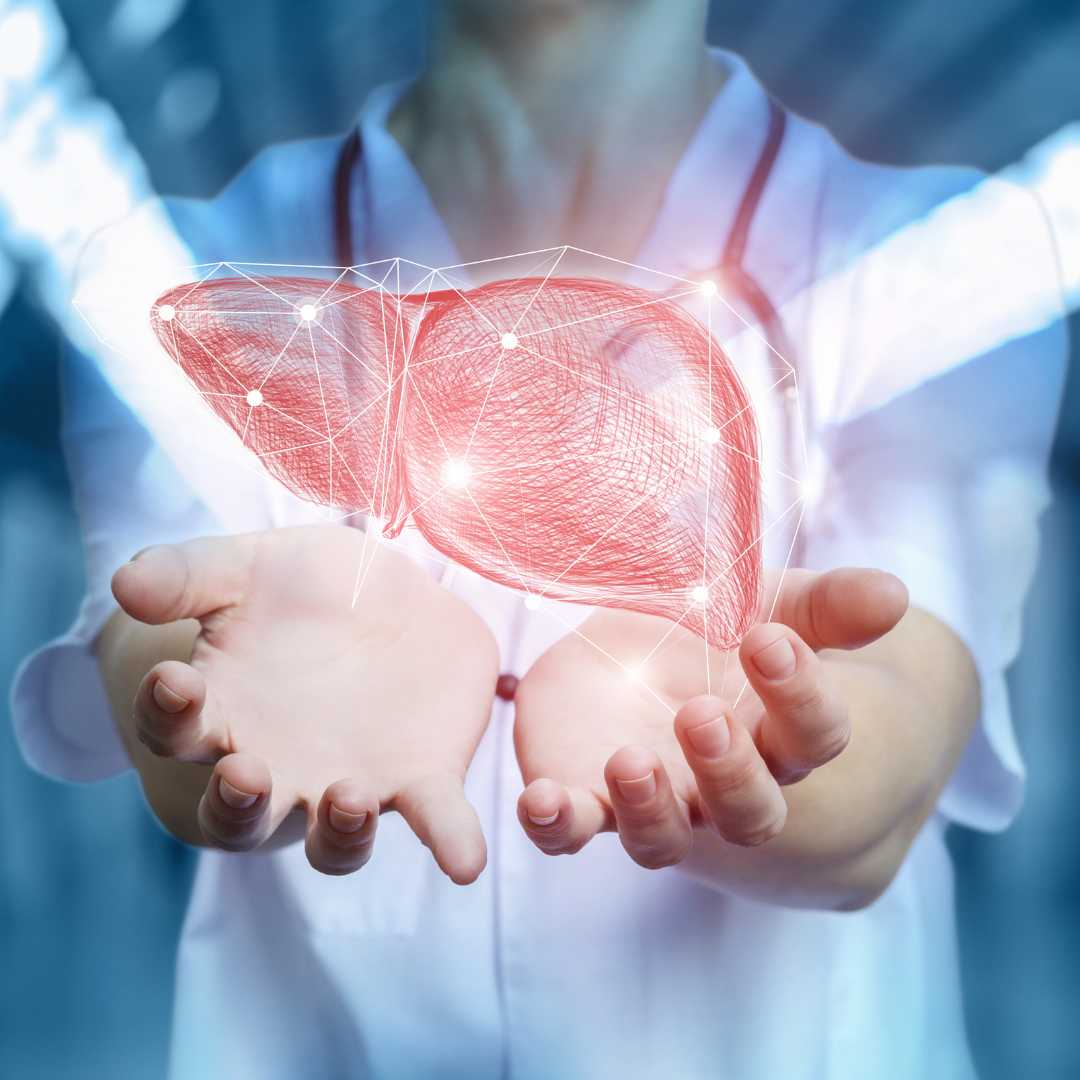
Amid escalating Gulf conflicts, top-tier Indian medical centers are rapidly pivoting to court a new demographic. Thousands are now securing a Liver Transplant in India, as African and ASEAN patients seek affordable, world-class complex transplants to bypass disrupted regional healthcare routes.
The Geopolitical Shift: Moving Away from Traditional Gulf Markets
Historically, the Indian medical tourism industry relied heavily on an influx of patients from the Middle East and Gulf Cooperation Council (GCC) nations. These traditional healthcare corridors provided a steady stream of high-net-worth individuals seeking advanced oncology treatments, orthopedic revisions, and cardiovascular surgeries. However, escalating geopolitical conflicts, stringent visa regulations, and unpredictable airspace restrictions have significantly disrupted these long-established travel routes. Consequently, major hospital networks across Delhi, Chennai, and Mumbai experienced a sudden necessity to diversify their international patient portfolios to maintain their robust revenue streams and utilize their massive clinical capacities.
This geopolitical volatility has acted as a profound catalyst for strategic market pivoting. Healthcare administrators and international patient coordinators in India are now executing aggressive outreach campaigns directed at emerging markets. By establishing direct clinical partnerships, organizing localized medical camps, and offering streamlined telemedicine consultations, these facilities are capturing massive patient volumes from Sub-Saharan Africa and the Association of Southeast Asian Nations (ASEAN). This strategic shift has not only stabilized the influx of medical tourists but has actively expanded the global footprint of Indian healthcare excellence, establishing the country as the undisputed leader for complex surgical interventions in the global south.
Did You Know? The demographic landscape of India’s medical tourism has shifted dramatically, with recent data highlighting a massive 45% year-over-year increase in inbound medical travelers from countries like Kenya, Nigeria, and Myanmar specifically seeking life-saving multi-organ transplants and pediatric cardiac care.
Why African Patients Seek Complex Transplants in India
The continent of Africa is currently undergoing a rapid epidemiological transition. While communicable diseases once dominated the public health landscape, there is now an unprecedented surge in non-communicable diseases, particularly hypertension and diabetes. Left unchecked by a lack of preventative care infrastructure, these conditions frequently culminate in end-stage renal disease (ESRD) and severe hepatic failure. Unfortunately, specialized surgical infrastructure in Sub-Saharan Africa remains severely underfunded. The critical shortage of dialysis machines, transplant-trained nephrologists, and dedicated intensive care units leaves patients with very few domestic options for long-term survival.
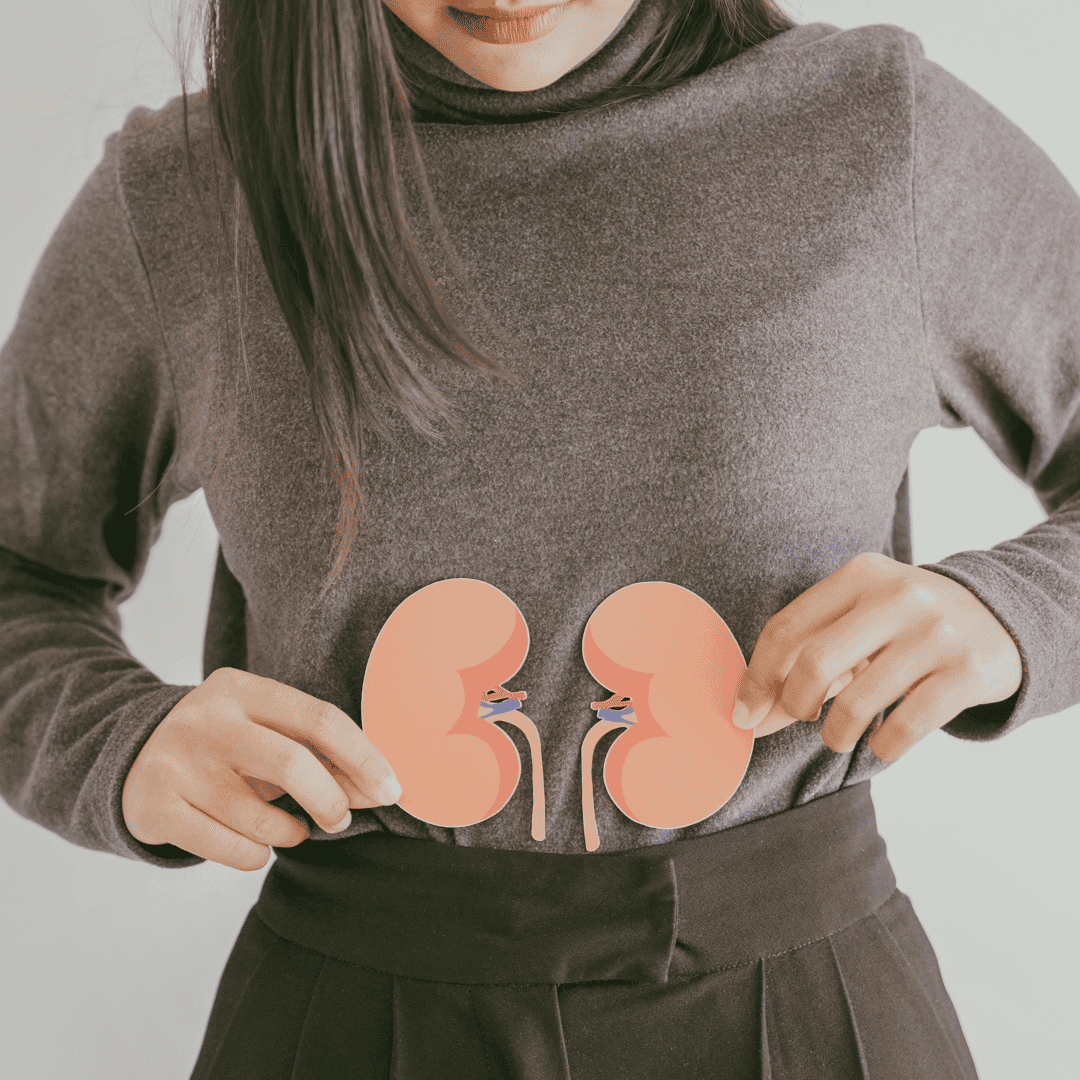
Faced with these dire circumstances, a growing middle class is looking eastward for salvation. Obtaining an affordable Kidney Transplant in India has become the most viable lifeline for thousands of African citizens. Indian consulates have facilitated this life-saving migration by introducing expedited, prioritized medical visas (M-Visas) for patients and their organ donors. Furthermore, top Indian hospitals have cultivated deep cultural competencies, employing native Swahili and French translators, offering culturally appropriate dietary menus, and establishing liaison offices directly in cities like Nairobi and Lagos to seamlessly guide patients from their initial diagnosis through their return flight home.
The ASEAN Healthcare Boom: Seeking Specialized Surgical Care
Simultaneously, a massive healthcare migration is occurring from the ASEAN region. While countries like Singapore and Thailand have long been celebrated as regional medical hubs, their pricing models have become increasingly prohibitive. Rampant medical inflation in these nations has pushed the cost of elite tertiary care far beyond the reach of the average citizen in neighboring countries such as Myanmar, Cambodia, and the Philippines. When faced with the need for highly intricate procedures, such as a Heart Transplant in India or a complex bone marrow transplant, ASEAN patients are realizing that Indian medical centers offer an identical, if not superior, caliber of clinical expertise at a fraction of the cost.
The appeal of Indian healthcare for ASEAN patients goes beyond mere economics; it is deeply rooted in clinical innovation. Elite Indian transplant centers boast high-volume, multi-disciplinary teams that routinely perform dual-organ transplants and ABO-incompatible (blood group mismatch) transplants—procedures that require a level of immunological mastery rarely found in smaller regional hospitals. By aggressively marketing these highly specialized competencies, Indian medical facilities are successfully diverting the flow of ASEAN medical tourists away from traditional Southeast Asian hubs and establishing a new epicenter for complex physiological reconstruction.
Analyzing the Cost: Complex Transplants in India vs. Global Averages
The primary engine driving this massive influx of global patients is the undeniable economic value proposition. In Western nations and tier-one Asian countries, the financial burden of an organ transplant can easily bankrupt an uninsured or underinsured family. The exorbitant costs associated with donor matching, operating room utilization, specialized immunosuppressive drugs, and prolonged intensive care unit (ICU) stays create insurmountable barriers to entry. In stark contrast, the Indian healthcare system leverages economies of scale, indigenous pharmaceutical manufacturing, and lower administrative overhead to dramatically reduce the patient's financial burden without ever compromising clinical safety.
The financial data clearly illustrates the monumental savings available to international patients. When booking all-inclusive medical tourism packages, patients receive transparent, upfront pricing that covers pre-operative evaluations, the primary surgery, the donor's medical care, and extended recovery lodging. This financial predictability allows families from Africa and ASEAN nations to crowdfund, secure loans, or utilize government health grants to access top-tier medical science that would otherwise be entirely out of reach.
Advanced Medical Infrastructure Driving India's Transplant Success
The architectural and technological evolution of Indian healthcare facilities is nothing short of revolutionary. Gone are the days of disjointed clinics; today’s international patients are welcomed into sprawling, hyper-modern "medical cities." These self-contained ecosystems are equipped with state-of-the-art diagnostic imaging suites, positive-pressure laminar flow operating theaters, and dedicated transplant intensive care units equipped with advanced hemodynamics monitoring. This localized density of world-class infrastructure ensures that critically ill patients from Africa and ASEAN countries never have to be transported off-site during their vulnerable perioperative periods.
Furthermore, Indian surgical teams have enthusiastically adopted and mastered cutting-edge medical technologies. The widespread implementation of robotic-assisted surgical systems, such as the Da Vinci Xi, has revolutionized living donor organ extraction. By utilizing minimally invasive robotic techniques, surgeons can harvest a kidney or a lobe of a liver with extreme precision, resulting in drastically reduced blood loss, shorter hospital stays, and almost invisible scarring for the donor. This commitment to technological superiority provides unparalleled peace of mind to international families making the arduous journey across continents for life-saving care.
"As geopolitical tensions disrupt traditional healthcare corridors, Indian medical institutions are brilliantly pivoting to serve the massive unmet needs of African and ASEAN nations. By offering unparalleled clinical outcomes for complex transplants at highly accessible price points, India is not just redefining the global medical tourism map—it is democratizing access to life-saving surgical care."
— Pramod Goel, CEO of PlacidWay
Safety and Survival Rates: Unpacking Indian Board Certification
A lingering question for many first-time medical tourists involves the safety and regulatory standards of overseas procedures. However, the elite echelon of the Indian transplant sector operates under exceptionally rigorous oversight. Hospitals catering to international patients actively maintain accreditation from the Joint Commission International (JCI) and the National Accreditation Board for Hospitals & Healthcare Providers (NABH). Furthermore, every organ transplant procedure is strictly governed by the Transplantation of Human Organs Act (THOA), a stringent legal framework designed to absolutely eliminate unethical practices and ensure that all living donor procedures are completely voluntary and biologically sound.
The surgeons helming these highly complex operations represent some of the most extensively trained medical minds on the planet. The vast majority of lead transplant surgeons in tier-one Indian hospitals have completed exhaustive fellowships at premier institutions in the United States, the United Kingdom, and Australia before returning home to practice. Due to the sheer population density and the high volume of international influx, these surgeons frequently perform more complex transplants in a single year than an average Western surgeon might perform in a decade. This incredibly high caseload translates directly into refined surgical muscle memory, vastly reduced complication rates, and survival statistics that rival the finest medical institutions in the world.
Did You Know? The 1-year and 5-year patient survival rates for a Liver Transplant in India's elite JCI-accredited facilities consistently exceed 90% and 80% respectively, placing their clinical outcomes directly on par with leading transplant centers in North America and Western Europe.
The Strategic Role of PlacidWay in Navigating Cross-Border Healthcare
Despite the overwhelming benefits, attempting to coordinate a complex organ transplant across international borders independently can be an insurmountable logistical nightmare. Patients must navigate a labyrinth of medical visa applications, secure air ambulance transport, translate complex medical dossiers, and endure rigorous legal donor committee interviews upon arrival. The internet is fraught with information asymmetry, making it incredibly difficult for a patient in Nairobi or Yangon to independently verify the credentials of an Indian surgeon or confirm the inclusive nature of a quoted surgical package. This is precisely where specialized medical tourism facilitators become absolutely critical.
Acting as a powerful, independent advocate, PlacidWay bridges the gap between vulnerable global patients and India's elite medical infrastructure. Through their meticulously curated network, patients can securely compare JCI-accredited hospitals, review transparent cost breakdowns, and schedule direct virtual consultations with globally renowned transplant surgeons before ever booking a flight. By handling the complex logistics of medical records transfer, visa assistance, and appointment scheduling, PlacidWay effectively eliminates the stress of international healthcare navigation, allowing the patient and their family to focus entirely on the critical journey of healing and physiological recovery.
What to Expect During Post-Operative Recovery and Repatriation
A complex transplant is not merely a surgical event; it is a lifelong medical commitment. The immediate post-operative recovery phase in India is structured to provide intense, unwavering support. Following a successful surgery, patients transition from isolation ICUs into specialized step-down units where dedicated international nursing staff monitor vital signs and carefully manage complex immunosuppressive medication regimens. Recognizing that international patients cannot fly immediately, major Indian hospitals have integrated luxury medical guest houses and serviced apartments within their campus footprint. Here, patients and their donor companions can recover in a sterile, comfortable environment while attending daily outpatient check-ups and physical rehabilitation sessions.
The continuity of care extends far beyond the physical departure from India. As patients prepare to return to their home countries in Africa or the ASEAN region, Indian medical teams formulate comprehensive repatriation protocols. Patients are provided with extensive digital medical records, months' worth of affordable immunosuppressive medications, and detailed dietary guidelines. Most importantly, elite Indian hospitals establish rigorous telemedicine follow-up schedules and often partner with local physicians in the patient’s home country to monitor blood work and ensure graft acceptance long after the patient has safely returned home. This holistic, end-to-end approach solidifies India's reputation as the ultimate destination for global healthcare solutions.


.png)











Share this listing