


The Ultimate Guide to the 3 Top Countries for Kidney Transplant in the World 2023
Finding a life-saving solution for end-stage renal disease is an overwhelming journey for patients and their families. With domestic organ waitlists stretching for years, many proactive patients are exploring the 3 top countries for kidney transplant in the world 2023 to reclaim their health. Medical tourism for renal transplantation offers timely access to world-class nephrology experts, modern healthcare facilities, and highly affordable medical care. If you are battling chronic kidney disease and navigating the grueling routine of dialysis, traveling abroad for a living donor transplant could be your lifeline. Discover how international medical excellence can accelerate your path to recovery.
Video Chapters & Quick Navigation
The Global Crisis of End-Stage Renal Disease and Organ Waitlists
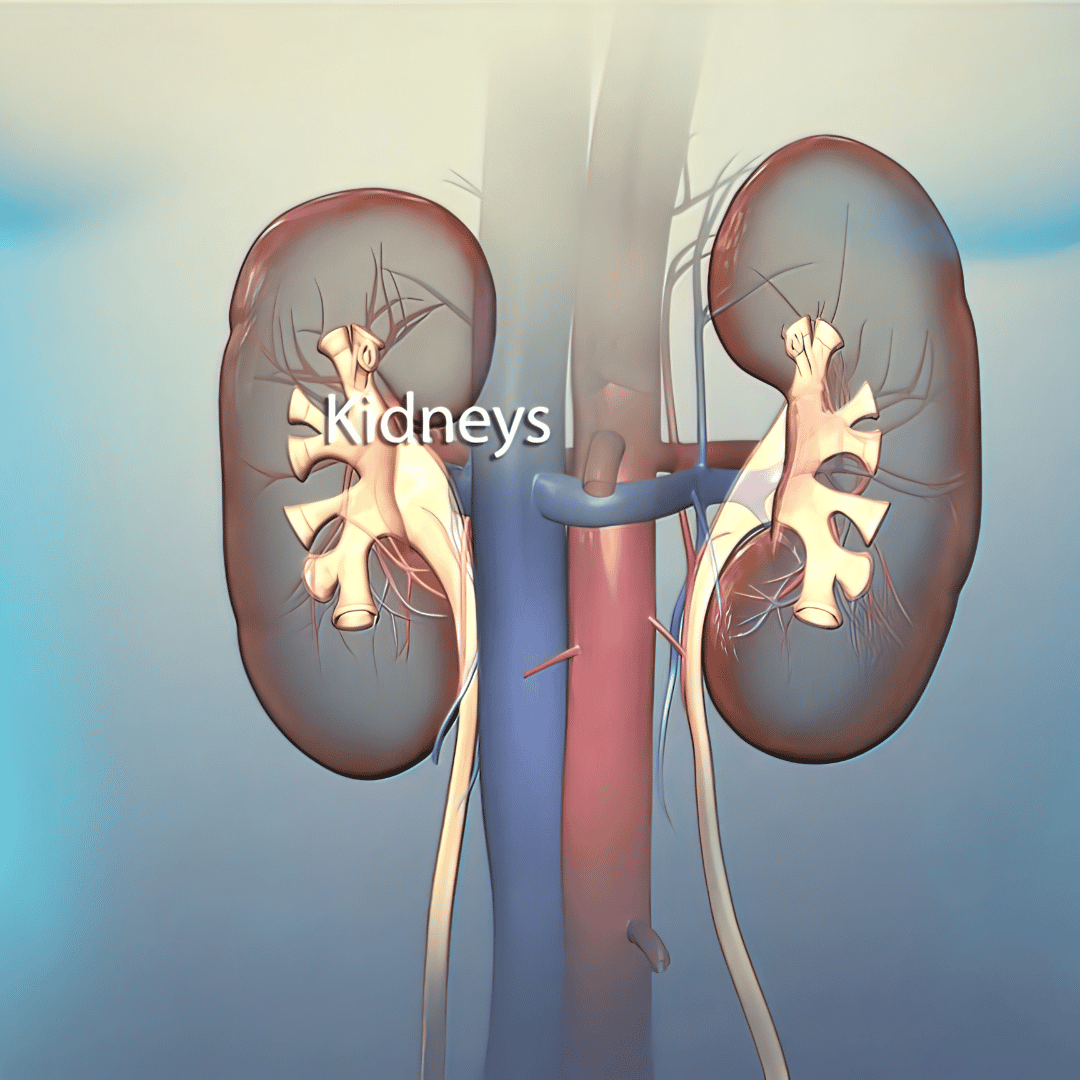
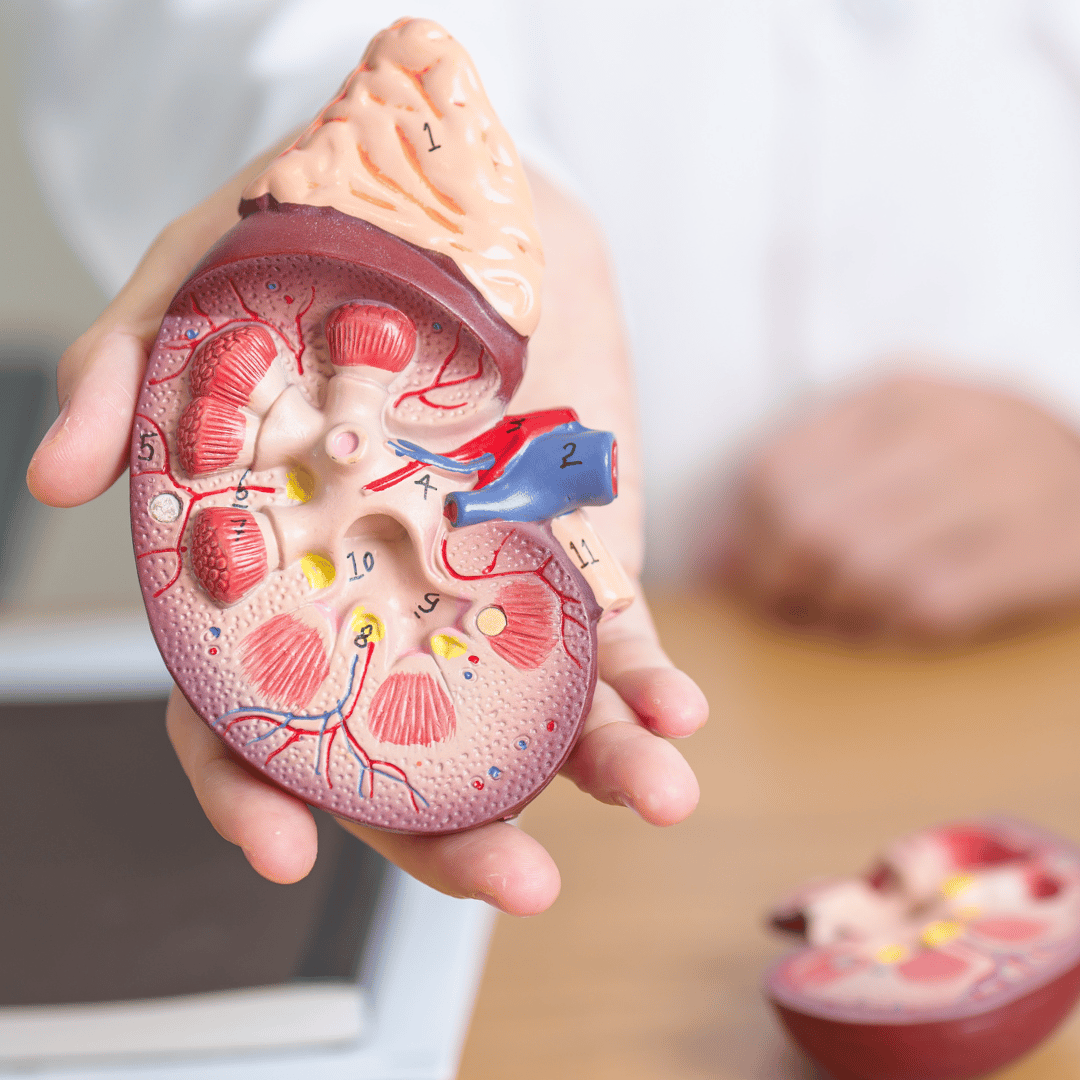
Chronic kidney disease (CKD) is a silent epidemic that affects millions of people globally, slowly degrading renal function over years or even decades. When the condition progresses to end-stage renal disease (ESRD), the kidneys can no longer filter waste, excess fluids, and toxins from the blood. At this critical juncture, patients are faced with two main life-sustaining options: undergoing rigorous dialysis treatments or receiving a life-saving kidney transplant. For most patients, a transplant is the preferred route, offering a significantly higher quality of life and a much better long-term survival rate compared to lifelong dialysis.
Unfortunately, the demand for deceased donor organs vastly outweighs the available supply in countries like the United States, the United Kingdom, and Canada. The average wait time for a deceased donor kidney transplant in the US can stretch anywhere from three to five years, and in some regions, it can take up to ten years. During this agonizing wait, patients must endure hemodialysis or peritoneal dialysis multiple times a week. This grueling schedule often prevents patients from maintaining full-time employment, traveling freely, or enjoying a normal family life, all while their overall physical health continues to deteriorate under the strain of chronic illness.
The Heavy Financial Toll of Domestic Renal Care
Beyond the physical and emotional exhaustion, the financial burden of managing end-stage renal failure domestically is astronomical. Even with comprehensive health insurance or Medicare coverage, patients often face crippling out-of-pocket expenses. Co-pays for specialized medications, frequent hospital visits for dialysis port maintenance, and the eventual staggering cost of the transplant surgery itself can drain a family's life savings. A standard kidney transplant in the United States, including pre-operative testing, the surgical procedure, and standard post-operative care, can easily exceed $400,000.
This overwhelming combination of deteriorating health, years spent on a waiting list, and astronomical medical bills has forced patients to seek alternative, viable solutions. High-quality healthcare should not be restricted by geographical borders or financial ruin. This realization is driving a massive surge in patients researching affordable kidney transplant procedures abroad, looking toward international healthcare systems that prioritize accessibility without compromising on medical safety or surgical success rates.
Why Patients Are Turning to Medical Tourism for Renal Transplants
The concept of traveling abroad for major medical procedures, commonly known as medical tourism, has evolved dramatically over the past decade. It is no longer just about seeking cosmetic enhancements; it has become a highly regulated, safe, and viable pathway for complex, life-saving surgeries. When it comes to living donor organ transplantation, top international hospitals offer a compelling alternative to the restrictive domestic systems of the West.
Strict Adherence to International Standards
A major concern for any patient considering an international kidney transplant is the quality and safety of the hospital. The best international hospitals for renal failure are accredited by the Joint Commission International (JCI), the absolute gold standard in global healthcare evaluation. Hospitals with this accreditation strictly adhere to the same rigorous hygiene, patient safety, and surgical protocols as top-tier hospitals in the United States and Europe. Patients can rest assured that they are receiving care in state-of-the-art facilities equipped with the latest robotic surgery tools, advanced imaging technology, and modern intensive care units.
Multidisciplinary Nephrology Expertise
Another major draw is the caliber of the medical professionals performing the surgeries. The surgeons leading the top organ transplant programs abroad are frequently educated and fellowship-trained in the US, UK, or Germany. They bring a wealth of global experience and cutting-edge surgical techniques back to their home countries. Furthermore, these hospitals employ a multidisciplinary approach, ensuring that every patient is supported by a comprehensive team comprising transplant surgeons, expert nephrologists, dedicated immunologists, specialized dietitians, and psychological counselors.
By bypassing the red tape and heavily inflated administrative costs of Western healthcare systems, patients can receive world-class care, bypass the multi-year waiting lists (provided they have a compatible living donor), and save hundreds of thousands of dollars. Let us explore the specific destinations leading the world in this medical revolution.
Country #1: Turkey - The Global Hub for Advanced Renal Transplantation
Turkey has firmly established itself as one of the absolute top destinations for complex medical procedures, particularly in the realm of organ transplantation. Straddling the border between Europe and Asia, Turkey offers a unique blend of highly advanced medical infrastructure and exceptional hospitality. The Turkish government has invested billions into medical tourism infrastructure, resulting in a network of ultra-modern, JCI-accredited mega-hospitals scattered across Istanbul, Ankara, and Antalya.
Pioneering Minimally Invasive Techniques
What sets an affordable kidney transplant in Turkey apart from the rest of the world is the widespread adoption of minimally invasive and robotic-assisted surgical techniques. Turkish transplant surgeons are pioneers in retroperitoneoscopic donor nephrectomy, a technique that extracts the kidney from the living donor through tiny incisions. This approach significantly reduces the donor's pain, minimizes scarring, and drastically shortens their hospital stay and overall recovery time. For the recipient, the precision of robotic surgery means lower risks of infection and faster integration of the new organ.
Unmatched Patient Experience and Affordability
Beyond surgical excellence, the patient experience in Turkey is unparalleled. International patient departments handle every logistical detail, from VIP airport transfers to providing dedicated, native-speaking translators who accompany the patient to every consultation. Accommodations for the patient and their donor are often integrated into comprehensive medical packages. While a transplant in the US might cost $400,000, a world-class living donor kidney transplant package in Turkey typically ranges from $18,000 to $25,000. This highly inclusive price structure makes it a financially viable option for families seeking immediate, high-quality care without the threat of bankruptcy.
Country #2: India - Unparalleled Surgical Volume and High Success Rates
India is a titan in the global medical tourism landscape, particularly revered for its cardiology, oncology, and organ transplant programs. The country boasts some of the highest surgical volumes for renal procedures in the world, and in medicine, volume correlates directly with expertise. Surgeons who perform hundreds of kidney transplants annually possess a refined, intuitive skill level that translates into exceptional living donor transplant success rates, often exceeding 95% for first-year graft survival.
Ethical Excellence and Strict Medical Frameworks
When seeking a cost-effective kidney transplant in India, patients benefit from a highly regulated, ethical environment. The country operates under the stringent Transplantation of Human Organs Act, which guarantees that all living donor transplants are conducted ethically and legally. Hospital ethics committees rigorously vet all international cases to ensure the donor is a legitimate relative and that no coercion or financial transaction for the organ is taking place. This strict adherence to the World Health Organization's guidelines provides peace of mind for international patients seeking legitimate, life-saving care.
The Apex of Affordability in Renal Care
India is arguably the most affordable top-tier destination for a kidney transplant worldwide. Major hospital networks in cities like New Delhi, Chennai, and Mumbai offer state-of-the-art medical technology that mirrors Western standards but at a fraction of the cost. A comprehensive transplant package in India, which covers the recipient's surgery, the donor's surgery, extensive hospital stays in specialized ICU units, and initial immunosuppressive medications, generally ranges between $13,000 and $18,000. For patients in developing nations or those without adequate insurance in the West, India represents the ultimate lifeline for curing end-stage renal disease.
Country #3: Mexico - Premium Accessibility for North American Patients
For patients residing in the United States and Canada, traveling halfway across the globe for major surgery can be a daunting prospect. This is where Mexico emerges as a premier medical tourism destination for organ transplantation. Offering incredible geographical proximity, patients can access world-class renal care with just a short flight or even a drive across the border. Cities like Monterrey, Guadalajara, and Tijuana have developed sophisticated healthcare clusters specifically designed to cater to international medical tourists.
Bilingual Medical Staff and US-Trained Experts
A significant advantage of choosing a living donor kidney transplant in Mexico is the seamless cultural and linguistic transition. The top-rated hospitals are staffed by bilingual medical professionals, many of whom completed their residencies or specialized fellowships in the United States. This guarantees clear, nuanced communication regarding complex medical concepts, pre-operative instructions, and post-operative medication protocols. The facilities are modern, impeccably clean, and equipped to handle the most complex immunological matching and surgical procedures.
Streamlined Logistics and Post-Operative Follow-Up
Logistically, Mexico removes many of the hurdles associated with international medical travel. The short travel times reduce physical stress on the patient, which is crucial when dealing with severe kidney failure. Furthermore, the proximity makes it significantly easier to manage the essential post-operative follow-up appointments. Patients can comfortably return home after their initial recovery period and easily travel back for specialized check-ups. Packages in Mexico typically range from $30,000 to $45,000, offering immense savings compared to US prices while providing the convenience of staying within North America.
Analyzing the Savings: A Global Kidney Transplant Price Comparison
Understanding the vast financial differences is crucial for patients planning their medical journey. The following table highlights the stark contrast in pricing between Western nations and the top medical tourism destinations. It is important to note that international packages are generally all-inclusive, covering both the donor and recipient surgeries, hospital stays, and immediate medical care.
| Country | Estimated Cost Range (USD) | Key Advantage | Average Flight from US/UK |
|---|---|---|---|
| United States | $400,000 - $450,000+ | Domestic proximity, insurance coverage (if applicable) | N/A |
| Turkey | $18,000 - $25,000 | Robotic surgery, luxury patient experience | 10 - 12 hours |
| India | $13,000 - $18,000 | Maximum affordability, extreme surgical volume | 14 - 18 hours |
| Mexico | $30,000 - $45,000 | Geographic proximity for North Americans, bilingual staff | 2 - 5 hours |
The cost variations are not a reflection of lower medical standards, but rather differences in national economies, lower administrative overhead, and favorable exchange rates. Patients utilizing medical tourism packages for kidney transplant can access life-saving treatments while avoiding crippling debt.
Understanding International Living Donor Requirements and Ethics
A critical component of receiving an international organ transplant is understanding the legal and medical requirements surrounding the organ donor. The vast majority of top-tier international hospitals strictly perform living related donor transplants to prevent organ trafficking and adhere to the ethical standards set by the Declaration of Istanbul. This means that a patient cannot simply travel abroad and purchase a kidney from a stranger; they must bring a willing, medically compatible donor with them.
Proving the Relationship and Medical Compatibility
Before approval, international medical ethics committees require extensive documentation proving the familial or deep emotional relationship between the donor and the recipient. This often includes birth certificates, marriage licenses, and sometimes DNA testing. Once the legal relationship is established, the medical compatibility phase begins. The donor must undergo rigorous blood typing, human leukocyte antigen (HLA) tissue typing, and crossmatching to ensure their kidney is a strong match for the recipient, thereby minimizing the risk of organ rejection.
Ensuring Donor Safety and Autonomy
The health and well-being of the living donor are paramount. The donor will undergo comprehensive physical and psychological evaluations to confirm they are in optimal health to undergo surgery and live a normal life with only one kidney. Independent medical advocates assess the donor to ensure they are making the decision voluntarily, free from any familial pressure or financial coercion. By upholding these strict international organ transplant regulations, hospitals protect all parties involved.
Preparing for Your Medical Travel and Long-Term Recovery
Organizing a trip for major surgery requires meticulous planning and coordination. The journey begins long before the flight is booked. Patients typically start with extensive telemedicine consultations, sharing their medical records, glomerular filtration rate (GFR) reports, and current dialysis schedules with international nephrologists. These virtual meetings help establish a customized treatment plan and confirm surgical eligibility before any travel expenses are incurred.
- Medical Visas and Logistics: Many countries require a specific medical visa for long-term hospital stays. Reputable medical tourism facilitators assist with gathering the necessary hospital invitation letters to expedite the visa process.
- Pre-Operative Clearance: Upon arrival, both the donor and recipient will spend a few days undergoing final, in-person diagnostic testing and imaging to ensure optimal readiness for the operating room.
- The Hospital Stay: Following the surgery, patients typically spend several days in a specialized transplant intensive care unit for close monitoring, followed by a week or more in a step-down recovery ward.
Mastering Post-Transplant Immunosuppressive Therapy
The true success of a kidney transplant relies heavily on the post-operative recovery phase and strict adherence to medication. The body's immune system will naturally view the new kidney as a foreign object. To prevent organ rejection, patients must take immunosuppressive medications, also known as anti-rejection drugs, for the rest of their lives. International hospitals provide detailed, easy-to-understand education on how to manage these medications, recognizing early signs of infection, and adjusting dietary habits to protect the new organ.
Patients are usually required to stay in the destination country for 3 to 4 weeks post-surgery for crucial follow-up appointments. During this time, nephrologists closely monitor kidney function through blood tests and adjust medication dosages as the body stabilizes. Once cleared to fly, patients return home with a detailed medical file, ready to transition their long-term care to their local nephrologist, armed with a fully functional kidney and a restored lease on life.
Take the First Step Towards a Life Without Dialysis
Do not let long waitlists or overwhelming costs dictate your health. PlacidWay Medical Tourism connects you with top-rated, JCI-accredited transplant centers worldwide. Discover your options for a safe, affordable, and life-saving kidney transplant today.
REQUEST A FREE CONSULTATION




.png)








Share this listing