
Supporting Patients with Heart Failure: Heart Transplantation in Saudi Arabia
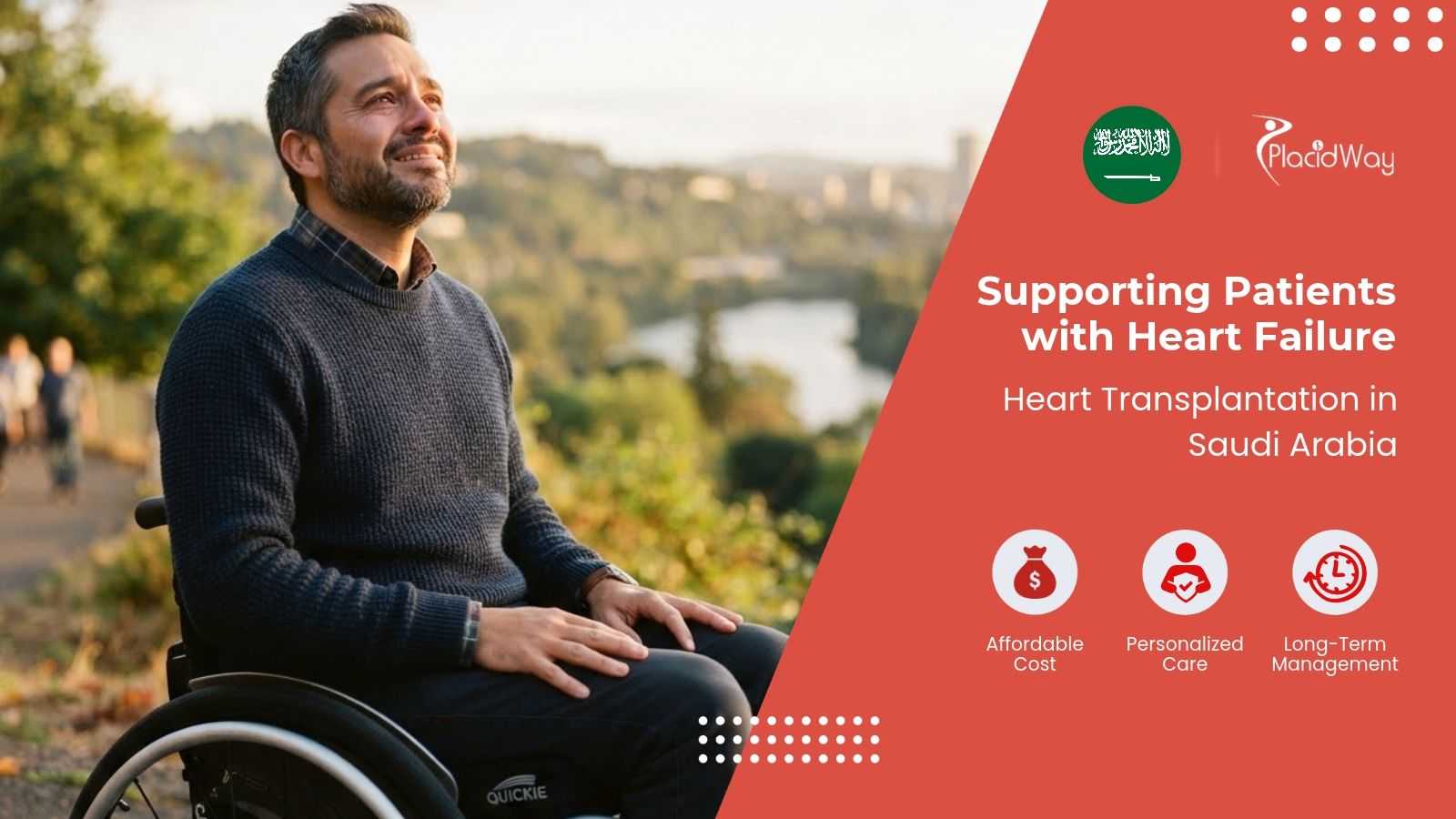
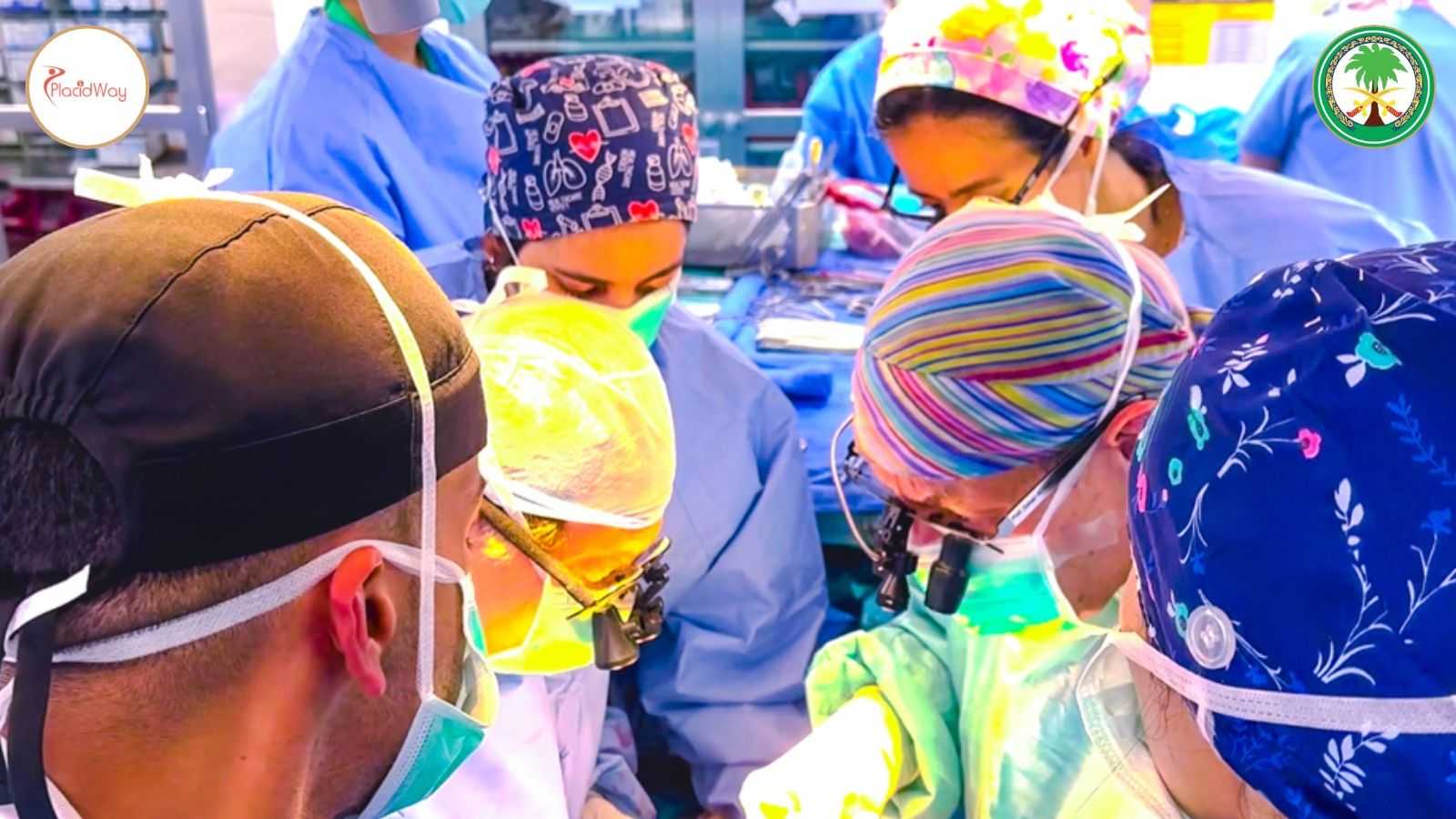
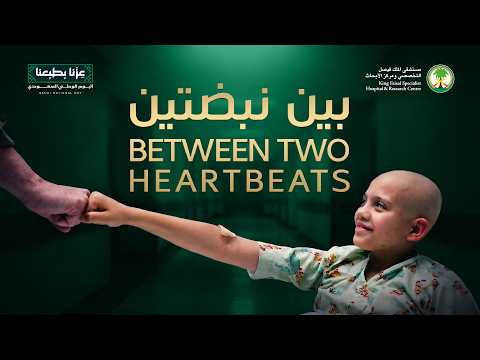
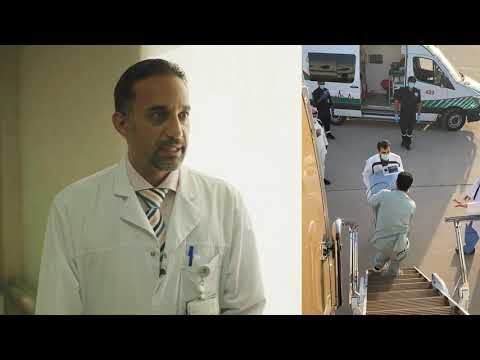
Discover how advanced cardiac surgery, multi-city organ procurement, and regional medical coordination support complex heart transplantation in Saudi Arabia. At King Faisal Specialist Hospital and Research Centre (KFSHRC), specialized cardiac teams successfully transplanted three donor hearts into three patients within 24 hours, with donor organs retrieved from Abu Dhabi, Jeddah, and Riyadh. The achievement involved coordinated organ retrieval, rapid transportation, and careful surgical planning to help ensure that each heart reached its intended recipient within the critical time required for transplantation. The patients, including a nine-year-old girl and two adult men with advanced heart disease, had previously required artificial heart-pump support while awaiting suitable donor organs. This milestone highlights the role of experienced cardiac surgeons for Heart Transplantation in Saudi Arabia, specialized transplant services, and collaboration between hospitals and organ donation organizations in managing time-sensitive procedures.
Quick Summary
- Multi-City Procurement: Donor hearts were successfully retrieved from deceased donors across Abu Dhabi, Jeddah, and Riyadh through private aircraft and ambulance transport.
- Diverse Recipient Profiles: Successful procedures were performed on a 9-year-old child, a 40-year-old man, and a 41-year-old man suffering from severe heart failure.
- Surgical Leadership: Operations were led by renowned cardiac specialists including Dr. Zuhair Al-Halees and Dr. Feras Khaliel, Head of the Heart Transplant Program at KFSHRC.
- Critical Time Window: Adherence to the strict medical standard requiring organ transport within 5 hours of removal.
- Regional Collaboration: Seamless cooperation between KFSHRC, the Saudi Center for Organ Transplantation (SCOT), the UAE HAYAT program, donor hospitals, and traffic authorities.
- Clinical Excellence: Demonstrates world-class infrastructure in cardiac transplantation and heart failure treatment in Saudi Arabia.
Featured Medical Institution
King Faisal Specialist Hospital and Research Centre (KFSHRC)
Riyadh, Saudi Arabia — Global leader in Organ Transplant in Saudi Arabia and advanced cardiac care.
View Hospital ProfileInstitutional Accreditation & Quality
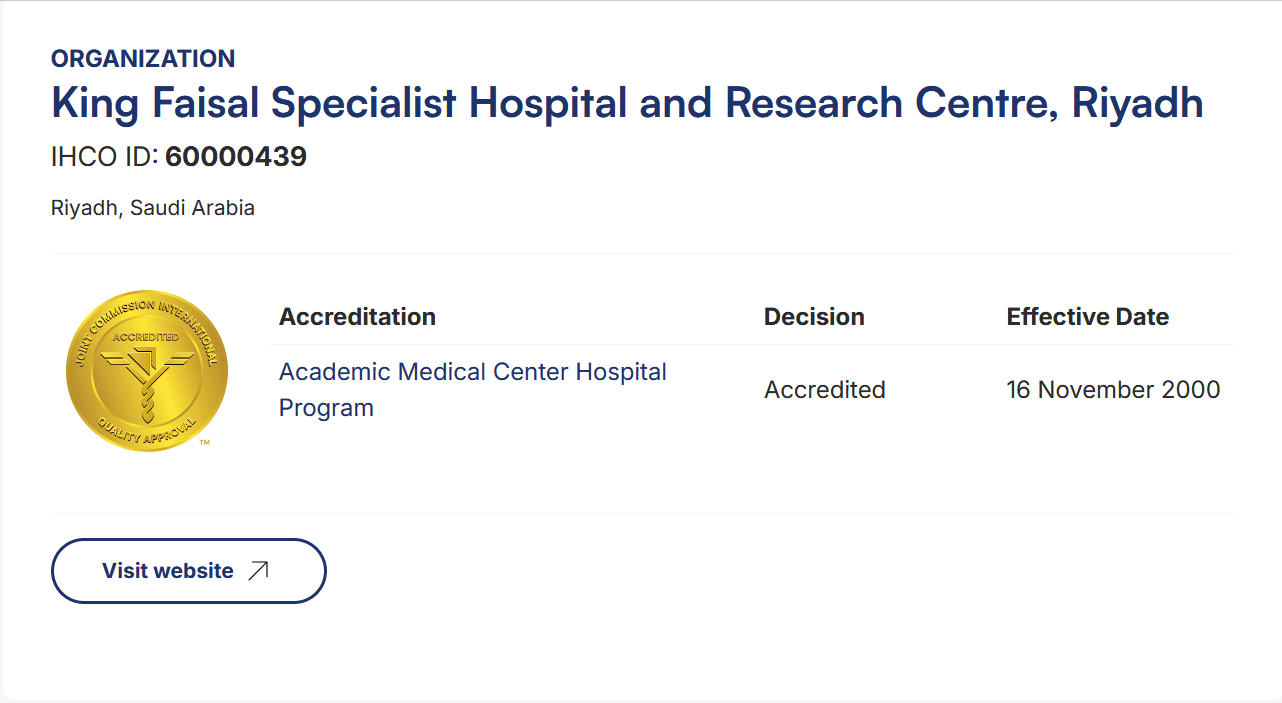
Recognized center of excellence for heart transplant surgery in Saudi Arabia and specialized organ retrieval networks.
Understanding Advanced Heart Failure and the Need for Heart Transplantation
Advanced heart failure occurs when the heart muscle becomes severely weakened and can no longer pump blood efficiently to meet the body's metabolic demands. Patients experiencing end-stage heart failure often suffer from debilitating symptoms, frequent hospitalizations, and severely limited life expectancy despite optimal medical therapy.
When Heart Transplantation Is an Option for Severe Heart Disease
When conventional medical management, surgical interventions, and mechanical circulatory support (such as artificial heart pumps or ventricular assist devices) are no longer sufficient to maintain quality of life, Heart Transplantation in Saudi Arabia serves as a definitive, life-saving therapeutic solution for eligible candidates.
Common Conditions That May Lead to Heart Transplantation
Patients evaluated for Heart Failure Treatment in Saudi Arabia typically present with underlying structural or functional heart pathologies, including:
Ischemic Heart Disease
Advanced coronary artery disease resulting in extensive myocardial infarction and permanent heart muscle damage.
Dilated & Restrictive Cardiomyopathy
Chronic weakening of the heart walls or ventricular stiffness impairing diastolic filling and systolic output.
Congenital Heart Anomalies
Complex structural heart defects present from birth leading to irreversible heart failure in adulthood or childhood.
How Coordinated Multi-City Organ Donation Supports Heart Transplantation
Successful cardiac transplantation requires seamless regional coordination. In recent milestone operations at KFSHRC Saudi Arabia, donor hearts were successfully procured from deceased donors across Abu Dhabi, Jeddah, and Riyadh. These multi-city efforts involved close cooperation between KFSHRC, the Saudi Center for Organ Transplantation (SCOT), the UAE’s National Program for Donation and Transplantation of Human Organs and Tissue (HAYAT), regional donor hospitals, and local traffic authorities.
The Journey of a Donated Heart from Donor Identification to Recipient Surgery
- Donor Identification: Detecting a suitable deceased donor and obtaining proper family authorization.
- Clinical Assessment: Evaluating cardiac function, hemodynamics, and structural integrity.
- Recipient Matching: Cross-referencing donor characteristics with active transplant candidates.
- Rapid Procurement: Dispatching specialized surgical teams via private aircraft and ambulances.
- Viable Transport: Maintaining cold ischemia preservation within strict medical time limits.
- Surgical Implantation: Preparing recipient operating suites for immediate transplantation upon organ arrival.
Critical Time Window: Ischemia Preservation Standard
Under international clinical standards, the critical interval between removing a donor heart and successfully transplanting it into the recipient should not exceed 5 hours. Rapid multi-city transportation from locations like Abu Dhabi and Jeddah to Riyadh is essential to preserve myocardial viability.
Donor Heart Preservation Timeline
Critical time window for heart transportation and transplantation
TIMELINE REFERENCE
Up to 5 hours
Reported critical window for donor heart transport and transplantation
WHY COORDINATION MATTERS
Rapid retrieval and transport
Specialist teams coordinate organ recovery, transfer, and transplantation.
Note: The line illustrates elapsed time only; it does not represent measured clinical data or actual transport milestones. The five-hour window is based on the cited KFSHRC report and should not be interpreted as a universal limit for every transplant situation.
How Patients Are Evaluated for Heart Transplant Eligibility
Candidate evaluation for Heart Transplant Surgery in Saudi Arabia is rigorous and comprehensive. Multidisciplinary panels assess cardiac function, pulmonary vascular resistance, renal and hepatic health, psychological readiness, and absence of active infections or malignancies.
Matching Donor Hearts with Suitable Recipients
| Matching Parameter | Clinical Significance |
|---|---|
| Blood Group Compatibility | Ensures ABO matching (e.g., O donor to O recipient) to prevent hyperacute rejection. |
| Body Size & Weight Matching | Ensures donor heart capacity can adequately support recipient hemodynamics. |
| Immunological Crossmatching | Evaluates panel reactive antibodies (PRA) to minimize immune incompatibility risks. |
| Clinical Urgency Status | Prioritizes patients requiring mechanical circulatory support or ICU admission. |
The Role of Multidisciplinary Teams and Recent Landmark Cases
Recent achievements at KFSHRC highlight exceptional multidisciplinary coordination across complex cases:
- First Patient: A 9-year-old girl supported by an artificial heart pump underwent successful transplantation led by Dr. Zuhair Al-Halees, Senior Consultant Cardiac Surgeon.
- Second Patient: A 40-year-old man with end-stage heart disease supported by an artificial pump for years received a donor heart in a procedure led by Dr. Feras Khaliel, Head of the Heart Transplant Program.
- Third Patient: A 41-year-old man with advanced muscle failure supported by an artificial heart pump for one year underwent successful transplantation also led by Dr. Feras Khaliel.
Heart Transplant Surgery and Critical Procedural Steps
Performed under general anesthesia with cardiopulmonary bypass, surgeons remove the diseased heart while preserving the atrial cuffs and great vessel connections, meticulously suturing the donor heart in place to restore immediate coronary perfusion and cardiac output.
Intensive Care and Early Recovery After Heart Transplantation
Post-operative patients transition immediately to specialized cardiac ICU units for hemodynamic monitoring, respiratory weaning, and initiation of customized immunosuppressive regimens to prevent early graft rejection.
Potential Benefits of Coordinated Organ Donation
Restored Cardiac Output
Instantly restores normal blood flow and oxygenation to all vital organ systems.
Expanded Donor Pool
Multi-city air and ground transport increases access to viable donor organs.
Enhanced Survival
Offers long-term survival and renewed quality of life for end-stage heart failure patients.
Understanding Risks and Possible Complications
- Surgical Risks: Bleeding, wound infection, and general anesthesia complications.
- Graft Dysfunction: Primary graft failure or temporary weakness of the transplanted heart.
- Immunological Rejection: Acute or chronic immune-mediated attack on the donor organ.
- Medication Side Effects: Lifelong immunosuppression leading to infection susceptibility or renal stress.
- Metabolic Changes: Risk of hypertension, hyperlipidemia, and diabetes secondary to anti-rejection therapies.
Long-Term Monitoring, Medication, and Lifestyle After Heart Transplantation
Recipients require lifelong cardiological follow-up, routine endomyocardial biopsies to monitor for silent rejection, strict adherence to anti-rejection medications, and heart-healthy lifestyle modifications including regular exercise, balanced nutrition, and avoidance of tobacco.
Accessing Heart Transplantation and Coordinated Organ Donation
Patients diagnosed with advanced heart failure can access world-class evaluation and surgical care through King Faisal Specialist Hospital and Research Centre, where integrated multi-city networks and expert surgical teams deliver exceptional clinical outcomes.
Frequently Asked Questions
What is heart transplantation?
Heart transplantation is a surgical procedure where a failing, diseased heart is replaced with a healthy donor heart from a deceased donor.
Where are heart transplants performed in Saudi Arabia?
Advanced cardiac transplants are performed at specialized centers of excellence such as King Faisal Specialist Hospital and Research Centre (KFSHRC) in Riyadh.
How long can a donor heart survive outside the body?
Under standard medical protocols, a harvested donor heart should be transplanted within 5 hours to ensure optimal myocardial preservation and function.
What cities were involved in KFSHRC's multi-city organ procurement?
Recent multi-city operations successfully retrieved organs from deceased donors in Abu Dhabi, Jeddah, and Riyadh.
Who led the landmark pediatric and adult heart transplants at KFSHRC?
The procedures were led by expert cardiac surgeons including Dr. Zuhair Al-Halees and Dr. Feras Khaliel, Head of the Heart Transplant Program.
What conditions necessitate a heart transplant?
Conditions include advanced ischemic heart disease, severe cardiomyopathies, congenital heart defects, and end-stage heart failure unresponsive to other treatments.
How are donors and recipients matched?
Matching is based on blood group compatibility, body weight proportions, immunological crossmatching, and clinical urgency.
What medications are required after a heart transplant?
Recipients must take lifelong immunosuppressive medications to prevent organ rejection by the immune system.
What organizations collaborate on organ transport in Saudi Arabia?
Collaborations involve KFSHRC, the Saudi Center for Organ Transplantation (SCOT), the UAE HAYAT program, donor hospitals, and local traffic authorities.
How can patients inquire about heart transplant services?
Patients can submit medical records and inquiries through official hospital channels and international patient coordinators.
Explore Heart Transplant Options at KFSHRC
Seeking advanced Heart Failure Treatment in Saudi Arabia or evaluation? Request information to learn more about heart transplantation and organ donor programs in Saudi Arabia.
Request InformationMedical Disclaimer: This document is created strictly for educational, informational, and research purposes and does not constitute formal medical advice, diagnosis, or clinical treatment recommendations. Heart transplantation evaluations and surgical interventions require specialized assessment by qualified cardiac surgeons and multidisciplinary medical boards.
References:
- World Health Organization (WHO) – International Guidance on Organ Donation, Transplantation, and Patient Safety
- Saudi Ministry of Health – National Healthcare Policies, Organ Donation, and Transplant Services
- The Transplantation Society (TTS) – International Resources for Organ Transplantation and Transplant Medicine
- United Network for Organ Sharing (UNOS) – Organ Allocation, Transplant Coordination, and Transplant Patient Resources
- American College of Cardiology (ACC) – Clinical Guidance and Resources for Cardiovascular Disease and Advanced Heart Failure
- American Heart Association (AHA) – Patient Education on Heart Failure, Heart Transplantation, and Cardiovascular Health



















Share this listing