
Connecting Donors and Recipients: Kidney Transplantation in Saudi Arabia
Discover how kidney paired donation in Saudi Arabia is expanding access to living donor kidney transplantation by connecting donor-recipient pairs who may be incompatible with one another. At Kidney Transplantation in Saudi Arabia by King Faisal Specialist Hospital and Research Centre (KFSHRC), an established paired kidney donation program coordinates compatible exchanges using detailed blood group and tissue compatibility assessments, specialized laboratory testing, and multidisciplinary transplant planning. When a willing donor cannot donate directly to their intended recipient, paired donation may allow that donor to provide a kidney to another suitable recipient while their loved one receives a kidney from a different compatible donor. This approach can create additional opportunities for patients with kidney failure who have a willing living donor but face compatibility challenges.

Quick Summary
- Paired Kidney Donation Concept: A transplant arrangement that allows two or more donor-recipient pairs to exchange kidneys when the original donor is biological or immunological incompatible.
- Why Exchanges Are Needed: Direct donation can be blocked by blood group incompatibility or donor-specific tissue antibodies. Paired donation overcomes these barriers.
- Program Milestones: KFSHRC launched its kidney paired donation program in 2016, reaching a cumulative total of 691 paired kidney transplants by the end of 2025.
- Global Benchmark: In a single reporting period, KFSHRC performed 130 paired kidney transplants, exceeding the 94 reported by the highest-volume single center in the United States and the combined 73 transplants across 23 centers in Canada.
- Integrated Capabilities: Advanced histocompatibility laboratories, specialized transplant surgeons, and coordinated donor chains operate under one unified clinical framework.
- Patient Safety & Ethics: Comprehensive donor evaluations, informed consent, and rigorous immunological crossmatching protect both living donors and recipients.
Featured Medical Institution
King Faisal Specialist Hospital and Research Centre (KFSHRC)
Riyadh, Saudi Arabia — Pioneer in Living Donor Kidney Transplant and Paired Kidney Donation in Saudi Arabia.
View Hospital ProfileInstitutional Accreditation & Quality
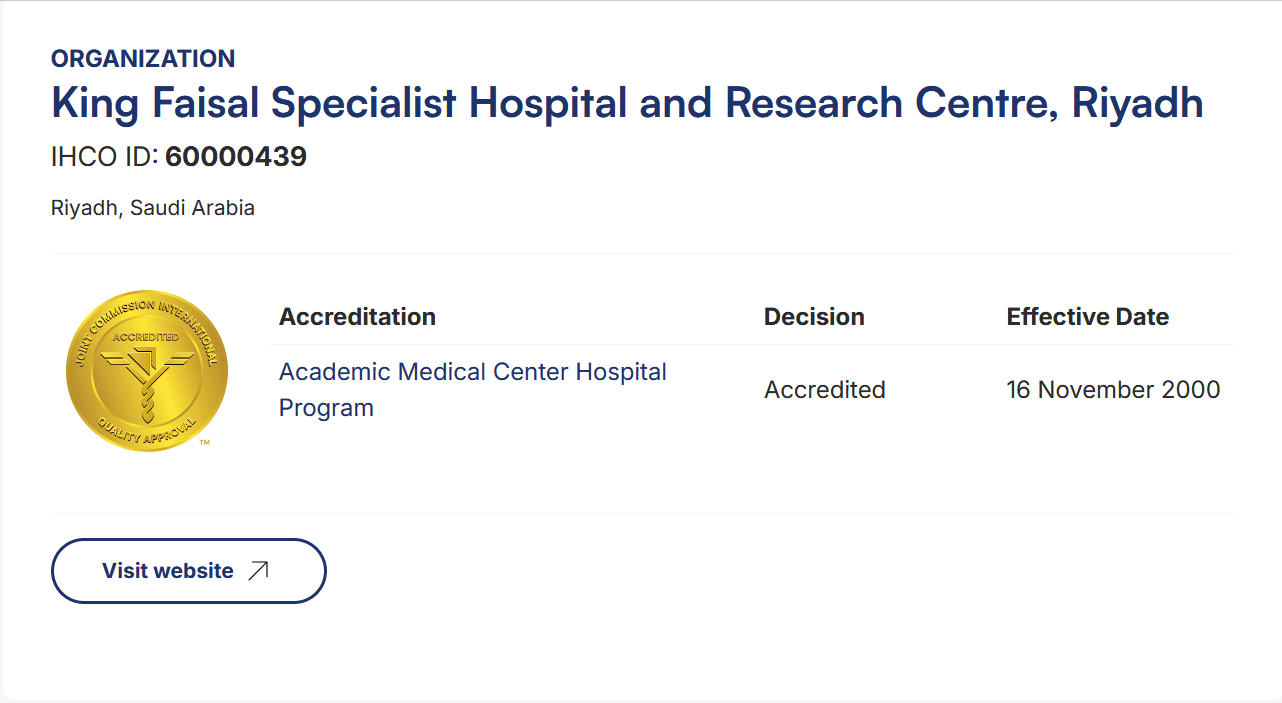
Authorized center for complex organ transplantation and advanced histocompatibility research in Saudi Arabia.
Understanding Kidney Failure and the Need for Kidney Transplantation
Kidney failure, or end-stage renal disease (ESRD), occurs when a patient's kidneys lose their ability to filter waste products, excess fluid, and toxins from the bloodstream. While long-term dialysis can substitute for basic filtration, kidney transplantation remains the primary definitive medical treatment, offering superior long-term survival, improved cardiovascular health, and a higher quality of life.
For patients seeking Kidney Transplantation in Saudi Arabia, receiving a kidney from a living donor provides better long-term organ survival rates compared to deceased donor transplants. However, many patients face a significant obstacle: their willing living donor is biologically or immunologically incompatible.
Why Some Patients Cannot Receive a Kidney from Their Intended Donor
When a family member or friend offers to donate a kidney, medical evaluation must confirm biological compatibility. Intended donors are often unable to donate directly due to immune system defenses that recognize the donor kidney as foreign tissue, creating a high risk of hyperacute or acute graft rejection.
Common Causes of Donor-Recipient Incompatibility
Blood Type Mismatches
ABO blood group differences between donor and recipient that provoke severe immune responses without prior desensitization.
Donor-Specific Antibodies (DSAs)
Circulating recipient anti-HLA antibodies that significantly increase the likelihood of acute organ rejection.
HLA Tissue Mismatches
Significant differences in Human Leukocyte Antigen markers requiring specialized immunological risk assessment.
What Is Paired Kidney Donation and How Does It Work?
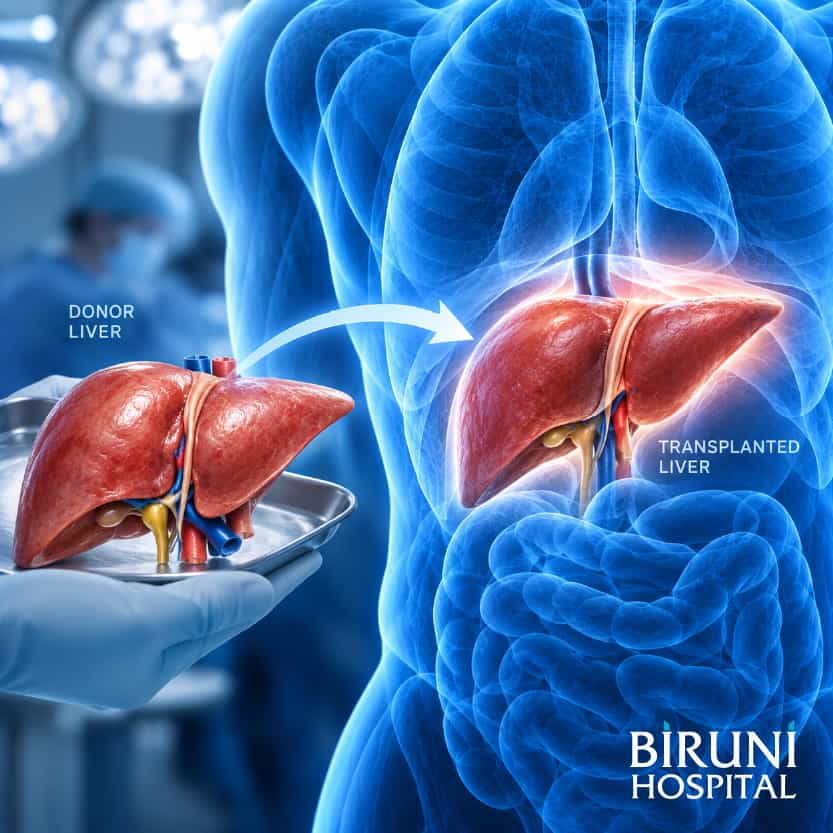
Paired kidney donation is a specialized transplant arrangement that allows two or more donor-recipient pairs to exchange kidneys when an original donor is incompatible with their intended recipient. By swapping donors across pairs, each recipient receives a organ from a biologically compatible living donor.
How Kidney Paired Donation Turns Incompatibility into Opportunity
- Identifying Pairs: Registering donor-recipient pairs who are medically suitable for surgery but incompatible with each other.
- Evaluating Immune Profiles: Analyzing blood groups and HLA tissue profiles across all registered pairs in a central registry.
- Algorithmic Matching: Matching recipient A with donor B, and recipient B with donor A (or across larger multi-pair chains).
- Pre-Surgical Crossmatching: Performing final laboratory crossmatches to verify compatibility before surgical scheduling.
- Synchronized Surgery: Coordinating simultaneous donor nephrectomies and recipient transplant surgeries to protect all participating donors.
- Post-Transplant Care: Providing structured, long-term monitoring for all recipients and living donors.
Global Benchmark: Paired Kidney Transplants at KFSHRC Saudi Arabia
The kidney paired donation program at King Faisal Specialist Hospital and Research Centre (KFSHRC) was launched in 2016. By the end of 2025, KFSHRC Saudi Arabia reported a cumulative total of 691 paired kidney transplants.
In a single reporting period, KFSHRC performed 130 paired kidney transplants. This total exceeded the 94 transplants reported by the single highest-volume center in the United States and surpassed the combined total of 73 paired transplants performed across 23 transplant centers in Canada during the same timeframe.
Single-Period Paired Kidney Transplants Performed
Source: Official data from kfshrc.edu.sa reporting program outcomes through 2025.
Who May Be Eligible for Paired Kidney Donation?
Eligibility for paired donation programs requires that both the living donor and recipient undergo comprehensive clinical evaluation. The recipient must be medically cleared for kidney transplant surgery, and the donor must be in good health, mentally capable, and voluntarily willing to donate without financial coercion.
Medical Tests and Compatibility Assessments Before Kidney Transplantation
| Assessment Type | Clinical Objective | Specific Evaluations Included |
|---|---|---|
| Blood Group Typing | Verifies ABO blood type compatibility | A, B, AB, and O blood typing |
| Tissue Typing (HLA) | Evaluates genetic protein markers | HLA-A, HLA-B, HLA-DR antigen matching |
| Crossmatch Testing | Checks for pre-formed donor antibodies | Flow cytometry crossmatching |
| Donor Function Screening | Ensures donor retains safe renal function | Glomerular filtration rate (GFR), CT angiography |
| General Health Screening | Evaluates surgical and anesthesia fitness | Cardiovascular, pulmonary, and viral panels |
The Role of Living Kidney Donors in Paired Donation Programs
Living donors are the cornerstone of paired kidney exchange. A healthy individual can live a normal life with one healthy kidney, as the remaining kidney adapts to perform the necessary filtration functions. In Living Donor Kidney Transplant in Saudi Arabia, living donors undergo extensive medical, psychological, and ethical reviews to safeguard their health prior to donation.
Coordinating Multiple Donor-Recipient Pairs for Successful Transplantation
Managing complex paired chains requires synchronized clinical operations. Multidisciplinary teams at KFSHRC—including transplant surgeons, nephrologists, anesthesiologists, histocompatibility laboratory specialists, transplant coordinators, and dedicated nurses—coordinate multi-pair surgeries simultaneously to ensure fairness and prevent donor withdrawal before a recipient receives their organ.
Kidney Transplant Surgery and What Patients Can Expect
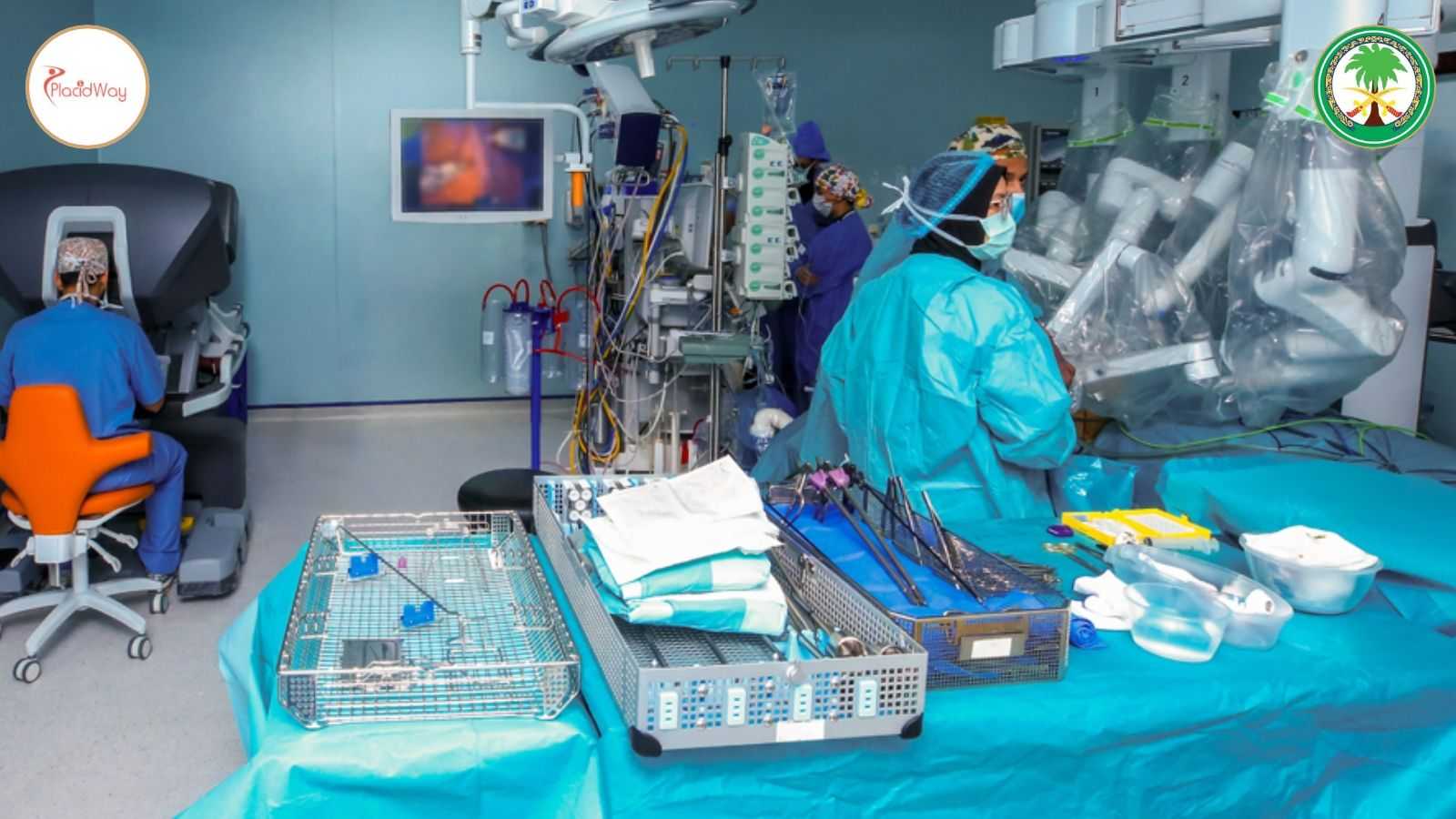
During living donor kidney transplantation, the living donor undergoes a minimally invasive laparoscopic nephrectomy to remove one kidney. Simultaneously or in direct sequence, the recipient undergoes surgery where the healthy donor kidney is placed in the lower abdomen, with blood vessels and the ureter connected to the recipient's circulatory and urinary systems.
Potential Benefits of Paired Kidney Donation for Patients with Incompatible Donors
Overcomes Incompatibility
Allows patients with willing but incompatible donors to receive a matched living donor kidney.
Shortens Waiting Times
Bypasses multi-year deceased donor waiting lists by leveraging living donor exchanges.
Better Long-Term Outcomes
Living donor organs generally exhibit superior graft survival and immediate functionality.
Understanding Risks, Limitations, and Ethical Considerations
Every major surgical procedure carries potential risks. Transparent medical evaluation requires reviewing potential limitations and surgical risks for both donors and recipients:
- Living Donor Risks: Standard surgical risks including bleeding, infection, pain, and rare anesthetic complications.
- Recipient Surgical Risks: Vascular thrombosis, urinary leaks, wound infection, and delayed graft function.
- Immunological Rejection: Acute or chronic rejection requiring ongoing monitoring and medication adjustment.
- Lifelong Immunosuppression: Necessity of taking daily anti-rejection medications, which increase susceptibility to infection.
- Logistical Challenges: Potential delays if a matched donor or recipient in a chain experiences unexpected medical issues before surgery.
- Ethical Safeguards: Independent donor advocates, strict voluntary consent, and complete prohibition of commercial organ trading.
Recovery, Immunosuppressive Medication, and Long-Term Follow-Up
Following kidney transplant surgery, recipients typically remain hospitalized for several days for close monitoring of kidney function, fluid balance, and medication levels. Immunosuppressive medications (such as calcineurin inhibitors, antimetabolites, and corticosteroids) must be taken consistently to prevent the body's immune system from rejecting the new kidney.
Living donors typically recover quickly, spending 2 to 4 days in the hospital, and can return to normal daily activities within 3 to 6 weeks following medical review.
Accessing Kidney Transplantation Through Paired Kidney Donation in Saudi Arabia
Patients with end-stage renal disease who have an incompatible living donor can explore paired donation pathways at KFSHRC. The hospital's integrated care model combines immunology laboratory analysis, surgical planning, and long-term post-transplant care under a unified clinical protocol.
Frequently Asked Questions
What is paired kidney donation?
Paired kidney donation is an exchange arrangement allowing incompatible donor-recipient pairs to swap living donors, ensuring each recipient receives a compatible organ.
Why would a living donor be incompatible with a recipient?
Incompatibility usually arises from blood group (ABO) differences or recipient antibodies against the donor's tissue markers (positive crossmatch or anti-HLA antibodies).
How many paired kidney transplants has KFSHRC performed?
Since launching its paired donation program in 2016, KFSHRC reported a cumulative total of 691 paired kidney transplants by the end of 2025.
How does KFSHRC's volume compare internationally?
In a single reporting period, KFSHRC performed 130 paired kidney transplants, exceeding the 94 reported by the highest-volume US center and the 73 reported across 23 Canadian centers combined.
Can a donor give a kidney to a stranger in a paired exchange?
Yes. In a paired exchange, the living donor donates to a compatible stranger so that their loved one can receive a matched kidney from another donor in the chain.
Is living kidney donation safe for the donor?
Living donation is considered safe for thoroughly screened individuals. Donors undergo extensive health testing, and the remaining kidney adapts to handle body filtration.
What tests are needed before entering a paired donation exchange?
Testing includes ABO blood typing, HLA tissue typing, antibody screening, flow cytometry crossmatching, and full donor kidney function imaging.
Do paired exchange surgeries happen at the same time?
Whenever logistically possible, donor nephrectomies and recipient transplants across paired chains are performed simultaneously to protect all participants.
Will a transplant recipient need medications forever?
Yes. Kidney transplant recipients must take daily immunosuppressive anti-rejection medications for the lifetime of the transplanted organ.
How can international patients inquire about organ transplant services?
Patients can submit medical records, donor details, and clinical inquiries directly to medical facilitators or hospital international patient departments.
Explore Kidney Transplant Options at KFSHRC
Have a willing living donor who is incompatible? Request information to learn more about paired kidney donation programs, clinical evaluations, and Living Donor Kidney Transplant in Saudi Arabia.
Request InformationMedical Disclaimer: This document is created strictly for educational, informational, and research purposes and does not constitute medical advice or formal clinical diagnosis. Organ transplantation, donor evaluation, and paired exchange eligibility require personalized medical assessment by licensed transplant surgeons and nephrologists. Surgical outcomes and organ availability vary based on clinical circumstances.
References & Trusted Sources:
- World Health Organization (WHO) – Global Guidance on Organ Donation and Transplantation
- Saudi Arabia Ministry of Health – National Healthcare Services and Organ Transplantation Information
- The Transplantation Society (TTS) – International Resources for Organ Transplantation
- National Kidney Foundation (NKF) – Kidney Disease Education and Transplant Options
- United Network for Organ Sharing (UNOS) – Kidney Transplant Matching and Organ Allocation
- American Society of Transplantation (AST) – Clinical Resources on Kidney Transplantation



























Share this listing