


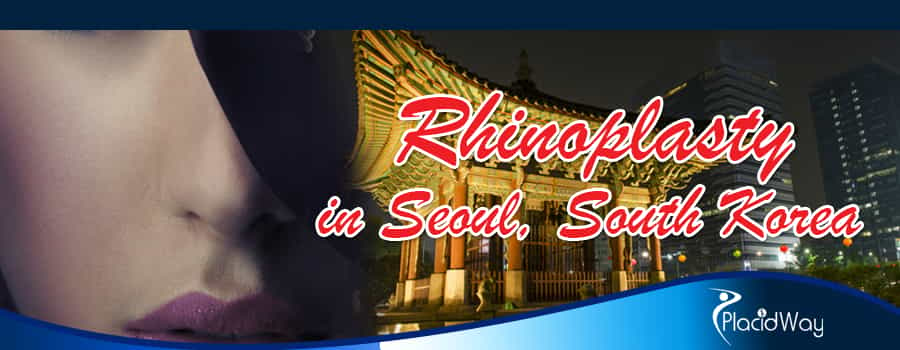
Affordable Rhinoplasty in Seoul, South Korea: A Premier Medical Tourism Destination
Achieving facial harmony and boosting self-confidence is now more accessible than ever with our comprehensive Rhinoplasty package in Seoul, South Korea. As the recognized global capital of plastic surgery, Seoul offers an unparalleled combination of advanced medical technology, highly skilled board-certified surgeons, and cost-effective pricing that attracts thousands of international patients annually. Choosing to undergo nose reshaping surgery in this vibrant city ensures that you receive world-class care tailored to your specific aesthetic goals, whether you are seeking a subtle refinement or a complete structural transformation.
Opting for a Rhinoplasty in Seoul, South Korea provides patients with access to innovative surgical techniques that prioritize natural-looking results and minimized recovery times. The medical infrastructure in South Korea is renowned for its rigorous safety standards and patient-centric approach, making it a top choice for medical tourists worldwide. Beyond the operating room, patients benefit from competitive package rates that often include essential medical services, allowing you to achieve your dream look without the exorbitant price tags often found in Western countries.
Key Takeaways: Why Choose Seoul for Nose Surgery
- World-Class Expertise: Surgeons performing Rhinoplasty in Seoul, South Korea are often leaders in the field, specializing in both Asian and Caucasian nose structures with extensive experience in complex reconstruction and aesthetic refinement.
- Cost-Effective Excellence: Patients can save significantly on surgical costs compared to the United States or Europe while receiving care in state-of-the-art facilities equipped with the latest 3D imaging and surgical technology.
- Advanced Techniques: Clinics in Seoul utilize cutting-edge methods such as 3D CT scanning for precise planning and ultra-fine sutures to minimize scarring, ensuring a faster healing process and superior aesthetic outcomes.
- Comprehensive Care: Medical tourism packages often bundle pre-operative tests, surgeon fees, anesthesia, and post-operative care, providing a seamless and stress-free experience for international visitors.
- Holistic Recovery Environment: Seoul offers a safe, clean, and modern environment perfect for recovery, with excellent infrastructure and high standards of hygiene throughout the city.
Cost Overview and Comparison for Rhinoplasty in Seoul, South Korea
When budgeting for cosmetic surgery, financial transparency is crucial. The cost of Rhinoplasty in Seoul, South Korea is generally much lower than in Western nations, driven by lower overhead costs and high competition among top-tier clinics, not by a lack of quality. Patients can expect to pay between $2,500 and $6,500 depending on the complexity of the procedure (e.g., simple bridge augmentation vs. complex tip plasty or revision surgery). This price point makes high-quality aesthetic enhancement accessible to a broader demographic.
| Country | Average Price (USD) | Estimated Savings |
|---|---|---|
| Seoul, South Korea | $3,500 - $6,500 | N/A |
| United States | $8,000 - $15,000 | 50% - 60% |
| United Kingdom | $7,000 - $12,000 | 40% - 50% |
| Australia | $9,000 - $14,000 | 55% - 65% |
*Note: The prices listed above are estimates and may vary based on the specific type of nose surgery required (e.g., reduction, augmentation, revision), the surgeon's experience, and the clinic's facilities. A personalized quote is recommended for accuracy.
What’s Included in the Rhinoplasty Package
- Comprehensive Medical Consultation: A thorough pre-operative assessment with the plastic surgeon, including 3D CT scans and virtual simulation to visualize potential results.
- Surgical Procedure Costs: Full coverage of the operating room fees, usage of advanced surgical equipment, and the surgeon's professional fees for the nose reshaping procedure.
- Anesthesia Services: Administration of local anesthesia with sedation or general anesthesia by a board-certified anesthesiologist, including monitoring during the surgery.
- Post-Operative Care & Medications: Essential post-surgery medications (antibiotics, painkillers, anti-inflammatory drugs), splints, nasal packing, and initial recovery room stay.
- Follow-up Appointments: Scheduled visits for dressing changes, stitch removal, and progress monitoring during your stay in Seoul.
- In-Clinic Translation: Many partner clinics provide English-speaking coordinators or translation services to ensure clear communication during medical appointments.
What’s Not Included in the Rhinoplasty Package
- International Airfare: Flights to and from Seoul are not covered in the medical package and must be arranged by the patient.
- Accommodation: Hotel stays or recovery apartments are generally not included, though clinics may recommend nearby partner hotels.
- Visa Fees: Any costs associated with obtaining a medical visa or tourist visa for entry into South Korea are the patient's responsibility.
- Travel Insurance: Comprehensive travel and medical complication insurance is highly recommended but is not part of the standard surgical package.
- Personal Expenses: Meals, local transportation (taxis, subway), sightseeing, and shopping expenses outside of the clinic are not included.
- Extended Complications Care: While rare, costs for treatment of unrelated medical conditions or extended hospital stays beyond the standard recovery period are excluded.
Understanding Rhinoplasty in Seoul
- Purpose and Goals: Rhinoplasty in Seoul, South Korea is performed to enhance facial harmony by reshaping the nose. The goal may be aesthetic, such as refining the nasal tip, narrowing the bridge, or reducing a hump, or functional, such as correcting a deviated septum to improve breathing (septorhinoplasty).
- Surgical Techniques (Open vs. Closed): Surgeons in Seoul are adept at both techniques. "Open Rhinoplasty" involves a small incision on the columella (the tissue between nostrils) allowing for major restructuring and visibility. "Closed Rhinoplasty" involves incisions only inside the nostrils, resulting in no visible scarring, typically used for minor adjustments.
- Augmentation Rhinoplasty: This is particularly popular in South Korea. It involves building up the bridge of the nose using implants (silicone or Gore-Tex) or autologous tissue (ear cartilage or rib cartilage) to create a more defined profile.
- Tip Plasty: Specialized procedures focus solely on the nasal tip. Surgeons can refine a bulbous tip, rotate a drooping tip, or extend a short nose using the patient's own cartilage for a natural look and feel.
- Anesthesia and Duration: The procedure typically takes between 1.5 to 3 hours, depending on complexity. It is usually performed under "twilight" sedation (local anesthesia with deep sedation) or general anesthesia, ensuring the patient is comfortable and pain-free.
- Success Rates: Due to the high volume of surgeries performed, clinics in Seoul boast exceptionally high success rates and low complication rates. The use of simulation software helps align patient expectations with achievable surgical outcomes.
Who Is the Ideal Candidate for Rhinoplasty?
- Physically Healthy Individuals: Candidates should be in good general health with no active infections or serious chronic conditions that could impair healing. Non-smokers are preferred, as smoking significantly delays recovery and increases the risk of complications.
- Complete Facial Growth: The procedure is best suited for individuals whose facial growth is complete. This generally means candidates should be at least 15-16 years old for females and 17-18 years old for males to ensure the bone structure has stabilized.
- Realistic Expectations: Ideal candidates seek improvement, not perfection. They should have a clear understanding of what Rhinoplasty in Seoul, South Korea can achieve and have discussed their goals thoroughly with their surgeon.
- Functional Concerns: Candidates may suffer from breathing difficulties due to structural defects like a deviated septum or enlarged turbinates, which can be corrected simultaneously with aesthetic improvements.
- Aesthetic Dissatisfaction: Individuals who are unhappy with the size, shape, or angle of their nose, or those who feel their nose is disproportionate to their other facial features, make excellent candidates for this procedure.
Day-by-Day Itinerary for Your Rhinoplasty in Seoul, South Korea
- Day 1: Arrival and Consultation: Arrive in Seoul and settle into your accommodation. Visit the clinic for your primary consultation, undergo CT scans, blood tests, and finalize the surgical plan with your doctor.
- Day 2: Surgery Day: Arrive at the clinic fasting. The surgery is performed (1-3 hours). Afterward, you will rest in the recovery room until the anesthesia wears off. You will be discharged with medication, instructions, and nasal splints/packing.
- Day 3: Rest and Initial Recovery: Stay at your hotel and rest with your head elevated. Apply cold compresses to reduce swelling. This is typically the peak day for swelling. Avoid strenuous activity and spicy foods.
- Day 4: Follow-up and Cleaning: Visit the clinic for a check-up. The medical team will clean the surgical area, and if nasal packing was used, it may be removed today, significantly improving breathing comfort.
- Day 5-6: Healing Phase: Continue resting and light walking to promote circulation. Swelling and bruising will start to subside. Continue taking prescribed antibiotics and cleaning the incision site as instructed.
- Day 7: Stitch Removal and Departure: Final visit to the clinic. External stitches and the nasal splint (cast) are removed. You will see the initial shape of your new nose. While minor swelling persists, you are generally cleared to fly home.
What to Expect from Your Rhinoplasty in Seoul, South Korea
Undergoing cosmetic surgery is a journey, and knowing what to expect can alleviate anxiety. Immediately after your Rhinoplasty in Seoul, South Korea, you will experience some congestion, similar to a heavy cold, due to internal swelling and packing. A protective splint will be placed on the bridge of your nose to maintain its new shape during the initial healing phase. Bruising around the eyes and cheeks is common but varies from patient to patient; this typically peaks around day three and fades within two weeks.
The results of your nose surgery will be visible once the splint is removed, but this is not the final outcome. "Social recovery" usually takes about 10 to 14 days, after which most patients feel comfortable returning to work or school with makeup covering any residual discoloration. However, subtle swelling, particularly in the tip of the nose, can take several months to fully resolve. The final, refined result of your rhinoplasty will continue to settle and define itself over the course of 6 to 12 months, revealing the permanent harmony and balance you desired.
Post-Rhinoplasty Recovery in Seoul
- Elevation is Key: Sleep with your head elevated on two or three pillows for the first week. This simple step is crucial for minimizing swelling and reducing throbbing sensations in the facial area.
- Cold and Warm Compresses: Apply ice packs (indirectly, do not press on the nose) to the cheek and eye area for the first 3 days to control swelling. Switch to warm compresses starting from day 4 to encourage blood flow and help bruising fade.
- Avoid Glasses: Do not wear eyeglasses or sunglasses that rest on the bridge of your nose for at least 4 weeks. If necessary, tape glasses to your forehead or use contact lenses once the doctor approves.
- Dietary Considerations: Stick to soft, mild foods for the first few days. Avoid very spicy or salty foods, as sodium can increase fluid retention and prolong swelling. Stay hydrated by drinking plenty of water.
- Activity Restrictions: Avoid strenuous exercise, heavy lifting, or bending over for at least 3 to 4 weeks. Any activity that raises blood pressure significantly can increase the risk of bleeding or swelling.
- Sun Protection: The skin on your nose will be sensitive. Avoid direct sun exposure for several months and use a high-SPF sunscreen and a hat when going outside to prevent hyperpigmentation of the scars.
Why Choose Seoul, South Korea for Rhinoplasty?
- Unrivaled Experience: Seoul has the highest per capita rate of plastic surgery procedures in the world. This high volume means surgeons encounter a vast variety of nasal structures and have refined their skills to an artistic level.
- Technological Innovation: Korean clinics are early adopters of the latest medical technologies. From 3D printing for implants to endoscopic surgical methods, the technology available ensures precision and safety.
- Strict Regulation: The South Korean government actively regulates the medical tourism industry. Clinics serving international patients must be registered and meet stringent safety and hygiene standards.
- Trendsetting Aesthetics: Korean surgeons are globally renowned for creating "natural" enhancements. They excel at balancing facial features rather than creating a "surgical" look, a style now sought after worldwide.
- Patient-Centric Infrastructure: From the moment you land at Incheon Airport, the infrastructure is designed for convenience. Fast internet, excellent public transport, and safe streets make the logistics of your medical trip smooth.
- Comprehensive Support Systems: Top clinics provide dedicated international centers with multilingual staff who assist not just with surgery, but with the entire patient experience, reducing the stress of being abroad.
Explore Seoul While You Recover: Top Attractions for Rhinoplasty Patients
- Gyeongbokgung Palace: Take a gentle, leisurely walk through the grounds of the largest of the Five Grand Palaces. The flat terrain is perfect for low-impact walking, which doctors recommend to aid recovery.
- Bukchon Hanok Village: Located nearby, this traditional village offers a quiet atmosphere to admire historic Korean architecture. It’s a peaceful environment conducive to relaxation.
- Han River Parks (Hangang Park): The expansive parks along the Han River provide plenty of seating and fresh air. It is an excellent spot for a calm evening stroll or a picnic while enjoying the city skyline.
- Bongeunsa Temple: Situated in the heart of the Gangnam district (where many clinics are located), this Buddhist temple offers a serene escape from the city noise without requiring much travel.
- Cafe Hopping in Garosu-gil: Seoul is famous for its cafe culture. Relaxing in a comfortable chair with a cool drink (avoiding hot steam) in this trendy district is a great way to pass the time comfortably.
- COEX Mall and Library: As an indoor attraction, this is perfect if the weather is too hot or cold. The Starfield Library is a visual treat and a quiet place to sit and rest.
FAQs About Rhinoplasty in Seoul, South Korea
1. Is Rhinoplasty in Seoul safe for international patients?
Yes, it is extremely safe. South Korea has some of the strictest medical regulations in Asia. Accredited clinics for medical tourism are monitored by the government, and surgeons undergo rigorous training. Always ensure your chosen surgeon is board-certified.
2. Will there be a language barrier at the clinic?
Major clinics in Seoul that cater to international patients employ full-time interpreters who speak English, Chinese, Russian, and Japanese. They accompany you during consultations and surgery preparations to ensure clear communication.
3. How much cheaper is Rhinoplasty in Seoul compared to the USA?
On average, patients save between 40% to 60%. While a nose job in the US might cost $10,000 to $15,000, similar high-quality procedures in Seoul generally range from $3,500 to $6,500.
4. How long do I need to stay in Seoul for the procedure?
It is recommended to stay for at least 7 to 8 days. This allows time for the initial consultation, surgery, recovery, and the removal of stitches and splints (usually done on day 7) before you fly home.
5. Can I combine Rhinoplasty with other procedures?
Yes, "combo surgeries" are common in Korea. Many patients combine rhinoplasty with blepharoplasty (eyelid surgery) or chin augmentation to balance the facial profile. This can also save on overall recovery time and costs.
6. What happens if I am not happy with the results?
Reputable clinics offer revision policies. During your consultation, it is vital to ask about the clinic's policy on corrective surgery. However, precise 3D modeling used in Seoul helps minimize dissatisfaction by aligning expectations before surgery.
7. Is the surgery painful?
The surgery itself is painless due to anesthesia. Post-operative pain is typically mild and manageable with prescribed painkillers. Most patients describe the feeling as "uncomfortable" or "congested" rather than acutely painful.
8. Do I need a visa for medical treatment in Korea?
Many nationalities can enter South Korea visa-free for short stays. However, depending on your citizenship and length of stay, you might need a Medical Tourism Visa (C-3-3). PlacidWay can guide you on where to find this information.
Start Your Transformation with PlacidWay
PlacidWay is your trusted partner in navigating the world of medical tourism. We simplify the process of getting Rhinoplasty in Seoul, South Korea by connecting you directly with top-tier providers.
- • Verified Medical Providers: We extensively vet clinics and hospitals to ensure they meet international standards of safety, hygiene, and surgical excellence.
- • Direct Access to Specialists: PlacidWay facilitates direct communication with board-certified surgeons in Seoul, allowing you to ask questions and build trust before you travel.
- • Transparent Pricing: We help you obtain clear, itemized quotes so there are no hidden fees or financial surprises upon your arrival at the clinic.
- • Personalized Patient Support: Our team guides you through the selection process, helping you compare different packages to find the one that best fits your budget and aesthetic goals.
- • Free Resources and Quotes: We provide educational resources and facilitate free, no-obligation quotes to help you make an informed decision about your healthcare journey.



.jpg)













Share this listing