
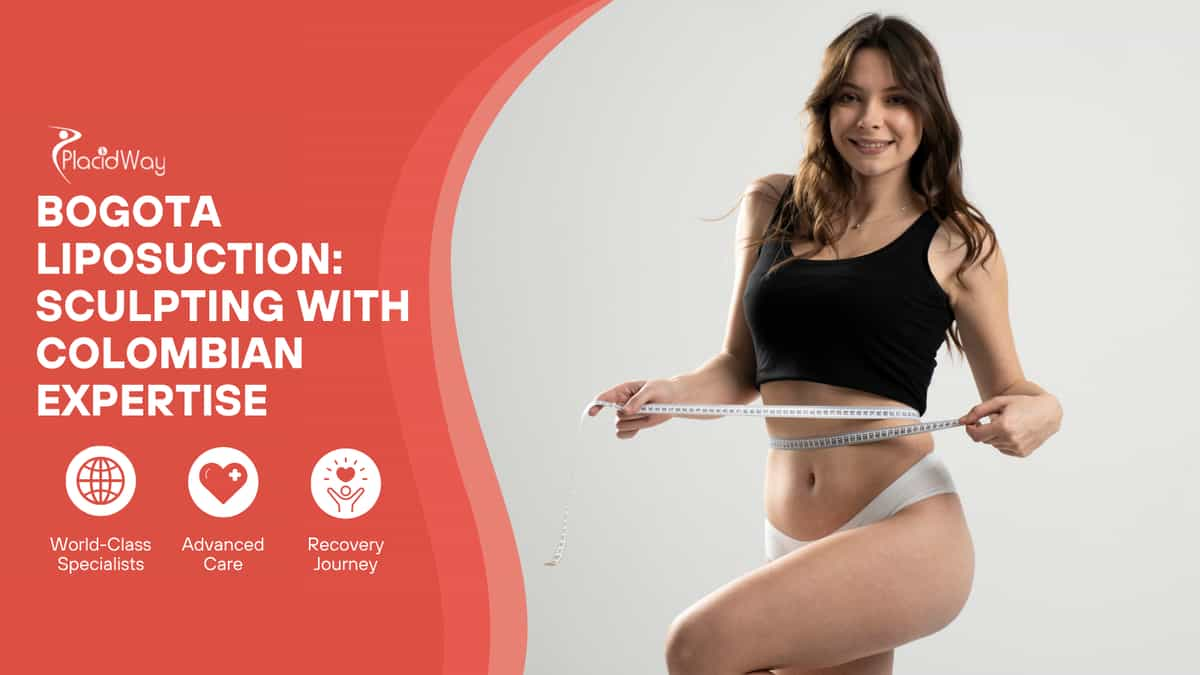
Getting rid of stubborn fat shouldn't require emptying your savings account, which is exactly why traveling for specialized body contouring has become a highly practical solution. This comprehensive liposuction package in Bogota, Colombia, connects you with board-certified surgical teams starting at an accessible $2,500, offering targeted fat removal for individuals who are near their ideal body weight. While you can typically expect to stay in the city for 7 to 10 days to ensure safe healing, your exact travel timeline, final procedure pricing, and medical eligibility will rely entirely on a personalized assessment by your treating surgeon.
Essential Package Insights
- Estimated Starting Cost: Packages begin at $2,500 USD, offering high-quality medical care at a lower price point due to favorable currency exchange rates and lower overhead costs in South America.
- Clinical Standards: Procedures are performed in facilities adhering to stringent local health ministry protocols, often boasting accreditations comparable to international patient safety standards.
- Patient Qualifications: The safest, most ideal candidates are non-smokers with good skin elasticity who are currently at or very near their target body weight.
- What to Expect: Surgery typically lasts 1 to 3 hours as an outpatient procedure, utilizing tumescent fluid to minimize bruising and maximize patient comfort.
- Pre-Travel Preparation: You will need to submit preliminary health questionnaires and digital photos, followed by comprehensive lab work once you arrive before any surgery is approved.
Global Cost Comparison for Liposuction
When planning international healthcare, understanding the financial landscape is crucial. Patients frequently travel to Colombia from North America and Europe to benefit from lower living and administrative costs, which directly translate to more affordable medical care without sacrificing clinical expertise. Below is an overview of how Bogota compares to popular home countries.
| Country | Average Estimated Starting Cost |
|---|---|
| United States | $6,500 - $8,000+ |
| United Kingdom | $6,000 - $7,500+ (£4,500+) |
| Canada | $7,000 - $9,000+ (CAD equivalent) |
| Bogota, Colombia | $2,500+ |
Detailed Treatment Estimate Breakdown
Please note: The following table represents an estimated financial baseline for one targeted area. Your final quote will be determined exclusively by your treating physician after a comprehensive evaluation of your anatomical needs and medical history.
| Procedure Item | Estimated Cost (USD) | Short Description |
|---|---|---|
| Surgical Team Fees | $1,200 | Compensation for the primary board-certified surgeon and assisting nursing staff. |
| Facility & Operating Room | $600 | Use of the accredited surgical theater, sterilization equipment, and recovery bay. |
| Anesthesia Services | $400 | Fees for the licensed anesthesiologist and specialized medications used during surgery. |
| Pre-op Labs & Garments | $300 | Includes mandatory blood tests upon arrival and your first medical-grade compression garment. |
| Total Estimated Price | $2,500 | Starting base line; subject to medical clearance and number of areas treated. |
What This Program Includes?
To ensure a streamlined experience, your estimated surgical baseline typically covers the essential clinical components required for a safe procedure:
- Comprehensive pre-operative consultation with your plastic surgeon.
- Surgeon, anesthesiologist, and operating room nursing staff fees.
- Standard operating room supplies and sterile equipment usage.
- Required standard preoperative blood work (conducted in Bogota).
- One specialized postoperative compression garment (faja).
- Scheduled in-person follow-up appointments before you travel back home.
Services Not Included
Patients must plan for their own travel logistics and personal recovery needs. The following are standard exclusions:
- Round-trip international airfare and baggage fees.
- Hotel accommodations, meals, and daily living expenses in Bogota.
- Post-operative lymphatic drainage massages (highly recommended but billed separately).
- Prescription medications for pain and antibiotics to take at your hotel.
- Medical complication insurance or travel insurance policies.
- Treatment of additional body areas beyond the initially quoted scope.
Who Is a Suitable Candidate?
Liposuction is a contouring tool, not a weight-loss method. Your safety and final aesthetic result rely heavily on whether this procedure is medically appropriate for your body type. Ideal candidates typically meet the following criteria:
- Individuals who are within 30% of their ideal, healthy body weight.
- Patients possessing firm, elastic skin and good muscle tone, which helps the skin conform to new contours.
- Healthy adults without life-threatening illnesses or medical conditions that impair healing (such as uncontrolled diabetes or severe heart conditions).
- Non-smokers, as nicotine severely constricts blood vessels and complicates surgical healing.
- Individuals with specific, localized pockets of fat that have not responded to consistent diet and exercise.
Medical Documentation Needed for Assessment
Before you ever book a flight, surgeons require preliminary data to determine if you can safely undergo surgery. You will likely be asked to provide:
- A comprehensive, signed medical history form detailing past surgeries and underlying conditions.
- A complete list of current medications, vitamins, and herbal supplements you take regularly.
- Clear, well-lit digital photographs of the target areas (front, back, and side profiles) for visual assessment.
- Recent EKG/ECG results if you are over a certain age (usually 40 or 45), as directed by the clinic.
Understanding the Fat Removal Process
Modern liposuction is a refined, step-by-step surgical process designed to maximize comfort and minimize tissue trauma. While techniques vary slightly based on the technology used (such as traditional, ultrasound-assisted, or laser-assisted), the core methodology follows a standard, safe progression.
Step 1: Anesthesia Administration
To ensure your comfort, medications are administered before the procedure begins. Depending on the extent of the treatment, your medical team will utilize either intravenous sedation (twilight sleep) or general anesthesia.
Step 2: Incisions and Tumescent Fluid
The surgeon makes small, inconspicuous incisions (usually less than a quarter-inch). A sterile solution containing localized numbing medication (lidocaine) and a drug to constrict blood vessels (epinephrine) is infused into the target areas. This "tumescent" fluid minimizes bleeding and tissue trauma.
Step 3: Fat Aspiration
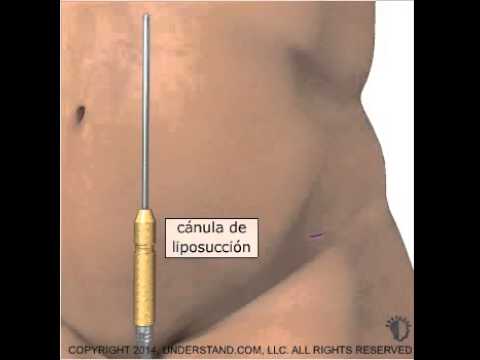
A thin, hollow tube called a cannula is inserted through the incisions. The surgeon uses controlled back-and-forth motions to loosen the excess fat. The dislodged fat is then permanently suctioned out of the body using a specialized surgical vacuum attached to the cannula.
Step 4: Closing and Compression
Once the desired contour is achieved, the incisions may be closed with a few sutures, though some surgeons prefer to leave them slightly open to allow excess fluid to drain. You are immediately placed into a tight compression garment to reduce swelling and support your new shape.
Your Travel and Treatment Timeline
Traveling for surgery requires a structured itinerary. While every patient’s journey is unique, a standard medical tourism timeline for body contouring looks like this:
- Pre-Travel (Weeks 1-4): Initial virtual consultations, reviewing quotes, booking flights, and securing a recovery-friendly hotel or recovery house in Bogota. You must stop taking blood-thinning medications and supplements.
- Day 1 (Arrival): Fly into Bogota, settle into your accommodation, and rest. Drink plenty of water to hydrate after your flight.
- Day 2 (Pre-Op Clinic Visit): Meet your surgeon in person for a physical exam, finalize surgical markings, and complete your mandatory on-site blood tests.
- Day 3 (Surgery Day): Arrive at the clinic fasting. The procedure takes place, and after a few hours of observation in the recovery bay, you are released to your caregiver to return to your hotel.
- Days 4-7 (Acute Recovery): Rest at your accommodation. You will likely attend the clinic for brief check-ups or begin gentle lymphatic drainage massages to reduce swelling.
- Days 8-10 (Clearance and Departure): Final check-up with your surgeon to ensure incisions are healing properly. Once given medical clearance, you may safely fly home.
Mandatory Length of Stay Guidelines
Never rush your return flight. Flying too soon after surgery drastically increases the risk of deep vein thrombosis (blood clots). Keep these rules in mind:
- A minimum stay of 7 to 10 days in Bogota is strictly required.
- Travel clearance is entirely at the discretion of your treating physician.
- Extensive, multi-area procedures may require up to a 14-day stay.
- Always book flexible return flights in case your body needs an extra day or two of local recovery.
Recovery and Post-Operative Care
Healing is a gradual process. During the first few days, you will experience soreness, swelling, and fluid drainage from the incision sites—this is completely normal. Wearing your compression garment exactly as directed is critical; it helps your skin shrink to fit your new contours and reduces fluid buildup.
By week two, most patients can return to desk jobs and light daily activities, though swelling and bruising will still be present. Strenuous exercise and heavy lifting must be avoided for at least four to six weeks. Keep in mind that while you will notice an immediate difference in volume, residual swelling can take up to three to six months to fully resolve, meaning your final aesthetic outcome requires patience.
Understanding Surgical Risks
All surgical procedures carry inherent risks. While serious complications are uncommon when performed by qualified professionals on healthy candidates, you must be fully informed. This list is not exhaustive, and your surgeon will discuss your individual risk profile during consultation:
- Reactions to anesthesia or medications.
- Bleeding, hematomas, or localized infections.
- Contour irregularities, such as bumpy, wavy, or asymmetric skin surfaces.
- Fluid accumulation (seromas) that may need to be manually drained.
- Numbness or changes in skin sensation, which are typically temporary but can occasionally persist.
Setting Reasonable Expectations
Clear communication regarding your body goals is essential. Patients should understand the following about their expected results:
- Treatment typically improves body contours and clothing fit, but it is not a cure for obesity.
- The fat cells removed are permanently gone; however, remaining fat cells can still expand if you gain weight in the future.
- Liposuction does not improve cellulite or correct significant skin laxity (loose skin).
- Final results often take 3 to 6 months to become fully visible as deep tissue swelling subsides.
Frequently Asked Questions
Will I have loose skin after the fat is removed?
This depends entirely on your skin elasticity. Younger patients with good skin tone typically see their skin retract nicely over the new contours. If you already have stretched, inelastic skin (due to age or massive weight loss), you may require an excisional procedure like a tummy tuck to remove the loose skin.
How soon can I fly safely after my surgery?
For a standard procedure, surgeons generally require you to wait a minimum of 7 to 10 days before boarding a flight. Flying increases the risk of blood clots, so you must have formal medical clearance from your surgeon before traveling.
Is the fat removal permanent?
Yes, the specific fat cells removed during the procedure will not return. However, if you consume excess calories, the remaining fat cells in your body can still grow larger, which can alter your new shape. Maintaining a stable weight is crucial.
How do I manage language barriers at the clinic in Colombia?
Major medical tourism hubs in Bogota cater extensively to international patients. Most board-certified surgeons and patient coordinators are fully bilingual in English and Spanish. If needed, translator services are routinely provided by the clinics.
What happens if I experience a complication after returning home?
Before leaving Bogota, you should establish an aftercare plan. You will be provided with your surgical records. In the event of a late complication, you would need to visit a local physician or emergency room in your home country. Medical travel insurance that covers complications is highly recommended.
Can I combine liposuction with other procedures?
Often, yes. It is frequently combined with procedures like tummy tucks or fat grafting. However, combining procedures increases surgical time and recovery demands. Your surgeon must evaluate your health to determine if a combined approach is safe for you.
How long will I need to wear the compression garment?
Most surgeons require you to wear the compression garment 24 hours a day (except when showering) for the first 3 to 4 weeks, followed by another few weeks of daytime or nighttime wear. This varies based on your specific healing progress.
What is the difference between tumescent and VASER liposuction?
Tumescent is the standard technique involving fluid injection to loosen fat before suctioning. VASER uses ultrasound energy to liquefy the fat cells before they are removed, which can sometimes be gentler on surrounding tissues and allow for more detailed contouring.
How many liters of fat can safely be removed?
Global safety guidelines generally suggest a maximum safe limit of around 4 to 5 liters in a single outpatient session. Removing more than this significantly increases the risk of serious complications and fluid shifts within the body.
Will I need lymphatic drainage massages?
Yes, postoperative lymphatic drainage massages are a staple of the recovery process, particularly in Colombian medical protocols. These gentle massages help move stagnant fluid, reduce swelling, and prevent the formation of hard lumps under the skin.
Ready to Explore Your Options?
Taking the next step toward your body goals starts with gathering the right information. Connect with a patient coordinator to discuss your medical history, review your specific needs, and receive a personalized, no-obligation assessment.
Disclaimer: The information provided on this page is for educational and general informational purposes only and does not constitute medical advice. Eligibility, treatment plans, and specific outcomes must be evaluated by a qualified healthcare professional.
References
- American Society of Plastic Surgeons (ASPS) - Overview and Safety of Liposuction
- Mayo Clinic - Liposuction: What You Can Expect and Associated Risks
- National Institutes of Health (NIH) - Evidence-Based Safety Guidelines in Liposuction
- Centers for Disease Control and Prevention (CDC) - Patient Safety in Medical Tourism
- International Society of Aesthetic Plastic Surgery (ISAPS) - Global Plastic Surgery Standards


















Share this listing