
Have you been mastering the art of the perfect selfie angle to disguise a nasal profile you aren't completely thrilled with? This comprehensive rhinoplasty package at the Riviera Institute for Plastic Surgery in Cancun offers international patients professional nose reshaping combined with a restful coastal recovery. Starting at an estimated $4,310, this service caters to healthy individuals seeking either cosmetic refinement of their facial harmony or functional improvements to their breathing airways. Patients should plan for a mandatory 7 to 10-day stay in the region to ensure proper initial healing, close surgical monitoring, and safe splint removal before returning home. Please note that your final eligibility, as well as the exact pricing of your procedure, depends entirely on a thorough clinical assessment and consultation with the medical team.
Takeaways for Your Rhinoplasty Journey
- Estimated Starting Price: The surgical package begins at $4,310 USD, offering transparent, highly competitive pricing compared to North American healthcare averages.
- Medical Accreditations: Procedures are performed at the Riviera Institute, known for stringent safety protocols and led by AMCPER (Mexican Association of Plastic, Aesthetic and Reconstructive Surgery) certified professionals.
- Patient Qualifications: Ideal candidates are healthy non-smokers whose facial bones have fully finished growing, typically possessing realistic goals for facial harmony rather than perfection.
- What to Expect: The surgery involves reshaping nasal cartilage and bone through either an open or closed technique, taking approximately 1.5 to 3 hours under general anesthesia.
- Essential Travel Requirements: Patients must arrive with pre-approved medical records and commit to remaining in Cancun for 7 to 10 days to allow for safe splint removal and medical clearance to fly.
Global Nose Job Cost Comparison and Detailed Financial Breakdown
Understanding the financial aspects of medical travel is a vital part of your decision-making process. Medical tourists frequently choose Cancun because the lower operational overhead and cost of living in Mexico allow top-tier clinics to offer comprehensive surgical care at highly accessible rates. Below is a realistic comparison of average rhinoplasty costs across regions from which patients typically travel, followed by a specific breakdown of your anticipated package.
International Average Cost Comparison
| Country/Location | Estimated Average Cost (USD) |
|---|---|
| United States | $8,000 - $15,000+ |
| Canada | $7,500 - $12,000+ |
| United Kingdom | $6,500 - $10,000+ |
| Cancun, Mexico (Riviera Institute) | Starting from $4,310 |
Comprehensive Package Cost Breakdown
*Please note: The following is an estimated breakdown of the starting price. Final costs may vary based on surgical complexity, revision needs, and your individual medical assessment.
| Procedure Item / Service | Estimated Cost (USD) | Description |
|---|---|---|
| Surgeon & Specialist Fees | $2,100 | Covers the primary surgeon's expertise for pre-op planning, the operation, and post-op follow-ups. |
| Anesthesiologist Fees | $750 | Administration of general anesthesia and vital sign monitoring by a board-certified specialist. |
| Operating Room & Facility | $1,100 | Use of a fully equipped, sterile operating theater and the immediate post-surgical recovery bay. |
| Medical Supplies & Garments | $360 | Surgical materials, initial IV medications, internal packing (if used), nasal splints, and bandaging. |
| Total Estimated Package Price: | $4,310 | Subject to final medical clearance and in-person evaluation. |
What Services Are Fully Covered in Your Rhinoplasty Surgery Estimate?
To ensure there are no surprises on your final medical bill, we prioritize total transparency regarding your package components. The starting price generally covers the critical clinical aspects of your surgery, including:
- Initial online or virtual consultation and preliminary case review.
- In-person pre-operative consultation and surgical planning with your lead surgeon.
- All primary surgeon, anesthesiologist, and assisting nursing staff fees.
- Operating room facility fees and use of standard surgical equipment.
- General anesthesia and continuous vital sign monitoring throughout the procedure.
- Standard medical supplies, sutures, and external nasal splints.
- Immediate post-operative care and observation in the clinic recovery room.
- Routine follow-up appointments for splint removal and healing progress checks in Cancun.
Out-of-Pocket Expenses Not Covered in Your Nose Reshaping Quote
While the medical package is comprehensive, medical tourists must factor in additional logistical and pre-travel costs. The following items are explicitly excluded from the surgical package estimate:
- Round-trip airfare and airport transfers to and from Cancun.
- Hotel accommodations, local transportation, and meals for the duration of your 7-10 day stay.
- Pre-operative blood tests, EKGs, or specialized imaging (these must be completed at home before travel).
- Outpatient prescription medications (pain relievers and antibiotics) to be taken at your hotel during recovery.
- Travel medical insurance or specialized medical complications insurance (highly recommended).
- Any non-standard surgical complexities, such as requiring rib cartilage grafts, discovered during the evaluation.
- Future secondary or revision surgeries, should they be requested at a later date.
Who Typically Qualifies for Safe and Effective Cosmetic Nose Surgery?
Rhinoplasty is a highly personalized and intricate procedure. While it can drastically improve facial harmony and respiratory function, it is not universally suitable for everyone. Patient safety and psychological readiness are paramount. The medical team will likely consider you a strong candidate if you meet the following criteria:
- Completed Facial Growth: Your facial bones must be fully developed. Operating on a growing nose can disrupt natural development, meaning candidates should generally be at least 16 to 18 years old.
- Good General Health: You must not have underlying, unmanaged medical conditions (such as severe bleeding disorders or cardiovascular disease) that could impair your immune response, delay healing, or complicate general anesthesia.
- Strict Non-Smoker Status: You must be a non-smoker, or be willing to completely cease using nicotine products for at least 4-6 weeks before and after surgery. Nicotine severely constricts blood vessels, which can lead to delayed healing and tissue necrosis.
- Specific Aesthetic or Functional Concerns: You have identifiable, correctable concerns such as a dorsal hump, a bulbous or drooping tip, distinct asymmetry, unusually wide nostrils, or a deviated septum that actively obstructs your breathing.
- Psychological Readiness and Realistic Expectations: You understand that the surgical goal is overall improvement and facial balance, not absolute perfection or attempting to exactly copy another person's features.
Essential Health Documentation Required Before Your Plastic Surgery
To ensure your utmost safety and properly determine your surgical eligibility before you book your flights to Cancun, the medical team at Riviera Institute requires a thorough review of your health history. You will be asked to securely provide the following documentation:
- Complete Medical History Form: A detailed questionnaire covering past illnesses, previous surgeries (especially nasal trauma or prior rhinoplasty), and relevant family medical history.
- Current Medication Profile: A comprehensive list of all prescription drugs, over-the-counter medications, herbal supplements, and vitamins you take regularly, as some may cause bleeding complications.
- Pre-Operative Lab Work: A recent Complete Blood Count (CBC), coagulation panel, and a basic metabolic panel (usually required to be completed within 30 days of your surgical date).
- Cardiac Evaluation (Age Dependent): An Electrocardiogram (EKG/ECG) is routinely required for patients over the age of 40, or those with a documented history of cardiovascular issues, to ensure anesthesia safety.
- Standardized Clear Photographs: High-resolution, unedited photos of your face and nose taken from multiple specific angles (front, both profiles, base looking up, and 45-degree angles) to allow the surgeon to formulate a precise surgical plan.
Step-by-Step Walkthrough of the Surgical Nose Reshaping Process
Understanding exactly what happens inside the operating room can significantly reduce pre-travel anxiety. Rhinoplasty is a highly meticulous, customized surgery that generally takes between 1.5 to 3 hours, depending on the complexity of the reshaping required. Here is a detailed, jargon-free breakdown of what you can expect on the day of your procedure.
Step 1: Anesthesia Administration and Comfort
To ensure you are completely comfortable and feel absolutely no pain, a certified anesthesiologist will administer medications. For a comprehensive rhinoplasty, general anesthesia is typically used, meaning you will be fully asleep and carefully monitored for the duration of the surgery.
Step 2: Making the Surgical Incision
The surgeon will utilize one of two main approaches. In a Closed Rhinoplasty, incisions are hidden completely inside the nostrils. In an Open Rhinoplasty, a small, subtle incision is made across the columella (the narrow strip of tissue separating the nostrils). The open approach allows the surgeon to gently fold the skin upward, providing superior visibility and precision for complex structural reshaping.
Step 3: Reshaping the Bone and Cartilage Framework
Once the underlying nasal structure is accessible, the surgeon meticulously reshapes it. This step may involve reducing bone or cartilage to remove a dorsal hump, using cartilage grafts (often taken from your septum, or occasionally the ear) to build up weak areas, or refining the nasal tip cartilages for sharper definition and symmetry.
Step 4: Correcting Functional Deviations (If Applicable)
If you suffer from breathing difficulties due to a deviated septum, the surgeon will straighten the septum and reduce any obstructive internal projections to improve airflow. This functional correction is seamlessly integrated into the cosmetic reshaping process.
Step 5: Closing Incisions and Protective Bandaging
After the desired shape and function are achieved, the skin and soft tissues are gently re-draped, and the incisions are closed with fine, dissolvable or removable sutures. The surgeon will then place a rigid splint on the outside of your nose to support the new shape and protect it as it begins to heal. Soft absorbent packing may occasionally be placed inside the nostrils to manage initial bleeding.
Your Day-by-Day Medical Tourism Itinerary for Nasal Surgery in Mexico
Proper logistical planning is the secret to a stress-free medical journey. Below is the typical timeline you will follow when traveling to Cancun for your rhinoplasty procedure.
Weeks Prior: Pre-Travel Preparation
You will complete virtual consultations, share required medical records and photographs, receive your finalized preliminary quote, and arrange your flights and hotel in Cancun. You must stop smoking and avoid blood-thinning medications (like aspirin, ibuprofen, and certain herbal supplements).
Day 1: Arrival and In-Person Consultation
After arriving at Cancun International Airport and settling into your hotel, you will visit the Riviera Institute. Here, you will have an extensive face-to-face consultation with your surgeon to finalize the surgical plan, review expectations, and sign necessary consent forms.
Day 2: The Day of Surgery
You will arrive at the clinic fasting. The procedure will take a few hours. Afterward, you will wake up and rest in the clinic's dedicated recovery area under professional observation until you are cleared to safely return to your hotel to rest.
Days 3 to 6: Rest and Recovery in Cancun
You will spend these days relaxing quietly at your accommodation. Swelling and bruising will typically peak during this time. You must keep your head elevated at all times, take prescribed medications on schedule, and stringently avoid any strenuous activity, bending over, or direct sun exposure.
Day 7 to 10: Follow-Up, Splint Removal, and Departure
You will return to the clinic for a crucial follow-up appointment. The surgeon will carefully remove the external splint and any internal packing or surface stitches. Once the doctor evaluates your initial healing and provides official medical clearance, you are free to fly home.
Minimum Time Required in Cancun for Safe Post-Operative Monitoring
A common and dangerous misconception with medical tourism is that you can fly out the day after a major surgery. For rhinoplasty, adequate time on the ground is non-negotiable for your safety and surgical success. Please note the following regarding your travel timeline:
- Mandatory Minimum Stay: A 7 to 10-day stay in Cancun is required by the clinic to ensure proper initial healing.
- Crucial Splint Protection: The rigid nasal splint must remain firmly in place, undisturbed, and dry for about a week before being removed safely by the surgical team.
- Air Travel Risks: Flying immediately after facial surgery drastically increases the risk of severe swelling, pain, and dangerous post-operative bleeding due to sudden cabin pressure changes.
- Final Physician Clearance: Your exact departure date depends entirely on your personal healing progress and receiving final travel clearance from your treating physician.
Navigating the Rhinoplasty Healing Process from Day One to One Year
Rhinoplasty recovery is famously a marathon, not a sprint. Healing happens gradually in distinct phases, and patience is your most valuable asset during this process. Here is what recovery generally looks like in stages:
The First Week (Immediate Post-Op)
This is visually the most challenging phase. You will experience noticeable facial swelling, bruising around the eyes (often resembling "black eyes"), and significant nasal congestion due to internal swelling. Your nose will be protected by a splint. Pain is typically described as dull pressure rather than sharp pain, and is manageable with prescribed medication. You must sleep with your head elevated at 45 degrees.
Weeks 2 to 4 (Transition Phase)
After the splint is removed (around day 7-10), you will get your first look at your new nose, though it will still be quite swollen. Most patients feel physically and socially comfortable returning to work or school by week two. The bruising usually fades completely by this time. You can slowly resume very light cardiovascular exercise, but must absolutely avoid contact sports, heavy lifting, or resting glasses on your bridge.
Months 2 to 6 (Refinement)
The vast majority of the bulk swelling dissipates during these months. Any residual numbness in the nasal tip will slowly begin to resolve as nerves regenerate. The contour of your nose will become much more defined and delicate. During this time, it is still crucial to protect your nose from severe sunburn and accidental bumps, as the underlying bone structure is still solidifying.
1 Year Post-Op (Final Results)
It can take up to a full year (and sometimes up to two years for complex revisions or patients with very thick skin) for the absolute final, subtle swelling to resolve completely, particularly in the nasal tip. By this point, the cartilage has completely settled into its new permanent position, revealing your final, stable aesthetic outcome.
Potential Complications and Surgical Risks of Rhinoplasty Interventions
While rhinoplasty is routinely performed with high success rates globally, all surgical procedures inherently carry risks. We believe in total transparency so you can make an empowered, realistic decision about your healthcare. The following list is not exhaustive, and your physician will discuss individual risks with you directly during your medical consultation:
- Anesthesia Risks: Potential adverse or allergic reactions to the general anesthesia medications used during surgery.
- Bleeding and Infection: Post-operative bleeding (epistaxis) or local infections. These are rare due to the sterile clinic environment and the use of prophylactic antibiotics, but remain a possibility.
- Poor Wound Healing: Delayed healing, tissue necrosis (especially in smokers), or unfavorable, visible scarring, particularly at the base of the nose in open rhinoplasties.
- Breathing Alterations: Unforeseen structural alterations in the nasal airway that could temporarily or permanently restrict breathing airflow.
- Aesthetic Dissatisfaction: Noticeable asymmetry, contour irregularities, or aesthetic results that do not perfectly align with patient expectations, which may occasionally necessitate a complex secondary (revision) surgery at an additional cost.
- Nerve Damage: Temporary or, in rare cases, permanent changes in skin sensation (numbness), particularly concentrated around the nasal tip and upper lip.
Setting Realistic Aesthetic and Functional Goals for Your Nose Job
The primary goal of rhinoplasty is to subtly enhance facial proportion and improve nasal function, not to attain an unrealistic or digitally altered standard of absolute perfection. When heading into surgery, it is crucial to maintain these grounded expectations:
- Results typically bring the nose into a much better, natural harmony with your other unique facial features (chin, cheeks, and eyes).
- Functional improvements to the septum often lead to better daytime airflow and more restful sleep, provided structural blockages were the root cause.
- The speed and nature of the healing process varies heavily from person to person. Biological factors like skin thickness and inherent genetic healing traits play a massive role in the final aesthetic outcome.
- Minor asymmetries are completely natural to the human face; perfect, mathematical symmetry is rarely achievable through surgery or natural-looking on any patient.
Why International Patients Choose Riviera Institute for Plastic Surgery?
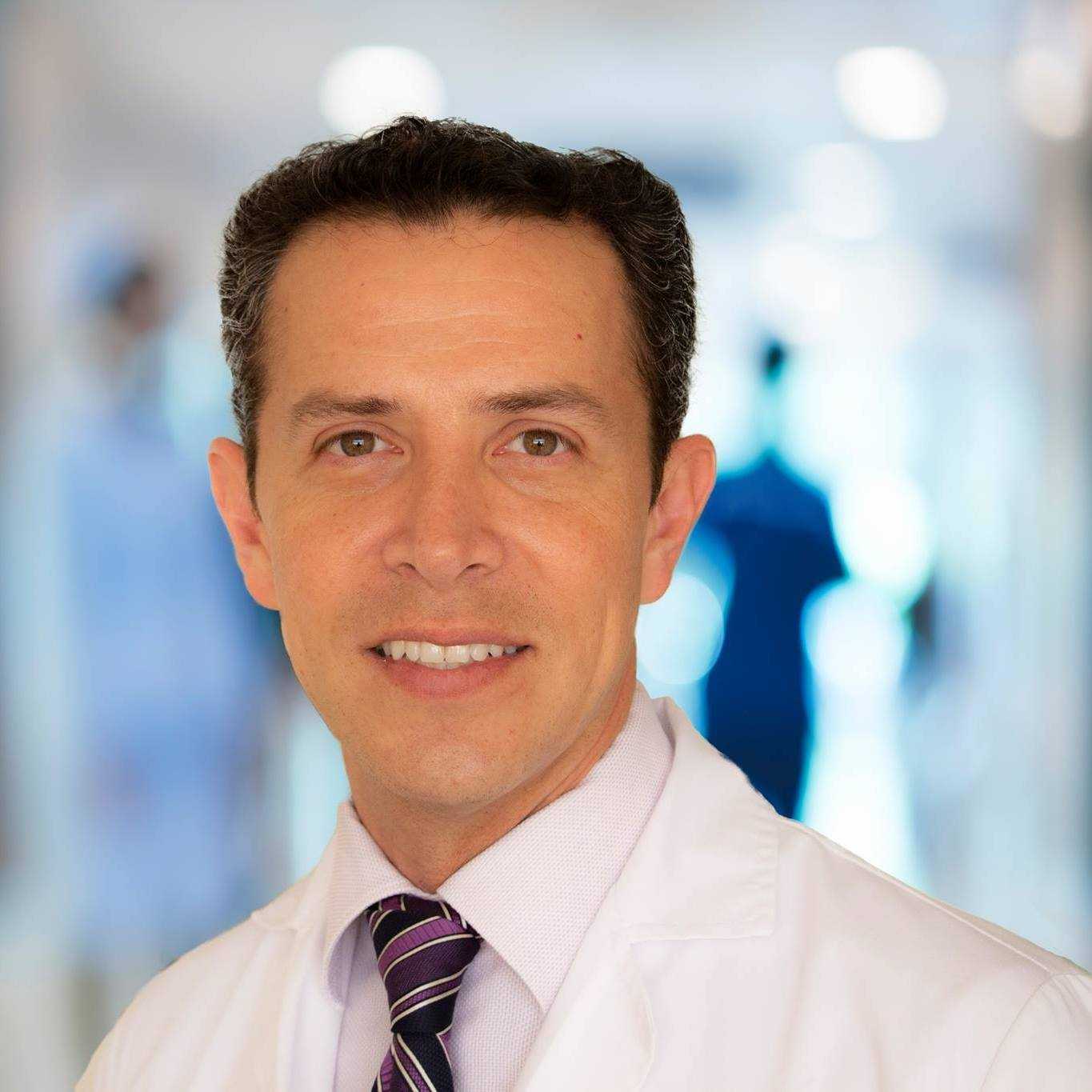
Your procedure will take place at the highly regarded Riviera Institute for Plastic Surgery. Located in Cancun, it has become a leading destination for international medical tourists seeking premier aesthetic care that balances clinical excellence with a patient-first, supportive approach.
- Modern Infrastructure: The facility is heavily invested in state-of-the-art operating theaters and advanced monitoring technology that is fully comparable to top North American surgical hospitals.
- Bilingual Medical Staff: To ensure crystal clear communication, safety, and comfort, the surgical, administrative, and nursing teams are fully fluent in English.
- Rigorous Accreditations: The institute adheres strictly to international hygiene, sterilization, and safety standards. Furthermore, the operating surgeons hold esteemed certifications from recognized Mexican (such as AMCPER) and international plastic surgery boards.
Frequently Asked Questions
Why is rhinoplasty significantly cheaper in Cancun compared to the US or Canada?
The price difference is not a reflection of lower quality medical care or outdated equipment. Rather, it is due to the significantly lower cost of living and operational overhead in Mexico. Clinic facility fees, administrative costs, malpractice insurance premiums, and local staff wages are substantially lower, allowing top-tier surgeons to offer world-class care at a fraction of the consumer price.
Is it genuinely safe to travel to Cancun specifically for plastic surgery?
Yes, millions of patients travel safely to Cancun for advanced medical care annually. The Riviera Institute adheres strictly to international healthcare and sterilization standards. However, safe travel ultimately requires you to follow all post-operative instructions rigidly, including staying in the city for the recommended 7 to 10 days before flying to avoid pressure-related complications.
Will my rhinoplasty procedure leave highly visible scars on my face?
If your surgeon determines a closed rhinoplasty is best, all incisions are internal, leaving absolutely no visible external scars. If an open approach is required for better structural access, a tiny incision is made across the columella (the skin between the nostrils). This scar usually heals so exceptionally well that it becomes nearly imperceptible over time.
How painful is the immediate rhinoplasty recovery process?
Most patients are pleasantly surprised to find that rhinoplasty recovery is far more uncomfortable than it is intensely painful. The primary sensations are facial pressure, severe nasal congestion (resembling a bad head cold), and mild throbbing. Prescription medication is provided to easily manage any acute pain during the first few critical days.
Can I wear my prescription glasses or sunglasses immediately after surgery?
No. You must stringently avoid resting glasses directly on the bridge of your nose for at least 4 to 6 weeks after surgery, as the newly reshaped bones are healing and can be easily displaced or indented by the weight. You will need to tape your glasses to your forehead or switch exclusively to contact lenses during this vulnerable period.
What happens if I get a cold or sinus infection right before my travel date?
If you develop a respiratory infection, severe cold, or flu prior to surgery, you must inform your surgical coordinator immediately. Operating on congested, inflamed airways drastically increases general anesthesia risks and compromises the healing environment. Your procedure may need to be responsibly rescheduled for your own safety.
Are potential future revision surgeries included in this initial package price?
No. The $4,310 starting price specifically covers a primary rhinoplasty procedure. While surgeons aim for the absolute best possible outcome on the first try, a small percentage of cases globally require minor touch-ups due to unpredictable healing. Revision surgeries are complex and would incur separate, additional costs, which would be discussed transparently with your surgeon if needed later.
How do I maintain hygiene and shower with my rigid nasal splint on?
It is absolutely critical to keep the external nasal splint and bandages entirely dry to prevent infection and premature loosening. You can bathe in a tub or carefully shower from the neck down. To wash your face, you should use gentle cleansing wipes or a damp cloth, making sure no water splashes onto the surgical site.
Since I am in Cancun, when can I go to the beach or swim in the hotel pool?
While you will be recovering in a beautiful tropical destination, swimming in pools, cenotes, or the ocean is strictly prohibited until your surgeon explicitly clears you (usually 3 to 4 weeks post-op) due to high infection risks from bacteria. Additionally, direct sun exposure must be avoided with a hat for several months to prevent permanent hyperpigmentation on the healing nasal skin.
Can cosmetic rhinoplasty permanently fix my chronic breathing problems?
If your breathing issues are directly caused by physical structural deformities, such as a severely deviated septum or enlarged turbinates, a functional rhinoplasty (septorhinoplasty) often provides significant, long-lasting relief. However, if your breathing issues are rooted in allergies, chronic sinusitis, or mucosal inflammation, those are medical conditions that surgery alone cannot cure.
Take the Next Step Toward Your Facial Harmony Goals
Taking the first step toward better facial proportion and improved breathing shouldn't feel overwhelming. Reach out today for a confidential, no-obligation medical evaluation to see if the Riviera Institute's surgical package aligns safely with your personal health goals.
Medical Disclaimer: The information provided on this page is for general informational and educational purposes only and is not a substitute for professional medical advice, diagnosis, or treatment. Always seek the direct advice of your physician or other qualified health provider with any questions you may have regarding a medical condition or before undertaking any surgical procedure.
Resources
- Mayo Clinic: Rhinoplasty Procedure Overview, Preparation, and What to Expect
- American Society of Plastic Surgeons (ASPS): Evaluating Ideal Candidates for Nose Surgery
- Cleveland Clinic: Rhinoplasty Management, Surgical Risks, and Comprehensive Recovery
- MedlinePlus: Nose Shape Surgery Details, Expectations, and Medical Considerations
- WebMD: Comprehensive Patient Guide to Rhinoplasty Preparation and Aftercare





















Share this listing