

Contents
A realistic planning range for primary rhinoplasty in Mexico is about US$3,000 to US$6,500. Current individual package listings can fall below or within this range, while revision rhinoplasty, functional breathing correction, cartilage grafting and more complex surgery may cost more. A nose job may involve changes measured in millimeters, but choosing where to have it done deserves considerably more thought. Mexico is especially practical for patients comparing options from the United States and Canada, with border destinations such as Tijuana, Mexicali and Ciudad Juárez as well as major medical markets including Mexico City, Guadalajara, Cancún and Mérida. Cost matters, but it should never be the only filter. Before paying a deposit, verify the surgeon's Mexican professional and specialty credentials, current plastic-surgery certification where applicable, and the exact facility where surgery will take place. For the facility, look for a valid COFEPRIS health license for surgical procedures and appropriate medical oversight. A polished website can help you research; it cannot replace those documents. Use this page to compare cost, packages, surgeons, clinics, patient experiences and travel requirements before deciding which option deserves a closer medical consultation.What Should You Know Before Getting Rhinoplasty in Mexico?
A package can look wonderfully simple until laboratory tests, medication or an extra night suddenly appears outside the quote. Ask for a written breakdown covering the surgeon, anesthesia, operating room, medical tests, medications, postoperative appointments and any hospital stay. If accommodation or transportation is included, separate those conveniences from the medical services when comparing offers. Also ask who pays if recovery takes longer than expected or additional treatment is needed. Compare the rhinoplasty packages below by what is actually included rather than assuming that similar prices represent the same level of care.

Price starting from $3,650
Rhinoplasty Tijuana - Exclusive Package by Dr. Joaquin Ayala
Dr. Joaquin Ayala - Best Plastic Surgeon in Tijuana Mexico
- Cosmetic/Plastic Surgery
Tijuana, Mexico

Price starting from $3,200
Rhinoplasty Package in Mexico City, Mexico by Dr. Jorge Sandoval
Dr. Jorge Sandoval - Plastic Surgeon in Mexico City
- Cosmetic/Plastic Surgery
Mexico City, Mexico

Price starting from $5,600
Rhinoplasty in Mexico City by Dr. Eduardo Cartagena
Dr. Eduardo Cartagena - Plastic Surgeon in Mexico City
- Cosmetic/Plastic Surgery
Mexico City, Mexico

Price starting from $4,900
Rhinoplasty Package by Guerrero Plastic Surgery in Tijuana, Mexico
Guerrero Plastic Surgery
- Cosmetic/Plastic Surgery
Tijuana, Mexico

Price starting from $4,050
Rhinoplasty Package in Ciudad Juarez, Mexico by Dr. David Flores Soto
Dr. David Flores Soto - DFS Plastic Surgery
- Cosmetic/Plastic Surgery
Ciudad Juarez, Mexico

Price starting from $4,500
Rhinoplasty Package in Tijuana, Mexico by Dr. Israel Villalobos
Dr. Israel Villalobos - Plastic Surgery in Tijuana Mexico
- Cosmetic/Plastic Surgery
Tijuana, Mexico
Primary rhinoplasty in Mexico commonly falls within a planning range of approximately US$3,000–US$6,500. Current individual package examples may start lower, while more complex procedures can exceed this range.
The final amount depends on nasal anatomy, surgeon experience, operating facility, anesthesia, testing and the type of correction required. Functional septorhinoplasty, revision surgery or cartilage grafting may involve additional work and expense. Ask whether the quote is fixed after your medical assessment and whether medications, additional nights, complications or revision surgery are excluded. Compare the prices below alongside the treatment scope rather than choosing by headline price alone.
Nose Surgery Rhinoplasty Centers Cost Comparison in Mexico
| Provider | Procedure | Price |
|---|---|---|
| Dr. Alejandro Paredes Plastic Surgeon | Nose Surgery Rhinoplasty, Cosmetic/Plastic Surgery | $6000 |
| Cancun Plastic Surgery Center by Dr. Víctor Sámano | Nose Surgery Rhinoplasty, Cosmetic/Plastic Surgery | $3800 |
| Marroquin and Sandoval Plastic Surgery Cabo San Lucas | Nose Surgery Rhinoplasty, Cosmetic/Plastic Surgery | $3300 |
| Dr. Ernesto Javier Acosta Abeyta | Nose Surgery Rhinoplasty, Cosmetic/Plastic Surgery | $4000 |
| Riviera Institute for Plastic Surgery | Nose Surgery Rhinoplasty, Cosmetic/Plastic Surgery | $4310 |
| Hospital Velmar | Nose Surgery Rhinoplasty, Cosmetic/Plastic Surgery | $5599 |
Nose Surgery Rhinoplasty Cost Comparison in Mexico
| Country | Procedure | Price |
|---|---|---|
| United Kingdom | Nose Surgery Rhinoplasty, Cosmetic/Plastic Surgery | $7000 |
| United States | Nose Surgery Rhinoplasty, Cosmetic/Plastic Surgery | $9500 |
| Canada | Nose Surgery Rhinoplasty, Cosmetic/Plastic Surgery | $10000 |
| Germany | Nose Surgery Rhinoplasty, Cosmetic/Plastic Surgery | $9500 |
Start with the operating room, not the waiting room. Ask for the legal name and address of the facility where your rhinoplasty will actually be performed and verify that it holds the appropriate COFEPRIS health license for surgical procedures. Confirm who administers anesthesia, how patients are monitored after surgery and what emergency-transfer arrangements are available. The consultation office and surgical facility may not always be the same location, so verify both before committing. Compare the clinics below using licensing, surgical infrastructure and aftercare—not décor, package extras or polished reception language.
Cancun Plastic Surgery Center by Dr. Víctor Sámano
Cancun,Playa Del Carmen, Mexico
Hospital Velmar
Ensenada, Mexico

Medica Golfo de Cortes
Guadalajara,Jalisco,Puerto Vallarta, Mexico

Dr. Joaquin Ayala - Best Plastic Surgeon in Tijuana Mexico
Tijuana, Mexico
Dr. Enrique Garcia Murray - Plastic Surgery Mexico City
Mexico City, Mexico
Dr. David Flores Soto - DFS Plastic Surgery
Ciudad Juarez, Mexico
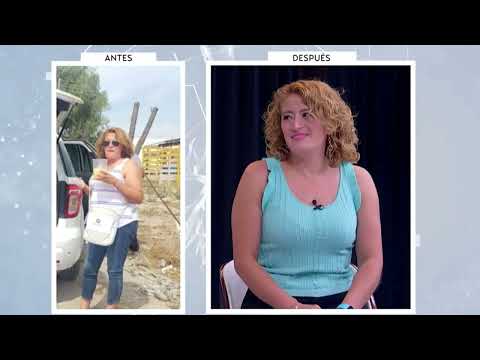
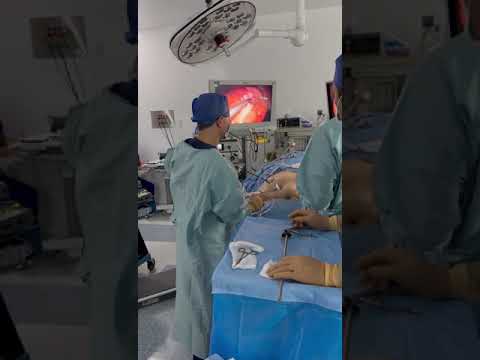
A good video should answer questions, not simply provide a dramatic reveal. Look for surgeons discussing nasal anatomy, breathing, surgical technique, realistic limitations, recovery and possible complications. Before-and-after footage deserves the same caution as photographs because lighting, angles, editing and recovery stage can change how a result appears. Check whether the surgeon speaking in the video is the person who would actually perform your operation. Use the videos below to understand different approaches and prepare better consultation questions, not as proof that the same result can be reproduced for you.


The useful part of a review is rarely the number of stars. Look for patients who describe the consultation, surgeon communication, surgery, early recovery, follow-up and how concerns were handled. Check whether the reviewer actually underwent rhinoplasty rather than another cosmetic procedure, and separate comments about drivers or hotels from evidence about medical care. Reviews cannot verify credentials, complication rates or predict your personal result. Compare the experiences below for recurring patterns, then verify important medical information independently.

How much does rhinoplasty cost in Mexico?
A realistic planning range for many primary rhinoplasty options in Mexico is approximately US$3,000 to US$6,500. Some individual package listings may start below this range. Revision surgery, functional correction, cartilage grafting or complex anatomy can increase the cost. Request an itemized written quote after medical assessment before comparing providers.
Is rhinoplasty in Mexico safe?
Rhinoplasty may be performed safely when an appropriately trained surgeon operates in a properly licensed facility with qualified anesthesia, monitoring, emergency arrangements and structured follow-up. No city, clinic or package can guarantee safety. Rhinoplasty itself carries risks including infection, anesthesia complications, breathing difficulty, altered sensation, scarring and the possibility of revision surgery.
How can I verify a rhinoplasty surgeon in Mexico?
Ask for the doctor's full legal name and verify professional and specialty credentials through Mexico's official professional registry. For plastic surgeons, also check current certification through the Mexican Council of Plastic, Aesthetic and Reconstructive Surgery where applicable. Do not rely only on a website badge, social-media biography or the phrase “board certified.”
How do I verify a rhinoplasty clinic in Mexico?
Confirm the exact facility where surgery will occur and ask to see its current COFEPRIS health license permitting surgical procedures. Mexican health authorities advise patients to verify the facility's authorization and the credentials of the doctor performing cosmetic surgery. Also ask about anesthesia, recovery monitoring and emergency-transfer arrangements.
Which city in Mexico is best for rhinoplasty?
There is no single best city for everyone. Tijuana, Mexicali, Ciudad Juárez, Mexico City, Guadalajara, Cancún and other destinations offer different surgeons and travel routes. Choose according to verified surgeon experience, facility standards, emergency access, communication and your ability to remain nearby for postoperative care rather than selecting a city first.
How long should I stay in Mexico after rhinoplasty?
Many patients need to remain near their surgeon through the early postoperative period and a planned follow-up, often around one week or longer. There is no universal safe duration. Septal work, grafting, revision surgery, medical conditions or complications may require more time. Confirm your individual schedule before purchasing a fixed return ticket.
When can I fly home after rhinoplasty in Mexico?
There is no single flight date that applies to every patient. Your surgeon should examine your recovery and clear you to travel based on the surgery performed, your health and the length of the journey. Do not assume that splint removal automatically means you are ready for air travel.
Can rhinoplasty in Mexico improve breathing as well as appearance?
Yes, in selected patients. Functional rhinoplasty or septorhinoplasty may address structural problems that affect nasal airflow while also changing nasal shape. Cosmetic rhinoplasty alone does not automatically correct every breathing problem. A proper examination should assess the septum, nasal valves, previous injuries and other possible causes before treatment is recommended.
What is normally included in a rhinoplasty package in Mexico?
Inclusions vary by provider. A package may include the surgeon, anesthesia, operating facility, preoperative testing, medications, postoperative appointments, accommodation or transportation. Never assume that an “all-inclusive” label covers everything. Ask specifically about additional hospital care, extra hotel nights, complications, revisions and treatment needed after returning home.
Is revision rhinoplasty more expensive in Mexico?
It often can be. Revision rhinoplasty may involve scar tissue, altered cartilage, weakened nasal support or a need for additional graft material. That can make surgery more complex than a first rhinoplasty. Request an individual assessment rather than applying a primary-rhinoplasty price to a revision case, and ask specifically about the surgeon's revision-rhinoplasty experience.
Is open or closed rhinoplasty better in Mexico?
Neither technique is automatically better. The appropriate approach depends on your anatomy, previous surgery, breathing, skin thickness and the structural changes required. Ask the surgeon why a particular technique is being recommended for you, what alternatives exist and what limitations each approach carries. Technique should follow diagnosis rather than become a marketing label.
Is ultrasonic rhinoplasty better than traditional rhinoplasty?
Ultrasonic instruments may help a surgeon reshape selected nasal bones, but the technology itself does not guarantee a better result. Diagnosis, surgical planning, structural support, tissue handling and surgeon experience remain important. Ask why ultrasonic or traditional instruments are appropriate for your anatomy rather than choosing a surgeon because of one particular device.
What should I look for in rhinoplasty before-and-after photos?
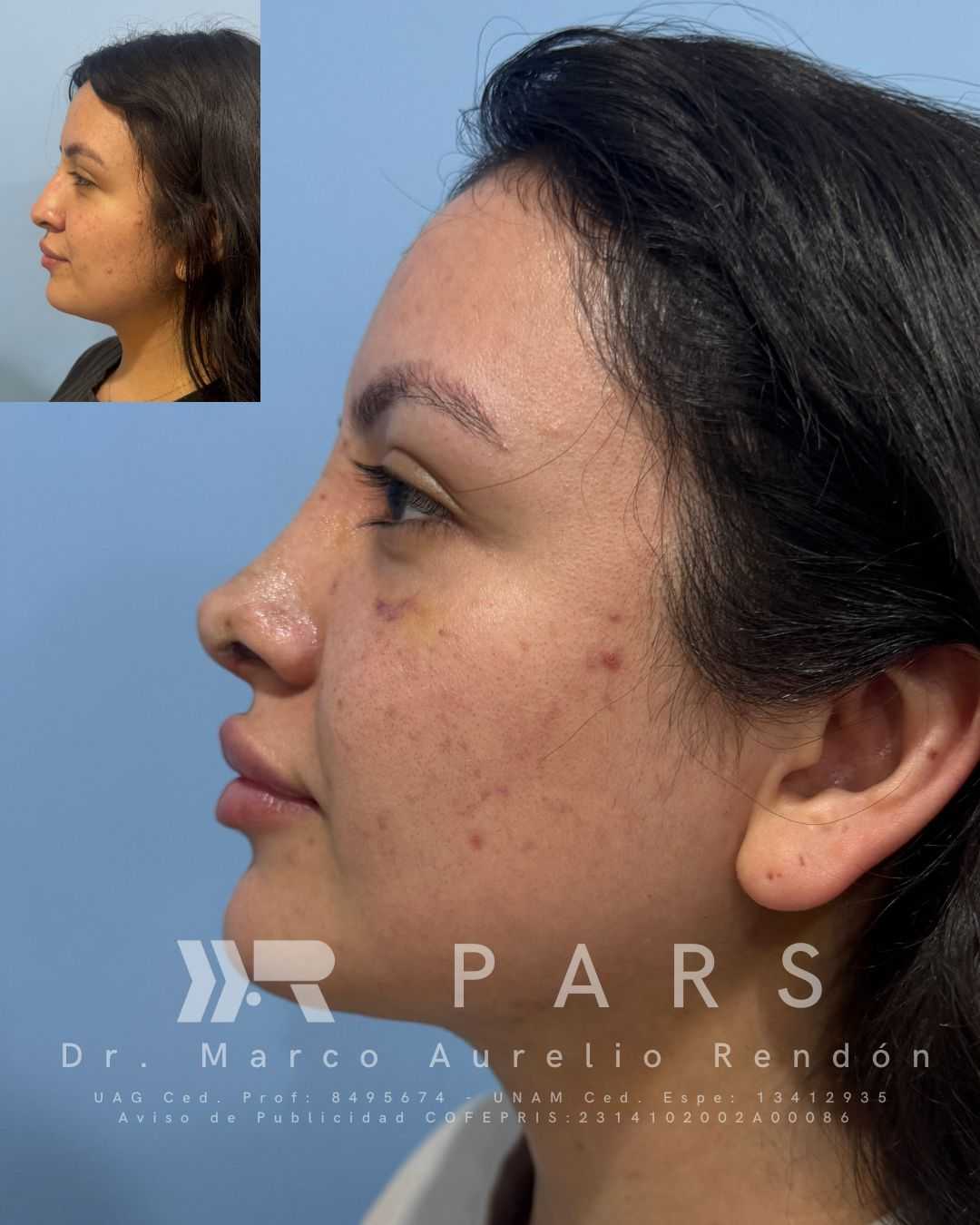
Look for consistent lighting, camera distance, head position and several facial angles. Pay particular attention to patients with anatomy, skin thickness or concerns similar to yours. Ask when postoperative photographs were taken because swelling can affect how the nose appears for months. Photographs demonstrate previous cases; they cannot promise your result.
What should I ask during an online rhinoplasty consultation in Mexico?
Ask who will perform your operation, what credentials they hold, where surgery will take place, which technique is recommended and why, what the quote includes, how long you should stay in Mexico and how complications are handled. An online consultation is useful for initial planning, but the surgical plan may change after an in-person examination.
What happens if I have a problem after returning home?
Ask this before surgery rather than after a problem develops. Confirm whether remote follow-up is available, who provides urgent clinical advice and how medical records will be transferred to a doctor at home. Request the surgeon's revision and complication policy in writing, including who pays for additional surgery, anesthesia, hospital care, accommodation and another trip to Mexico if one becomes necessary.
The surgeon matters more than the destination label. Ask for the doctor's full legal name and verify the professional and specialty credentials through Mexico's official professional registry. For plastic surgeons, check current certification through the Mexican Council of Plastic, Aesthetic and Reconstructive Surgery (CMCPER) and the recognized specialist-certification system where applicable. Credentials are the first filter, not the last. Ask how frequently the surgeon performs primary, functional and revision rhinoplasty and whether they regularly treat anatomy similar to yours. Compare the surgeons below using qualifications, rhinoplasty-specific experience, communication and follow-up arrangements.
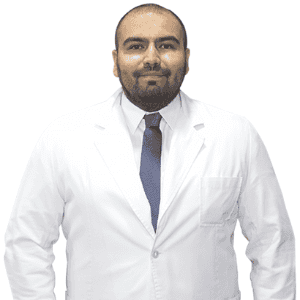

Dr. Joaquin Ayala
Dr. Joaquin Ayala - Best Plastic Surgeon in Tijuana Mexico
- Plastic Surgeon
Tijuana, Mexico

Dr. Ary Papadopulos
Dr. Ary Papadopulos - Stem Cell Mexico City Clinic for Anti-Aging
- Anti-Aging Medicine
Mexico City, Mexico
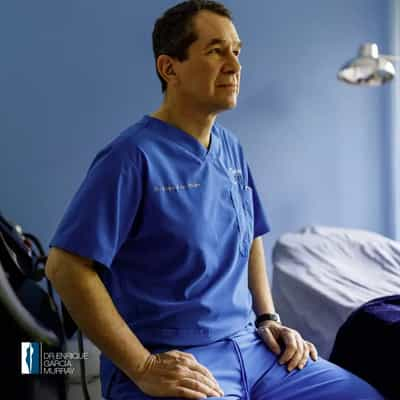
Dr. Enrique Garcia Murray
Dr. Enrique Garcia Murray - Plastic Surgery Mexico City
- Plastic Surgeon
Mexico City, Mexico

Dr. David Flores Soto
Dr. David Flores Soto - DFS Plastic Surgery
- Plastic Surgeon
Ciudad Juarez, Mexico

There is no medically “best” city for every rhinoplasty patient. Mexico offers several different medical-travel routes, and the practical choice depends on where you live, which surgeon fits your needs and how easily you can remain nearby for postoperative care. Patients traveling from the western and southwestern United States may find northern border cities easier to reach, while patients coming from other parts of the United States, Canada and farther abroad may prefer cities with major airports. The important sequence is surgeon first, licensed facility second, travel convenience third—not the other way around. Rhinoplasty recovery does not finish when the operation does. A nasal splint is commonly used during early healing, and bruising and swelling generally improve gradually. Subtle swelling can continue changing for months, with the final nasal contour taking considerably longer to refine. Avoid designing your recovery around the cheapest flight. Your surgeon should determine when you are fit to travel based on the procedure performed, your medical history and how you are healing.
Mexico Destination
Typical Travel Approach
Who May Find It Practical?
Tijuana
Cross from the San Diego area or fly directly depending on your itinerary.
Patients from California, Arizona and other western U.S. regions.
Mexicali
Accessible through the California border region or domestic Mexican connections.
Southern California, Arizona and nearby regions.
Ciudad Juárez
Accessible from the El Paso, Texas border area as well as by air.
Texas, New Mexico and neighboring U.S. states.
Mexico City
Usually reached by domestic or international air travel.
U.S., Canadian and other international patients comparing a large urban medical market.
Guadalajara
Air travel followed by local transportation is usually the practical route.
Patients comparing specialists beyond Mexico's border destinations.
Cancún
Commonly reached through direct or connecting international flights.
Patients who have practical flight connections to southeastern Mexico.
Mérida
Usually reached by air, sometimes through a connecting Mexican airport.
Patients comfortable planning a longer-distance medical trip.
Plan Your Recovery Before Booking Your Return Flight
You do not need to choose a surgeon after reading one profile or receiving one quote. Compare several options, ask for individualized treatment plans and check what each price includes. Verify the surgeon's credentials and the surgical facility independently, then consider how the recovery and travel plan would work after you return home. A careful comparison now can help you reach the consultation stage with better questions and a clearer understanding of the trade-offs. This information is provided for general patient education and treatment comparison only. It does not replace an examination, diagnosis or individualized advice from a qualified healthcare professional. Rhinoplasty is a surgical procedure with potential risks and complications. Prices, package inclusions, provider credentials, services and availability can change. Verify medical credentials, facility authorization, treatment details and costs independently before making a treatment decision or payment.Compare Your Rhinoplasty Options Before Making a Decision
Medical Disclaimer
References





















Share this listing