
Thinking About a Nose Job? Unpacking the Costs of Rhinoplasty in Guadalajara, Mexico
Many patients seeking cosmetic or functional nasal improvements look beyond their local borders to find specialized care at a different price point. Nose Job Rhinoplasty in Guadalajara, Mexico has become a prominent choice for individuals combining treatment with travel. As Mexico’s second-largest city, Guadalajara boasts modern medical infrastructure and a high concentration of specialized medical professionals.
When considering surgical alteration of the nose, understanding the financial investment is only the first step. Rhinoplasty is a highly complex procedure that requires not just technical skill, but an artistic understanding of facial harmony. Because the nose is central to the face and vital for breathing, finding the right provider involves careful research into costs, inclusions, safety protocols, and the logistical realities of traveling for surgery.
Key Takeaways
- Estimated prices typically range from $2,500 to $4,500 USD, though complex cases can cost more.
- The final quote varies significantly based on whether the surgery is primary or a revision.
- Patients should plan to stay in the city for 7 to 10 days for immediate recovery and medical clearance to fly.
- Engaging in medical tourism requires thorough vetting of board-certified plastic surgeons and accredited facilities.
- A comprehensive pre-surgical medical evaluation is essential to confirm you are a suitable candidate.
1. What factors influence rhinoplasty cost in Guadalajara?
While the baseline price might look appealing, no two rhinoplasties are exactly alike. The anatomical structure of your nose, the thickness of your skin, and the specific functional or aesthetic changes you desire dictate how challenging the surgery will be. A straightforward dorsal hump reduction, for instance, requires a different surgical approach than narrowing a wide nasal tip or straightening a severely deviated septum.
Furthermore, the choice of facility plays a role in the cost. Operations performed in highly equipped, internationally accredited hospitals or specialized surgical centers may have higher facility fees than those in smaller clinics. The surgeon's level of experience also dictates their fee; board-certified specialists who dedicate their practice primarily to facial procedures often command higher rates due to their specialized training.
2. What is typically included in the quoted price?
Transparency in pricing is vital when planning surgery abroad. When you receive an estimate from a rhinoplasty clinic in Guadalajara, you must ask for an itemized breakdown. Understanding what you are paying for helps avoid unexpected expenses on the day of surgery or during recovery.
Generally, a reliable clinic quote should include:
- The primary surgeon's professional fees.
- The anesthesiologist's fees and the cost of the anesthesia itself.
- Operating room time and facility charges.
- Basic post-operative garments, such as nasal splints or tape.
- Immediate post-operative follow-up visits before you travel home.
Keep in mind that travel expenses, accommodation, prescription medications for recovery (like antibiotics and pain relievers), and pre-operative laboratory tests (blood work, EKGs) are frequently excluded from the base surgical quote and must be budgeted separately.
3. Am I a good candidate for a nose job?
Determining candidacy goes beyond wanting a different nose. Medical professionals evaluate physical health, psychological readiness, and anatomical realities. Because rhinoplasty modifies bone and cartilage, surgeons typically wait until a patient's facial growth is fully complete, which is generally around age 16 for females and slightly older for males.
Good overall health is paramount to minimize risks associated with anesthesia and to promote optimal wound healing. Conditions such as uncontrolled high blood pressure, bleeding disorders, or severe heart disease may contraindicate elective surgery. Surgeons also place heavy emphasis on smoking cessation; nicotine constricts blood vessels, severely impairing the body's ability to heal and increasing the risk of tissue necrosis and infection.
4. How does a primary rhinoplasty differ from a revision procedure?
A primary rhinoplasty is often more straightforward because the surgeon is working with virgin tissue. The natural anatomical landmarks are intact, and there is no scar tissue from previous interventions to navigate. Consequently, primary procedures take less time in the operating room and are more predictable in their healing.
Revision (or secondary) rhinoplasty presents unique challenges. The presence of dense scar tissue can alter blood supply and make dissection difficult. Furthermore, cartilage might have been over-resected during the first surgery, meaning the surgeon may need to harvest cartilage grafts from the ear or rib to rebuild the nasal framework. Because of these anatomical complexities and the extended surgical time required, revision rhinoplasty costs significantly more and carries a higher risk of complications or prolonged swelling.
5. What happens during the initial consultation?
The consultation is an investigative process for both you and your surgeon. If you are traveling for surgery, a preliminary consultation is often done virtually via video call. You will be asked to provide clear, multi-angle photographs of your face and a comprehensive medical history, including any current medications, supplements, and past surgeries.
Once you arrive in Guadalajara, an in-person examination is mandatory. The surgeon will physically evaluate the thickness of your skin, the strength of your nasal cartilage, and the interior of your nasal cavity to check for structural blocks like a deviated septum. Many clinics utilize 3D imaging technology during this phase to visually simulate potential surgical outcomes, helping ensure that your goals align with surgical realities.
6. What does the recovery process look like?
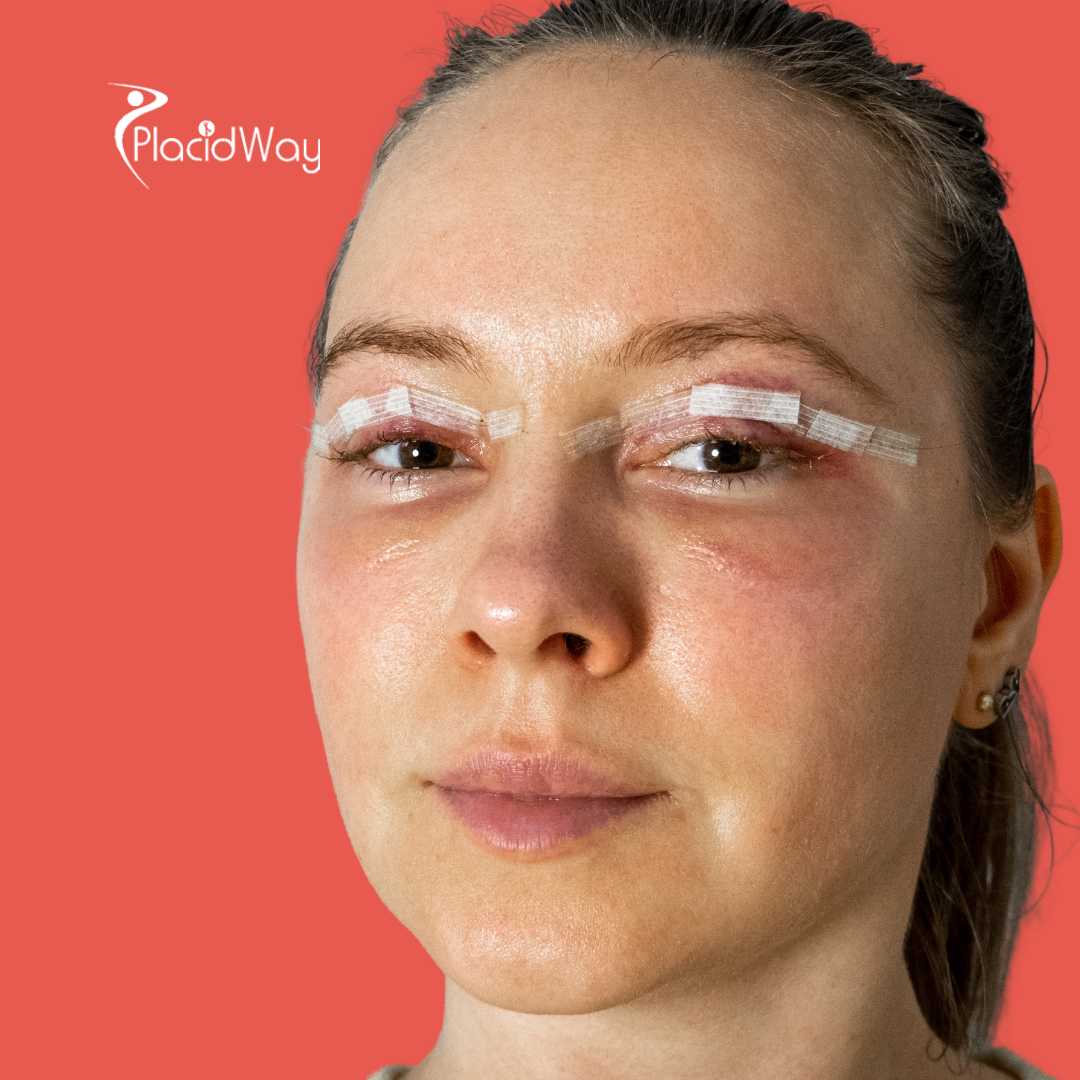
The first few days after a nose job require patience. You will likely have a cast or splint on the outside of your nose to support the new shape and protect the bones. Some surgeons also place soft splints inside the nostrils. Bruising around the eyes is common and typically peaks around the third day before beginning to fade. You will need to sleep with your head elevated to help minimize facial swelling.
While the external splint is usually removed after five to seven days, the healing process is far from over. Most patients feel comfortable returning to non-strenuous work within two weeks. However, subtle swelling—especially in the nasal tip—can persist for many months. It often takes up to a full year, and sometimes longer for patients with thick skin or those undergoing revision surgery, for the nose to settle into its final, permanent shape.
7. How long should I plan to stay in Mexico after my surgery?
Planning your itinerary carefully is vital for a safe recovery. Arriving a day or two before your procedure allows time for the mandatory in-person consultation, pre-surgical blood tests, and resting before your operation.
Post-surgery, leaving too soon is not an option. You must be present for follow-up appointments where the surgeon will assess your early healing, remove sutures or splints, and monitor for any immediate signs of infection or hematoma. Furthermore, flying too soon after facial surgery is hazardous. The dry air in airplane cabins can irritate healing nasal tissues, and the changes in cabin pressure can cause intense pain, increase swelling, and trigger severe bleeding. Always wait for explicit medical clearance from your surgeon before booking your return flight.
8. What are the potential risks and complications of rhinoplasty?
No surgical procedure is entirely risk-free. Standard surgical risks include adverse reactions to anesthesia, excessive bleeding, and infection at the incision sites. Specifically for rhinoplasty, patients may experience temporary or permanent numbness in and around the nose, a reduction in the sense of smell, or prolonged healing periods.
There are also structural and aesthetic risks to consider. Healing is unpredictable; uneven scar tissue formation can lead to asymmetry. In some cases, patients may develop new breathing difficulties or a perforated septum (a hole in the nasal septum). Because results are not guaranteed, a percentage of patients may remain unhappy with the cosmetic outcome, leading to the potential need for a secondary (revision) surgery later on. Discussing these possibilities openly with your provider is essential.
9. How can I ensure safety when participating in medical tourism in Mexico?
Engaging in cross-border healthcare requires diligent personal research. Do not base your decision solely on cost or social media marketing. You should verify that your prospective surgeon is certified by recognized medical boards, such as the Mexican Association of Plastic, Aesthetic and Reconstructive Surgery (AMCPER). Membership in international organizations like the International Society of Aesthetic Plastic Surgery (ISAPS) is also a strong indicator of professional standing.
Additionally, investigate the facility where the surgery will take place. It should be equipped to handle medical emergencies and maintain strict sterilization protocols. Finally, consider your plan for aftercare once you return home. Inform your local primary care physician about your upcoming surgery so that you have a medical contact available in your home country should you experience delayed complications weeks or months after your return.
Why Choose PlacidWay for Medical Tourism in Mexico?
Navigating international healthcare options can be complex. PlacidWay serves as a global medical tourism platform providing information to help patients research treatments abroad. Consider these facts when using PlacidWay:
- Global Provider Network: Access a broad directory of medical centers and specialized clinics across Mexico and worldwide.
- Informational Resources: Review detailed profiles containing provider qualifications, facility accreditations, and available procedures.
- Direct Connections: The platform facilitates direct communication between patients and international healthcare facilities.
- Educational Focus: Patients can access resources and articles to better understand the realities and requirements of medical travel.
- No-Pressure Research: PlacidWay allows users to compare various international medical options at their own pace without obligation.
Frequently Asked Questions
Does health insurance cover a nose job in Guadalajara?
Health insurance typically does not cover rhinoplasty if it is performed purely for cosmetic reasons. However, if the procedure includes functional corrections like a septoplasty to improve breathing, a portion of the cost might be covered. You must check with your specific international insurance provider.
What type of anesthesia is used for this surgery?
Rhinoplasty is usually performed under general anesthesia, meaning you will be completely asleep. In some specific, less complex cases, a surgeon may opt for intravenous sedation combined with local anesthesia.
Will I have visible scars after the procedure?
If you undergo an open rhinoplasty, a very small incision is made on the columella (the tissue between the nostrils), which usually heals to become barely noticeable. A closed rhinoplasty involves incisions hidden entirely inside the nose, leaving no visible external scars.
When can I safely wear glasses again after surgery?
Surgeons generally advise against resting glasses directly on the bridge of your nose for at least 4 to 6 weeks. Resting weight on healing nasal bones can shift them. You may need to tape your glasses to your forehead or wear specialized lightweight frames during this time.
Are consultations available virtually before traveling to Mexico?
Yes, many clinics offer initial virtual assessments where you can share photographs and medical history. However, a comprehensive physical examination is always required once you arrive before any surgery can safely proceed.
How soon can I resume exercising?
Light walking is encouraged early on to promote blood circulation, but strenuous exercises, heavy lifting, and activities that increase blood pressure or carry a risk of facial impact should be avoided for at least 4 to 6 weeks.
Is it safe to fly immediately after my rhinoplasty?
No, flying immediately after nasal surgery is not advised. Cabin pressure changes and dry air can increase the risk of bleeding, exacerbate swelling, and cause severe discomfort. Surgeons usually require patients to wait 7 to 10 days before flying.
What should I pack for my recovery in Guadalajara?
Pack shirts that button or zip in the front so you do not have to pull clothing over your head. Also, consider bringing a travel neck pillow to help you sleep upright, comfortable loose clothing, and any routine medications approved by your surgeon.
Can a rhinoplasty improve my breathing?
Yes, if your breathing issues are caused by structural abnormalities like a deviated septum or collapsed nasal valves, a functional rhinoplasty (often combined with septoplasty) can be designed to open the airways and improve airflow.
How long does the actual surgical procedure take?
A primary rhinoplasty typically takes between 1.5 to 3 hours to complete. More complex procedures, such as extensive reconstructive work or revision rhinoplasty, can take significantly longer.
Ready to Explore Your Options?
Connect with medical facilities to request information, compare treatment details, and learn more about pursuing care abroad.
Compare Treatment OptionsReferences
- Rhinoplasty Overview – American Society of Plastic Surgeons (ASPS)
- Rhinoplasty Procedure Information – International Society of Aesthetic Plastic Surgery (ISAPS)
- Rhinoplasty Details and Risks – Mayo Clinic
- Medical Tourism Safety Guidelines – Centers for Disease Control and Prevention (CDC)
- Guide to Rhinoplasty Surgery – American Board of Cosmetic Surgery
- Complications of Rhinoplasty – National Center for Biotechnology Information (NCBI)



















Share this listing