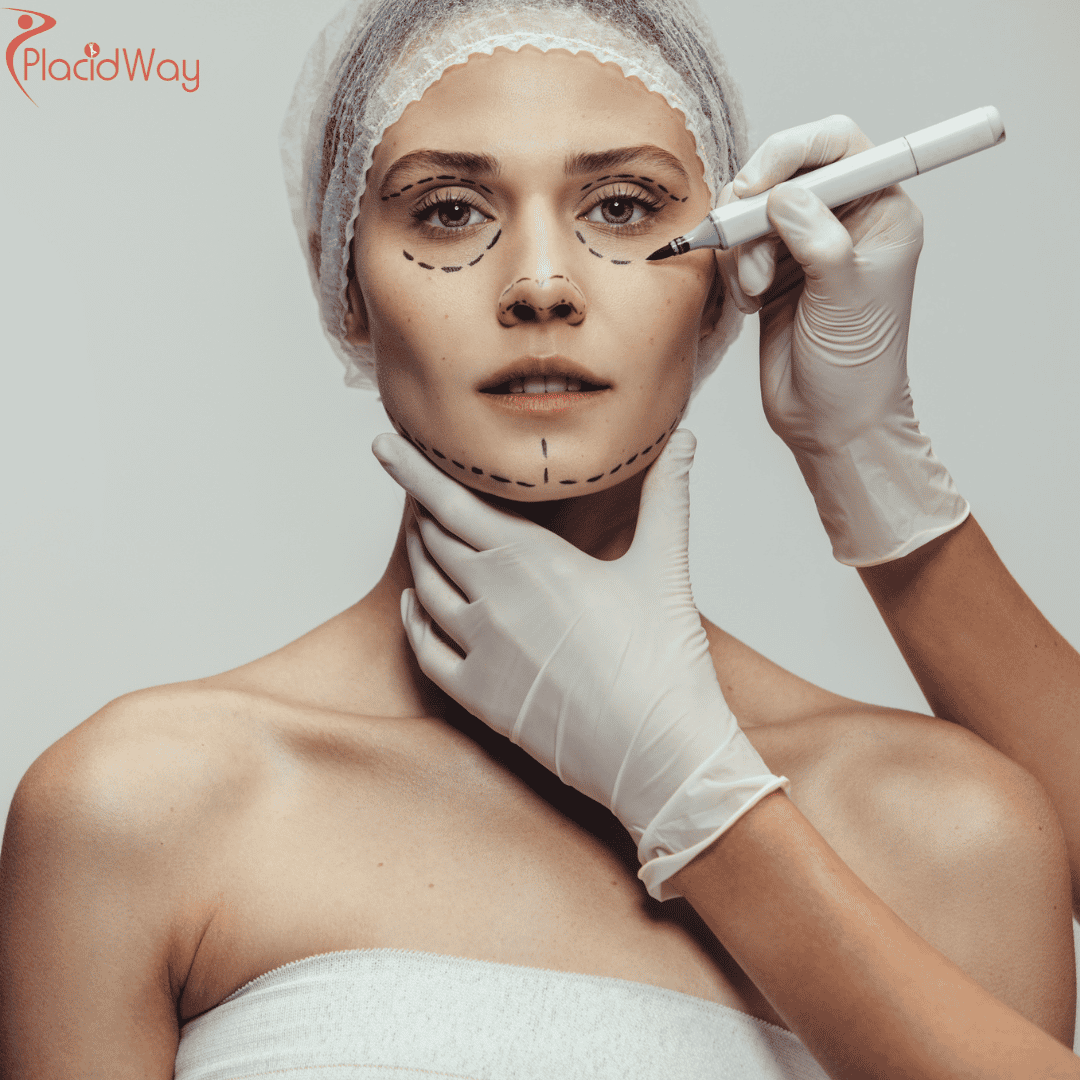
Rhinoplasty in Cancun, Mexico

Publish date: Modified date: Medically reviewed by: Dr. Lorenzo Halverson on Oct 01, 2026 Author: Amelia Pricilia

Experience Price

$3,648 Price starting from
Rhinoplasty in Cancun, Mexico

Contents

Every time you catch your side profile in a mirror, you probably do that little nose-lift maneuver with your finger. It is a universal habit for anyone considering a rhinoplasty. But when you finally look up the cost in the US or Canada and see a $10,000 to $15,000 price tag, the daydream usually ends there. That sticker shock is exactly why a growing number of patients are boarding short flights to Cancun.

Beyond the ocean views, the city provides access to highly trained plastic surgeons who charge a fraction of northern prices. You can expect to pay between $3,200 and $4,800 for a primary rhinoplasty in this region. When researching, ignore the flashy marketing and focus strictly on local medical credentials. Specifically, you must verify their board certification by the Mexican Council of Plastic, Aesthetic and Reconstructive Surgery (CMCPER). Take a look at the clinics, packages, and costs below to compare which option safely fits your needs.

Planning medical travel on your own requires coordinating a frustrating puzzle of separate fees for the surgeon, the anesthesiologist, the surgical facility, and the hotel. Clinics bundle these services into all-inclusive packages to remove that logistical headache. A standard package wraps your medical fees, pre-op bloodwork, post-surgery medications, and airport transfers into one transparent price.

When you are waking up from nasal surgery, the last thing you want to do is negotiate with a taxi driver or search for a local pharmacy. Transparency is what matters most when looking at bundled care. Review the package breakdowns below to compare exactly what each clinic includes from the moment you land to your flight home.

`

Let’s get straight to the numbers: a primary rhinoplasty in Cancun typically costs between $3,200 and $4,800. If you require a complex revision surgery or specific cartilage grafting, that price will likely sit closer to the $5,500 mark. The steep drop from the $10,000-plus averages in North America comes down to economics, not compromised medical protocols.

Mexico simply has a significantly lower cost of living, which translates to reduced overhead for surgical facilities, lower labor costs, and fewer administrative markups. The savings are substantial, but they should never come at the expense of your safety. Check the detailed pricing comparisons below to see how different clinics structure their costs for your specific procedure.

Nose Surgery Rhinoplasty Centers Cost Comparison in Cancun,Mexico

Provider Procedure Price
Cancun Plastic Surgery Center by Dr. Víctor Sámano Nose Surgery Rhinoplasty, Cosmetic/Plastic Surgery $3800
Riviera Institute for Plastic Surgery Nose Surgery Rhinoplasty, Cosmetic/Plastic Surgery $4310
Costamed Medical Group in Playa del Carmen Mexico Nose Surgery Rhinoplasty, Cosmetic/Plastic Surgery $4830

Nose Surgery Rhinoplasty Cost Comparison in Mexico

Country Procedure Price
United Kingdom Nose Surgery Rhinoplasty, Cosmetic/Plastic Surgery $7000
United States Nose Surgery Rhinoplasty, Cosmetic/Plastic Surgery $9500
Canada Nose Surgery Rhinoplasty, Cosmetic/Plastic Surgery $10000
Australia Nose Surgery Rhinoplasty, Cosmetic/Plastic Surgery $9000

A modern waiting room and an espresso machine tell you nothing about a surgeon’s technical skill. When selecting a clinic for a nose job, your focus needs to be on verified medical credentials, not interior design. Start by requesting the facility's active operating license from COFEPRIS, Mexico's federal health regulatory agency.

The procedure must take place in a fully accredited surgical center or hospital, never a converted office space. A clinic following standard safety protocols will provide these operational documents immediately, without trying to redirect you with a sales pitch. Examine the clinic profiles below to compare their specific local accreditations and facility standards before you make a decision.
Reading about medical travel is helpful, but observing the actual environment provides an entirely different level of clarity. Before booking a flight, step inside the surgical centers and recovery rooms through virtual walkthroughs. Look for videos where surgeons explain their specific techniques for dorsal hump reduction or tip refinement without relying on heavy medical jargon.

More importantly, seek out unedited patient documentation showing the honest reality of swelling and bruising days after surgery. These videos cut through the marketing language and show you exactly what to expect during your physical downtime. Browse the video library below to evaluate the facilities and surgeons with your own eyes.

A clinic’s official photo gallery will only ever show their absolute best surgical outcomes. To understand what you will actually experience, you need to read accounts from people who have navigated the airport with a cast on their face. Look for recurring themes in independent patient reviews.

Do former patients mention how the medical staff handled their post-operative anxiety? Was the aftercare communication prompt when they returned home? Instead of just looking for five-star ratings, pay attention to how the clinic responds to complicated recoveries or patient concerns. Read the real patient experiences below to compare how different surgeons manage their care from start to finish.

What specific board certifications should a rhinoplasty surgeon hold in Mexico?

You must verify that your surgeon is board-certified by the Mexican Council of Plastic, Aesthetic and Reconstructive Surgery (CMCPER). This is the only official body in Mexico that certifies a physician has completed the rigorous, multi-year surgical residency required to safely perform plastic surgery.

How long do I need to stay in Cancun after my procedure?

You should plan to remain in Cancun for 7 to 10 days post-surgery. Your surgeon needs this window to monitor your initial healing, manage your swelling, and safely remove your nasal cast and stitches before you are medically cleared to travel.

Can I fly immediately after undergoing nasal surgery?

No. Flying shortly after a rhinoplasty is extremely dangerous. The sudden changes in cabin air pressure can cause severe pain, exacerbate facial swelling, and trigger heavy bleeding from fresh surgical incisions. You must wait for your surgeon's explicit clearance.

Is the medical staff at Cancun clinics fluent in English?

Yes. Clinics that focus heavily on international patients employ bilingual staff. Your board-certified surgeon, anesthesiologist, and patient coordinator will speak fluent English, allowing you to clearly understand your surgical plan and aftercare instructions.

Can I go to the beach or swim while recovering in Cancun?

Swimming and sunbathing are strictly prohibited. Ocean and pool water carry bacteria that pose a high infection risk to open incisions. Furthermore, direct sun exposure on fresh tissue causes permanent hyperpigmentation (darkening) of the skin and severely worsens nasal swelling.

What happens if I experience complications after I fly back home?

Accredited surgeons provide ongoing virtual aftercare. They schedule video follow-ups to monitor your long-term healing. Before committing to a clinic, ask them to outline their specific protocols and policies regarding post-operative complications once you leave Mexico.

Are revision rhinoplasties common in Cancun?

Patients frequently travel to Cancun to correct previous surgeries. However, revision rhinoplasty requires highly specialized structural work, often involving rib or ear cartilage grafts. Because of this complexity, it costs more and requires a surgeon with specific reconstructive expertise.

How do I obtain my post-op prescription medications?

In most package structures, the clinic either hands you your required antibiotics and pain medication directly before you are discharged, or a clinic coordinator will physically assist you in filling the prescriptions at a local, regulated pharmacy.

Do I need a passport to travel to Cancun for surgery?

Yes. Patients traveling from the United States, Canada, or Europe must hold a valid passport to clear Mexican customs and to re-enter their home country. Check that your passport remains valid for at least six months beyond your travel dates.

Does a lower cost for a nose job mean lower medical standards?

No. The price difference reflects the broader macroeconomic environment of Mexico, including lower real estate costs for hospitals and reduced administrative insurance overhead. Medical standards remain high provided you select a surgeon credentialed by the CMCPER and a facility licensed by COFEPRIS.

Navigating Medical Tourism Cost Comparison: Finding the Best Value for Affordable Care

When comparing healthcare options, dental implants cost in Mexico typically ranges from eight hundred to fifteen hundred dollars per tooth. This provides massive savings without compromising on global safety standards or material quality. Key Takeaways: Value and Quality Abroad Unmatched Affordability: Patients routinely save between fifty to seventy percent on comprehensive restorative dentistry. Global Standards: Premier facilities utilize globally recognized implant brands like Straumann and Nobel Biocare. Advanced Technology: Surgeries are planned using state-of-the-art 3D CBCT imaging and guided surgical techniques. Specialized Expertise: Surgeons frequently hold international board certifications and specialize exclusively in complex oral rehabilitation. Seamless Experience: Clinics catering to international patients offer full English fluency and transparent pricing structures. How Much Do Dental Implants Cost In Mexico Compared To US Prices? Patients save extensively when comparing prices across borders. A single implant often ranges between eight hundred and fifteen hundred dollars south of the border, compared to four thousand dollars or more up north. Understanding the dramatic difference in dental expenses requires looking at the economic structures of different healthcare systems. In the United States and Canada, the overhead costs of running a clinical practice are exceptionally high. Dentists face astronomical malpractice insurance premiums, heavy educational debt, and expensive commercial real estate leases. By choosing to receive dental implants in Mexico, patients benefit directly from the lower cost of living and subsidized medical education systems that allow professionals to operate with significantly lower overhead. These financial advantages are passed directly to the consumer without sacrificing the integrity of the clinical work. For extensive procedures requiring multiple extractions and restorations, the savings become exponential. A patient requiring a full mouth restoration might face bills exceeding sixty thousand dollars domestically. Crossing the border allows that same patient to receive identical treatment for fifteen to twenty thousand dollars, making transformative healthcare accessible to those who have been priced out of their local markets. It is vital to recognize that lower pricing does not equate to substandard care when selecting accredited institutions. The globalized nature of modern medicine means that the surgical tools, the sterilization autoclaves, and the restorative materials are purchased from the exact same international dental suppliers. The financial discrepancy lies entirely in the geographical location of the service, not in the quality of the raw materials or the skill of the practitioner. Did You Know? Many border towns have transformed their local economies entirely around dental tourism. Places like Los Algodones are globally renowned, boasting more dental clinics per capita than anywhere else in the world, specifically designed to serve international visitors seeking affordable, high-quality care. Are Materials Used For Dental Implants In Mexico Safe And Durable? Top tier facilities use globally recognized titanium and zirconia brands. The materials are exactly the same FDA-approved components utilized by premium oral surgeons worldwide, ensuring biocompatibility and lifelong durability. A common misconception regarding affordable international dentistry is that the materials must be counterfeit or inferior. This is categorically false when dealing with verified centers of excellence. The structural foundation of any successful tooth replacement relies on the biocompatibility of the titanium post inserted into the jawbone. Reputable practitioners exclusively utilize aerospace-grade titanium alloys because human bone naturally integrates with this specific metal through a cellular process called osseointegration. Furthermore, leading international clinics are incredibly transparent about their supply chains. They proudly display certifications from industry giants. When you receive treatment, you are often provided with a physical material passport or an authenticity card containing the serial number of your specific implant post. This documentation guarantees that you have received an authentic, highly researched medical device capable of lasting a lifetime with proper maintenance. Beyond the titanium root, the aesthetic portion of the restoration also utilizes premium materials. The custom crowns placed on top of the abutments are precision-milled from solid blocks of porcelain or pure zirconia using advanced CAD CAM technology. Zirconia is particularly favored for its unbelievable tensile strength and natural translucency, ensuring that your new smile looks indistinguishable from natural dentition while withstanding the heavy bite forces of daily chewing. How Do I Find A Reputable Dental Implants Clinic In Mexico Effectively? Researching credentials and facility accreditations is vital. Look for international board certifications, advanced diagnostic technology, and strict hygiene protocols rather than just chasing the absolute lowest price tag available. The landscape of cross-border healthcare is vast, and navigating it requires careful due diligence. Finding a high-quality provider starts with examining the educational and professional background of the surgical team. You want to identify specialists who have completed rigorous postgraduate residency programs in periodontics or oral maxillofacial surgery. Active membership in prestigious organizations demonstrates a commitment to ongoing education and adherence to strict ethical standards in clinical practice. Another crucial indicator of a top-tier establishment is its investment in diagnostic technology. A premier facility will never attempt complex oral surgery using only traditional two-dimensional panoramic X-rays. They will feature in-house Cone Beam CT scanners. These machines capture high-resolution three-dimensional images of your cranial structures, allowing the surgeon to measure bone density millimeter by millimeter and map out crucial nerve canals prior to making any incisions. Finally, evaluating patient experiences is an indispensable part of the selection process. Authentic patient reviews, video testimonials, and before-and-after portfolios provide deep insights into the clinical outcomes and the overall patient experience. Partnering with established medical tourism platforms can streamline this process significantly, as these organizations perform rigorous annual audits on their partner facilities to ensure continuous compliance with international safety and quality benchmarks. What Factors Influence The Final Dental Implants Cost In Mexico? The total expense depends heavily on anatomical needs like bone grafting, the specific type of custom crown chosen, and the utilization of specialized sedation methods during your complex restorative surgery. While the base price for placing a single titanium post is often clearly advertised, the comprehensive final invoice will reflect your unique anatomical requirements. One of the most common additional procedures is bone grafting. If a tooth has been missing for a prolonged period, the jawbone inevitably begins to resorb and shrink. To provide a stable foundation for the new artificial root, the surgeon must pack sterilized bone particulate into the socket to rebuild the lost density, which adds to the overall surgical fee. Similarly, the upper arch of the mouth sometimes requires a specialized procedure known as a sinus lift. Because the roots of the upper teeth sit precariously close to the sinus cavities, significant bone loss can leave too little vertical height for secure placement. The surgeon must carefully elevate the sinus membrane and insert grafting material beneath it. These preparatory surgeries are essential for long-term success but must be factored into your financial planning when evaluating comprehensive treatment quotes. The choice of materials also plays a significant role in variable pricing. Standard porcelain-fused-to-metal crowns are highly affordable but may not offer the perfect translucency desired for front teeth. Upgrading to monolithic zirconia or specialized E-max porcelain will increase the restorative cost but provides unparalleled aesthetic results. Additionally, opting for intravenous sedation administered by a dedicated anesthesiologist will incur separate hourly fees compared to standard local anesthetic injections. How Long Does It Take To Complete Dental Implants In Mexico? The traditional process requires two separate trips spaced several months apart. The first trip involves placing the surgical post, while the second trip focuses on attaching the permanent customized restorative crown. Embarking on this restorative journey requires an understanding of biological healing timelines. The traditional protocol is meticulously divided into two distinct phases. Phase one involves the surgical extraction of any remaining damaged teeth, the application of necessary bone grafts, and the precise insertion of the titanium screw into the jaw. Patients typically stay in the destination city for three to five days during this phase to allow for initial post-operative evaluations before traveling home. Once you return home, the crucial osseointegration period begins. Over the next four to six months, your living bone cells will slowly grow around the microscopic threads of the titanium post, locking it permanently into place. You will not be left toothless during this waiting period; the clinic will provide a temporary removable denture or a specialized healing cap so you can maintain a normal appearance and limited chewing function while your body completes the internal healing process. Phase two commences when you return to the clinic for your final restorative visit. The surgeon will uncover the fused post, attach a connector piece known as an abutment, and take precise digital impressions of your bite. The in-house dental laboratory then crafts your permanent crown to exact specifications. Within a few days, the crown is securely cemented or screwed into place, finalizing the procedure and fully restoring your functional bite and aesthetic smile. Is It Safe To Engage In Medical Tourism In Mexico For Complex Dentistry? Traveling for dental care is exceptionally safe when utilizing vetted and accredited providers. Modern clinics in popular destinations cater specifically to international patients with strict sterilization and patient care protocols. Safety is the primary concern for anyone considering healthcare across borders, and rightly so. The reality is that the safety profile of a medical procedure depends entirely on the specific clinical environment rather than the geographic coordinates. The destinations that heavily promote international healthcare have developed hyper-modern medical infrastructure designed specifically to meet and exceed the expectations of North American and European patients. These facilities operate much like boutique private hospitals rather than standard corner dentistry shops. Infection control is a cornerstone of safety in these high-end establishments. Verified centers employ rigorous cross-contamination protocols that align strictly with international health regulations. They utilize hospital-grade Class B autoclaves for sterilizing all surgical instruments, maintain dedicated clean rooms, and use disposable barrier protections extensively. Waterlines running to the surgical chairs are often equipped with advanced filtration systems to eliminate any risk of bacterial transmission during complex bone-exposing surgeries. Furthermore, local governments in major medical hubs recognize the economic importance of medical travelers and invest heavily in creating safe, welcoming environments. Specialized tourist police often patrol medical districts, and dedicated medical lanes at border crossings expedite travel for recovering patients. By selecting facilities situated in established healthcare corridors and utilizing reputable transportation services, international patients enjoy a secure, highly supportive experience throughout their entire restorative journey. What Happens During The Osseointegration Phase For Dental Implants In Mexico? Osseointegration is the biological marvel where your natural jawbone fuses securely to the microscopic textures of the titanium post. This crucial healing phase ensures a permanent, unshakeable foundation for artificial teeth. The success of modern tooth replacement hinges entirely on the phenomenon of osseointegration. Unlike organic tissues, pure titanium possesses a unique property that the human immune system does not recognize as a foreign body. Once the surgical post is threaded into the bone, osteoblasts—which are specialized bone-forming cells—begin to migrate toward the metal surface. Over the course of several months, these cells deposit new living bone matrix directly into the porous surface of the titanium threads. During this silent, internal healing process, patient compliance with post-operative instructions is absolutely critical. Smoking is strictly prohibited because nicotine constricts the blood vessels in the gums, drastically reducing the oxygen supply needed for cellular regeneration and significantly increasing the risk of implant failure. Patients are also instructed to maintain an incredibly soft diet, avoiding any hard or crunchy foods that could apply micro-movements to the healing post, which can disrupt the delicate bone fusion process. Excellent oral hygiene remains paramount during osseointegration. While the titanium itself cannot decay, the surrounding gum tissue is susceptible to bacterial infection, a condition known as peri-implantitis. Patients must diligently use prescribed antimicrobial mouthwashes and utilize special soft-bristled brushes to keep the surgical site pristine. The clinic will remain in communication with you throughout this period, ensuring that the biological foundation is perfectly solid before you return for the final heavy-load-bearing restorations. Can I Get All-On-4 Full Mouth Restorations At A Dental Implants Clinic In Mexico? Yes, specialized centers excel in comprehensive full mouth rehabilitations using the advanced All-On-4 technique. This remarkable method supports an entire arch of beautiful new teeth on just four strategically placed titanium posts. For individuals suffering from severe periodontal disease or those who are entirely edentulous, the All-On-4 protocol represents a life-changing advancement in restorative dentistry. Instead of replacing every single missing tooth with individual screws, a master surgeon places four highly specialized implants into the densest areas of the jaw. The two posterior implants are placed at precise forty-five-degree angles. This clever angling maximizes contact with existing bone structure, frequently allowing patients to bypass the need for extensive, time-consuming bone grafting procedures altogether. This technique is a primary driver for international medical travel due to the staggering cost differences. A full upper and lower arch restoration using the All-On-4 protocol can easily cost upwards of sixty to eighty thousand dollars in domestic markets. By seeking out a specialized dental implants clinic in Mexico, patients can achieve identical, life-altering results utilizing the exact same patented techniques and materials for a fraction of that cost, typically ranging from twenty to twenty-five thousand dollars for both arches combined. One of the most appealing aspects of this protocol is the concept of immediate loading. Unlike traditional single-tooth replacements that require months of waiting with removable dentures, the All-On-4 method often allows the surgeon to attach a fixed, non-removable temporary acrylic bridge on the very same day of surgery. Patients literally walk into the clinic with failing dentition and walk out hours later with a fully functional, beautiful set of fixed teeth attached securely to their new titanium foundation. Why Choose PlacidWay To Find The Best Dental Implants Clinic In Mexico? PlacidWay offers an exclusive network of rigorously vetted healthcare providers. We ensure your medical journey is built on unwavering transparency, guaranteed quality care, and verified professional expertise. Navigating international healthcare options independently can be overwhelming and fraught with uncertainty. PlacidWay eliminates the guesswork by serving as your dedicated, highly experienced patient advocacy partner. We bridge the gap between patients seeking affordable excellence and the world-class medical facilities that can deliver it safely. Here is why thousands of patients trust us with their restorative journeys: Comprehensive Provider Vetting: We perform exhaustive background checks on every facility in our network, focusing heavily on international accreditations, strict hygiene standards, and verifiable board certifications for every attending surgeon. Complete Pricing Transparency: We advocate for clear, itemized financial models to protect you from unexpected fees, ensuring you understand exactly what the clinical services entail before making any commitments. Direct Access to Clinical Evidence: Our platform empowers you with comprehensive specialist profiles, detailed before-and-after clinical galleries, and authentic testimonials from real patients who have completed complex oral surgeries. Dedicated Patient Coordination: You are assigned a dedicated patient coordinator who facilitates seamless, direct communication between you and the chief medical officer, ensuring all your clinical questions are answered thoroughly. Free Customized Quotations: We negotiate on your behalf to secure customized, no-obligation treatment quotes that are meticulously tailored to your unique anatomical needs based on remote reviews of your panoramic X-rays. Frequently Asked Questions About Dental Care Abroad What payment methods are accepted for dental implants in Mexico? Most international dental clinics in Mexico accept a wide variety of payment methods to accommodate foreign patients. These typically include major credit cards like Visa and Mastercard, debit cards, cash in US dollars, and sometimes wire transfers. Many facilities also partner with third-party medical financing companies that allow you to pay off your dental work in monthly installments. Do Mexican dental clinics offer warranties on implant procedures? Yes, highly reputable clinics often provide extensive warranties on both the titanium implant post and the final crown. Depending on the facility, these warranties can range from two years to a lifetime guarantee. It is crucial to maintain proper oral hygiene and attend regular check-ups, as warranties usually require patient compliance with specific aftercare instructions. Will my US or Canadian dental insurance cover implants in Mexico? Many PPO dental insurance plans from the US and Canada do offer out-of-network coverage that can be applied to dental work in Mexico. While they might not cover the entire implant surgery, they frequently reimburse portions of the procedure such as extractions, X-rays, and the crown placement. You will need to pay upfront and submit an itemized superbill to your provider for reimbursement. Do I need a passport to travel to border towns for Mexican dental work? Yes, a valid passport or a passport card is required for re-entry into the United States or Canada after your dental appointment. Even if you are simply walking across the border into popular dental hubs like Los Algodones or Tijuana for a single day, customs and border protection mandates proper identification for all international travelers. Can I combine my dental implant surgery with a vacation in Cancun or Los Cabos? Combining dental restoration with a tropical vacation is a highly popular approach to medical tourism. Destinations like Cancun and Los Cabos host world-class dental facilities. However, patients are advised to enjoy their heavy physical activities and swimming before the surgery, as post-operative instructions typically require avoiding pools, ocean water, and strenuous exertion for several days after implant placement. Are Mexican dentists board-certified or recognized internationally? The top dental implant specialists in Mexico hold advanced degrees and often possess international affiliations. Many complete postgraduate implantology training in the United States or Europe and are active members of organizations like the American Dental Association or the International Congress of Oral Implantologists. Vetted clinics prominently display these credentials. What type of anesthesia is typically used for dental implants in Mexico? Standard implant placement is routinely performed under local anesthesia, which completely numbs the surgical site. For patients with dental anxiety or those undergoing extensive procedures like full arch restorations, premium clinics offer IV sedation administered by a licensed anesthesiologist, ensuring you sleep peacefully through the entire process. How soon can I fly back home after receiving dental implants in Mexico? Most patients can safely board a flight within twenty-four to forty-eight hours after a standard implant placement. However, if your procedure involved extensive bone grafting or a sinus lift, your surgeon might recommend waiting three to five days before flying to prevent discomfort caused by cabin pressure changes. Do I need to speak Spanish to get dental implants in Mexico? Speaking Spanish is entirely unnecessary when visiting a clinic geared toward international patients. Doctors and staff at these specialized facilities are highly fluent in English. All medical documentation, consent forms, and post-operative instructions are provided in English to ensure perfect clarity and patient comfort. Are 3D CT scans standard for dental implant planning in Mexico? Advanced clinics treating international patients utilize Cone Beam Computed Tomography scanners as a strict standard of care. These 3D scans allow the oral surgeon to precisely map your bone density, locate nerve pathways, and plan the exact angle and depth of the implant, dramatically increasing the safety and success rate of the surgery. Start Your Smile Transformation Journey Today Don't let the high cost of domestic healthcare keep you from the beautiful, fully functional smile you deserve. PlacidWay connects you with meticulously vetted, world-class dental implant specialists. Let us help you navigate your options safely and affordably. Get Your Free Quote * Responses typically within 24 hours. Patient privacy is strictly guaranteed.

Altering the center of your face requires a specialist who focuses heavily on facial architecture, not just a general practitioner. The most qualified rhinoplasty surgeons in Cancun dedicate their daily practice to nasal anatomy and breathing function. A valid medical degree is the baseline; you specifically need a surgeon board-certified by the CMCPER.

During your initial consultation, evaluate their communication. They should discuss preserving your nasal airway and ethnic identity rather than pushing a standardized aesthetic template. An honest surgeon will clearly explain what is structurally possible for your anatomy. Compare the surgeon profiles and credential listings below to find the specific expertise your procedure requires.

Cancun has evolved far beyond its reputation as a standard tourist resort, firmly establishing itself as a prominent hub for medical travelers seeking specialized facial procedures. The majority of individuals traveling here for rhinoplasty fly in from the United States—particularly Texas, California, and the East Coast—as well as major Canadian cities.

The primary driver behind this volume is logistical accessibility. Cancun International Airport (CUN) operates direct, affordable flights from most major North American transit hubs. This means you avoid exhausting layovers when you are already dealing with pre-surgery anxiety or post-surgery swelling. When planning your logistics, keep these standard travel factors in mind:

  • Flight Durations: Travel time is typically 2 to 4 hours from the southern and eastern US, and roughly 4 to 6 hours from most Canadian airports.
  • Climate Considerations: While the tropical environment is relaxing, you must strictly avoid direct sun exposure on your face post-surgery. Sun on fresh tissue causes permanent hyperpigmentation and worsens inflammation.
  • Recovery Accommodations: You can choose between established hotels in the main tourist zones or specialized boutique recovery houses downtown that cater directly to post-operative needs.
  • Local Transportation: Most medical travelers rely on pre-arranged clinic shuttles or regulated private drivers for safe transit between the airport, hotel, and surgical center.

Recovering from facial surgery requires absolute downtime in a low-stress environment, and careful logistical planning ensures you can focus entirely on your healing process.

Ready to Take the Next Step?

Taking the first step toward a medical procedure you have considered for years can feel overwhelming, but you do not have to navigate the details alone. If you are ready to explore your options, understand the costs, or determine if you are a viable candidate for a rhinoplasty in Cancun, our team can help you map out the logistics.

Reach out for a transparent, no-obligation estimate, and let us connect you with board-certified professionals who prioritize your structural health and safety.

References

Rhinoplasty in Cancun, Mexico thumbnail

About Experience

  • Translations: EN ES
  • Price Range: $3,648 - $4,310
  • Treatment: Nose Surgery Rhinoplasty,Cosmetic/Plastic Surgery
  • Location: Cancun,Mexico
  • Clinics: Cancun Plastic Surgery Center by Dr. Víctor Sámano, Costamed Medical Group in Playa del Carmen Mexico, Riviera Institute for Plastic Surgery,
  • Doctors Dr Victor Genaro Samano Guzman,
  • Packages Rhinoplasty Package in Cancun, Mexico by Costamed, Rhinoplasty Package in Cancun, Mexico by Riviera Institute for Plastic Surgery, Rhinoplasty Package by Dr. Victor Samano in Cancun, Mexico,
  • Overview

Trusted Medical Tourism Platform Since 2007

60+
Countries
2k+
Clinics
19.5k+
Reviews
2.5k+
Qualified Doctors
1.1M+
Patients Served Since 2007