
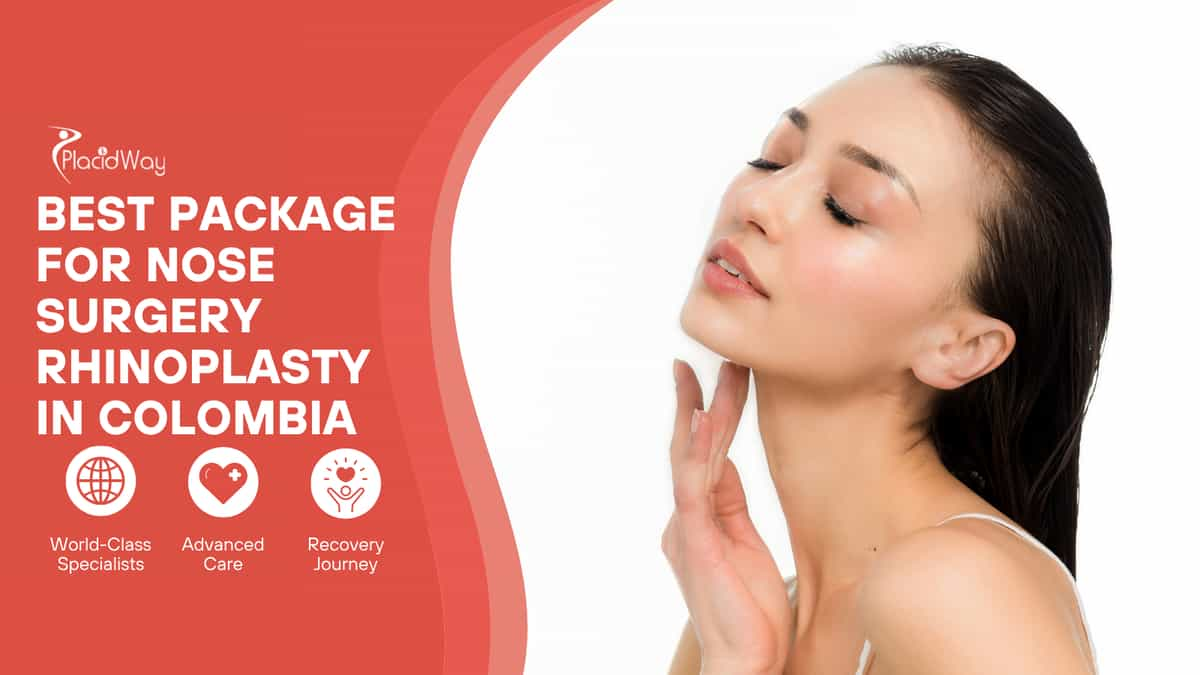
Looking to reshape your nose without entirely reshaping your financial future? A comprehensive rhinoplasty package in Colombia offers international patients a seamless blend of advanced surgical precision and renowned aesthetic expertise, with estimated starting prices around $3,000. Ideal for healthy individuals seeking to correct functional breathing issues or refine facial harmony, this guided healthcare journey typically covers your clinical fees, surgical facility costs, and dedicated post-operative care over a 7 to 10-day stay. Please keep in mind that your final eligibility, treatment plan, and exact pricing will always depend on a personalized medical assessment by a qualified, board-certified specialist.
Essential Insights Before Traveling for Your Procedure
- Estimated Baseline Investment: Comprehensive packages begin at approximately $3,000, offering substantial financial advantages when compared to average healthcare pricing in North America and Western Europe.
- Stringent Quality Standards: Leading Colombian medical facilities frequently maintain accreditations from international bodies such as the Joint Commission International (JCI) or strict national equivalents, ensuring elevated safety protocols.
- Ideal Patient Profile: The safest candidates are non-smokers in solid overall physical health who harbor realistic expectations regarding both cosmetic refinements and functional airway improvements.
- The Surgical Journey: Your experience typically encompasses initial virtual consultations, thorough in-person pre-operative evaluations, the surgical procedure itself, and several days of closely monitored local recovery.
- Vital Travel Preparations: Prospective patients must possess a valid passport, be prepared to submit digital medical records for preliminary review, and plan for an uninterrupted international stay lasting up to two weeks.
How Much Does a Nose Reshaping Journey Cost?
Understanding the financial commitment is a vital step in planning your medical travel. Colombia has emerged as a premier destination not just for its highly skilled surgeons, but also for its accessible healthcare economics. Below is a general cost comparison highlighting why many international patients choose to fly to South America for aesthetic and functional nasal surgery.
While the starting price is attractive, transparency regarding what exactly makes up your clinical bill is essential. The detailed cost breakdown below illustrates the typical components of a surgical package. Please note: This table represents an estimated cost structure; final pricing will be provided only after a specialized medical assessment of your individual anatomy and surgical needs.
What Services Are Included in Your Treatment Plan?
To ensure a smooth experience in a new country, packages are designed to cover the core clinical necessities of your procedure. When you book a standard comprehensive tier, you can generally expect the following items to be fully covered:
- Initial Consultations: Both your preliminary virtual assessment prior to travel and your comprehensive in-person evaluation upon arrival in Colombia.
- Surgical and Facility Fees: Full payment for the primary surgeon, the anesthesiologist, nursing staff, and the use of the fully equipped operating theater.
- Standard Surgical Materials: All sutures, sterile dressings, internal splints, and the external cast applied immediately after the surgery.
- Initial Medical Supplies: First-round postoperative medications, which typically include a basic course of antibiotics and standard pain management pills.
- Post-Operative Appointments: Scheduled follow-up visits with your surgeon to remove the cast, extract external sutures, and monitor early healing progress.
What Expenses Fall Outside the Standard Package?
Transparency is crucial for proper budgeting. While the package covers your medical essentials, certain logistical and supplementary costs remain the responsibility of the traveling patient. Items not typically included are:
- International Travel: Airfare to and from Colombia, as well as any baggage fees or travel visas required by your home country.
- Accommodation and Meals: Hotel stays or recovery house bookings, daily food expenses, and personal room service.
- Specialized Pre-Op Testing: If you have an underlying health condition requiring complex clearance (like specialized cardiac imaging), this incurs an extra fee.
- Travel Medical Insurance: Specialized insurance policies designed to cover unexpected medical travel complications or trip cancellations.
- Extended Prescription Refills: Any medications needed beyond the initial first-week supply provided by the clinic.
Who is an Ideal Candidate for Nose Surgery?
Elective cosmetic surgery is not suitable for everyone. Successful outcomes rely heavily on a patient's physical readiness and psychological perspective. A board-certified surgeon will typically consider you a strong candidate if you align with the following criteria:
- Fully Developed Anatomy: Facial growth must be complete, meaning candidates are generally at least 16 to 18 years of age, ensuring the results remain stable over time.
- Good Physical Health: You have no uncontrolled chronic conditions, such as severe hypertension or bleeding disorders, that could complicate anesthesia or wound healing.
- Committed Non-Smoker: Nicotine aggressively constricts blood vessels, depriving healing tissues of oxygen. Candidates must commit to stopping all nicotine products well before and after surgery.
- Realistic Expectations: You seek improvement and harmony, not absolute perfection or an exact replica of another person's features.
- Specific Concerns: You struggle with documented functional issues (like a deviated septum causing breathing trouble) or specific aesthetic concerns (like a dorsal hump or asymmetrical tip).
Required Documents for Your Preliminary Assessment
Before you ever board a plane, the medical team needs to evaluate your case virtually to ensure safety and confirm that your goals are achievable. You will be asked to securely provide:
- High-Resolution Photographs: Clear, well-lit images of your face from the front, both sides (profiles), and tilting your head back to show the nostrils (basal view).
- Comprehensive Medical History: A detailed form listing any past surgeries, chronic illnesses, and allergies to medications or anesthesia.
- Current Medication List: An exhaustive list of everything you take, including prescription drugs, over-the-counter vitamins, and herbal supplements (some of which increase bleeding risks).
- Previous Operative Notes: If you are seeking a revision rhinoplasty (correcting a previous nose surgery), the operative report from your original procedure is highly valuable.
A Step-by-Step Guide to the Rhinoplasty Procedure
Understanding the mechanics of your surgery can significantly reduce pre-travel anxiety. While every procedure is uniquely tailored to the patient's specific facial architecture, a typical rhinoplasty unfolds through several highly controlled medical steps.
First, the anesthesiologist will administer either intravenous sedation or general anesthesia, ensuring you are entirely asleep and pain-free throughout the operation. Once you are comfortable, the surgeon makes the necessary incisions. Depending on your treatment plan, this will be a "closed" procedure (incisions hidden entirely inside the nostrils) or an "open" procedure (a tiny incision is made across the columella, the narrow strip of tissue separating the nostrils, allowing greater visibility).
Next, the skin covering the nasal bones and cartilages is gently raised, granting access to reshape the underlying structure. The surgeon may remove bone or cartilage to reduce a hump, or they might utilize cartilage grafts (often taken from the septum or occasionally the ear) to build up and refine the nasal tip. If you suffer from a deviated septum, it is straightened during this stage to improve breathing functionality.
Finally, once the underlying structure is sculpted to the desired shape, the nasal skin and tissue are redraped, and the incisions are meticulously closed with tiny sutures. Small internal splints may be placed inside the nose to support the healing septum, and a rigid external cast is applied to protect the new shape and minimize initial swelling as you are moved to the recovery room.
Your Medical Travel and Treatment Timeline
Organization is the key to a stress-free medical journey. Here is a chronological look at what to expect from the moment you begin planning until you head home.
- Weeks Before Travel: You will complete your virtual consultations, finalize your booking, undergo basic local lab tests if required, and arrange your flights and hotel accommodations.
- Day 1 (Arrival): You touch down in Colombia, check into your accommodation, and rest to recover from travel fatigue.
- Day 2 (Pre-Op Consult): You will visit the clinic for an in-depth, face-to-face consultation. The surgeon will physically examine your nose, finalize the surgical plan, and anesthesiology will review your vitals.
- Day 3 (Surgery Day): You arrive at the surgical center fasting. The procedure generally takes 2 to 4 hours. After a few hours in the recovery bay, a companion will escort you back to your hotel to rest.
- Days 4 to 8 (Initial Recovery): You will focus strictly on resting with your head elevated, taking your prescribed medications, and managing localized swelling.
- Day 9 or 10 (Follow-up & Departure): You will return to the clinic to have the external cast and any non-dissolvable sutures removed. Once the surgeon clears you for safe travel, you may catch your flight home.
How Long Must You Stay in Colombia?
Patience is paramount in medical tourism. Rushing to the airport too soon after surgery can pose serious health risks. Patients should plan accordingly based on these clinical milestones:
- Minimum Recommended Stay: Plan for a total trip of 7 to 10 days. This allows adequate time for pre-op meetings, the surgery, and the crucial first week of observation.
- Cast Removal Necessity: You cannot fly with the surgical cast on. The typical timeframe for cast removal is roughly 6 to 7 days post-operation.
- Altitude and Pressure Considerations: Cabin pressure changes during flights can exacerbate swelling and increase bleeding risks. Final travel clearance always depends strictly on the treating physician's assessment of your individual healing progress.
Navigating the Stages of Healing and Aftercare
Healing from nose surgery is not an overnight process; it requires time, proper care, and an understanding of how the body handles surgical trauma. In the immediate Days 1 to 3, you will experience the peak of swelling and likely some bruising around the eyes. You may feel congested, as if you have a severe cold, due to internal swelling. Strict bed rest with your head elevated on several pillows is necessary.
By Week 1, the heavy bruising usually begins to fade to a yellowish hue. This is a milestone week because your cast will be removed. While you will get a first glimpse of your new nose, it will still appear visibly swollen and puffy. You can usually return to light, non-strenuous daily activities at this point.
Throughout Weeks 2 to 4, the vast majority of noticeable swelling dissipates. You will begin to feel much more like yourself and can slowly reintegrate moderate cardiovascular exercise, as cleared by your surgeon. However, the Long-Term recovery takes patience. Micro-swelling, particularly in the nasal tip, can fluctuate for up to 12 to 18 months. Only after a full year passes can the absolute final results of your rhinoplasty be accurately judged.
Understanding the Risks and Possible Complications
All surgical procedures, no matter how routine, carry inherent physical risks. While working with a highly trained, board-certified surgeon in an accredited Colombian facility greatly mitigates these dangers, you must be fully informed before making a medical decision. Please note that this list is not exhaustive, and your physician will discuss your individual risk profile during consultation.
- Infection and Bleeding: Although rare, post-operative bleeding (epistaxis) or localized infections can occur and may require antibiotic intervention or nasal packing.
- Adverse Anesthesia Reactions: Some patients may experience nausea, respiratory issues, or allergic reactions to the medications used during sedation.
- Asymmetry and Aesthetic Dissatisfaction: The human face is naturally asymmetric. Despite the surgeon's best efforts, perfect symmetry is impossible, and minor contour irregularities may persist.
- Functional Breathing Changes: In rare cases, scar tissue formation or the narrowing of the nasal valve could lead to newly developed difficulties breathing through the nose.
- Numbness or Altered Sensation: Temporary numbness of the nasal skin or upper lip is common, but in very rare instances, altered sensation may become permanent.
What Are the Realistic Expectations for Your Results?
Approaching aesthetic surgery with a healthy mindset is critical for long-term satisfaction. The primary goal of nose reshaping is to improve facial harmony and optimize airway function, not to achieve a medically impossible standard of absolute perfection.
- Gradual Improvement: Results are typically obscured by swelling initially. It may take several months before the refined contours become clearly visible to you and others.
- Harmonious Balance: A successful outcome often looks natural, blending seamlessly with your existing cheekbones, chin, and brow structure.
- Variable Healing: Thick skin, previous nasal trauma, and individual cellular healing rates mean that outcomes vary significantly from patient to patient. No ethical surgeon can guarantee a specific look.
Frequently Asked Questions
Is it safe to travel to Colombia for a medical procedure?
Yes, when properly planned. Colombia boasts a highly developed medical tourism infrastructure, particularly in major cities like Bogotá, Medellín, and Cali. Major clinics adhere to strict international hygiene and safety protocols. Choosing verified, board-certified surgeons guarantees you receive care comparable to standards in North America.
Will I require an open or closed rhinoplasty technique?
This is entirely dependent on your anatomical needs. If you require significant tip work or complex structural reshaping, an open approach (with a tiny external incision) provides the surgeon necessary visibility. Minor refinements, such as slight bump removal, can often be accomplished using a closed approach with internal incisions only.
How painful is the immediate recovery process?
Most patients report feeling more discomfort and congestion than sharp pain. The sensation is frequently compared to having a severe sinus cold or head cold. The clinic will provide prescribed pain management medications to keep you reasonably comfortable during the initial 48 to 72 hours when swelling peaks.
When can I safely fly back home after my operation?
You typically need to wait 7 to 10 days before flying. You must have your cast removed and receive a final, in-person clearance from your surgeon. Flying too soon risks severe pain, excessive swelling, and dangerous bleeding due to airplane cabin pressure fluctuations.
Are the structural results of my nose surgery permanent?
Yes, the structural changes made to bone and cartilage are designed to be permanent lifelong adjustments. However, it is important to remember that as you age naturally, the skin and soft tissues of the face (including the nose) will continue to undergo natural, gradual changes over decades.
What happens if I fall ill right before my travel date?
Patient safety is the absolute priority. If you develop a respiratory infection, fever, or severe cold, the surgery must be postponed because it severely complicates anesthesia and breathing. You must contact your clinic immediately to reschedule; this is why having flexible flights and travel insurance is highly recommended.
Can I wear my prescription glasses during recovery?
You can wear glasses while the rigid external cast is on. However, once the cast is removed (usually around week one), you cannot rest the weight of glasses on the bridge of your nose for at least 4 to 6 weeks, as this can dent the healing bone. You will need to tape the glasses to your forehead or switch to contact lenses.
How do I communicate if I do not speak fluent Spanish?
Language barriers are rarely an issue at top-tier clinics catering to medical tourists. The lead surgeons, patient coordinators, and key medical staff are typically fluent in English. Many package options also include bilingual concierge services to assist with logistics, hotel check-ins, and local transportation.
What essential items should I pack for my medical trip?
Pack comfortable, button-down shirts or zip-up tops (so you do not have to pull clothing over your delicate nose). Bring a travel neck pillow to help you sleep upright, dry mouth lozenges (as you will be breathing through your mouth heavily), lip balm, and any daily prescriptions in their original bottles.
Will the surgeon use my own cartilage for reshaping?
Yes, autologous grafts (tissue taken from your own body) are the gold standard for rhinoplasty due to their low infection and rejection rates. Surgeons typically harvest cartilage from your septum. In revision cases where septal cartilage is depleted, they may carefully harvest a small piece from behind the ear or the rib.
Ready to Explore Your Options?
Taking the first step toward a procedure abroad doesn't have to be overwhelming. Connect directly with specialized clinical teams in Colombia for a confidential, no-obligation evaluation of your goals, medical history, and personalized package estimates.
Request Free QuoteMedical Disclaimer: The content on this page is provided solely for general informational and educational purposes and should not be construed as professional medical advice. Always consult directly with a qualified, board-certified physician to discuss your eligibility, risks, and specific surgical needs prior to making any healthcare decisions.
Authoritative Medical References:
- American Society of Plastic Surgeons (ASPS): Overview of Rhinoplasty Procedures
- Mayo Clinic: Rhinoplasty Patient Care, Risks, and Expectations
- MedlinePlus (National Library of Medicine): Medical Encyclopedia - Nose Reshaping Surgery
- Cleveland Clinic: Functional and Cosmetic Rhinoplasty Details
- Centers for Disease Control and Prevention (CDC): Health and Safety Guidelines for Medical Tourism




















Share this listing