






Request a video call
Confirm Your Virtual Consultation
Cell Grand Clinic for Regenerative Wellness Profile Overview
Living With Pain You Were Told to Just Accept? Your Story Doesn’t Have to End There
If you are reading this, you are probably living with something that has not improved as much as you hoped: a painful knee, blood sugar that keeps creeping up, thinning hair, or a sense that your body is aging faster than you are ready for. Perhaps you have been told surgery is the next step, or that there is little more to offer.
Stem cell therapy in Japan can look like a well-regulated middle path. Some of that impression is accurate, and some of it needs careful unpacking. My aim is to help you see both clearly, so that any decision you make is an informed one.
You may be exploring this option because:
- Knee osteoarthritis or chronic joint pain has not responded well to medication, injections or physical therapy.
- You want to delay or avoid a knee replacement or another major operation.
- You are managing type 2 diabetes or prediabetes and hope to rely less on medication.
- You are concerned about memory changes, frailty or cardiovascular aging in yourself or a parent.
- You are looking at cell-based options for skin aging, hair loss or erectile dysfunction.
- Japan’s dedicated regenerative medicine law makes treatment there feel safer than in less regulated destinations.
Questions you may already have asked:
- “Can stem cells regrow cartilage and stop my knee pain without a knee replacement?”
- “Can stem cell therapy lower my blood sugar and help me come off diabetes medication?”
- “Is there a treatment for chronic back pain or sciatica that has not responded to painkillers and injections?”
- “Can stem cells slow memory loss or early Alzheimer’s disease in my parent?”
- “Will stem cell injections regrow thinning hair when minoxidil and finasteride have stopped working?”
- “Is there a lasting fix for erectile dysfunction that does not rely on daily pills?”
Understanding What Brings You to Regenerative Medicine
People rarely arrive at stem cell therapy on a whim. Usually there is a long story behind the search. Seeing that story laid out can help you separate what you truly need from what marketing suggests you need.
What You May Be Experiencing
- Knee pain that worsens on stairs, after walking or when you stand up.
- Blood sugar readings that stay high despite medication and diet changes.
- Low energy, slower recovery and a general sense of physical decline.
- Visible skin aging or progressive hair thinning.
- Worry about memory, or about a family history of dementia.
How It May Be Affecting Your Daily Life
- You have stopped sports, long walks or travel you once enjoyed.
- Pain is disturbing your sleep and your mood.
- Managing medications and appointments feels like a second job.
- Changes in appearance or sexual function are affecting your confidence.
- You feel you are running out of time to act.
What You May Have Already Tried
- Pain relievers, anti-inflammatories and weight management.
- Physical therapy, bracing or activity changes.
- Steroid, hyaluronic acid or PRP injections.
- Several diabetes medications, or insulin.
- Topical or oral hair-loss treatments and cosmetic procedures.
- Supplements marketed for longevity or “cellular health.”
What Often Leads People to Consider Stem Cell Therapy
- A surgeon recommends joint replacement and you want to explore other options first.
- Friends or online stories describe dramatic improvement.
- The appeal of using your own cells rather than a drug.
- Japan’s reputation for medical precision and regulation.
- Cultured cell therapy is not available as routine care in your home country.
- A wish to invest in healthy aging while you still feel well.
Questions You Deserve Clear Answers To
- Am I likely to benefit, based on my own scans, blood tests and history?
- Which specific government-notified treatment plan would my treatment fall under?
- What happens if I have a reaction after I have flown home?
- What does the evidence show for my condition, not for stem cells in general?
- Am I giving up or delaying a proven treatment by choosing this?
- What will I have spent in total, including repeat sessions and two trips?
Are You a Candidate for Stem Cell Therapy at Cell Grand Clinic?
There are no universally agreed candidacy criteria for commercial stem cell therapy, because for most conditions it is still under study. That means your suitability rests on a careful individual review, and on you understanding exactly what kind of evidence stands behind the treatment you are offered.
What current regulator and professional guidance says:
- The US Food and Drug Administration warns that stem cell, fat-derived cell and exosome products used outside approved uses or supervised clinical trials have not been shown to be safe and effective, and it has received reports of blindness, tumor formation and infections.
- The International Society for Stem Cell Research advises caution when one clinic treats many unrelated conditions with the same cells, relies on patient testimonials as proof, or charges high fees for treatment that is not yet proven.
- For knee, hip and hand osteoarthritis, the 2019 American College of Rheumatology and Arthritis Foundation guideline strongly recommends against stem cell injections, citing inconsistent preparations and a lack of standardized evidence.
A responsible medical team should also review:
- A recent medical summary with your confirmed diagnosis and its severity.
- Recent imaging, such as knee X-rays or MRI graded for osteoarthritis stage.
- Blood tests from the last three months, including HbA1c if you have diabetes.
- Your full history of cancer, including screening that is due or overdue.
- Any history of blood clots, clotting disorders or blood-thinning medication.
- Heart and lung fitness for two long-haul flights within about two months.
- Every medication and supplement you take, and all previous cell or PRP treatments.
Your treatment may need to be postponed if:
- You have active cancer or an unexplained finding still under investigation; the clinic lists active cancer as a reason treatment may not be offered.
- You have an active severe infection or HIV, which the clinic also lists as possible exclusions.
- You have had a recent blood clot, stroke or heart attack, or your heart, lung or blood sugar control is unstable.
- You are pregnant, breastfeeding or planning pregnancy in the near term.
Important: The clinic’s own pricing information states that its treatments are self-funded care provided under notified regenerative medicine plans, that they are not an approved standard therapy for the conditions treated, and that no result can be guaranteed. In Japan, “notified” means a treatment plan was reviewed by a certified committee and submitted to the health ministry. It does not mean the ministry has confirmed the treatment works.
Is Cell Grand Clinic Right for You?
Cell Grand Clinic may suit you if you have exhausted conventional options, understand that you are paying for a promising but unproven treatment, and value a physician-scientist who consults in English and publishes his treatment plans in the government registry. It is a weaker fit if you are hoping for a guaranteed result, if a proven treatment is still available to you, or if the cost of repeat sessions would strain your finances. I would treat the online consultation as a genuine screening step, not a formality.
Quick Summary
- Location: One outpatient clinic in Shinsaibashi, central Osaka.
- Focus: Cultured autologous fat-derived stem cells, plus PRP, fibroblast and NK cell treatments.
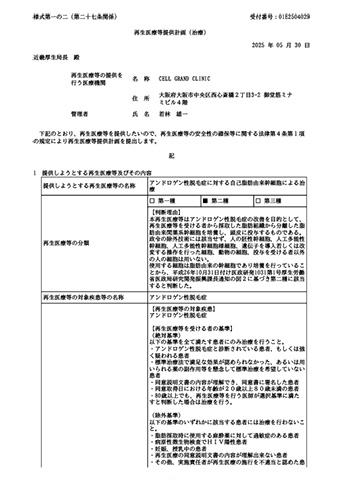
- Regulatory filings: 15 plans (12 Type II, 3 Type III) appear in Japan’s public regenerative medicine registry.
- Prices: From JPY 2,970,000 (about US$19,800) per session of 100 million cells.
- Key decision: Is the evidence for your specific condition strong enough to justify the cost and two trips?
About Cell Grand Clinic in Osaka
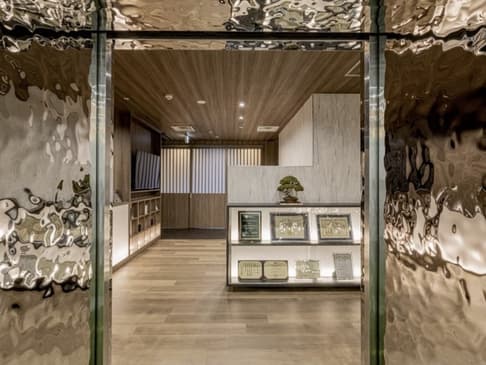
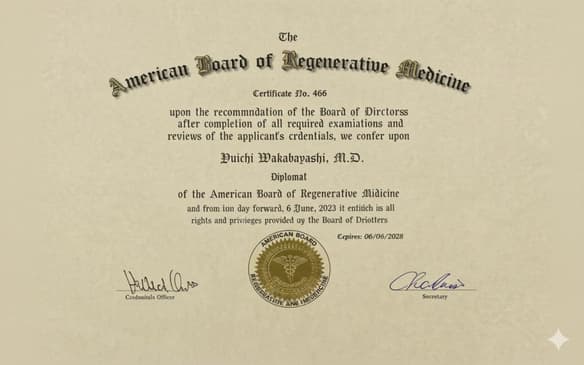
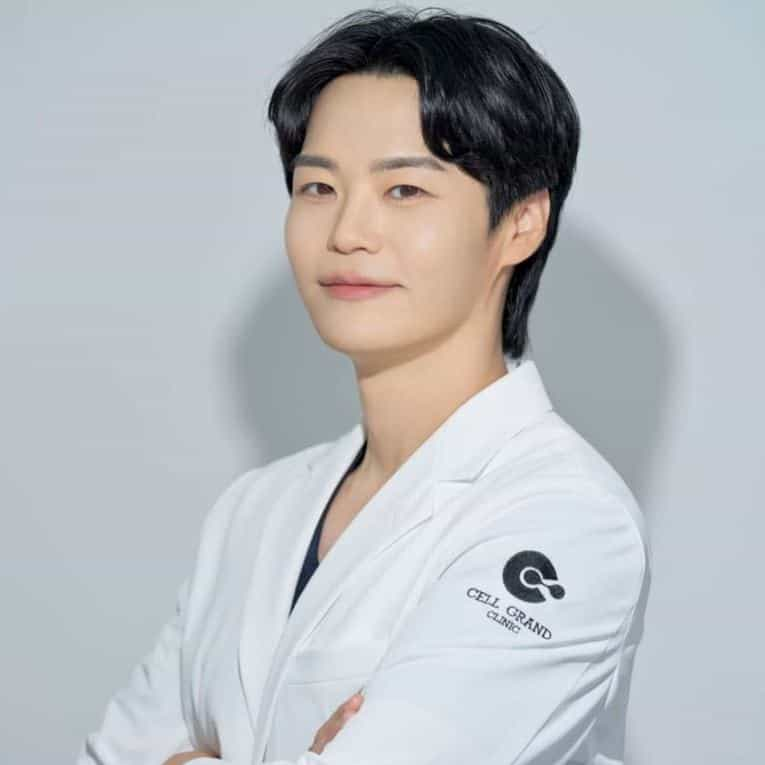
Cell Grand Clinic is located on the 4th floor of the Midosuji Minami Building, 2-3-2 Nishishinsaibashi, Chuo-ku, Osaka 542-0086, about a five-minute walk from Shinsaibashi Station. It opened in March 2025 and is led by its founder and medical director, Dr. Yuichi Wakabayashi, M.D., Ph.D., who is named as the clinic’s administrator in Japan’s public registry of regenerative medicine treatment plans. The clinic reports treating patients from around 20 countries.
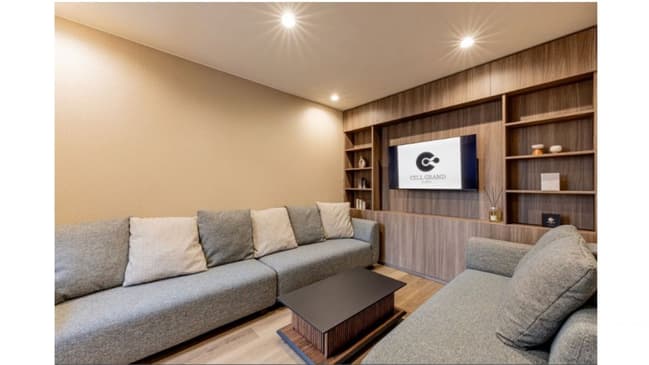
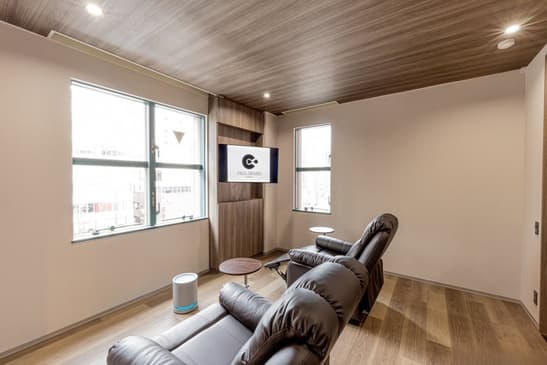
The clinic does not culture cells on site. It reports that your cells are processed at an external, licensed cell processing center, stopped at the third passage, checked for the mesenchymal markers CD73, CD90 and CD105, and released at about 98% viability. It is also worth knowing what the facility is not: this is a comfortable private outpatient clinic, not a hospital. That matters to you, because a serious reaction would need to be handled by a hospital nearby.
| Key fact | What is confirmed | What you should verify |
|---|---|---|
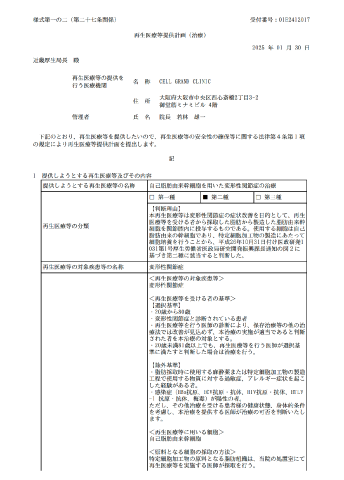
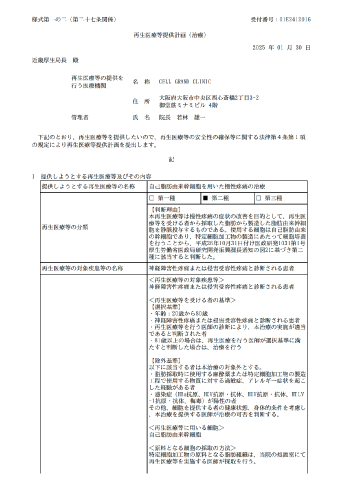
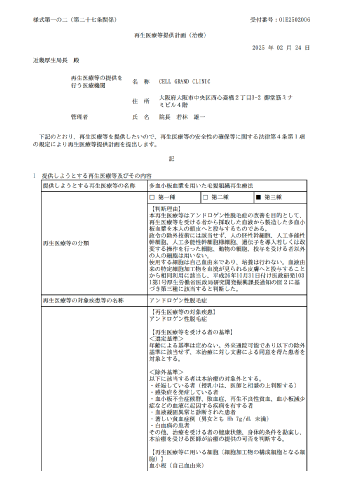
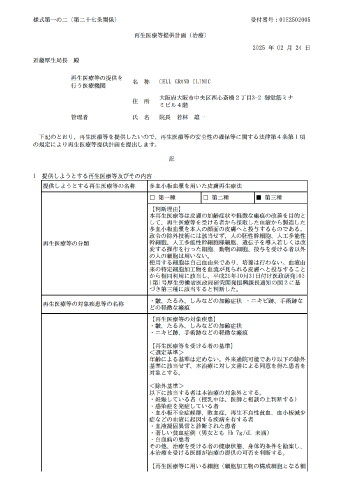
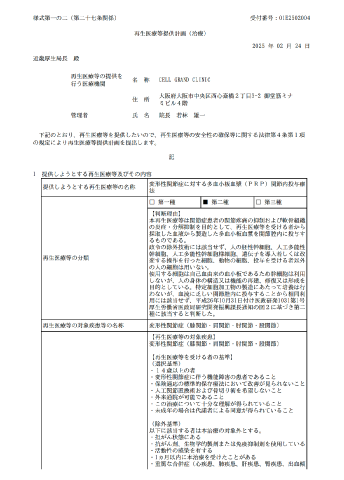
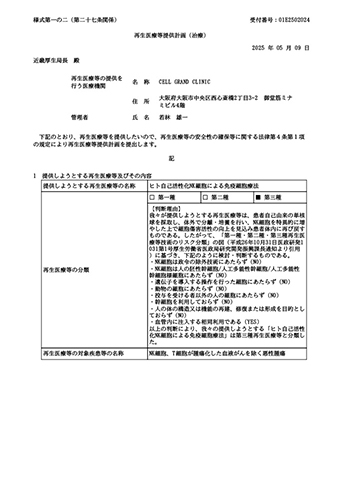
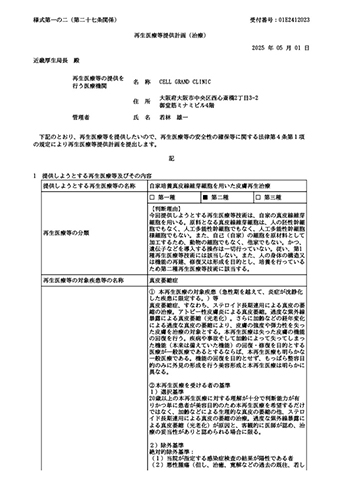
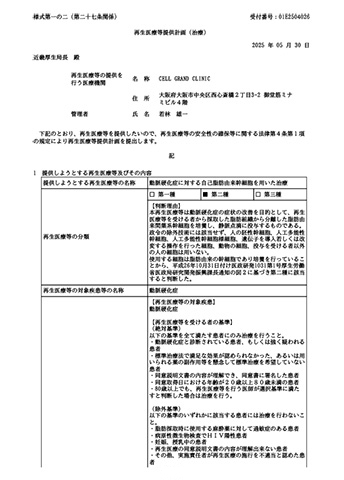
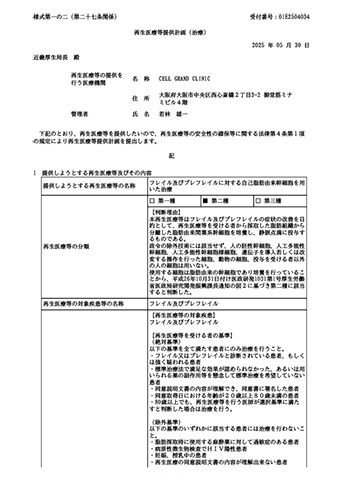
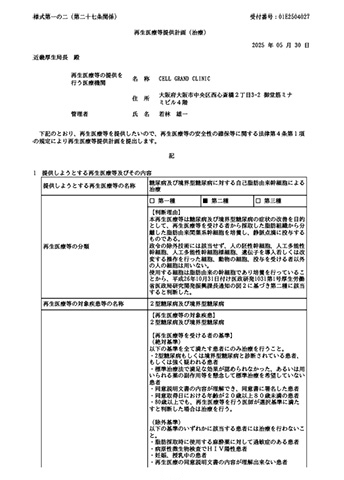
| Notified treatment plans | Japan’s health ministry registry lists 12 Type II plans and 3 Type III plans under CELL GRAND CLINIC at this address, with Dr. Wakabayashi as administrator. | Ask for the plan number and consent document that cover your exact condition. If your condition is not among the 15 plan titles, ask how it could lawfully be treated. |
| Committee review | Most plans were reviewed by the JSCSF regenerative medicine committee; the others by three different certified committees, according to the registry. | Committee review checks the plan’s safety and structure. It is not a clinical trial, so ask what outcome data the clinic itself has collected. |
| Cell processing | The clinic reports an external licensed processing center, individual culture (never pooled), passage 3, and testing for sterility, mycoplasma and endotoxin. | Ask for the processing center’s name and licence number, and a copy of the release test results for your own batch. |
| International access | English consultations with Dr. Wakabayashi. The clinic states it is a member of Medical Excellence JAPAN (MEJ); I could not confirm this in MEJ’s own public materials. | MEJ is an industry association that promotes Japanese healthcare abroad, not a clinical accreditation body. Ask for documented evidence if membership influences your choice. |
| Emergency capability | Outpatient setting with observation after cell administration. No published hospital transfer arrangement. | Ask which hospital would receive you for anaphylaxis or a suspected blood clot, and who pays for that care. |
Government notification of a treatment plan and membership of any association do not guarantee safety or results. Japanese media reported patient deaths in 2025 and 2026 after fat-derived cell treatments at other providers operating under the same legal framework, and the health ministry is considering tighter rules.
Stem Cell and Regenerative Treatments Offered at Cell Grand Clinic
This table is here to help you compare what the clinic offers and where the evidence is thin. It is not a recommendation for any specific treatment. The plan titles below match those in Japan’s public registry; the plan numbers are as the clinic states them.
| Option | Conditions treated | When it may be considered |
|---|---|---|
| Joint and pain programs Type II: PB5240090, PB5260009, PB5240089, PB5250010 |
Osteoarthritis, knee joint disorders, chronic pain; PRP joint injection for osteoarthritis. | Moderate osteoarthritis with persistent pain after conservative care, when you want to postpone surgery. |
| Metabolic and vascular programs Type II: PB5250050, PB5250051 |
Type 2 diabetes and prediabetes; arteriosclerosis. | Usually alongside, not instead of, standard diabetes and cardiovascular care. |
| Frailty and cognitive programs Type II: PB5250049, PB5260030 |
Frailty and pre-frailty (marketed as anti-aging); Alzheimer’s disease. | When you or a family member want to explore options beyond current medication, with realistic expectations. |
| Skin and hair programs Type II: PB5250055, PB5250028, PB5250047 · Type III: PC5250008, PC5250007 |
Wrinkles and sagging, dermal fibroblast skin regeneration, androgenetic alopecia; PRP for skin and hair. | When standard cosmetic or hair-loss treatments have not met your goals. |
| Erectile dysfunction program Type II: PB5250048 |
Erectile dysfunction. | After cardiovascular causes have been assessed and standard treatments tried. |
| NK cell immunotherapy Type III: PC5250041 |
Registry title: immune cell therapy using your own activated NK cells. The clinic markets it for cancer risk reduction. | Occasionally requested for immune support or as a preventive add-on. |
Cell Sources, Add-Ons and Delivery Routes
| Product or route | What the clinic reports | What I would ask |
|---|---|---|
| Cultured autologous fat-derived stem cells | Collected by mini-liposuction under local anesthesia, cultured for about seven weeks, 100–200 million cells per session. | Is my quote for 100 or 200 million cells, and how many sessions are planned? |
| Intravenous infusion | 60–90 minutes, followed by observation. Used for systemic plans such as diabetes and frailty. | What monitoring is done for clots and allergic reactions, and for how long? |
| Local or joint injection | Used for knee, scalp, skin and ED plans, under local anesthesia where needed. | Is the injection image-guided, and who performs it? |
| Exosome (culture supernatant) therapy | Offered the same day as fat collection; derived from donor stem cells from healthy Japanese individuals, according to the clinic. | This is not your own material and does not appear among the 15 plan titles. Ask what regulates it, how donors are screened, and whether it is optional. |
| Cell banking and NMN infusions | Surplus cells can be frozen for later sessions; NMN intravenous drips are offered as an add-on. | What are the annual storage fees, and what evidence supports NMN infusions for my goals? |
Meet the Medical Team at Cell Grand Clinic
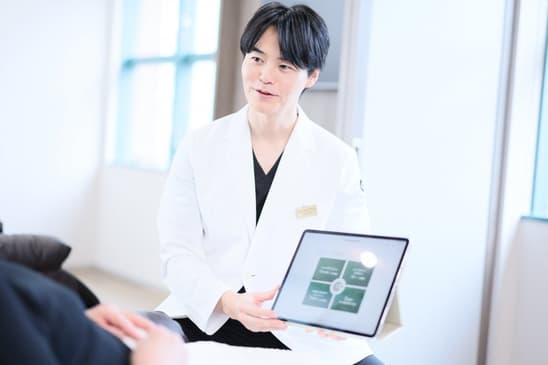
Cell Grand Clinic is built around a single physician. That brings continuity, but it also means you should confirm in writing who will collect your tissue, who will administer your cells, and who is responsible for your care if Dr. Wakabayashi is unavailable.
What I Recommend You Verify Before Paying
- The plan number, title and Japanese consent document for your condition, checked against the health ministry registry.
- The name and licence number of the cell processing center, and your batch release test results.
- The exact cell count, route and number of sessions in your written quote.
- Who performs each step, and the name of the hospital used for emergencies.
- Whether exosome, PRP or NMN add-ons are optional and separately priced.
- The refund policy if your cells fail quality testing or you become unfit to travel.
Patient Stories: What They Can and Cannot Tell You
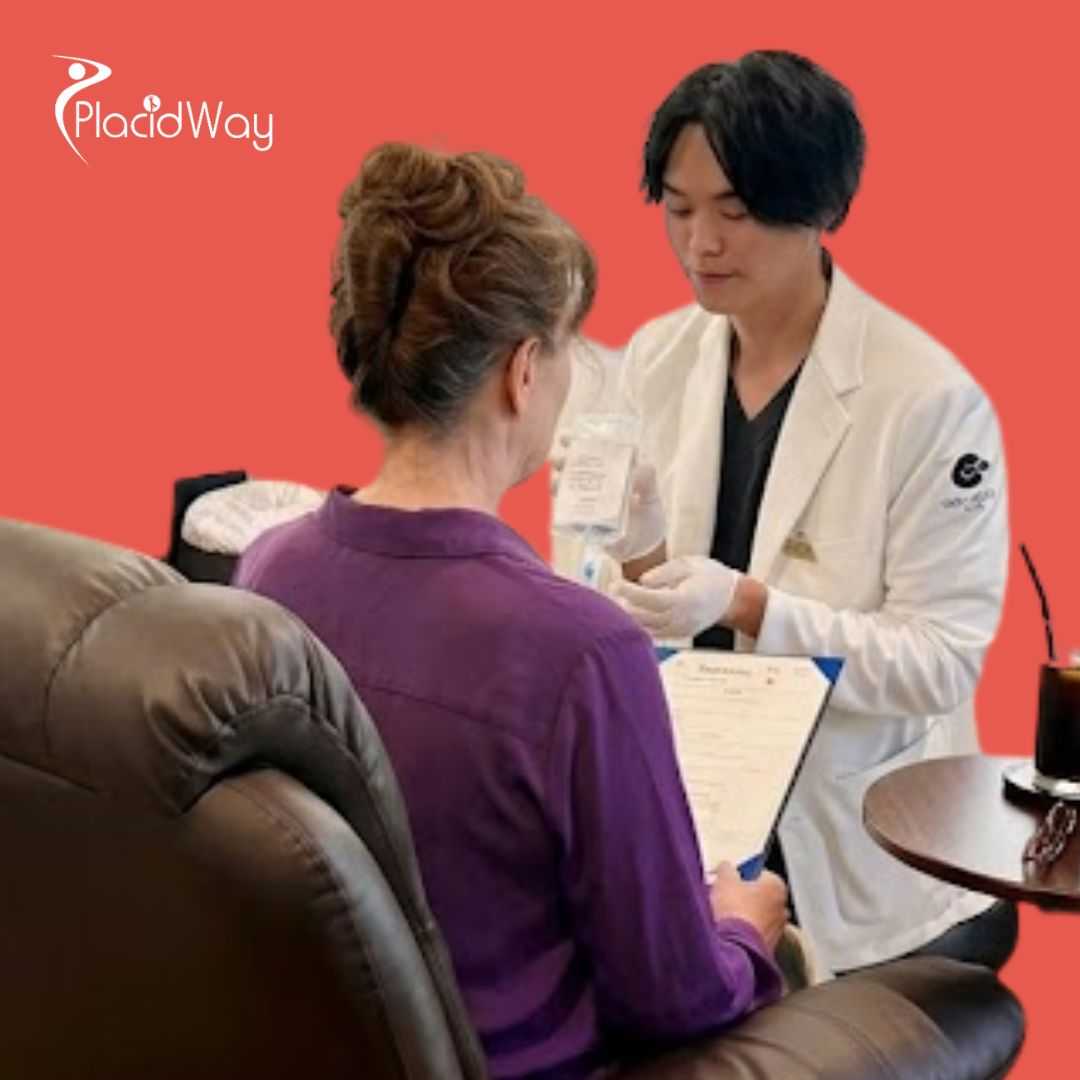
Patients who shared their experiences with Cell Grand Clinic describe encouraging changes. A traveler from Dubai reports knee pain falling from about 9 out of 10 to 1–2 out of 10 five months after treatment. A couple from Singapore describe improvement in lower back pain and long-standing sciatica. Others report stopping or nearing the end of diabetes medication, more hair volume two months after scalp injections, and better energy and skin. Several mention feeling reassured that the doctor spoke English.
These stories are sincere and worth hearing. But they cannot tell you how many patients did not improve, whether the change would have happened anyway, or how long it will last. Pain naturally fluctuates, and expectation alone can reduce it. People who travel for treatment often change their diet, exercise or medication at the same time, which makes blood sugar results especially hard to attribute.
Important: If you have diabetes, any reduction in medication must be managed by your own doctor with regular monitoring. Stopping medication because you feel better can be dangerous.
Understanding the Risks, Evidence and Your Long-Term Responsibilities
Let me be direct with you about evidence. For most conditions Cell Grand Clinic treats, cultured fat-derived stem cells remain investigational: early studies exist, but large controlled trials proving lasting benefit do not. The clinic’s own peer-reviewed knee paper describes one patient. That is useful documentation, but it cannot predict your result. The clinic itself lists pain, bruising or infection at the collection site, fever or fatigue after infusion, allergic reaction and, rarely, blood clots after intravenous treatment.
| Time period | Potential concerns | Questions to ask |
|---|---|---|
| Procedure day | Pain, bruising or bleeding at the fat collection site; reactions to local anesthetic; fainting; allergic reaction during infusion; joint swelling after injection. | What emergency drugs and equipment are on site, and how long will I be observed? |
| First days to weeks | Fever, fatigue or headache; infection at the collection or injection site; rare blood clots, with extra clot risk from long flights soon after treatment. | How soon can I fly, and should I take clot-prevention measures? Who do I contact at night from abroad? |
| Long term | Benefits that fade; recommended yearly maintenance infusions; unknown long-term safety of cultured cells; delay of proven treatment while waiting to see results. | What does the clinic record about outcomes at one year, and when would you advise me to stop and pursue conventional care? |
Seek urgent medical care if you develop chest pain, sudden breathlessness, a painful swollen leg, high fever with chills, spreading redness or pus at a treatment site, a severe headache or stiff neck, confusion, sudden vision changes, weakness or numbness on one side, difficulty speaking, or swelling of the lips or throat. Tell the treating team that you recently received cell therapy.
Your Stem Cell Therapy Journey, Step by Step
Cell Grand Clinic’s process involves two short trips to Osaka about seven weeks apart, with consultation and follow-up done remotely. Here is how I suggest you move through each stage.
Starting Point
Get Clear on Your Diagnosis
Ask your own doctor to confirm your diagnosis and its severity, and to list the proven options you have not yet tried.
Initial Research
Match Your Condition to a Registered Plan
Check that a Cell Grand Clinic plan covering your condition appears in the health ministry registry, and read independent guidance from the FDA and ISSCR.
Before Travel
Gather Your Medical Records
The clinic asks for recent medical records, blood tests from within three months, relevant MRI or X-rays, and a list of all medications and supplements.
Clinical Review
Attend the Online Consultation
A 60-minute video consultation with Dr. Wakabayashi costs JPY 55,000 (about US$370), credited toward treatment if you proceed. You should receive a suitability assessment, a proposed plan and a written quote.
Decision Stage
Weigh the Plan With Your Own Doctor
Review the consent document, the risks and the full cost with your home physician. There is no obligation to proceed after the consultation.
Planning Stage
Book Two Trips About Seven Weeks Apart
The clinic recommends about three days in Osaka for each visit. Check entry requirements and buy travel insurance that covers treatment-related complications if possible.
Arrival in Osaka
First Visit: Screening and Fat Collection
Expect an in-person consultation, blood screening including infectious-disease tests, and fat collection under local anesthesia, taking about half a day. Your cells then go to the processing center.
Treatment
Second Visit: Cell Administration
About seven weeks later, your cultured cells are given by intravenous infusion or local injection over 60–90 minutes, followed by observation. Ask to see the batch release results before administration.
Early Recovery
Rest, Hydrate and Watch for Warning Signs
Keep the first day or two light, stay well hydrated, and follow the clinic’s instructions on activity. Do not board your flight if you feel unwell.
After Returning Home
Track Results Objectively
Follow-up with Dr. Wakabayashi is scheduled at 1, 3 and 6 months. Share your treatment records with your own doctor, and track measurable outcomes such as pain scores, walking distance or HbA1c.
Travel-safety reminder: Long flights raise the risk of blood clots. Walk the aisle regularly, flex your calves, stay hydrated, and ask your doctor whether compression stockings are appropriate, especially after an infusion.
What Stem Cell Therapy at Cell Grand Clinic Really Costs
The figures below are the clinic’s published starting prices. They are estimates, not guaranteed prices: the clinic bills in Japanese yen, US dollar amounts shift with the exchange rate, and your final quote depends on your condition, cell count and number of sessions.
| Treatment | Starting price | What the clinic says is included | Notes |
|---|---|---|---|
| Online consultation 60-minute video call |
JPY 55,000 (about US$370) | Suitability assessment, proposed plan and written quote. | Fully credited toward treatment if you proceed. |
| Autologous stem cell therapy Per session, 100 million cells |
JPY 2,970,000 (about US$19,800) | First-visit consultation and blood screening, fat collection, culture and quality testing, exosome or PRP on the first visit per plan, cell administration, follow-up at 1, 3 and 6 months. | Excludes flights, accommodation, travel insurance, visa fees and anything not in your quote. |
| Condition-specific programs Knee OA, diabetes, hair loss, ED, facial rejuvenation, longevity |
From US$19,800 each | Fat harvesting, blood tests, consultation and diagnosis, stem cell therapy, monthly follow-up. | Final price depends on your condition and plan. |
| Stem Cell × Fibroblast GOLD program Skin and anti-aging |
From US$19,800 | Consultation, tissue collection, cell culture and expansion, multiple injection sessions, medical team support. | Airfare, hotel, meals, personal expenses and travel insurance excluded. |
| Stem Cell + NK Cell program Immune-focused combination |
From US$26,000 | Clinic estimate: consultation $1,200; lab tests $2,000; stem cell processing $8,000; NK cell processing $6,500; administration $5,000; follow-up $3,300. | Extra tests, repeat sessions, companion costs and emergency care excluded. |
The clinic compares its US$19,800 programs with its own estimates of US$38,500 in the United States, US$34,200 in the United Kingdom, US$31,800 in Germany and US$29,500 in Canada. Treat these as the clinic’s marketing estimates: culture-expanded stem cell treatment of this kind is generally not an approved, legally marketed option in the United States, so there is no like-for-like home price to compare. Remember too that two trips and possible yearly maintenance sessions can multiply the total.
What Your Quote Should Clearly Include
| Cost area | Confirm as included or excluded | Why it matters |
|---|---|---|
| Cell count and sessions | Whether the price covers 100 or 200 million cells, and one session or several. | The base price is quoted for 100 million cells; higher doses or repeat sessions change the total. |
| Same-day add-ons | Exosome, PRP, NMN infusions and cancer or aging blood tests. | These are offered during your visit and can add substantially to your bill. |
| Follow-up schedule | Monthly follow-up or follow-up at 1, 3 and 6 months, and for how long. | The clinic describes both schedules in different places; get the one that applies to you in writing. |
| Cell banking | Freezing of surplus cells, annual storage fees and thawing costs. | Storage can become an ongoing cost if you plan maintenance sessions. |
| Complications and cancellations | Hospital care for complications, failed cell culture, and refunds if you cannot travel. | Standard travel insurance often excludes elective treatment abroad. |
Before you pay any deposit, I recommend requesting a written, itemized estimate in yen that names your cell count, sessions, add-ons, follow-up schedule and cancellation terms.
Getting There
Fly into Kansai International Airport (KIX). The clinic estimates about 50 minutes from the airport, and a five-minute walk from Shinsaibashi Station (Exit 7) or Namba Station (Exit 25) on the Midosuji Line.
Entry and Currency
Many nationalities can enter Japan visa-free for short stays, and Japan also offers a visa for medical stays; check with your nearest Japanese embassy. Payment is in Japanese yen, so allow for exchange-rate movement.
Language and Support
Dr. Wakabayashi consults in English, and the clinic reports English consent forms and aftercare instructions. Outside the clinic, a translation app will help with daily travel.
Frequently Asked Questions About Stem Cell Therapy at Cell Grand Clinic
What treatments can I receive at Cell Grand Clinic?
You can receive cultured stem cells from your own fat for osteoarthritis and knee disorders, chronic pain, type 2 diabetes and prediabetes, arteriosclerosis, frailty, Alzheimer’s disease, skin aging, hair loss and erectile dysfunction. The clinic also offers dermal fibroblast therapy, PRP for joints, skin and hair, and NK cell immunotherapy, which together make up its 15 registered plans.
Is stem cell therapy proven to work for my condition?
For most of these conditions, no. Early studies and individual reports exist, but large controlled trials proving lasting benefit do not. The clinic itself states its treatments are not an approved standard therapy and that outcomes vary. I recommend asking what results the clinic has recorded for patients like you.
Is Cell Grand Clinic legally allowed to provide stem cell therapy in Japan?
Yes. Japan’s health ministry registry lists 12 Type II and 3 Type III regenerative medicine plans under CELL GRAND CLINIC, with Dr. Yuichi Wakabayashi as administrator. You can check the plan for your condition yourself in the public registry before committing.
Does government notification or association membership guarantee my safety?
No. Notification means a certified committee reviewed the plan before it was submitted to the ministry; it does not confirm the treatment works or rule out complications. Medical Excellence JAPAN is an industry association, not a clinical accreditor. Deaths have been reported after fat-derived cell treatments at other Japanese providers, so you still need to ask detailed safety questions.
Who will actually treat me?
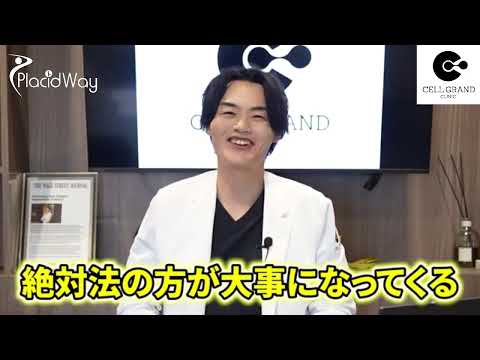
Dr. Yuichi Wakabayashi, M.D., Ph.D., a Kobe University–trained radiologist and nuclear medicine physician with NIH research experience, leads the clinic and conducts consultations and follow-up in English. No other physicians are named publicly, so ask in writing who performs your fat collection and cell administration.
How much does it cost, and how long will I stay in Osaka?
Treatment starts from JPY 2,970,000 (about US$19,800) per session of 100 million cells, after a JPY 55,000 online consultation that is credited if you proceed. You will need two trips about seven weeks apart, and the clinic suggests planning about three days in Osaka each time.
Will insurance cover it, and what follow-up will I receive?
You should expect to pay yourself; the clinic describes treatment as self-funded and not covered by insurance. Follow-up with Dr. Wakabayashi is offered at 1, 3 and 6 months by email or video. I recommend also arranging monitoring with your own doctor at home.
What should I ask about complications before I pay?
Ask which risks apply to your treatment route, how long you will be observed, which hospital would treat a serious reaction, who pays for that care, how to reach the clinic urgently from abroad, and whether you are refunded if your cells fail testing or you become unfit to travel.
Ready to Explore Whether Stem Cell Therapy Is Right for You?
If you would like an informed opinion on whether Cell Grand Clinic’s approach fits your condition, share your recent medical records, imaging and blood tests for a personalized review. You will get clear answers about suitability, the evidence and likely costs before you make any commitment to travel.
Request Your Personalized ReviewMedical Disclaimer
This information is for education only and is not medical advice, diagnosis or a treatment recommendation. Stem cell, exosome, PRP, fibroblast and NK cell treatments described here are, for most conditions, investigational and not approved standard therapies; results vary and cannot be guaranteed. Do not stop or change any medication, especially for diabetes or heart disease, without your own physician. Prices, regulatory status and clinic details can change, so confirm everything directly with the clinic and discuss any decision with a qualified doctor who knows your medical history.
References and Verification Sources
- Cell Grand Clinic — Treatments, notified plans and medical director
- Cell Grand Clinic — Stem cell therapy pricing, inclusions and risks
- Cell Grand Clinic — Condition-specific treatment prices and inclusions
- Japan Ministry of Health, Labour and Welfare — Registry of notified Type II regenerative medicine plans (Japanese)
- US FDA — Important patient and consumer information about regenerative medicine therapies
- International Society for Stem Cell Research — Patient guide to evaluating stem cell treatments
- American College of Rheumatology and Arthritis Foundation — 2019 osteoarthritis management guideline
- Kyodo News via Japan Today — Japan weighs tighter rules as regenerative medicine treatments spread
Cell Grand Clinic Profile
Cell Grand Clinic Treatment Packages

Cell Grand Clinic Doctor
Cell Grand Clinic Videos
Patient Testimonials
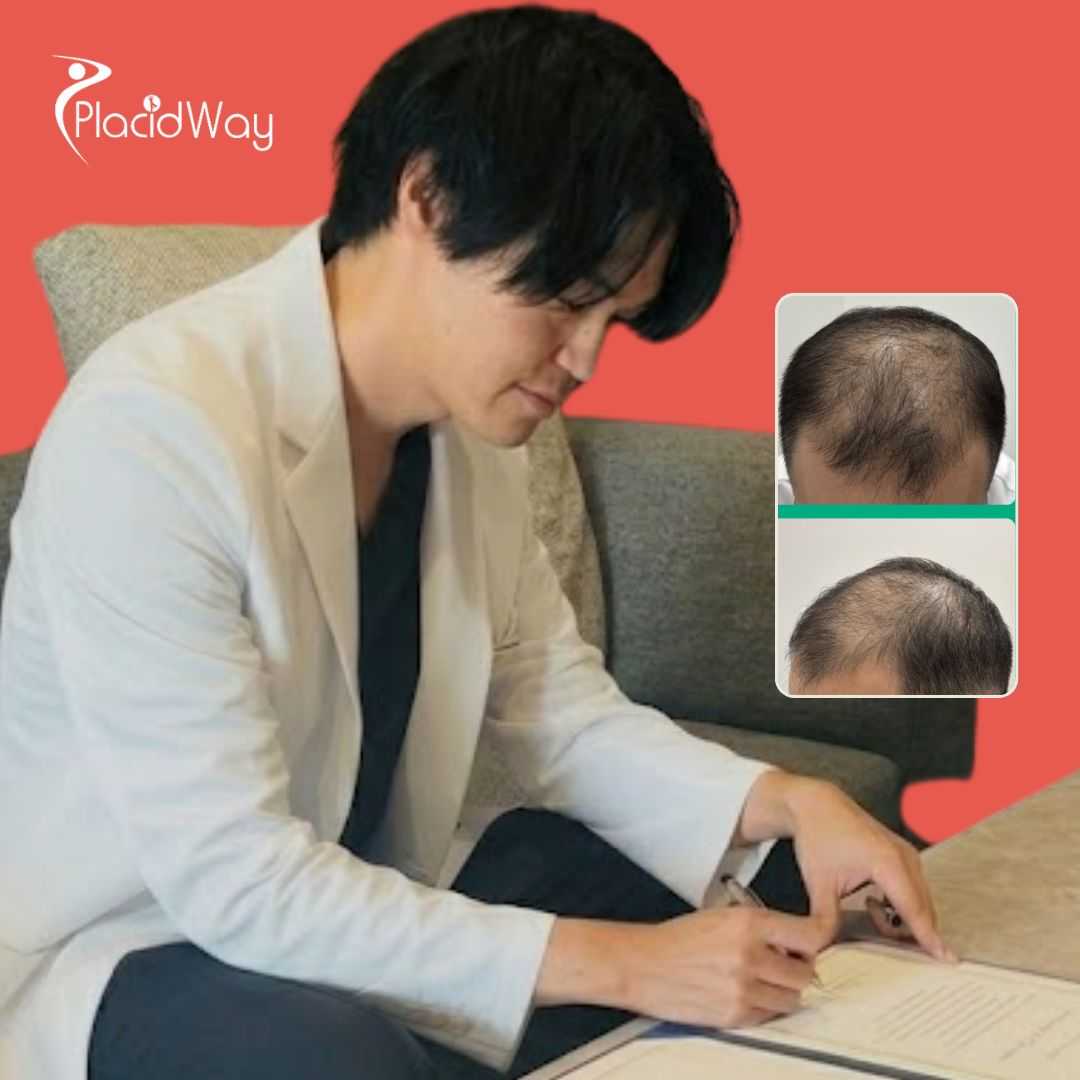


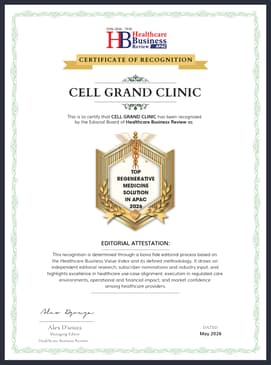
Cell Grand Clinic for Regenerative Wellness Certificates
Location

About Medical Center
- Speciality: Anti Aging,Chronic Diseases,stem cell therapy for longevity
- Location: 4F, Midosuji Minami Building (FENDI Bldg.), 3-2, Nishishinsaibashi 2-chome, Chuo-ku, Osaka 542-0086 , Osaka ?542-0086 , Japan
- Overview: Explore Cell Grand Clinic in Japan, a leading stem cell clinic offering advanced regenerative therapies for anti-aging, chronic conditions, and overall wellness.






















Share this listing