
What treatment


4+ Top Rated Clinics for SLE Systemic Lupus Erythematosus in Beijing, China
Trusted Medical Tourism Platform Since 2007
What are the best CAR-T cell therapy clinics for SLE Systemic Lupus Erythematosus in Beijing, China?
The leading medical centers for these treatments are Beijing Bioocus Medical Group, Beijing Jingdu Children's Hospital, Hebei Yanda International Hospital, International Hospital of Peking University, and Lu Daopei Hospital.
These JCI-accredited and NMPA-compliant facilities specialize in advanced cellular immunotherapy, offering targeted procedures such as CAR-T cell therapy, NK cell therapy, biological therapies, and stem cell transplantation. Comprehensive treatment packages range from $18,000 to $300,000 USD, providing patients with precise diagnostics and personalized gene therapies for complex autoimmune disorders and hematology cancers.
 100.00% Patient Recommend
Beijing Bioocus Medical Group


Overview
Discover most advanced gene therapy and car-t therapy at Beijing Bioocus Medical Group in Beijing, China. Innovative treatments for various medical conditions. Learn more now!
Read more details

.png)
Beijing Jingdu Children Hospital: Advanced Pediatric Care & CAR T-Cell Therapy
Overview
Beijing Jingdu Children's Hospital leads the world in CAR T-cell therapy for pediatric leukemia, offering hope to children with relapsed or refractory leukemia.
Read more details
Hebei Yanda International Hospital
Overview
Hebei Yanda International Hospital in Beijing, China, addresses your healthcare needs with expert oncology, cardiology, and neurology treatments.
Read more details
International Hospital of Peking University
Overview
Peking University International Hospital in Beijing offers top multispecialty care, including surgery, cancer treatment, orthopedics, dentistry, and more.
Read more detailsDiscover your treatment options with a free, no-obligation quote!
Get your quote now!
Lu Daopei Hospital - Cancer Treatment in China
Overview
Lu Daopei Hospital in China offers advanced CAR-T Cell Therapy, Bone Marrow Transplantation, and treatments for various blood cancers and immune disorders.
Read more details
Jiahui International Hospital | CAR-T Cell Therapy in China
Overview
Get advanced CAR-T cell therapy in Shanghai, China at Jiahui International Hospital for leukemia, lymphoma, and multiple myeloma.
Read more details
Boao International Medical Center in Hainan, China
Overview
Explore Boao International Medical Center, a multispecialty hospital in Hainan, China, offering expert care, advanced treatments, and international patient services.
Read more details
Kanglin Biotec - Gene Therapy Center in China
Overview
Kanglin Biotec provides cutting-edge Gene Therapy China with advanced platforms, innovative research, and patient-focused treatments in Hangzhou, China.
Read more detailsDiscover your treatment options with a free, no-obligation quote!
Get your quote now!
XinHongqiao Henuo Branch in Shanghai, China
Overview
Visit XinHongqiao Henuo Branch Hospital in Shanghai, China for health screening, endoscopy, gynecology, urology, and specialist care.
Read more details
Authored by
Rizal Aditya
Rizal Aditya Oncology & Immunotherapy Content Specialist A highly accomplished clinical content writer with 5 years of experience and over 1500+ authored articles in the healthcare sector. Rizal specializes in delivering expert, evidence-based insight

Reviewed by
Dr. Orhan Sencan
Consult with Dr. Orhan Sencan, a leading oncologist in Istanbul, Turkey, specializing in cancer treatment, immunotherapy, and personalized care for cancer patients.
Last updated on
Which are the top clinics for SLE Systemic Lupus Erythematosus and CAR-T Cell Therapy in Beijing, China?
Beijing is home to several esteemed medical facilities specializing in advanced treatments for SLE (Systemic Lupus Erythematosus) and CAR-T Cell Therapy. Notable institutions in Beijing include Beijing Bioocus Medical Group, Hebei Yanda International Hospital, International Hospital of Peking University, and Lu Daopei Hospital. These centers are recognized for their expertise in innovative therapies, comprehensive patient care, and a commitment to utilizing cutting-edge medical technologies for complex autoimmune and oncological conditions. Patients often choose these clinics for their robust research programs and multidisciplinary teams.
When seeking specialized care for SLE and CAR-T Cell Therapy in Beijing, it's essential to consider clinics known for their advanced facilities and experienced medical teams. These top clinics offer a blend of traditional medical expertise and innovative therapeutic approaches, crucial for managing complex conditions like lupus and certain cancers. They are equipped with state-of-the-art diagnostic tools and treatment modalities.
- Beijing Bioocus Medical Group: Known for pioneering gene therapy and CAR-T Cell Therapy, offering cutting-edge solutions for various medical conditions.
- Hebei Yanda International Hospital: A multispecialty facility in Beijing providing expert oncology, cardiology, and neurology treatments, which can be crucial for patients with complex conditions like SLE affecting multiple organ systems.
- International Hospital of Peking University: Offers extensive multispecialty care, including robust programs in cancer treatment and orthopedics, relevant for comprehensive lupus management.
- Lu Daopei Hospital - Cancer Treatment in China: Highly regarded for advanced CAR-T Cell Therapy and Bone Marrow Transplantation, addressing severe blood cancers and immune disorders often linked to or requiring treatments similar to those for SLE.
What specialized treatments do SLE clinics in Beijing offer beyond standard care?
SLE clinics in Beijing extend beyond conventional therapies by integrating innovative and targeted treatments. Patients can access advanced biological agents, personalized immunosuppressive regimens, and gene-based therapies. Some facilities, like Beijing Bioocus Medical Group, specialize in gene therapy and CAR-T (Chimeric Antigen Receptor T-cell) therapy, which holds promise for severe autoimmune conditions like lupus. These specialized approaches aim to offer more effective, tailored solutions for managing complex SLE.
Beijing's leading SLE treatment centers are at the forefront of medical innovation, providing patients with therapeutic options that go beyond standard pharmaceutical interventions. These advanced treatments are vital for patients who may not respond well to traditional medications or who have severe, life-threatening forms of lupus.
- Biological Therapies: These include monoclonal antibodies that target specific pathways involved in SLE pathogenesis, such as B-cell depletion therapies or interferon pathway inhibitors.
- Personalized Immunosuppression: Tailored drug combinations and dosages based on individual patient profiles, disease activity, and organ involvement to minimize side effects while maximizing efficacy.
- Gene Therapy & CAR-T Cell Therapy: Certain facilities, notably those engaged in advanced cellular research, are exploring CAR-T technology, primarily used in oncology, for its potential to reprogram immune cells to target specific elements driving autoimmune diseases like SLE. This is a developing but highly promising area.
- Stem Cell Transplantation: For refractory cases of severe SLE, autologous hematopoietic stem cell transplantation (HSCT) is offered at some specialized centers, aiming to reset the immune system.
How can I assess the expertise of medical staff at CAR-T Cell Therapy clinics in Beijing?
To assess the expertise of medical staff at CAR-T Cell Therapy clinics in Beijing, look for teams with extensive experience in cellular immunotherapy and hematology/oncology. Key indicators include board certifications, affiliations with reputable medical universities or research institutions like Peking University, a track record of successful patient outcomes, and participation in international clinical trials. Inquire about the team’s specific experience with CAR-T for your condition, emphasizing their training and the volume of procedures performed.
The success of CAR-T Cell Therapy largely depends on the proficiency and experience of the medical team. When evaluating clinics in Beijing, focus on these aspects of their staff:
- Specialized Training and Certifications: Ensure that the physicians, especially those leading the CAR-T program, have specific training in cellular immunotherapy, hematology, and oncology. Look for board certifications or equivalent national accreditations.
- Experience with CAR-T Procedures: Inquire about the number of CAR-T treatments performed by the team, specifically for conditions similar to yours. A higher volume often correlates with greater expertise in managing complex protocols and potential complications.
- Multidisciplinary Team: CAR-T therapy requires a collaborative effort. Look for evidence of a robust multidisciplinary team including immunologists, oncologists, neurologists, intensivists, and specialized nurses who work seamlessly together.
- Research and Publications: Active participation in clinical research and publications in peer-reviewed journals demonstrates a commitment to advancing the field and staying current with the latest developments in cellular therapies.
- Patient Testimonials and Outcomes: While not a sole determinant, patient stories and published outcome data can provide insight into the team’s effectiveness and patient satisfaction.
What patient support services are available at SLE treatment centers in Beijing?
SLE treatment centers in Beijing offer comprehensive patient support services designed to ease the treatment journey. These often include dedicated international patient departments providing language assistance, accommodation and travel coordination, and personalized case management. Beyond logistics, psychological counseling, nutritional guidance, and patient education programs are common. Clinics aim to provide holistic care, ensuring patients and their families feel supported throughout their long-term lupus management, which can impact various aspects of life.
Managing a chronic condition like SLE requires more than just medical treatment. Top clinics in Beijing understand this and provide a range of support services:
- International Patient Services: For patients traveling to Beijing, many clinics offer dedicated departments that assist with visa applications, airport transfers, accommodation arrangements, and translation services. They ensure a smooth experience from arrival to departure.
- Case Management: A dedicated case manager often coordinates all aspects of care, from appointments and diagnostic tests to treatment plans and discharge, ensuring continuity and personalized attention.
- Psychological and Emotional Support: Living with SLE can be emotionally challenging. Clinics may offer access to psychologists, support groups, or counseling services to help patients cope with the emotional impact of their condition.
- Nutritional Counseling: Diet plays a role in managing autoimmune conditions. Registered dietitians provide personalized nutritional plans to support overall health and potentially mitigate symptoms.
- Patient Education Programs: Informative sessions and materials help patients understand SLE, their treatment options, potential side effects, and self-management strategies, empowering them to actively participate in their care.
- Rehabilitation Services: Depending on organ involvement, physical therapy or occupational therapy might be available to help patients maintain mobility, strength, and independence.
Are there particular accreditation standards to look for in Beijing's CAR-T Cell Therapy clinics?
When considering CAR-T Cell Therapy clinics in Beijing, prioritize those with international and national accreditations ensuring high standards of quality and safety. Look for certifications from recognized bodies like JCI (Joint Commission International) or compliance with specific national regulatory approvals for cell and gene therapies. These accreditations signify adherence to stringent protocols for patient safety, facility quality, and clinical excellence in a specialized field like cellular immunotherapy. Always verify the clinic's current accreditation status.
Accreditation is a critical indicator of a clinic's commitment to quality and patient safety, especially for complex and innovative treatments like CAR-T Cell Therapy.
- Joint Commission International (JCI) Accreditation: JCI is a globally recognized standard for healthcare quality and patient safety. Clinics with JCI accreditation demonstrate adherence to international best practices, including rigorous protocols for cell processing, administration, and patient monitoring.
- National Regulatory Approvals: Ensure the clinic complies with China's national regulations for advanced cellular therapies. This includes approvals from the National Medical Products Administration (NMPA) or other relevant health authorities for using CAR-T cell products.
- Internal Quality Control Systems: Beyond external accreditations, inquire about the clinic's internal quality assurance and quality control (QA/QC) programs for cell manufacturing, handling, and administration. This indicates a proactive approach to maintaining high standards.
- Research Ethics Committees (IRBs/IECs): For clinics involved in clinical trials (which is common for CAR-T), ensure they have an active and accredited Institutional Review Board (IRB) or Independent Ethics Committee (IEC) to protect patient rights and safety during experimental treatments.
- Specialized Facility Certifications: Look for certifications related to sterile environments (e.g., cleanrooms for cell processing) and specialized units for managing potential side effects, such as cytokine release syndrome.
What are the key considerations for international patients choosing an SLE clinic in Beijing?
For international patients seeking SLE treatment in Beijing, key considerations include the clinic's ability to support foreign languages, visa and travel assistance, and cultural sensitivity. It's crucial to evaluate their communication infrastructure, ensure medical records are handled accurately across languages, and understand local customs. Also, proximity to quality lodging and transport, as well as clear treatment protocols adapted for international visitors, are paramount for a smooth and effective medical journey.
International patients face unique challenges when seeking medical treatment abroad. Choosing an SLE clinic in Beijing involves careful planning:
- Language and Communication: Verify that the clinic has fluent English-speaking staff or professional medical interpreters available for all consultations, explanations, and emergencies. Clear communication is non-negotiable.
- Visa and Travel Logistics: Inquire about the clinic’s assistance with obtaining medical visas, airport transfers, and recommended accommodations that are conveniently located and cater to international guests.
- Medical Record Transfer: Ensure the clinic has a secure and efficient process for receiving and translating your existing medical records, and for providing comprehensive reports for your doctors back home.
- Cultural Sensitivity: Understanding local customs and having access to culturally appropriate services can significantly enhance the patient experience.
- Continuity of Care: Discuss how the clinic facilitates follow-up care and prescription refills once you return to your home country.
- Emergency Protocols: Understand the clinic's emergency procedures and how they handle unexpected complications for international patients.
- Financial Planning: While not a "cost" question, understanding the financial process, payment options, and any upfront deposit requirements is important.
How do Beijing's SLE clinics ensure patient safety during advanced treatments?
Beijing's leading SLE clinics prioritize patient safety during advanced treatments through stringent protocols, advanced monitoring, and highly trained staff. They implement rigorous infection control measures, utilize state-of-the-art diagnostic and imaging technologies for precise treatment planning, and maintain specialized units for managing potential side effects. Regular team training, adherence to international clinical guidelines, and robust quality assurance programs ensure that every step of the patient's care is meticulously monitored to minimize risks and optimize outcomes, especially with complex cellular therapies.
Patient safety is paramount, particularly with advanced and experimental treatments. Beijing's SLE clinics employ several strategies to ensure patients receive the safest possible care:
- Rigorous Infection Control: Due to immunosuppressive therapies, SLE patients are vulnerable to infections. Clinics adhere to strict hygiene protocols, including laminar flow rooms for certain procedures and comprehensive sanitation practices.
- Continuous Monitoring: Patients undergoing advanced treatments, especially CAR-T Cell Therapy, receive intensive monitoring in specialized units equipped to detect and manage potential complications like cytokine release syndrome (CRS) or neurotoxicity early.
- Experienced and Trained Staff: Medical teams, including nurses, are specifically trained in the administration of complex therapies, recognizing side effects, and implementing immediate interventions.
- Advanced Diagnostic and Imaging Technologies: Utilizing high-resolution imaging (e.g., MRI, PET-CT) and advanced laboratory diagnostics ensures accurate disease assessment and precise targeting of therapies, minimizing damage to healthy tissues.
- Standardized Protocols: Adherence to internationally recognized clinical guidelines and standardized treatment protocols ensures consistency and reduces variability in patient care.
- Emergency Preparedness: Clinics have robust emergency response systems in place, including rapid access to intensive care and specialized medical personnel.
What long-term follow-up care can patients expect from CAR-T Cell Therapy clinics in Beijing?
CAR-T Cell Therapy clinics in Beijing typically provide extensive long-term follow-up care, crucial for monitoring patient recovery and treatment efficacy. This includes regular scheduled check-ups, ongoing blood tests to assess immune function and disease status, and surveillance for potential late-onset side effects. Patients often receive detailed guidance for post-treatment life, including lifestyle recommendations and instructions for reporting any new symptoms. Telemedicine consultations are often available for international patients to maintain continuity of care.
Long-term follow-up is an integral part of CAR-T Cell Therapy, as patients require careful monitoring for several years post-treatment. Beijing's clinics offer structured programs to ensure comprehensive care:
- Scheduled Check-ups: Patients undergo regular physical examinations and consultations, initially more frequently (e.g., monthly for the first six months) and then less often (e.g., quarterly, then annually) over several years.
- Laboratory Monitoring: This includes frequent blood counts, immune globulin levels, CAR-T cell persistence monitoring, and tests for minimal residual disease (MRD) to track treatment response and potential immune deficiencies.
- Side Effect Management: Long-term follow-up also focuses on monitoring for any late-onset adverse events, such as hypogammaglobulinemia, infections, or secondary malignancies, and providing appropriate interventions.
- Vaccination Guidance: Due to immune suppression, clinics provide clear vaccination schedules and recommendations to protect patients from preventable infections.
- Patient Education and Support: Ongoing education about lifestyle adjustments, potential symptoms to watch for, and psychological support are vital for long-term well-being.
- Remote Consultation Options: For international patients, many clinics offer telemedicine or virtual follow-up appointments, allowing them to remain under the care of the specialized CAR-T team without constant travel.
What facilities and amenities are common at top SLE and CAR-T Cell Therapy clinics in Beijing?
Top SLE and CAR-T Cell Therapy clinics in Beijing generally feature modern, patient-centric facilities. You can expect advanced diagnostic imaging centers, state-of-the-art laboratories for cellular processing, and specialized inpatient units equipped for intensive monitoring. Amenities often include comfortable private rooms, international patient lounges, translation services, and dietary support. These clinics prioritize patient comfort and safety, blending high-tech medical care with supportive, accessible environments, catering particularly to the needs of both local and international patients undergoing complex treatments.
Facilities and amenities play a significant role in the patient experience, especially during prolonged or intensive treatments.
- Advanced Diagnostic Imaging Centers: Equipped with MRI, CT, PET-CT, and ultrasound technologies for precise disease diagnosis, staging, and monitoring.
- State-of-the-Art Laboratories: On-site laboratories capable of complex immunological testing, genetic sequencing, and cell processing (e.g., for CAR-T cell manufacturing).
- Specialized Inpatient Units: Dedicated wards for immunocompromised patients, intensive care units (ICUs) with advanced life support, and isolation rooms to prevent infection.
- Comfortable Patient Accommodations: Private or semi-private rooms with en-suite bathrooms, entertainment systems, and amenities designed for patient comfort during extended stays.
- International Patient Lounges: Dedicated spaces where international patients and their families can relax, access translation services, and receive personalized support.
- Nutritional Services: Access to diverse dietary options, including international cuisine and specialized meals tailored to patient needs.
- Rehabilitation Facilities: Physical therapy and occupational therapy departments to assist with recovery and functional restoration.
- Wi-Fi and Communication: Reliable internet access and communication facilities to stay connected with family and friends.
How can technology enhance treatment outcomes at SLE and CAR-T Cell Therapy clinics in Beijing?
Technology significantly enhances treatment outcomes at SLE and CAR-T Cell Therapy clinics in Beijing by enabling precision diagnostics, personalized treatment planning, and advanced therapeutic delivery. High-throughput sequencing identifies genetic markers for tailored SLE therapies, while sophisticated imaging guides CAR-T cell infusion. AI-powered analytics predict treatment responses and potential side effects, optimizing safety. Electronic health records streamline information flow, improving care coordination and research, ensuring patients benefit from the most current and effective medical advancements for complex autoimmune and cellular treatments.
Technological advancements are revolutionizing the treatment of complex conditions, offering unprecedented precision and personalization:
- Precision Diagnostics:
- Genomic Sequencing: For SLE, advanced genetic profiling can identify specific biomarkers, allowing for highly personalized treatment strategies and prediction of drug responses.
- High-Resolution Imaging: Technologies like 3D imaging, functional MRI, and PET scans provide detailed insights into disease activity and organ involvement in SLE, guiding more targeted therapies. For CAR-T, imaging helps confirm tumor presence and response.
- Personalized Treatment Planning:
- AI and Machine Learning: Artificial intelligence analyzes vast datasets to predict individual patient responses to various SLE medications or CAR-T cell types, optimizing treatment selection and dosing.
- Bioinformatics: This field integrates complex biological data to identify new therapeutic targets and monitor treatment efficacy at a molecular level.
- Advanced Therapeutic Delivery:
- Automated Cell Processing: For CAR-T therapy, automated systems ensure the precise and sterile manufacturing of patient-specific CAR-T cells, crucial for quality and safety.
- Robotics in Surgery: While less direct for SLE or CAR-T cell infusion, robotic assistance enhances precision in procedures related to managing lupus complications or biopsy collection.
- Enhanced Monitoring and Safety:
- Wearable Technology: Remote patient monitoring devices can track vital signs and symptom changes, providing real-time data to clinicians, especially beneficial for SLE patients managing chronic symptoms.
- Electronic Health Records (EHRs): Comprehensive EHR systems ensure seamless information sharing among multidisciplinary teams, improving coordination of care and reducing medical errors.
How PlacidWay helps individuals access SLE Systemic Lupus Erythematosus and CAR-T Cell Therapy in China?
PlacidWay provides detailed, up-to-date information about SLE Systemic Lupus Erythematosus and CAR-T Cell Therapy, including benefits, risks, and expected outcomes, empowering you to understand your options fully. We help users compare treatment in various clinics across China, ensuring affordable options without compromising on quality or advanced care. PlacidWay assists users in finding trusted, accredited clinics and medical professionals specializing in SLE Systemic Lupus Erythematosus and CAR-T Cell Therapy in China, connecting you with top-tier facilities. We offer one-on-one consultations to help users make informed decisions about their treatment, ensuring their specific needs and preferences are met. PlacidWay also ensures continued support after the treatment, including guidance on follow-up care and recovery assistance, making your entire medical journey seamless. Ready to get SLE Systemic Lupus Erythematosus and CAR-T Cell Therapy in China? Contact us today for a personalized consultation.Share with AI
Share this page with AI assistants to get summaries and insights


List of Best SLE Systemic Lupus Erythematosus Clinics in China
Explore SLE Systemic Lupus Erythematosus: Stories, Testimonials, and Procedures
Watch in-depth videos covering everything from SLE Systemic Lupus Erythematosus success stories to detailed procedure explanations. Learn what to expect and hear from real patients.
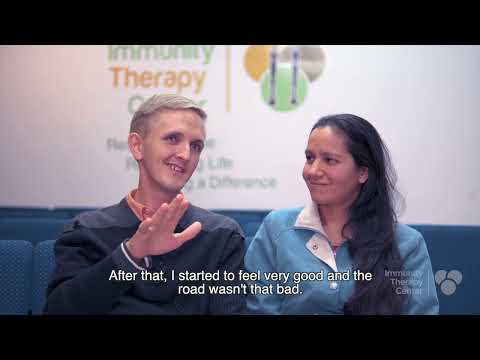
From Diagnosis to Recovery: Alternative GIST Treatment Journey in Mexico
CAR-T Cell Therapy
Alternative Cancer Treatment by ITC - Immunity Therapy Center
Tijuana, Mexico
Medical Tourism in Istanbul, Turkey – Transforming Lives with Expert Healthcare
Addiction Treatment
Medical Park Hospitals Group in Istanbul, Turkey
Istanbul, Turkey
Stem Cell Therapy for Spine Conditions at CellsTime
Stem Cell Therapy
CellsTime Clinique Guadalajara
Guadalajara, Mexico
Ozone Therapy in Dubai, UAE by Maison Sante Clinic: A Patient's Wellness Journey
Alternative Medicine
Maison Sante Clinic L.L.C in Dubai, UAE
Dubai, UAE
Unlock the Best SLE Systemic Lupus Erythematosus Packages Just for You
Discover the ultimate SLE Systemic Lupus Erythematosus packages designed to meet your health and wellness goals. Choose the perfect fit for your journey.
Price starting from $300,000
FUCASO CAR-T Cell Therapy Package in Beijing, China by Bioocus Biotech
Beijing Bioocus Medical Group
- CAR-T Cell Therapy
Beijing, China
Price starting from $70,000
CAR-T Cell Therapy for Hematology Cancer and Immune Diseases Package in Beijing, China by Bioocus Biotech
Beijing Bioocus Medical Group
- CAR-T Cell Therapy
Beijing, China

Price starting from $70,000
Advanced CAR-T Cell Therapy for Multiple Myeloma Package in Beijing, China by Bioocus Biotech
Beijing Bioocus Medical Group
- CAR-T Cell Therapy
Beijing, China
Transformative SLE Systemic Lupus Erythematosus Experiences: Dive into Procedure Insights
Discover the power of SLE Systemic Lupus Erythematosus through compelling patient experiences. Uncover detailed insights into procedures, recovery journeys, and life-changing results.









Read More