
What treatment


3+ Best Clinics for Stem Cell Therapy For Hashimoto Thyroiditis in Japan
Trusted Medical Tourism Platform Since 2007
What are the best stem cell therapy clinics in Japan?
The top stem cell therapy clinics in Japan are: HELENE - Stem Cell Clinic (Tokyo), Azabu Skin Clinic (Tokyo), Clinique Haru Osaka Umeda (Osaka), and Cell Grand Clinic (Osaka).
These facilities are regulated by Japan's MHLW (Act on the Safety of Regenerative Medicine) and process therapies in GMP-certified Cell Processing Centers (CPCs). They utilize autologous mesenchymal stem cells (MSCs) to treat conditions including Hashimoto's thyroiditis, diabetes, knee osteoarthritis, spinal cord injuries, stroke, and anti-aging. Treatment packages range from $8,000 to $68,000 USD, depending on the targeted condition and personalized medical protocol.
 100.00% Patient Recommend
Cell Grand Clinic - Best Stem Cell Clinic in Japan


Overview
Explore Cell Grand Clinic, the best stem cell clinic in Japan specializing in top regenerative therapies for anti-aging, chronic conditions, and wellness.
Read more details

 82.81% Patient Recommend
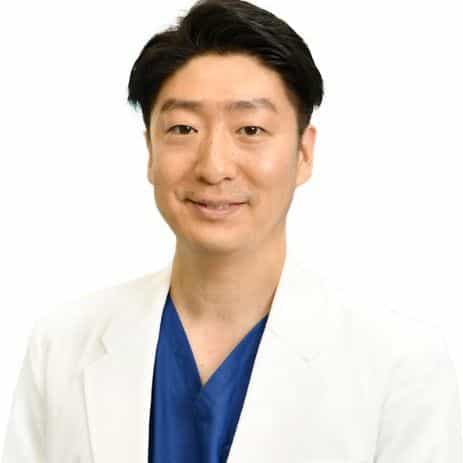
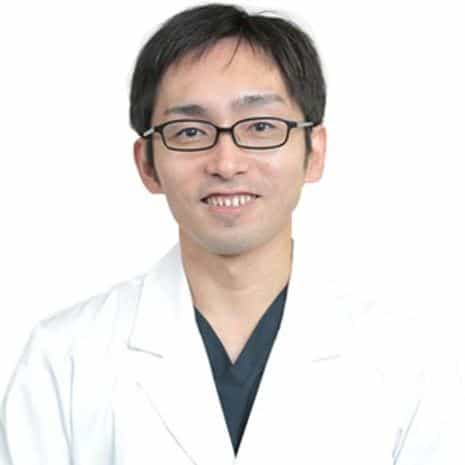
HELENE - Stem Cell Clinic
Overview
Japan Regenerative Medicine Leading Brand With over a decade of experience and more than 17,000 treated patients. Providing cutting-edge stem cell therapies tailored to various health concerns.
Read more details
 100.00% Patient Recommend
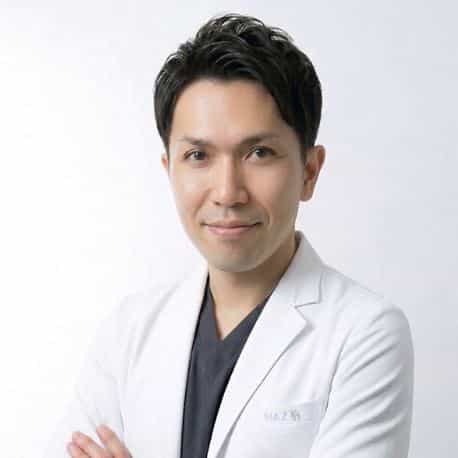
Azabu Skin Clinic - Dermatology and Stem Cell Therapy in Japan
Overview
Azabu Skin Clinic in Tokyo offers advanced stem cell treatments, regenerative treatments, dermatology, and aesthetic care. Book your consultation today.
Read more details
Clinique Haru Osaka Umeda - Japan Stem Cell Treatment
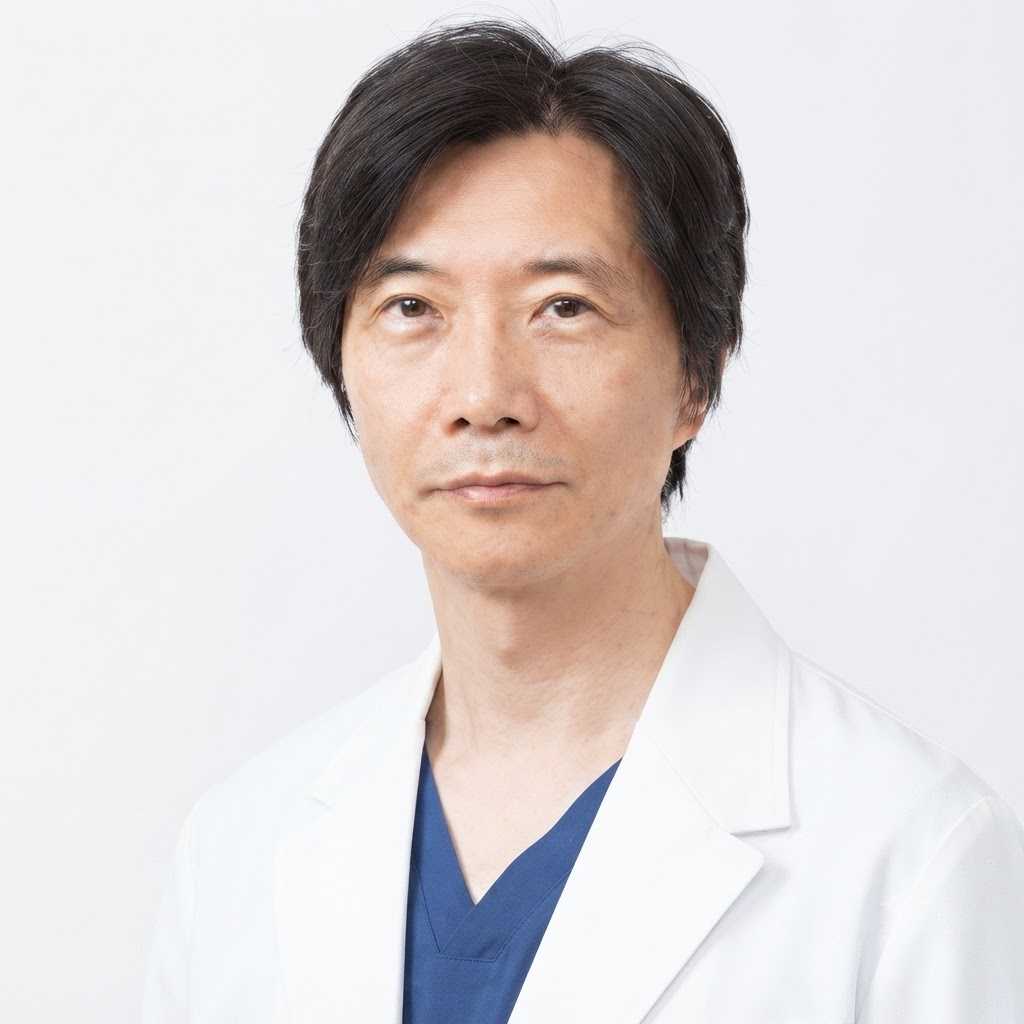
Overview
Clinique Haru Osaka Umeda specializes in Japan stem cell treatments for joint and musculoskeletal conditions using advanced regenerative medicine.
Read more detailsDiscover your treatment options with a free, no-obligation quote!
Get your quote now!
Riso Clinic - Japan Stem Cell Therapy
Overview
Explore Japan stem cell therapy at Riso Clinic in Tokyo. Advanced regenerative treatments for knee osteoarthritis, joint injuries, and cartilage repair.
Read more details
copy.png)
Authored by
Usama Ahmad
Medical content writer with 5+ years of experience specializing in stem cells and regenerative medicine content.

Reviewed by
Dr. Alejandro Fernando
Dr. Alejandro Fernando is a top stem cell specialist in Mexico City, specializing in regenerative medicine, cellular therapies, and chronic disease treatment and Medical Content Reviewer
Last updated on
Which are the best Stem Cell Therapy clinics for Hashimoto's Thyroiditis in Japan?
For Hashimoto's Thyroiditis stem cell therapy in Japan, highly-rated options include HELENE - Stem Cell Clinic in Tokyo and Cell Grand Clinic in Osaka. Both are recognized for their expertise in regenerative medicine, with HELENE having extensive experience and Cell Grand Clinic offering cutting-edge therapies for various chronic conditions with strong patient recommendations.
These leading Japanese stem cell clinics provide advanced regenerative treatments specifically tailored for autoimmune conditions. HELENE - Stem Cell Clinic in Tokyo boasts over a decade of experience and a 100% patient recommendation rate from 10 reviews, focusing on individualized stem cell therapy to address diverse health concerns including autoimmune challenges. Similarly, Cell Grand Clinic in Osaka is known for its pioneering regenerative medicine solutions for anti-aging and chronic conditions, backed by exceptional patient satisfaction from 61 reviews, also with a 100% recommendation rate. When considering Hashimoto's treatment in Japan, these facilities are excellent starting points due to their established reputations, adherence to strict Japanese medical standards, and patient-centric approaches, ensuring a high level of care and safety.
What should I look for in a Japanese clinic offering stem cell treatment for Hashimoto's?
When choosing a Japanese stem cell clinic for Hashimoto's, prioritize regulatory compliance with Japan's "Act on the Safety of Regenerative Medicine," physician expertise in autoimmune and regenerative medicine, specialized facilities like in-house cell processing centers (CPCs), transparent communication about treatment protocols, and evidence of positive patient outcomes. These factors ensure a safe and effective Hashimoto's treatment in Japan.
It's crucial to select a clinic that operates under Japan's strict regulatory framework for regenerative medicine. Look for facilities with a strong focus on research and development in autoimmune treatment Japan. Key aspects include:
- Regulatory Compliance: Ensure the clinic is officially licensed and adheres to the "Act on the Safety of Regenerative Medicine" by the Japanese Ministry of Health, Labour and Welfare (MHLW).
- Specialized Expertise: Verify that the medical team, particularly the physicians, have extensive experience in stem cell therapy for autoimmune diseases, not just general regenerative medicine. They should understand the complexities of Hashimoto's Thyroiditis.
- Accreditation & Facilities: Check for relevant certifications from Japanese medical authorities. Clinics with their own, certified Cell Processing Centers (CPCs) often offer superior quality control over stem cell preparation and expansion.
- Transparent Communication: The clinic should provide clear and understandable information regarding the proposed treatment, including potential benefits, risks, and realistic expectations.
- Patient-Centric Care: Look for clinics that emphasize personalized treatment plans tailored to your specific condition and health goals.
How do Japanese clinics ensure safety in stem cell therapy for autoimmune conditions?
Japanese stem cell clinics ensure safety through rigorous adherence to the "Act on the Safety of Regenerative Medicine," comprehensive patient screening, strict cell processing protocols in certified laboratories (CPCs), and ongoing post-treatment monitoring. This robust regulatory environment and meticulous procedural standards are designed to minimize risks and ensure patient well-being during autoimmune treatment in Japan.
Patient safety is paramount in Japanese stem cell therapy, particularly for complex conditions like Hashimoto's.
- Strict Regulations: Japan has a robust legal framework, the "Act on the Safety of Regenerative Medicine," which rigorously governs the clinical application of stem cell therapies, requiring approval for each treatment protocol.
- Thorough Patient Screening: Clinics conduct extensive pre-treatment evaluations, including detailed medical history, physical exams, and specific lab tests, to determine patient suitability and identify any contraindications.
- Certified Cell Processing Centers (CPCs): Many top Japanese stem cell clinics operate in-house CPCs that adhere to Good Manufacturing Practice (GMP) standards, ensuring high purity, viability, and sterility of the extracted and expanded stem cells.
- Autologous Cells: The frequent use of a patient's own (autologous) cells for Hashimoto's treatment significantly reduces the risk of immune rejection or adverse reactions.
- Ongoing Monitoring: Patients receive careful follow-up care to track progress, monitor for any potential side effects, and promptly address any concerns, ensuring a safe recovery phase.
What advanced technologies do clinics in Japan use for Hashimoto's stem cell therapy?
Clinics offering stem cell therapy for Hashimoto's in Japan leverage cutting-edge technologies for cell processing, precise delivery, and advanced diagnostics. This includes sophisticated bioreactors for efficient cell expansion, image-guided injection techniques for targeted therapy, and advanced biomarker analysis to monitor treatment efficacy and optimize patient outcomes in autoimmune disease treatment Japan.
Japanese stem cell clinics are at the forefront of regenerative medicine technology, constantly integrating innovations to enhance treatment efficacy and safety for conditions like Hashimoto's.
- High-Purity Cell Expansion: Utilizing advanced bioreactor systems within certified Cell Processing Centers (CPCs) allows for the optimal culturing and expansion of mesenchymal stem cells (MSCs) to achieve therapeutic quantities with exceptional purity and viability.
- Targeted Delivery Systems: For Hashimoto's, cells are often delivered intravenously for broad systemic immunomodulatory effects. In some cases, if specific localized inflammation or tissue damage is targeted, clinics may use image-guided injection techniques for precision.
- Advanced Diagnostics & Monitoring: Both before and after treatment, clinics employ sophisticated tools for biomarker analysis, detailed immunological profiling, and high-resolution imaging to precisely assess disease activity, monitor treatment response, and tailor the regenerative medicine Japan protocol.
- Complementary Therapies: Some clinics integrate other cutting-edge therapies such as exosome treatments, which are tiny vesicles carrying therapeutic proteins and genetic material, to further enhance cellular communication and regenerative effects for autoimmune conditions.
Can I expect personalized treatment plans at Japanese stem cell clinics for Hashimoto's?
Yes, personalization is a cornerstone of stem cell therapy for Hashimoto's Thyroiditis in Japan. Leading clinics develop highly individualized treatment plans based on each patient's specific health condition, disease severity, medical history, and treatment goals, moving beyond a one-size-fits-all approach to optimize outcomes and enhance effectiveness for autoimmune treatment in Japan.
Japanese stem cell clinics pride themselves on offering highly personalized care, which is particularly beneficial for complex autoimmune conditions like Hashimoto's.
- Comprehensive Assessment: Your journey typically begins with an in-depth consultation and extensive evaluation of your medical records, including detailed immunological tests and thyroid function assessments, to understand your unique condition.
- Tailored Protocols: Based on this thorough assessment, the physician will design a unique stem cell therapy Japan protocol. This includes determining the optimal type, source (often autologous adipose-derived MSCs), and precise dosage of stem cells based on your individual needs and the specifics of your Hashimoto's.
- Holistic Approach: Many reputable clinics integrate stem cell therapy with other supportive treatments, such as advanced nutritional counseling, targeted supplement regimens, or lifestyle adjustments, to create a holistic plan for managing Hashimoto's and promoting overall wellness.
- Adaptive Treatment: Crucially, treatment plans are often dynamic and may be adjusted over time based on your response and ongoing monitoring of your condition. This ensures that the therapy remains as effective as possible and is aligned with your evolving health status, a key aspect of successful autoimmune treatment Japan.
What is the typical patient journey at a Japan-based stem cell clinic for Hashimoto's Thyroiditis?
The typical patient journey for Hashimoto's stem cell therapy in Japan generally begins with an initial consultation and thorough medical evaluation. This is followed by cell collection, laboratory processing of cells (usually 4-6 weeks), and then the actual stem cell administration. The process concludes with a period of post-treatment monitoring and follow-up care to track progress and ensure optimal recovery from the autoimmune treatment in Japan.
Your experience at a Japanese stem cell clinic for Hashimoto's is typically a structured and well-managed process designed for comprehensive care and safety.
- Initial Consultation & Pre-evaluation: This vital first step involves submitting your medical records for a remote review. An in-person consultation follows, featuring a detailed physical examination, comprehensive diagnostic tests specific to Hashimoto's, and an in-depth discussion of your health goals.
- Cell Collection: If you are deemed eligible for treatment, your cells (typically adipose tissue or bone marrow) are harvested in a minimally invasive outpatient procedure, usually performed under local anesthesia.
- Laboratory Processing: The collected cells are then sent to the clinic's certified Cell Processing Center (CPC). Here, they undergo rigorous culturing and expansion over several weeks (commonly 4-6 weeks) to reach the necessary therapeutic dosage, adhering to strict quality standards.
- Stem Cell Administration: You will return for the main procedure, where the high-concentration stem cells are administered. This is most often done intravenously for systemic effects, but may also involve targeted injections. This procedure is also generally an outpatient visit.
- Post-Treatment Care & Follow-up: Clinics provide detailed instructions for post-treatment care and schedule regular follow-up appointments. These include blood tests and clinical assessments to monitor your response to the Hashimoto's treatment Japan, allowing for any necessary adjustments to your long-term wellness plan.
Are there rehabilitation or post-treatment support programs available at clinics in Japan for stem cell therapy?
Yes, many Japanese stem cell clinics offer integrated post-treatment support and rehabilitation programs tailored for conditions like Hashimoto's Thyroiditis. These programs often include personalized nutritional guidance, lifestyle recommendations, and regular follow-up care to maximize the long-term benefits of the stem cell therapy and support overall patient well-being, crucial for effective autoimmune treatment in Japan.
Effective post-treatment support is considered vital for optimizing the outcomes of regenerative medicine in Japan, ensuring patients maintain and enhance the benefits of their stem cell therapy for Hashimoto's.
- Personalized Wellness Plans: Clinics often provide individualized plans that extend beyond the initial treatment. These may include specific dietary adjustments designed to reduce systemic inflammation, recommended gentle exercise routines to support overall vitality, and stress management techniques crucial for managing autoimmune conditions.
- Regular Follow-up Appointments: Patients will have scheduled check-ups with their medical team to monitor key health indicators, such as thyroid function, immune markers, and overall symptomatic improvement. This ongoing assessment ensures the therapy is progressing as intended and allows for any necessary adjustments.
- Lifestyle Coaching: Some comprehensive programs offer lifestyle coaching to help patients integrate sustainable changes into their daily lives. This holistic approach empowers patients to actively participate in their long-term health management after receiving Hashimoto's treatment Japan.
- Accessible Communication: Patients typically have access to their medical team for questions and concerns during the recovery phase, ensuring continuous support and facilitating a smooth healing process after stem cell therapy in Japan.
How do Japanese clinics assess eligibility for stem cell therapy for Hashimoto's?
Eligibility for stem cell therapy for Hashimoto's in Japanese clinics is rigorously assessed through a multi-faceted approach. This includes a thorough review of the patient's comprehensive medical history, detailed current and past diagnostic tests (e.g., thyroid hormone levels, autoantibody tests), a meticulous physical examination, and potentially additional advanced immunological profiling. This detailed evaluation ensures the treatment is appropriate and safe for the individual, prioritizing patient well-being.
Japanese regenerative medicine clinics employ strict criteria to ensure the suitability of patients for stem cell therapy, especially for complex autoimmune conditions like Hashimoto's Thyroiditis. This thorough evaluation process helps to maximize safety and potential efficacy.
- Detailed Medical History: Physicians will conduct an extensive review of your complete medical history. This includes a deep dive into the onset, progression, and any previous treatments for Hashimoto's Thyroiditis, as well as an assessment of all other co-existing medical conditions.
- Comprehensive Diagnostic Tests: This is a critical component and includes:
- Current and historical thyroid panel results (TSH, free T3, free T4).
- Thyroid autoantibody levels (anti-TPO and anti-Tg antibodies).
- Inflammatory markers (e.g., CRP, ESR).
- A complete blood count and metabolic panel.
- Other specialized tests as deemed necessary by the medical team.
- Physical Examination: A meticulous physical assessment is performed to evaluate your overall health status, check for signs related to Hashimoto's, and identify any potential contraindications for stem cell therapy.
- Immunological Assessment: Some advanced Japanese stem cell clinics may conduct more in-depth immunological tests to gain a clearer understanding of your specific immune system dysregulation that contributes to Hashimoto's.
- Personalized Consultation: A direct, in-depth consultation with the regenerative medicine specialist allows for a thorough discussion of your expectations, current symptoms, and a clear explanation of the potential benefits and realistic limitations of stem cell therapy for your unique condition.
What accreditations or certifications should a stem cell clinic in Japan have for Hashimoto's treatment?
A reputable Japanese stem cell clinic for Hashimoto's treatment should primarily operate under the "Act on the Safety of Regenerative Medicine" established by the Japanese Ministry of Health, Labour, and Welfare (MHLW). This ensures strict regulatory approval for therapies and adherence to rigorous safety and quality standards, including Good Manufacturing Practice (GMP) for cell processing in their certified Cell Processing Centers (CPCs).
When choosing a clinic for advanced Hashimoto's treatment in Japan, looking for specific accreditations and strict adherence to national regulations is absolutely critical to ensure patient safety and treatment efficacy.
- MHLW Approval: The most important accreditation is that the clinic must be officially approved and registered by the Japanese Ministry of Health, Labour, and Welfare (MHLW) to provide specific regenerative medicine therapies. This approval signifies compliance with the highest national standards for safety and ethical practice.
- Registered Cell Processing Facilities: Ensure that their Cell Processing Center (CPC), where stem cells are harvested, cultured, and prepared, is also officially registered and operates under stringent quality control standards. These standards are often equivalent to or exceed international Good Manufacturing Practice (GMP) guidelines, guaranteeing the purity and potency of the cellular products used.
- Ethical Review Board Oversight: Reputable Japanese stem cell clinics will have all their treatment protocols overseen by an independent institutional review board (IRB) or an equivalent ethics committee. This ensures that patient rights and safety are continuously safeguarded throughout the treatment process.
- Physician Qualifications: Verify that the medical professionals, especially those specializing in stem cell therapy for autoimmune conditions, hold appropriate Japanese medical licenses and additional certifications in regenerative medicine.
- Transparency: Trustworthy Japanese stem cell clinics will openly and readily provide information about their licenses, MHLW approvals, and the specific regulatory framework they operate under. This transparency is key for your peace of mind regarding Hashimoto's treatment in Japan.
What sets Japanese stem cell clinics apart for autoimmune disease treatment like Hashimoto's?
Japanese stem cell clinics stand out for autoimmune treatment like Hashimoto's due to their progressive yet highly regulated environment, allowing for rapid integration of advanced research into clinical practice. Their emphasis on personalized treatment protocols, rigorous quality control in cell processing, and a holistic approach to patient care collectively contribute to their global reputation in regenerative medicine and effective Hashimoto's treatment.
Several unique factors contribute to Japan's leading position and distinctiveness in providing advanced stem cell therapy for autoimmune diseases such as Hashimoto's Thyroiditis.
- Forward-Thinking Regulatory Framework: Japan's "Act on the Safety of Regenerative Medicine" provides a unique and efficient regulatory pathway. This environment actively encourages the faster clinical translation of promising regenerative therapies from research to patient care, while rigorously maintaining high safety standards. This means patients often gain earlier access to cutting-edge treatments for conditions like Hashimoto's Thyroiditis.
- Advanced Research & Technological Prowess: The country boasts a robust scientific infrastructure and significant investment in innovative stem cell research. This leads to the development and implementation of highly advanced techniques in cell harvesting, expansion, and precise delivery methods.
- Meticulous Quality Control: Japanese stem cell clinics, particularly those with integrated, in-house Cell Processing Centers (CPCs), are renowned for their meticulous attention to detail and stringent quality control protocols in cell preparation. This ensures that cellular products are of the highest purity, viability, and safety.
- Personalized Treatment Approach: Unlike many regions that might offer more standardized protocols, Japanese clinics emphasize truly personalized treatment plans for autoimmune conditions. Therapies are meticulously tailored to the individual patient's unique biological profile, specific disease progression, and health needs, which is crucial for the complex nature of Hashimoto's.
- Integrative & Holistic Care: Many leading clinics combine state-of-the-art stem cell therapy with complementary therapies and comprehensive lifestyle guidance. This holistic approach supports the body's overall healing environment, fostering long-term improvements in managing autoimmune disease treatment in Japan and enhancing general wellness.
How PlacidWay helps individuals access Stem Cell Therapy For Hashimoto Thyroiditis in Japan?
PlacidWay provides detailed, up-to-date information about Stem Cell Therapy For Hashimoto Thyroiditis, including its benefits, potential risks, and expected outcomes, empowering you with knowledge. We help users compare treatment options in various Japanese stem cell clinics, ensuring access to affordable options without compromising on quality and safety. PlacidWay assists users in finding trusted, accredited clinics and medical professionals specializing in Stem Cell Therapy For Hashimoto Thyroiditis in Japan, connecting you with top-tier expertise. We offer one-on-one consultations with our medical tourism experts to help you make informed decisions about your treatment, ensuring your specific needs and preferences are met. PlacidWay ensures continued support throughout your medical journey, including facilitating follow-up care and recovery assistance, making your experience seamless and stress-free. Ready to get Stem Cell Therapy For Hashimoto Thyroiditis in Japan? Contact us today for a personalized consultation.Share with AI
Share this page with AI assistants to get summaries and insights


List of Best Stem Cell Therapy For Hashimoto Thyroiditis Clinics in Japan
Explore Stem Cell Therapy For Hashimoto Thyroiditis: Stories, Testimonials, and Procedures
Watch in-depth videos covering everything from Stem Cell Therapy For Hashimoto Thyroiditis success stories to detailed procedure explanations. Learn what to expect and hear from real patients.
Expert Care by Dr. Yuichi Wakabayashi for Advanced Stem Cell in Japan at Cell Grand Clinic
Cancer Treatment
Cell Grand Clinic - Best Stem Cell Clinic in Japan
Osaka, Japan
Stem Cell Therapy in Japan by Dr. Yuichi Wakabayashi: Why Patients Prefer Cell Grand Clinic Osaka
Cancer Treatment
Cell Grand Clinic - Best Stem Cell Clinic in Japan
Osaka, Japan
How Stem Cell Therapy Works at Cell Grand Clinic in Osaka, Japan
Cancer Treatment
Cell Grand Clinic - Best Stem Cell Clinic in Japan
Osaka, Japan

Cell Grand Clinic: Best Stem Cell Clinic in Japan Featured in Exclusive 28-Minute JP TV Interview
Cancer Treatment
Cell Grand Clinic - Best Stem Cell Clinic in Japan
Osaka, Japan
Unlock the Best Stem Cell Therapy For Hashimoto Thyroiditis Packages Just for You
Discover the ultimate Stem Cell Therapy For Hashimoto Thyroiditis packages designed to meet your health and wellness goals. Choose the perfect fit for your journey.
Price starting from $10,000
Stem Cell Therapy for Stroke Rehabilitation Package in Tokyo, Japan by HELENE Clinic
HELENE - Stem Cell Clinic
- Stem Cell Therapy
Tokyo, Japan
Price starting from $19,800
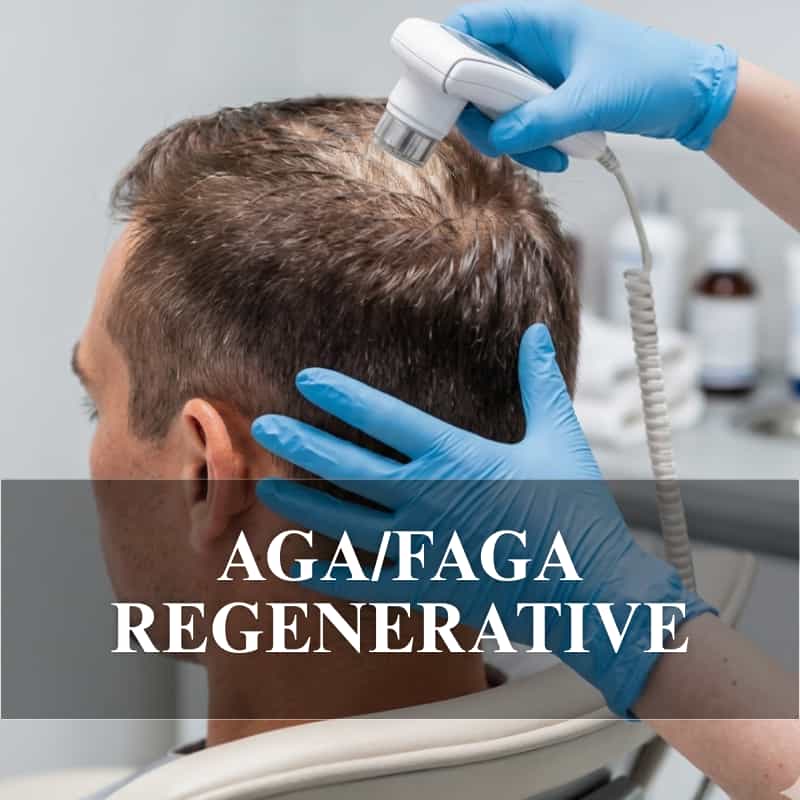
AGA/FAGA Stem Cell Therapy for Hair Loss Package in Osaka, Japan by Cell Grand Clinic
Cell Grand Clinic - Best Stem Cell Clinic in Japan
- Stem Cell Therapy
Osaka, Japan

Price starting from $26,000
Stem Cell + NK Cell Immune Regeneration Package in Osaka, Japan by Cell Grand Clinic
Cell Grand Clinic - Best Stem Cell Clinic in Japan
- Stem Cell Therapy
Osaka, Japan

Price starting from $10,000
Stem Cell Therapy for Parkinson’s Disease Package in Tokyo, Japan by HELENE Clinic
HELENE - Stem Cell Clinic
- Stem Cell Therapy
Tokyo, Japan
Transformative Stem Cell Therapy For Hashimoto Thyroiditis Experiences: Dive into Procedure Insights
Discover the power of Stem Cell Therapy For Hashimoto Thyroiditis through compelling patient experiences. Uncover detailed insights into procedures, recovery journeys, and life-changing results.
.png)
Price starting from $12,800
Stem Cell Therapy for Diabetes in Kuala Lumpur, Malaysia
- Stem Cell Treatment for Diabetes, Stem Cell Therapy
Kuala Lumpur, Malaysia
.png)
Price starting from $9,800
Stem Cell for Heart Disease in Kuala Lumpur, Malaysia
- Stem Cell Therapy for Heart Disease, Stem Cell Therapy
Kuala Lumpur, Malaysia
.png)
Price starting from $9,500
Stem Cell Therapy for Kidney Disease in Bengaluru, India
- Stem Cell Treatment for Kidney Failure, Stem Cell Therapy
Bengaluru, India
.png)
Price starting from $9,800
Stem Cell Therapy for Neuro Muscular in Kuala Lumpur, Malaysia
- Stem Cell Treatment for Muscular Dystrophy, Stem Cell Therapy
Kuala Lumpur, Malaysia








I travel from the United States to receive stem cell treatment for skin rejuvenation. I have relatives in Japan, so I used to visit a few times a year. Since my own cells are cultured and reintroduced into my body, I feel safe and reassured undergoing the treatment. About a month after the facial injections, people around me started noticing positive changes. My skin is now the best it has ever been, and I am very satisfied.
Read More