
What treatment


1+ Top Rated Clinics for Stem Cell Therapy for Asthma in Tokyo, Japan
Trusted Medical Tourism Platform Since 2007
What are the best stem cell therapy clinics for asthma in Tokyo, Japan?
The leading stem cell therapy clinics for asthma in Tokyo, Japan are HELENE - Stem Cell Clinic and Azabu Skin Clinic.
These facilities operate under strict Japanese Ministry of Health, Labour and Welfare guidelines and utilize GMP-certified laboratories. They specialize in administering autologous and allogeneic mesenchymal stem cells (MSCs) via intravenous or nebulized methods to reduce airway inflammation and repair lung tissue. General stem cell treatments at these top Tokyo clinics range from $8,000 to $68,000 USD, depending on the required cellular protocol and patient condition.

 82.81% Patient Recommend
HELENE - Stem Cell Clinic


Overview
Japan Regenerative Medicine Leading Brand With over a decade of experience and more than 17,000 treated patients. Providing cutting-edge stem cell therapies tailored to various health concerns.
Read more details

 100.00% Patient Recommend
Azabu Skin Clinic - Dermatology and Stem Cell Therapy in Japan
Overview
Azabu Skin Clinic in Tokyo offers advanced stem cell treatments, regenerative treatments, dermatology, and aesthetic care. Book your consultation today.
Read more details
 100.00% Patient Recommend
Cell Grand Clinic - Best Stem Cell Clinic in Japan
Overview
Explore Cell Grand Clinic, the best stem cell clinic in Japan specializing in top regenerative therapies for anti-aging, chronic conditions, and wellness.
Read more details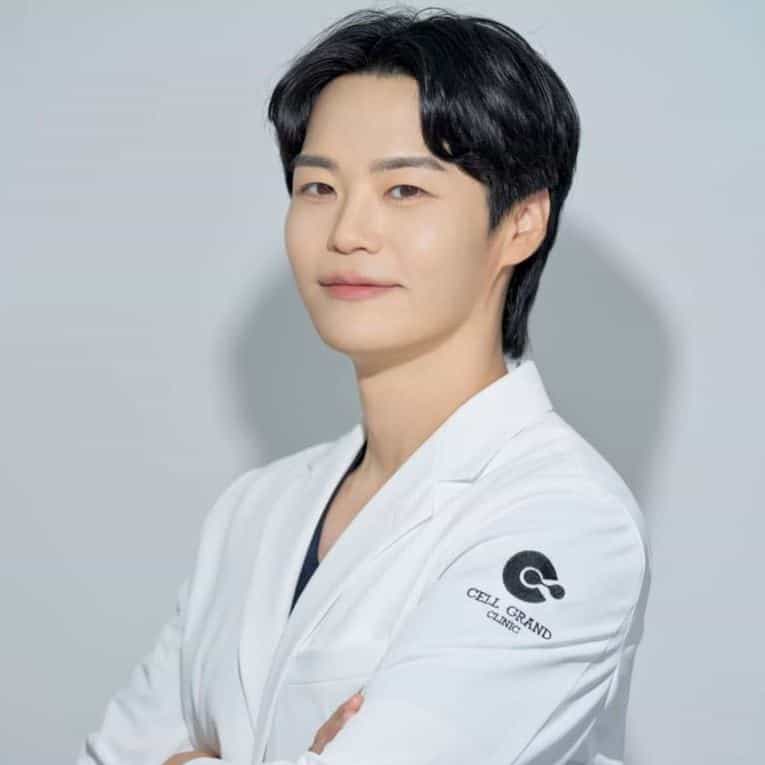
Clinique Haru Osaka Umeda - Japan Stem Cell Treatment
Overview
Clinique Haru Osaka Umeda specializes in Japan stem cell treatments for joint and musculoskeletal conditions using advanced regenerative medicine.
Read more detailsDiscover your treatment options with a free, no-obligation quote!
Get your quote now!
Riso Clinic - Japan Stem Cell Therapy
Overview
Explore Japan stem cell therapy at Riso Clinic in Tokyo. Advanced regenerative treatments for knee osteoarthritis, joint injuries, and cartilage repair.
Read more details
copy.png)
Authored by
Usama Ahmad
Medical content writer with 5+ years of experience specializing in stem cells and regenerative medicine content.
Reviewed by
Dr. Alejandro Fernando
Dr. Alejandro Fernando is a top stem cell specialist in Mexico City, specializing in regenerative medicine, cellular therapies, and chronic disease treatment and Medical Content Reviewer
Last updated on
Which are the leading clinics for Stem Cell Therapy for Asthma in Tokyo, Japan?
When seeking Stem Cell Therapy for Asthma in Tokyo, Japan, clinics recognized for regenerative medicine excellence are key. One notable provider from available listings is HELENE - Stem Cell Clinic, which emphasizes over a decade of experience and significant patient volume in advanced stem cell therapies. Potential patients should look for facilities with a strong track record and specialized expertise in cellular treatments.
Choosing a clinic for advanced treatments like stem cell therapy for asthma requires careful consideration of several factors. In Tokyo, HELENE - Stem Cell Clinic stands out as a reputable option. This clinic highlights its extensive experience, having treated over 16,000 patients with various health concerns, including those seeking regenerative solutions. When evaluating a clinic, assess their:
- Experience and Specialization: Look for clinics with a long history in regenerative medicine and specific expertise in lung conditions or asthma.
- Patient Testimonials: Positive patient feedback and high recommendation rates can indicate quality care and satisfactory outcomes.
- Regulatory Compliance: Ensure the clinic operates under the strict guidelines of Japanese regulatory bodies for regenerative medicine.
What types of stem cell therapies are available for asthma in Tokyo clinics?
Clinics in Tokyo offering Stem Cell Therapy for Asthma typically focus on mesenchymal stem cells (MSCs) due to their anti-inflammatory and immunomodulatory properties. These cells aim to reduce airway inflammation and promote lung tissue repair, which is beneficial for managing asthma symptoms and potentially improving lung function. The specific protocols vary, often involving intravenous or nebulized administration.
Stem cell therapy for asthma in Tokyo often involves the use of mesenchymal stem cells (MSCs). These cells are valued for their ability to modulate the immune system and reduce inflammation, which are crucial aspects of asthma management.
- Allogeneic MSCs: These are derived from donor tissues, often umbilical cord or placental sources, and are carefully screened to minimize rejection risk.
- Autologous MSCs: These are harvested from the patient's own body, usually from adipose (fat) tissue or bone marrow, reducing the risk of immune rejection.
How do Tokyo clinics ensure the safety and efficacy of stem cell therapy for asthma?
Tokyo clinics prioritize patient safety and treatment efficacy through rigorous protocols. This includes thorough patient screening, adherence to national regenerative medicine guidelines, use of certified laboratories for cell processing, and continuous monitoring during and after therapy. Advanced imaging and diagnostic tools ensure precise cell delivery and track therapeutic progress, enhancing safety in asthma stem cell treatment.
Ensuring patient safety and treatment efficacy is paramount for any reputable stem cell therapy clinic in Tokyo, especially for conditions like asthma. These clinics adhere to stringent national regulations set by the Japanese Ministry of Health, Labour and Welfare, which are among the most comprehensive globally for regenerative medicine. Key practices include:
- Comprehensive Patient Evaluation: Detailed medical history, physical exams, and diagnostic tests determine patient suitability and identify potential risks.
- Strict Cell Processing Standards: Cells are processed in Good Manufacturing Practice (GMP) certified laboratories to ensure purity, potency, and sterility.
- Qualified Medical Professionals: Treatments are administered by specialists with extensive training in regenerative medicine and respiratory conditions.
- Post-Treatment Monitoring: Patients receive ongoing follow-up to assess progress, manage any potential side effects, and optimize outcomes.
- Ethical Review Boards: Clinical protocols are often reviewed by independent ethics committees to ensure patient welfare.
What should patients consider before choosing a stem cell therapy clinic for asthma in Tokyo?
When selecting a stem cell therapy clinic for asthma in Tokyo, consider its specific expertise in respiratory conditions and regenerative medicine. Verify their accreditations and the qualifications of their medical staff. Assess the transparency of their clinical protocols, patient testimonials, and the comprehensiveness of their pre- and post-treatment care. An informed choice ensures patient confidence and better therapeutic alignment.
Selecting the right clinic for stem cell therapy for asthma in Tokyo is a significant decision. Patients should prioritize clinics that demonstrate transparency and a strong commitment to patient-centered care. Here are crucial factors to consider:
- Clinic Reputation: Research online reviews, patient testimonials, and any public recognition or awards the clinic has received.
- Specialized Expertise: Confirm the clinic has doctors with specific experience in both asthma management and regenerative medicine.
- Accreditation and Licensing: Ensure the clinic is licensed by relevant Japanese health authorities to perform stem cell therapies.
- Technology and Facilities: Modern facilities with advanced equipment for diagnosis, cell processing, and treatment administration are indicators of quality.
- Consultation Process: A good clinic will offer a detailed initial consultation, clearly explaining the treatment plan, expected outcomes, and potential risks.
What kind of patient support and aftercare can I expect from asthma stem cell clinics in Tokyo?
Tokyo asthma stem cell clinics offer comprehensive patient support and aftercare, vital for optimizing recovery. This typically includes personalized follow-up consultations, detailed home care instructions, dietary recommendations, and rehabilitation guidance. Many clinics also provide accessible communication channels for patients to address concerns, ensuring continuous support throughout their post-treatment journey for improved asthma management.
Quality patient support and robust aftercare are integral to the success of stem cell therapy for asthma. Clinics in Tokyo often provide a multi-faceted approach to post-treatment care:
- Personalized Follow-up Plans: Regular check-ups are scheduled to monitor lung function, symptom improvement, and overall well-being.
- Educational Resources: Patients receive detailed information on lifestyle adjustments, medication management (if applicable), and activities to support their recovery.
- Nutritional Guidance: Dietitians may offer advice on anti-inflammatory diets to complement the regenerative effects of the therapy.
- Rehabilitation Programs: Depending on individual needs, clinics might suggest respiratory physiotherapy to enhance lung capacity and breathing techniques.
- Accessible Support: Patients usually have direct contact with care coordinators or medical staff to answer questions and provide reassurance.
What advanced technologies do leading Tokyo clinics use for asthma stem cell treatment?
Leading Tokyo clinics for asthma stem cell treatment leverage cutting-edge technologies to enhance precision and outcomes. This includes advanced cell isolation and expansion systems for optimal cell viability, sophisticated imaging techniques like high-resolution CT scans for targeted delivery, and real-time monitoring devices to track patient response. These innovations contribute to the safety and effectiveness of regenerative therapies for asthma.
Tokyo is at the forefront of medical innovation, and its leading stem cell therapy clinics for asthma are equipped with state-of-the-art technologies. These tools are crucial for ensuring the safety, precision, and effectiveness of advanced regenerative treatments:
- Automated Cell Processing Units: These systems ensure sterile, consistent, and efficient isolation and expansion of stem cells, preserving their viability and potency.
- Precision Guided Delivery Systems: Utilizing advanced imaging like fluoroscopy or ultrasound, doctors can accurately deliver stem cells to specific lung regions or target tissues.
- Flow Cytometry: This technology is used for detailed analysis and characterization of stem cell populations, ensuring the quality and identity of the cells used in treatment.
- Bioreactors: For scaling up cell production while maintaining optimal growth conditions, ensuring a sufficient quantity of high-quality cells for therapy.
- Pulmonary Function Testing (PFT) and Fractional Exhaled Nitric Oxide (FeNO) Testing: These diagnostic technologies provide objective measures of lung health and inflammation, allowing for precise treatment planning and monitoring of asthma improvement.
How important is accreditation for stem cell therapy clinics in Tokyo for asthma treatment?
Accreditation is extremely important for stem cell therapy clinics in Tokyo offering asthma treatment. It signifies adherence to stringent national and international medical standards, ensuring patient safety, ethical practices, and quality of care. Japanese regulatory bodies, like the Ministry of Health, Labour and Welfare, closely oversee regenerative medicine, so choosing an accredited clinic provides assurance of credible, high-standard therapy.
For patients considering Stem Cell Therapy for Asthma in Tokyo, accreditation and regulatory compliance are non-negotiable. Japan has some of the world's most robust regulations for regenerative medicine, which were significantly updated to ensure patient safety and ethical research.
- Regulatory Oversight: Clinics must be approved by the Japanese Ministry of Health, Labour and Welfare, which reviews and approves regenerative medicine protocols.
- Quality Assurance: Accreditation ensures that clinics follow strict protocols for cell sourcing, processing, storage, and administration, minimizing contamination and maximizing cell viability.
- Patient Protection: Accredited facilities are obligated to transparently disclose treatment details, risks, and expected outcomes, empowering patients to make informed decisions.
- Ethical Standards: Accreditation indicates adherence to ethical guidelines regarding patient consent, privacy, and responsible use of advanced therapies.
What is the typical patient journey for stem cell therapy for asthma in a Tokyo clinic?
The patient journey for asthma stem cell therapy in Tokyo typically begins with a detailed consultation and evaluation to assess suitability. This is followed by cell harvesting (if autologous), laboratory processing, and then the administration of the therapy. Post-treatment, patients undergo a structured monitoring and follow-up phase, with ongoing support and lifestyle guidance to optimize results and ensure continued well-being.
Undergoing stem cell therapy for asthma in a Tokyo clinic involves a structured journey designed to ensure safety and effectiveness at every step.
- Initial Consultation and Assessment: This crucial first step involves a comprehensive review of your medical history, current asthma symptoms, previous treatments, and diagnostic tests (e.g., lung function tests, imaging). The medical team will determine if you are a suitable candidate for the therapy.
- Treatment Planning: If deemed suitable, a personalized treatment plan is developed, outlining the type of stem cells, number of infusions, and expected timeline.
- Cell Sourcing and Processing: Depending on whether autologous (patient's own) or allogeneic (donor) cells are used, this involves either a minor procedure for cell harvesting (e.g., fat or bone marrow aspiration) or preparation of donor cells. Cells are then processed in a specialized laboratory.
- Therapy Administration: Stem cells are typically administered intravenously or via nebulization directly to the patient in a clinical setting. This is generally a minimally invasive procedure.
- Post-Treatment Monitoring and Aftercare: This phase involves regular follow-up appointments to track progress, manage any potential side effects, and provide ongoing guidance on lifestyle and rehabilitation to maximize therapeutic benefits.
Are there specific eligibility criteria for stem cell therapy for asthma at clinics in Tokyo?
Yes, clinics in Tokyo have specific eligibility criteria for stem cell therapy for asthma to ensure patient safety and potential for positive outcomes. Generally, candidates need a confirmed asthma diagnosis, stable overall health, and no active infections or severe co-morbidities. Age, asthma severity, and previous treatment responses are also critical factors evaluated by specialists to determine suitability for this advanced regenerative treatment.
Eligibility criteria are rigorously applied by Tokyo clinics offering stem cell therapy for asthma to safeguard patients and optimize the chances of treatment success. These criteria help identify individuals who can benefit most from the therapy and minimize risks. Common considerations include:
- Confirmed Asthma Diagnosis: Patients must have a clear diagnosis of asthma, often supported by lung function tests and medical history.
- Stable Health Status: Candidates should generally be in stable overall health, without acute infections, uncontrolled chronic diseases, or conditions that could complicate recovery.
- Absence of Contraindications: Certain medical conditions, such as some cancers, autoimmune diseases, or severe organ dysfunction, might exclude a patient.
- Age and Lifestyle Factors: While not always an absolute barrier, age and certain lifestyle choices can influence treatment suitability and expected outcomes.
- Realistic Expectations: Patients must have a clear understanding of the therapy's potential benefits and limitations.
What research and development efforts are Tokyo stem cell clinics making in asthma treatment?
Tokyo's stem cell clinics are actively involved in research and development to advance asthma treatment. Their efforts often focus on refining stem cell types, optimizing delivery methods to lung tissue, and exploring personalized regenerative protocols. This R&D aims to enhance the anti-inflammatory and repair capabilities of stem cells, striving for more effective, targeted therapies to improve long-term outcomes for asthma patients in Japan.
Tokyo is a global hub for medical research, and its stem cell clinics are at the forefront of advancing asthma treatment through continuous research and development. These efforts are crucial for improving current therapies and developing future innovations:
- Optimizing Cell Sources: Research involves exploring different sources of mesenchymal stem cells (e.g., umbilical cord, adipose tissue) and identifying which ones offer the most potent therapeutic effects for asthma.
- Enhanced Delivery Mechanisms: Clinics are investigating novel ways to deliver stem cells more effectively to affected lung tissues, such as through specialized nebulizers or targeted injections, to maximize their impact.
- Combination Therapies: Studies are looking into combining stem cell therapy with other regenerative agents or conventional treatments to achieve synergistic effects and better patient outcomes.
- Personalized Medicine Approaches: Research aims to tailor stem cell treatments based on individual patient characteristics, such as specific asthma phenotypes or genetic markers, for more precise and effective interventions.
- Long-term Efficacy and Safety Studies: Ongoing clinical trials and observational studies rigorously assess the long-term safety and efficacy of stem cell therapies for asthma, contributing to the global body of knowledge.
How PlacidWay helps individuals access Stem Cell Therapy for Asthma in Tokyo, Japan?
PlacidWay provides detailed, up-to-date information about Stem Cell Therapy for Asthma, including benefits, risks, and expected outcomes, helping individuals make informed choices. We assist users in comparing treatment options across various clinics, ensuring they find affordable solutions without compromising on quality. PlacidWay helps connect patients with trusted, accredited clinics and experienced medical professionals specializing in Stem Cell Therapy for Asthma in Tokyo, Japan. We offer one-on-one consultations to help users make informed decisions about their treatment journey, ensuring their specific needs and preferences are met. Our support extends beyond treatment, ensuring continued assistance with follow-up care and recovery to facilitate a smooth and effective healing process. Ready to get Stem Cell Therapy for Asthma in Tokyo, Japan? Contact us today for a personalized consultation.Share with AI
Share this page with AI assistants to get summaries and insights


List of Best Stem Cell Therapy for Asthma Clinics in Japan
Explore Stem Cell Therapy for Asthma: Stories, Testimonials, and Procedures
Watch in-depth videos covering everything from Stem Cell Therapy for Asthma success stories to detailed procedure explanations. Learn what to expect and hear from real patients.
Stem Cell Therapy in Japan by Dr. Yuichi Wakabayashi: Why Patients Prefer Cell Grand Clinic Osaka
Cancer Treatment
Cell Grand Clinic - Best Stem Cell Clinic in Japan
Osaka, Japan
Safety of Stem Cell Therapy Explained by Cell Grand Clinic in Osaka, Japan
Cancer Treatment
Cell Grand Clinic - Best Stem Cell Clinic in Japan
Osaka, Japan
How Stem Cell Therapy Works at Cell Grand Clinic in Osaka, Japan
Cancer Treatment
Cell Grand Clinic - Best Stem Cell Clinic in Japan
Osaka, Japan
Minimally Invasive Stem Cell Therapy and Advanced Cultivation
Cancer Treatment
HELENE - Stem Cell Clinic
Tokyo, Japan
Unlock the Best Stem Cell Therapy for Asthma Packages Just for You
Discover the ultimate Stem Cell Therapy for Asthma packages designed to meet your health and wellness goals. Choose the perfect fit for your journey.

Price starting from $19,800
Stem Cell Treatment Online Consultation Package in Osaka, Japan by Cell Grand Clinic
Cell Grand Clinic - Best Stem Cell Clinic in Japan
- Stem Cell Therapy
Osaka, Japan
Price starting from $19,800
Knee Regenerative Medicine Package in Osaka, Japan by Cell Grand Clinic
Cell Grand Clinic - Best Stem Cell Clinic in Japan
- Stem Cell Therapy
Osaka, Japan

Price starting from $10,000
Stem Cell Therapy for Heart Disease Package in Tokyo, Japan by HELENE Clinic
HELENE - Stem Cell Clinic
- Stem Cell Therapy
Tokyo, Japan
.png)
Price starting from $10,000
Stem Cell Therapy for Knee Osteoarthritis Package in Tokyo, Japan by HELENE Clinic
HELENE - Stem Cell Clinic
- Stem Cell Therapy
Tokyo, Japan
Transformative Stem Cell Therapy for Asthma Experiences: Dive into Procedure Insights
Discover the power of Stem Cell Therapy for Asthma through compelling patient experiences. Uncover detailed insights into procedures, recovery journeys, and life-changing results.
.png)
Price starting from $9,800
Stem Cell Therapy for Osteoarthritis in Kuala Lumpur, Malaysia
- Stem Cell Therapy for Osteoarthritis, Stem Cell Therapy
Kuala Lumpur, Malaysia
.png)
Price starting from $9,800
Stem Cell Therapy for Brain Injury in Kuala Lumpur, Malaysia
- Stem Cell Therapy for Brain Injury, Stem Cell Therapy
Kuala Lumpur, Malaysia
.png)
Price starting from $9,800
Stem Cell Therapy for Dementia in Kuala Lumpur, Malaysia
- Stem Cell Therapy
Kuala Lumpur, Malaysia
.png)
Price starting from $10,000
Stem Cell Therapy for Diabetes in Tokyo, Japan
- Stem Cell Treatment for Diabetes, Stem Cell Therapy
Tokyo, Japan








(Translated by Google) The teacher is nice, but I am bothered by the staff\'s private conversations (laughter) and their behavior. (Original) 先生はいい方なのですが、スタッフの私語(笑い声)や対応が気になります。
Read More