
What treatment


2+ Best Clinics for Stem Cell Therapy for Celiac Disease in Japan
Trusted Medical Tourism Platform Since 2007
What are the best stem cell therapy clinics for celiac disease in Japan?
The top stem cell therapy clinics for celiac disease in Japan include HELENE Stem Cell Clinic (Tokyo), Clinique Haru Osaka Umeda (Osaka), and Cell Grand Clinic (Osaka).
These facilities operate under strict regulations and are approved by the Ministry of Health, Labour and Welfare (MHLW). They utilize advanced regenerative medicine to treat celiac disease, diabetes, knee osteoarthritis, spinal cord injuries, and erectile dysfunction. Depending on the personalized protocol and cell cultivation requirements, treatment costs range from $8,000 to $68,000 USD, offering access to some of the most technologically advanced medical care globally.
 100.00% Patient Recommend
Cell Grand Clinic - Best Stem Cell Clinic in Japan


Overview
Explore Cell Grand Clinic, the best stem cell clinic in Japan specializing in top regenerative therapies for anti-aging, chronic conditions, and wellness.
Read more details

 82.81% Patient Recommend
HELENE - Stem Cell Clinic
Overview
Japan Regenerative Medicine Leading Brand With over a decade of experience and more than 17,000 treated patients. Providing cutting-edge stem cell therapies tailored to various health concerns.
Read more details

Clinique Haru Osaka Umeda - Japan Stem Cell Treatment
Overview
Clinique Haru Osaka Umeda specializes in Japan stem cell treatments for joint and musculoskeletal conditions using advanced regenerative medicine.
Read more details 100.00% Patient Recommend
Azabu Skin Clinic - Dermatology and Stem Cell Therapy in Japan
Overview
Azabu Skin Clinic in Tokyo offers advanced stem cell treatments, regenerative treatments, dermatology, and aesthetic care. Book your consultation today.
Read more details
Discover your treatment options with a free, no-obligation quote!
Get your quote now!
Riso Clinic - Japan Stem Cell Therapy
Overview
Explore Japan stem cell therapy at Riso Clinic in Tokyo. Advanced regenerative treatments for knee osteoarthritis, joint injuries, and cartilage repair.
Read more details
copy.png)
Authored by
Usama Ahmad
Medical content writer with 5+ years of experience specializing in stem cells and regenerative medicine content.
Reviewed by
Dr. Alejandro Fernando
Dr. Alejandro Fernando is a top stem cell specialist in Mexico City, specializing in regenerative medicine, cellular therapies, and chronic disease treatment and Medical Content Reviewer
Last updated on
Which are the best Stem Cell Therapy for Celiac Disease clinics in Japan?
When seeking Stem Cell Therapy for Celiac Disease in Japan, patients often look for highly reputable clinics known for their advanced regenerative medicine protocols and patient-focused care. HELENE - Stem Cell Clinic in Tokyo stands out as a leading facility, recognized for its extensive experience and strong patient recommendations. Choosing the best clinic involves evaluating specialized expertise, clinical outcomes, state-of-the-art technology, and comprehensive patient support services tailored for Celiac Disease treatment.
Japan is at the forefront of regenerative medicine, offering specialized clinics for various conditions, including Celiac Disease. For those considering stem cell therapy, focusing on institutions with proven expertise in gastrointestinal conditions and immunological disorders is key. These clinics should provide personalized treatment plans, utilizing cutting-edge technology and adhering to stringent Japanese medical standards. Always prioritize clinics that transparently share their success rates and patient testimonials.
What criteria should I consider when choosing a Stem Cell Therapy for Celiac Disease clinic in Japan?
When selecting a Stem Cell Therapy clinic in Japan for Celiac Disease, focus on the facility's specialization in autoimmune and gastrointestinal conditions, their experience with celiac patients, and the specific stem cell protocols offered. Crucial factors include the clinical team's expertise, the clinic's adherence to Japanese regulatory standards, advanced technology, patient care philosophy, and available post-treatment follow-up. Thorough research into patient outcomes and clinic accreditations will also guide your decision for effective celiac disease treatment.
Choosing the right clinic is paramount. Look for centers that emphasize personalized care, as Celiac Disease affects individuals differently. Inquire about:
- Specialization: Does the clinic have a dedicated program or extensive experience in treating autoimmune gastrointestinal disorders like Celiac Disease with stem cells?
- Technology & Techniques: What type of stem cells are used (e.g., mesenchymal stem cells) and what administration methods do they employ? Is their laboratory equipped with advanced technology for cell processing?
- Patient Support: What level of support do they offer, especially for international patients, including language assistance and logistical help?
- Outcomes & Safety: Seek information on the clinic's patient outcomes, safety records, and how they manage potential risks associated with stem cell therapy.
Are Stem Cell Therapy for Celiac Disease treatments regulated in Japan?
Yes, Stem Cell Therapy, including treatments for Celiac Disease, is rigorously regulated in Japan. The country has established a robust framework, primarily under the Act on the Safety of Regenerative Medicine, to ensure patient safety and ethical practice. Clinics offering these advanced therapies must obtain specific approvals from the Ministry of Health, Labour and Welfare, and their protocols undergo strict review. This regulation ensures quality and oversight in regenerative medicine.
Japan's regulatory environment for regenerative medicine is considered one of the most advanced globally. The Act on the Safety of Regenerative Medicine (ASRM) and Pharmaceutical and Medical Devices Act (PMDA) govern the use of stem cell treatments. This means:
- Approval Processes: Clinics must submit detailed plans for their stem cell therapies, including rationale, safety data, and expected efficacy, for government approval.
- Ethical Review: All proposed treatments undergo strict ethical review by specialized committees.
- Quality Standards: Facilities must adhere to high standards for cell preparation, administration, and patient monitoring, ensuring consistency and safety for celiac disease patients.
What kind of facilities offer Stem Cell Therapy for Celiac Disease in Japan?
In Japan, Stem Cell Therapy for Celiac Disease is typically offered by specialized regenerative medicine clinics and university hospitals. These facilities often have dedicated units focused on autoimmune and gastrointestinal disorders, equipped with advanced laboratories for cell processing and experienced clinical teams. They frequently combine stem cell protocols with comprehensive supportive care to address the complex needs of celiac patients.
Japanese healthcare infrastructure includes specialized centers that focus on innovative therapies. For Celiac Disease, you'll find:
- Specialized Regenerative Medicine Clinics: These clinics are dedicated solely to stem cell therapies, often employing a multidisciplinary approach with gastroenterologists, immunologists, and regenerative medicine specialists. An example is HELENE - Stem Cell Clinic in Tokyo.
- University Hospitals & Research Institutes: Many academic medical centers in Japan are actively involved in stem cell research and clinical application, providing an environment where cutting-edge treatments are developed and administered. These institutions often have state-of-the-art facilities and a strong emphasis on clinical trials and evidence-based practice.
What should I expect during an initial consultation for Celiac Stem Cell Therapy in Japan?
During an initial consultation for Celiac Stem Cell Therapy in Japan, expect a thorough review of your medical history, including your Celiac Disease diagnosis and symptoms. The clinical team will discuss potential stem cell treatment options, explain the procedure, and outline expected outcomes and any associated risks. You'll have the opportunity to ask questions, understand eligibility criteria, and clarify aspects of the personalized treatment plan.
The initial consultation is a critical step in your treatment journey. Here’s what you can generally anticipate:
- Detailed Medical History: You’ll be asked about your Celiac Disease history, current symptoms, previous treatments, and overall health status. Bring all relevant medical records, including diagnostic reports and previous treatment details.
- Eligibility Assessment: The medical team will assess if you are a suitable candidate for stem cell therapy based on your condition and general health.
- Treatment Explanation: The doctor will explain the specific stem cell protocol, including the type of stem cells, how they are harvested, prepared, and administered for celiac disease.
- Questions and Clarifications: This is your chance to voice any concerns, understand the potential benefits and limitations, and discuss the personalized care plan.
How long does the Stem Cell Therapy for Celiac Disease procedure typically take in Japanese clinics?
The actual Stem Cell Therapy for Celiac Disease procedure in Japanese clinics often involves multiple stages, from initial consultation and stem cell harvesting to cultivation and administration. The active treatment phase, including cell collection and infusion, might take a few days to a week. However, the overall treatment process, including preliminary assessments and follow-up, can span several weeks to months, depending on the personalized protocol for your celiac disease treatment.
The duration of stem cell therapy for Celiac Disease can vary significantly based on the specific protocol designed for each patient.
- Initial Assessment: This can take a few days to a week, involving diagnostic tests, blood work, and thorough medical evaluations.
- Stem Cell Harvesting: If autologous (from your own body) stem cells are used, the collection procedure (e.g., from bone marrow or adipose tissue) is usually a one-day outpatient procedure.
- Cell Cultivation: This is the most variable part, where cells are expanded in a lab. It can take from 2-4 weeks.
- Cell Administration: The actual infusion of stem cells is relatively quick, often lasting a few hours, though multiple infusions might be scheduled over several days.
- Follow-up: Clinics generally schedule regular check-ups and monitoring over several months to track progress for celiac disease.
What are the recovery expectations after Celiac Stem Cell Therapy in Japan?
Recovery after Celiac Stem Cell Therapy in Japan generally involves minimal immediate downtime, but a period of several weeks to months is typically needed for potential symptom improvement and tissue regeneration. Patients might experience mild side effects initially, but serious complications are rare. Post-treatment care usually includes dietary guidelines, lifestyle adjustments, and regular follow-up visits to monitor progress and optimize the long-term benefits for celiac disease management.
Following stem cell therapy for Celiac Disease, recovery is often a gradual process:
- Immediate Post-Treatment: Most patients can resume light activities within a day or two, experiencing minimal discomfort such as mild soreness at the injection site or fatigue.
- Short-term (Weeks 1-4): Focus is on monitoring for initial responses and managing any minor side effects. Adherence to prescribed medications and dietary recommendations is crucial.
- Long-term (Months): Over several months, patients and clinicians will observe for changes in Celiac Disease symptoms, improvements in gut health, and overall well-being. Regenerative processes take time, so patience and consistent follow-up are vital for successful celiac disease treatment outcomes.
Do Japanese clinics offer support for international patients seeking Celiac Stem Cell Therapy?
Yes, many leading Japanese clinics specializing in advanced therapies, including Stem Cell Therapy for Celiac Disease, offer comprehensive support for international patients. This often includes multilingual staff, translation services, assistance with visa applications, accommodation arrangements, and local transportation. Their goal is to ensure a smooth and comfortable experience for patients traveling for celiac disease treatment.
Japanese medical facilities are increasingly catering to a global patient base. Here’s what international patients can typically expect:
- Language Services: Many clinics have English-speaking coordinators and offer professional medical translation for other languages.
- Travel and Accommodation Assistance: They can help with flight bookings, hotel reservations, and local transport, ensuring your medical journey is stress-free.
- Visa Support: Clinics often provide invitation letters and guidance through the Japanese medical visa application process.
- Cultural Sensitivity: Staff are generally trained to understand and respect diverse cultural backgrounds, making your experience more comfortable during your celiac disease treatment.
- Post-Treatment Coordination: Assistance with follow-up appointments and ongoing care plans can be arranged.
What are the benefits of choosing Japan for Stem Cell Therapy for Celiac Disease?
Choosing Japan for Stem Cell Therapy for Celiac Disease offers several compelling benefits. These include access to highly advanced and well-regulated regenerative medicine, innovative treatment protocols, and a strong emphasis on patient safety and quality care. Japanese clinics often utilize cutting-edge technology and benefit from rigorous scientific research, providing a potentially high standard of therapeutic outcomes for complex conditions like Celiac Disease.
Japan has positioned itself as a global leader in medical innovation, particularly in regenerative medicine:
- Advanced Research & Technology: Japan invests heavily in biomedical research, leading to pioneering stem cell technologies and sophisticated treatment approaches.
- Strict Regulatory Environment: The rigorous oversight by governmental bodies ensures that treatments are safe, effective, and ethically sound. This provides a high level of assurance for patients.
- High Quality of Care: Japanese healthcare is renowned for its precision, meticulous attention to detail, and patient-centered approach.
- Specialized Expertise: Access to highly trained specialists in regenerative medicine, gastroenterology, and immunology who work collaboratively on complex cases like Celiac Disease.
- Holistic Patient Experience: Many clinics offer comprehensive support, blending traditional Japanese hospitality with modern medical care.
How do I verify the accreditation of a Stem Cell Therapy clinic in Japan?
To verify the accreditation of a Stem Cell Therapy clinic in Japan, you should look for approvals from the Ministry of Health, Labour and Welfare (MHLW). Clinics operating legally in Japan for regenerative medicine must be registered and adhere to strict guidelines outlined in the Act on the Safety of Regenerative Medicine. Patients can directly request documentation of these approvals from the clinic or check official government databases for verification, ensuring legitimate and safe celiac disease treatment.
Ensuring a clinic's legitimacy and quality is crucial:
- MHLW Approval: The Ministry of Health, Labour and Welfare is the primary regulatory body. Clinics offering regenerative medicine must obtain specific permits and be registered under the Act on the Safety of Regenerative Medicine.
- Clinical Trial Registration: For newer or experimental protocols, clinics might be participating in registered clinical trials. You can check relevant national or international clinical trial registries.
- Transparent Communication: Reputable clinics will readily provide information about their licenses, certifications, and compliance with national guidelines. Don't hesitate to ask for these details during your inquiries or consultation.
- Third-Party Accreditation: While MHLW approval is primary, some clinics might also seek international accreditations, which can serve as an additional layer of quality assurance.
What complementary therapies are often integrated with Celiac Stem Cell Therapy in Japan?
Japanese clinics often integrate complementary therapies with Stem Cell Therapy for Celiac Disease to enhance patient outcomes and overall well-being. These typically include personalized nutritional counseling to support gut healing, specific dietary modifications, and lifestyle recommendations. Additionally, some clinics may offer IV vitamin therapy, ozone therapy, or hyperbaric oxygen therapy as part of a holistic approach to improve regeneration and immune function for celiac patients.
To maximize the therapeutic potential of stem cell treatments and support long-term gut health, clinics in Japan commonly incorporate several complementary approaches:
- Nutritional Guidance: Personalized diet plans, focusing on gluten-free living and nutrient-dense foods, are fundamental to support gut recovery and reduce inflammation.
- IV Therapy: Intravenous infusions of vitamins, minerals, and other supportive compounds (like glutathione) can help address nutrient deficiencies and boost cellular function.
- Ozone Therapy: This therapy may be used to improve oxygen utilization, modulate the immune system, and reduce inflammation, complementing the regenerative effects of stem cells.
- Lifestyle Counseling: Recommendations on stress management, exercise, and sleep hygiene are often provided to promote overall health and a conducive environment for healing.
How do Japanese Stem Cell Therapy clinics ensure long-term patient monitoring for Celiac Disease?
Japanese Stem Cell Therapy clinics prioritize long-term patient monitoring for Celiac Disease to track treatment efficacy and ensure sustained well-being. This typically involves structured follow-up schedules, including regular diagnostic tests, symptom assessments, and clinical consultations over several months or even years. Many clinics leverage remote monitoring technologies and patient portals to maintain continuous communication and support, adapting care plans as needed for optimal, lasting results in celiac disease management.
Effective long-term monitoring is crucial for assessing the success of stem cell therapy and for ongoing Celiac Disease management:
- Structured Follow-up Schedule: Clinics establish a clear timeline for post-treatment check-ups, which may include physical examinations, blood tests (to check inflammatory markers, antibody levels, nutrient absorption), and follow-up endoscopy if appropriate.
- Symptom Tracking: Patients are often asked to keep detailed symptom diaries to monitor changes in their gastrointestinal health, energy levels, and overall quality of life.
- Remote Consultations: For international patients, video consultations and secure patient portals facilitate ongoing communication with the medical team, allowing for remote assessment and guidance.
- Personalized Adjustments: Based on monitoring results, diet plans, supplemental therapies, and lifestyle recommendations are adjusted to further support the patient's healing journey for Celiac Disease.
What innovative research is Japanese clinics undertaking in Stem Cell Therapy for Celiac Disease?
Japanese clinics are actively engaged in innovative research for Stem Cell Therapy in Celiac Disease, focusing on enhancing regenerative potential and immunomodulation. This includes exploring novel sources of mesenchymal stem cells (MSCs) and induced pluripotent stem cells (iPSCs) for intestinal repair and immune system re-education. Research also delves into optimizing delivery methods, dosage, and genetic modifications to improve therapeutic efficacy and develop personalized treatments for celiac disease patients.
Japan is a global leader in regenerative medicine research, and this extends to autoimmune conditions like Celiac Disease:
- Novel Stem Cell Sources: Researchers are investigating different types of stem cells, beyond standard MSCs, such as umbilical cord-derived stem cells or adipose-derived stem cells, for their unique immunomodulatory and regenerative properties.
- Targeted Delivery Methods: Efforts are being made to develop more precise ways to deliver stem cells to the affected areas of the gut, improving their integration and function. This could involve endoscopic delivery or bio-engineered scaffolds.
- Immune System Re-education: A key aspect of Celiac Disease is the aberrant immune response. Research aims to understand how stem cells can "re-educate" the immune system to tolerate gluten while maintaining overall immune competence.
- Personalized Medicine: Genetic profiling and biomarker analysis are being integrated to create highly personalized stem cell treatment protocols, predicting patient response and tailoring therapy for better outcomes in celiac disease.
What is the typical patient experience like for Stem Cell Therapy for Celiac Disease in a Japanese clinic?
Patients undergoing Stem Cell Therapy for Celiac Disease in a Japanese clinic can expect a highly organized and respectful experience characterized by meticulous attention to detail and patient comfort. From the initial consultation, patients receive personalized care plans, clear communication, and often multilingual support. Treatment involves advanced, sterile facilities, and is accompanied by a compassionate approach, ensuring a supportive environment throughout their journey toward managing celiac disease.
The Japanese healthcare system is renowned for its efficiency, advanced technology, and patient-centered approach. Here’s what contributes to a typical positive patient experience:
- Hospitality and Respect: Patients often report a high level of respect and kindness from medical staff, reflecting Japanese cultural values.
- State-of-the-Art Facilities: Clinics are typically modern, clean, and equipped with the latest medical technology.
- Efficient Processes: From scheduling appointments to treatment administration, processes are usually well-organized and streamlined, minimizing wait times.
- Comprehensive Support: Beyond medical care, many clinics offer concierge services to assist with travel, accommodation, and local navigation, especially beneficial for international patients.
- Focus on Wellness: The approach often extends beyond the specific treatment, including advice on diet and lifestyle to promote overall health and aid recovery from celiac disease.
How PlacidWay helps individuals access Stem Cell Therapy for Celiac Disease in Japan?
PlacidWay provides detailed, up-to-date information about Stem Cell Therapy for Celiac Disease, including its potential benefits, risks, and expected outcomes, empowering you with crucial knowledge. We help users compare various clinics in Japan, ensuring you find affordable options without compromising on quality or safety. PlacidWay assists in finding trusted, accredited clinics and highly qualified medical professionals specializing in Stem Cell Therapy for Celiac Disease in Japan. We offer one-on-one consultations to help you make informed decisions about your treatment journey, ensuring your specific health needs and preferences are met. Our support extends beyond the procedure, ensuring continued assistance after the treatment, including follow-up care and recovery assistance, for a holistic healing experience. Ready to get Stem Cell Therapy for Celiac Disease in Japan? Contact us today for a personalized consultation.Share with AI
Share this page with AI assistants to get summaries and insights


List of Best Stem Cell Therapy for Celiac Disease Clinics in Japan
Explore Stem Cell Therapy for Celiac Disease: Stories, Testimonials, and Procedures
Watch in-depth videos covering everything from Stem Cell Therapy for Celiac Disease success stories to detailed procedure explanations. Learn what to expect and hear from real patients.
Expert Care by Dr. Yuichi Wakabayashi for Advanced Stem Cell in Japan at Cell Grand Clinic
Cancer Treatment
Cell Grand Clinic - Best Stem Cell Clinic in Japan
Osaka, Japan
Stem Cell Therapy in Japan by Dr. Yuichi Wakabayashi: Why Patients Prefer Cell Grand Clinic Osaka
Cancer Treatment
Cell Grand Clinic - Best Stem Cell Clinic in Japan
Osaka, Japan

Safety of Stem Cell Therapy Explained by Cell Grand Clinic in Osaka, Japan
Cancer Treatment
Cell Grand Clinic - Best Stem Cell Clinic in Japan
Osaka, Japan
How Stem Cell Therapy Works at Cell Grand Clinic in Osaka, Japan
Cancer Treatment
Cell Grand Clinic - Best Stem Cell Clinic in Japan
Osaka, Japan
Unlock the Best Stem Cell Therapy for Celiac Disease Packages Just for You
Discover the ultimate Stem Cell Therapy for Celiac Disease packages designed to meet your health and wellness goals. Choose the perfect fit for your journey.

Price starting from $19,800
AGA/FAGA Stem Cell Therapy for Hair Loss Package in Osaka, Japan by Cell Grand Clinic
Cell Grand Clinic - Best Stem Cell Clinic in Japan
- Stem Cell Therapy
Osaka, Japan
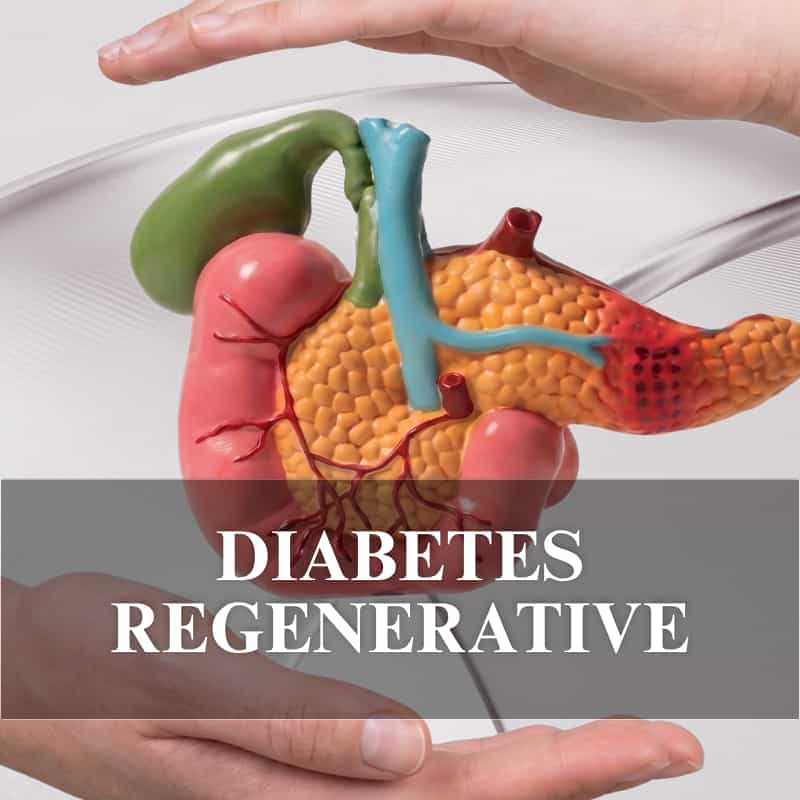
Price starting from $19,800
Diabetes Regenerative Medicine Package in Osaka, Japan by Cell Grand Clinic
Cell Grand Clinic - Best Stem Cell Clinic in Japan
- Stem Cell Therapy
Osaka, Japan

Price starting from $26,000
Stem Cell + NK Cell Immune Regeneration Package in Osaka, Japan by Cell Grand Clinic
Cell Grand Clinic - Best Stem Cell Clinic in Japan
- Stem Cell Therapy
Osaka, Japan

Price starting from $68,000
Advanced Autologous Stem Cell Treatment for Diabetes Package in Tokyo, Japan by HELENE Clinic
HELENE - Stem Cell Clinic
- Stem Cell Therapy
Tokyo, Japan
Transformative Stem Cell Therapy for Celiac Disease Experiences: Dive into Procedure Insights
Discover the power of Stem Cell Therapy for Celiac Disease through compelling patient experiences. Uncover detailed insights into procedures, recovery journeys, and life-changing results.
.png)
Price starting from $9,500
Stem Cell Therapy for Diabetes Bengaluru, India
- Stem Cell Treatment for Diabetes, Stem Cell Therapy
Bengaluru, India
.png)
Price starting from $2,250
Stem Cell Therapy for Meniscus Tear in Bangkok, Thailand
- Stem Cell Therapy for a Meniscus Tear, Stem Cell Therapy
Bangkok, Thailand
.png)
Price starting from $12,800
Stem Cell Therapy for Alzheimer’s Disease in Kuala Lumpur, Malaysia
- Stem Cell Treatment for Alzheimers Disease, Stem Cell Therapy
Kuala Lumpur, Malaysia
.png)
Price starting from $9,800
Stem Cell for Heart Disease in Kuala Lumpur, Malaysia
- Stem Cell Therapy for Heart Disease, Stem Cell Therapy
Kuala Lumpur, Malaysia








I travel from the United States to receive stem cell treatment for skin rejuvenation. I have relatives in Japan, so I used to visit a few times a year. Since my own cells are cultured and reintroduced into my body, I feel safe and reassured undergoing the treatment. About a month after the facial injections, people around me started noticing positive changes. My skin is now the best it has ever been, and I am very satisfied.
Read More