
What treatment


3+ Best Clinics for Stem Cell Treatment for Cancer in Japan
Trusted Medical Tourism Platform Since 2007
What are the best stem cell therapy clinics for cancer in Japan?
The best stem cell therapy clinics for cancer in Japan include: HELENE - Stem Cell Clinic (Tokyo), Riso Clinic (Tokyo), and Clinique Haru Osaka Umeda (Osaka).
These facilities utilize mesenchymal stem cells (MSCs) and induced pluripotent stem cells (iPSCs) for cancer support care, as well as treatments for knee osteoarthritis, diabetes, spinal cord injuries, and anti-aging. They ensure high safety standards through strict MHLW regulations, GMP-compliant laboratories, and JSRM recognition.
Treatment costs at these specialized Japanese clinics generally range from $8,000 to $45,000 USD, depending on the specific regenerative procedure and personalized medical protocol.
 100.00% Patient Recommend
Cell Grand Clinic - Best Stem Cell Clinic in Japan


Overview
Explore Cell Grand Clinic, the best stem cell clinic in Japan specializing in top regenerative therapies for anti-aging, chronic conditions, and wellness.
Read more details

 82.81% Patient Recommend
HELENE - Stem Cell Clinic
Overview
Japan Regenerative Medicine Leading Brand With over a decade of experience and more than 17,000 treated patients. Providing cutting-edge stem cell therapies tailored to various health concerns.
Read more details
Riso Clinic - Japan Stem Cell Therapy
Overview
Explore Japan stem cell therapy at Riso Clinic in Tokyo. Advanced regenerative treatments for knee osteoarthritis, joint injuries, and cartilage repair.
Read more details
Clinique Haru Osaka Umeda - Japan Stem Cell Treatment
Overview
Clinique Haru Osaka Umeda specializes in Japan stem cell treatments for joint and musculoskeletal conditions using advanced regenerative medicine.
Read more detailsDiscover your treatment options with a free, no-obligation quote!
Get your quote now! 100.00% Patient Recommend
Azabu Skin Clinic - Dermatology and Stem Cell Therapy in Japan
Overview
Azabu Skin Clinic in Tokyo offers advanced stem cell treatments, regenerative treatments, dermatology, and aesthetic care. Book your consultation today.
Read more details
copy.png)
Authored by
Usama Ahmad
Medical content writer with 5+ years of experience specializing in stem cells and regenerative medicine content.

Reviewed by
Dr. Alejandro Fernando
Dr. Alejandro Fernando is a top stem cell specialist in Mexico City, specializing in regenerative medicine, cellular therapies, and chronic disease treatment and Medical Content Reviewer
Last updated on
Which are the leading Stem Cell Treatment for Cancer clinics in Japan?
When exploring leading options for Stem Cell Treatment for Cancer in Japan, HELENE - Stem Cell Clinic in Tokyo is a prominent choice. They are recognized for their extensive experience in regenerative medicine and a high rate of patient satisfaction, focusing on advanced stem cell therapies tailored to individual needs in a highly regulated environment.
Identifying a leading clinic for advanced cancer care with stem cells involves looking at several key factors. In Japan, specialized facilities like HELENE - Stem Cell Clinic in Tokyo are known for their commitment to regenerative medicine, offering cutting-edge stem cell treatments. This clinic specifically focuses on personalized approaches, utilizing their decade-long experience and treating thousands of patients. Key attributes of top clinics include:
- Specialization: A strong focus on stem cell therapy for various conditions, including supportive care for cancer.
- Patient Feedback: High patient recommendation rates and positive testimonials.
- Experience: Years of operation and the number of patients successfully treated.
- Innovation: Adoption of the latest research and advancements in regenerative medicine.
- Accreditation: Adherence to strict national health and safety regulations.
What types of stem cells are utilized in Japanese cancer treatment clinics?
Japanese clinics specializing in stem cell therapy for cancer often employ mesenchymal stem cells (MSCs) and are at the forefront of research into induced pluripotent stem cells (iPSCs). These cells are valued for their potential to modulate immune responses, reduce inflammation, and support tissue regeneration, offering crucial benefits for cancer patients.
In Japan, the landscape of stem cell therapy, particularly for cancer, focuses on specific types of cells due to their therapeutic properties and regulatory approval status.
- Mesenchymal Stem Cells (MSCs): These adult stem cells are typically derived from bone marrow, adipose tissue (fat), or umbilical cord tissue. MSCs are favored for their ability to secrete growth factors, modulate the immune system, and differentiate into various cell types. In cancer treatment, they are often used in supportive roles, such as alleviating side effects of conventional therapies, improving recovery, and enhancing overall patient well-being, rather than directly targeting cancer cells in most cases.
- Induced Pluripotent Stem Cells (iPSCs): Japan is a global leader in iPSC research. While iPSC-based therapies for cancer are largely in early clinical trial stages, some advanced research-oriented clinics may be involved. iPSCs have the potential to differentiate into virtually any cell type, making them promising for future regenerative and targeted anti-cancer strategies. Their use is under strict ethical and safety protocols.
How do Japanese clinics ensure safety in stem cell cancer therapies?
Japanese stem cell clinics adhere to rigorous safety protocols established by the Ministry of Health, Labour and Welfare (MHLW). This includes thorough patient screening, meticulous cell preparation in sterile environments, strict quality control, and ongoing post-treatment monitoring to minimize risks and ensure patient well-being during cancer treatment.
Ensuring patient safety is a cornerstone of stem cell therapy in Japanese clinics. They implement a multi-layered approach to safety:
- Strict Regulatory Compliance: All regenerative medicine procedures are governed by the Act on the Safety of Regenerative Medicine (ASRM) by the MHLW. Clinics must obtain approval for each specific therapy they offer.
- Comprehensive Patient Screening: Prior to treatment, patients undergo extensive medical evaluations, including detailed diagnostics, to confirm their suitability and identify any potential risks.
- Meticulous Cell Handling: Stem cells are processed in highly specialized, sterile laboratories (Good Manufacturing Practice - GMP compliant facilities) to prevent contamination and ensure cell purity and viability.
- Quality Control: Rigorous testing is conducted on all stem cell products before administration to ensure they meet strict quality and safety standards.
- Informed Consent: Patients receive transparent and detailed information about the procedure, potential benefits, risks, and alternatives, empowering them to make informed decisions.
- Post-Treatment Monitoring: Patients are closely monitored for any adverse reactions during and after treatment, with clear protocols for managing complications.
What is the typical patient journey for stem cell cancer treatment in Japan?
The patient journey for stem cell cancer treatment in Japan begins with an initial consultation and comprehensive health assessment. This leads to a personalized treatment plan, followed by stem cell procurement, precise processing, and careful administration. Post-treatment, patients receive detailed follow-up care and guidance for recovery.
The patient journey for stem cell therapy for cancer in Japan is structured to provide comprehensive care:
- Initial Consultation and Evaluation: Prospective patients typically start with a detailed consultation, often remotely, followed by an in-person visit. This involves extensive medical history review, physical examinations, and advanced diagnostic tests (e.g., imaging, blood work) to confirm diagnosis, assess overall health, and determine eligibility.
- Personalized Treatment Plan: Based on the evaluation, a bespoke treatment plan is developed, outlining the type of stem cells to be used, the number of administrations, and expected outcomes.
- Stem Cell Procurement: Depending on the treatment, stem cells might be harvested from the patient's own body (autologous), typically from bone marrow or adipose tissue.
- Processing and Preparation: The harvested cells are then sent to a specialized laboratory for careful processing, expansion, and quality control. This ensures the cells are ready for therapeutic use.
- Stem Cell Administration: The prepared stem cells are administered to the patient, usually via intravenous infusion or targeted injection, tailored to the patient’s specific condition and cancer type.
- Post-Treatment Care and Follow-up: After the procedure, patients receive clear instructions for immediate care and a schedule for follow-up appointments. These check-ups are crucial for monitoring progress, assessing treatment efficacy, and addressing any concerns during the recovery period.
What criteria do Japanese clinics use to determine eligibility for stem cell cancer treatment?
Japanese clinics assess eligibility for stem cell cancer treatment based on factors like the patient's overall health status, specific cancer diagnosis and stage, prior treatment history, and a thorough analysis of potential risks and benefits. They conduct extensive diagnostic evaluations to ensure patient safety and suitability for their specialized regenerative therapies.
Eligibility for stem cell therapy in Japanese cancer clinics is carefully evaluated to ensure patient safety and the potential for positive outcomes. Criteria generally include:
- Current Health Status: Patients must be in a stable general health condition, with no active infections or severe unmanaged chronic diseases.
- Cancer Type and Stage: Certain cancers and specific stages of disease may be more responsive to stem cell support or therapy. Clinics will assess if the patient's cancer falls within their treatment scope.
- Previous Treatments: A detailed history of conventional cancer treatments (chemotherapy, radiation, surgery) is reviewed to understand their impact on the patient's body and bone marrow reserves.
- Diagnostic Test Results: Recent and comprehensive diagnostic tests, such as advanced imaging (CT, MRI, PET scans), biopsy results, and detailed blood analyses, are critical for a complete clinical picture.
- Age and Co-morbidities: While age alone isn't always a barrier, co-existing health conditions are thoroughly evaluated to ensure the patient can safely undergo the procedure and recovery.
- Realistic Expectations: It's important that patients understand the nature of stem cell therapies, especially if they are used as complementary or experimental treatments.
Are there specific support services for international patients in Japanese stem cell cancer clinics?
Yes, many Japanese stem cell cancer clinics provide comprehensive support for international patients, including multilingual coordinators, interpreter services, assistance with travel and accommodation, and guidance on navigating the medical visa process. These services aim to create a comfortable and seamless experience for patients seeking treatment abroad.
Japanese clinics that cater to international patients often offer a range of specialized services to make the experience as smooth as possible:
- Multilingual Medical Coordinators: These professionals act as a single point of contact, assisting with inquiries, appointments, and overall coordination in multiple languages, often including English.
- Interpreter and Translation Services: On-site interpreters are typically available for medical consultations and procedures. Translation of medical documents and treatment plans is also provided.
- Travel and Accommodation Assistance: Clinics often partner with local hotels or guesthouses and can help arrange airport transfers and local transportation.
- Medical Visa Support: Guidance and necessary documentation for obtaining a medical visa to Japan are usually offered to eligible patients.
- Cultural Orientation: Some facilities provide information or support to help international patients adjust to Japanese culture and customs during their stay.
- Personalized Itinerary Planning: Beyond medical appointments, some clinics help plan aspects of the patient's stay, ensuring comfort and convenience.
What kind of follow-up care can I expect from a Japanese stem cell cancer clinic?
After stem cell treatment for cancer in Japan, patients typically receive structured follow-up care involving regular medical check-ups and diagnostic tests to monitor treatment response and general health. Clinics provide personalized recovery guidance, often including lifestyle recommendations, and may offer remote consultations for international patients to ensure continuity of care.
Japanese stem cell clinics are committed to long-term patient care, and follow-up protocols are meticulously planned:
- Regular Medical Check-ups: Scheduled appointments are crucial for the medical team to assess the patient's physical condition, discuss any new symptoms, and evaluate progress. These visits typically occur at predetermined intervals post-treatment.
- Diagnostic Testing: Follow-up often includes repeating relevant diagnostic tests, such as blood work (e.g., tumor markers, complete blood count), and imaging studies (e.g., MRI, CT, PET scans). These tests help objectively measure the treatment’s impact on the cancer and overall health.
- Symptom and Side Effect Management: Any residual side effects from the stem cell therapy or underlying cancer are carefully managed, and supportive treatments are adjusted as needed.
- Personalized Recovery Plans: Patients receive individualized advice on nutrition, physical activity, and other lifestyle factors that can support their recovery and enhance the benefits of the therapy.
- Telemedicine Options: For international patients, many clinics offer remote consultation services via video or phone calls. This ensures ongoing monitoring and medical advice even after the patient returns to their home country, maintaining a continuum of care.
What advanced technologies do top Japanese clinics use for stem cell cancer therapy?
Leading Japanese clinics employ cutting-edge technologies in stem cell cancer therapy, including automated cell processing systems for optimal purity, high-resolution imaging for precise cell delivery, and advanced cryopreservation methods to maintain cell viability. These innovations ensure safe, effective, and reproducible treatment outcomes.
Top Japanese clinics leverage state-of-the-art technologies to optimize stem cell cancer therapy:
- Automated Cell Processing Systems: These systems ensure precise and sterile isolation, culture, and expansion of stem cells, minimizing human error and ensuring high quality and consistent cell preparations.
- Flow Cytometry: This technology is used to accurately identify, sort, and quantify specific stem cell populations, ensuring that only the most appropriate cells are selected for therapeutic use.
- High-Resolution Imaging: Advanced imaging techniques, including MRI, PET-CT, and SPECT, are used for precise localization of tumors and for guiding the targeted delivery of stem cells to specific anatomical sites within the body.
- Cryopreservation Technologies: Sophisticated cryopreservation techniques allow for the long-term storage of stem cells while maintaining their viability and therapeutic potential, providing flexibility for future treatments.
- Molecular and Genetic Analysis: Some clinics utilize genomic and proteomic platforms to analyze the characteristics of stem cells and the patient’s genetic profile, enabling highly personalized and targeted treatment approaches.
- Biosensors and Bioreactors: Innovative bioreactors and biosensor technologies are used to monitor cell growth conditions and ensure optimal cell function during culture, leading to superior cell product quality.
How do Japanese stem cell cancer clinics measure treatment effectiveness?
Japanese stem cell cancer clinics evaluate treatment effectiveness through a combination of rigorous methods. This typically includes regular diagnostic imaging to track tumor changes, biomarker analysis from blood tests, and systematic assessments of patient-reported symptoms and overall quality of life. Long-term follow-up is vital for comprehensive evaluation.
Measuring the effectiveness of stem cell therapies for cancer in Japanese clinics involves a comprehensive approach:
- Objective Tumor Response: This is a primary metric, assessed using advanced imaging techniques (CT, MRI, PET scans). Doctors compare pre-treatment images with post-treatment scans to evaluate changes in tumor size, metabolic activity, or spread.
- Biomarker Analysis: Blood tests are conducted to monitor specific tumor markers or other relevant biochemical indicators. A decrease in these markers often suggests a positive response to treatment.
- Clinical Symptom Assessment: Patient-reported outcomes are crucial. Clinics carefully document improvements in cancer-related symptoms such as pain reduction, increased energy levels, better appetite, and overall functional capacity.
- Quality of Life (QoL) Evaluations: Standardized questionnaires are frequently used to gauge the patient's general well-being, emotional state, social functioning, and ability to perform daily activities. Improvements in QoL are significant, especially in advanced cancer cases.
- Progression-Free Survival (PFS) and Overall Survival (OS): For certain treatments, tracking the time until cancer progression or the patient's overall survival duration helps determine long-term efficacy.
- Reduction of Side Effects from Conventional Therapies: When stem cells are used adjunctively, their ability to mitigate adverse effects of chemotherapy or radiation is also considered a measure of success.
What accreditation should I look for in a Japanese stem cell cancer clinic?
When choosing a stem cell cancer clinic in Japan, prioritize facilities accredited by the Japanese Ministry of Health, Labour and Welfare (MHLW). This ensures the clinic complies with national safety and ethical standards for regenerative medicine. Additional certifications from reputable Japanese medical societies further validate their expertise and commitment to quality.
Ensuring a stem cell cancer clinic in Japan holds the right accreditations is vital for patient safety and quality of care:
- Japanese Ministry of Health, Labour and Welfare (MHLW) Approval: This is the most crucial accreditation. All clinics offering regenerative medicine, including stem cell therapies, must be approved and registered by the MHLW under the "Act on the Safety of Regenerative Medicine" (ASRM). This legislation ensures strict oversight on research, development, and clinical application of regenerative therapies. Always verify a clinic's registration and approved therapies directly with the MHLW or a reliable medical tourism facilitator.
- Accreditation by Japanese Medical Societies: While not mandatory for operation, accreditation or recognition by professional medical organizations such as the Japanese Society for Regenerative Medicine (JSRM) indicates a clinic's commitment to high professional standards, ongoing research, and best practices within the field.
- International Quality Certifications (Optional but Valued): Some clinics may also hold international quality certifications (e.g., ISO standards, JCI accreditation if it's a larger hospital). While not specific to stem cells, these demonstrate a broader commitment to international standards of patient care and safety.
How PlacidWay helps individuals access Stem Cell Treatment for Cancer in Japan?
PlacidWay provides detailed, up-to-date information about Stem Cell Treatment for Cancer, including benefits, risks, and expected outcomes, empowering you with knowledge. We help users compare treatment in various clinics, ensuring affordable options without compromising on quality. PlacidWay assists you in finding trusted, accredited clinics and medical professionals specializing in Stem Cell Treatment for Cancer in Japan. We also offer one-on-one consultations to help users make informed decisions about their treatment, ensuring their specific needs are met. Beyond treatment, PlacidWay ensures continued support, including follow-up care and recovery assistance. Ready to get Stem Cell Treatment for Cancer in Japan? Contact us today for a personalized consultation.Share with AI
Share this page with AI assistants to get summaries and insights


List of Best Stem Cell Treatment for Cancer Clinics in Japan
Explore Stem Cell Treatment for Cancer: Stories, Testimonials, and Procedures
Watch in-depth videos covering everything from Stem Cell Treatment for Cancer success stories to detailed procedure explanations. Learn what to expect and hear from real patients.
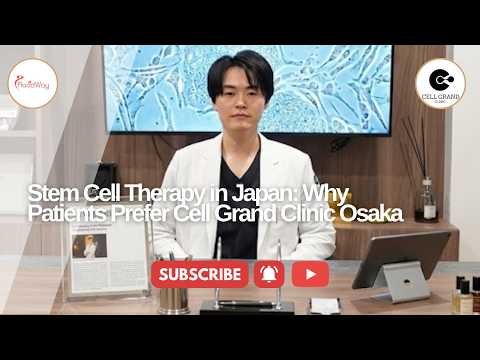
Stem Cell Therapy in Japan by Dr. Yuichi Wakabayashi: Why Patients Prefer Cell Grand Clinic Osaka
Cancer Treatment
Cell Grand Clinic - Best Stem Cell Clinic in Japan
Osaka, Japan
Minimally Invasive Stem Cell Therapy and Advanced Cultivation
Cancer Treatment
HELENE - Stem Cell Clinic
Tokyo, Japan
How Stem Cell Therapy Works at Cell Grand Clinic in Osaka, Japan
Cancer Treatment
Cell Grand Clinic - Best Stem Cell Clinic in Japan
Osaka, Japan

Cell Grand Clinic: Best Stem Cell Clinic in Japan Featured in Exclusive 28-Minute JP TV Interview
Cancer Treatment
Cell Grand Clinic - Best Stem Cell Clinic in Japan
Osaka, Japan
Unlock the Best Stem Cell Treatment for Cancer Packages Just for You
Discover the ultimate Stem Cell Treatment for Cancer packages designed to meet your health and wellness goals. Choose the perfect fit for your journey.

Price starting from $19,800
Knee Regenerative Medicine Package in Osaka, Japan by Cell Grand Clinic
Cell Grand Clinic - Best Stem Cell Clinic in Japan
- Stem Cell Therapy
Osaka, Japan

Price starting from $3,400
Stem Cell Therapy for Cancer Package in India by Dr. Pravin Patel
Dr. Pravin Patels Innovative Hospital & Research Center
- Stem Cell Therapy
Vadodara, India

Price starting from $68,000
Advanced Autologous Stem Cell Treatment for Diabetes Package in Tokyo, Japan by HELENE Clinic
HELENE - Stem Cell Clinic
- Stem Cell Therapy
Tokyo, Japan

Price starting from $10,000
Stem Cell Therapy for Diabetes Package in Tokyo, Japan by Helene Clinic
HELENE - Stem Cell Clinic
- Stem Cell Therapy
Tokyo, Japan
Transformative Stem Cell Treatment for Cancer Experiences: Dive into Procedure Insights
Discover the power of Stem Cell Treatment for Cancer through compelling patient experiences. Uncover detailed insights into procedures, recovery journeys, and life-changing results.
.png)
Price starting from $12,800
Stem Cell Therapy for Diabetes in Kuala Lumpur, Malaysia
- Stem Cell Treatment for Diabetes, Stem Cell Therapy
Kuala Lumpur, Malaysia
.png)
Price starting from $9,800
Stem Cell Therapy for Dementia in Kuala Lumpur, Malaysia
- Stem Cell Therapy
Kuala Lumpur, Malaysia
.png)
Price starting from $9,500
Stem Cell Therapy for Diabetes Bengaluru, India
- Stem Cell Treatment for Diabetes, Stem Cell Therapy
Bengaluru, India
.png)
Price starting from $2,250
Stem Cell Therapy for Meniscus Tear in Bangkok, Thailand
- Stem Cell Therapy for a Meniscus Tear, Stem Cell Therapy
Bangkok, Thailand








I travel from the United States to receive stem cell treatment for skin rejuvenation. I have relatives in Japan, so I used to visit a few times a year. Since my own cells are cultured and reintroduced into my body, I feel safe and reassured undergoing the treatment. About a month after the facial injections, people around me started noticing positive changes. My skin is now the best it has ever been, and I am very satisfied.
Read More