
What treatment


3+ Best Clinics for Stem Cell Treatment for Diabetes in South Korea
Trusted Medical Tourism Platform Since 2007
What are the best clinics for stem cell treatment for diabetes in South Korea?
The best clinics for stem cell treatment for diabetes in South Korea are Chaum Medical Center (Seoul), Seoul Smart Bon Clinic (Seoul), and Yonsei BH Clinic (Seoul).
These leading facilities are JCI-accredited and operate strictly regulated GMP-certified laboratories. They specialize in Mesenchymal Stem Cell (MSC) therapies derived from umbilical cord blood, adipose tissue, and bone marrow to help regenerate pancreatic cells, reduce inflammation, and improve insulin production. Advanced regenerative treatment packages in South Korea typically start around $33,000 USD, providing comprehensive care that includes targeted cell delivery, extensive metabolic diagnostics, and personalized post-treatment diabetes management.
 100.00% Patient Recommend
Chaum Medical Center


Overview
Premium healthcare at Chaum Medical Center, Seoul. Personalized anti-aging, stem cell therapy, and advanced medical services for a youthful life.
Read more details
Seoul Smart Bon Clinic in South Korea

Overview
Discover advanced care at Spine, Neurology & Stem Cell Clinic in South Korea by Seoul Smart Bon Clinic with innovative treatments for lasting recovery.
Read more details
Yonsei BH Clinic


Overview
Yonsei BH Clinic offers advanced stem cell therapy in Seoul, South Korea, for erectile dysfunction, anti-aging, Parkinson disease, dementia, diabetes, and more.
Read more details
Allheart plastic surgery
AllHeart Plastic Surgery in Gangnam specializes in advanced cosmetic procedures, offering expert care in a modern facility for natural and safe results.


copy.png)
Authored by
Usama Ahmad
Medical content writer with 5+ years of experience specializing in stem cells and regenerative medicine content.
Reviewed by
Dr. Alejandro Fernando
Dr. Alejandro Fernando is a top stem cell specialist in Mexico City, specializing in regenerative medicine, cellular therapies, and chronic disease treatment and Medical Content Reviewer
Last updated on
Why South Korea is the Premier Destination for Stem Cell Therapy for Diabetes?
South Korea has positioned itself at the global forefront of biotechnology and regenerative medicine. For patients seeking innovative solutions to manage blood sugar, reduce insulin dependence, and heal metabolic damage, this dynamic nation offers unparalleled clinical excellence.
World-Leading Biotech Infrastructure
South Korea invests heavily in stem cell research, boasting some of the most advanced, sterile cell expansion laboratories in the world. Facilities here utilize state-of-the-art bioreactors to cultivate high-yield, pure mesenchymal stem cells (MSCs) specifically optimized for pancreatic tissue repair and immune modulation.
Strict KFDA Regulations
Safety is paramount in South Korean medical tourism. The Korean Food and Drug Administration (KFDA) enforces incredibly strict protocols on cellular therapies. Patients can rest assured that their treatments undergo rigorous screening for viability, sterility, and ethical sourcing, surpassing standards found in many other regions.
Holistic Endocrine Integration
Treating diabetes requires more than just an injection. South Korean clinics integrate regenerative therapy with elite endocrinology. Treatment protocols often include comprehensive metabolic profiling, advanced nutritional counseling, and post-therapy monitoring to maximize the engraftment of cells and long-term beta-cell function.
Cost-Effective Technological Superiority
Despite offering top-tier, "smart hospital" environments and highly concentrated cellular protocols, South Korea remains remarkably affordable compared to North America. Patients can access experimental and proven regenerative diabetes treatments for up to 55% less than the cost of similar unapproved trials in the US.
Stem Cell Therapy for Diabetes Costs in South Korea vs. United States (2026)
Review the projected 2026 pricing for metabolic regenerative protocols. South Korean facilities offer comprehensive, transparent packages that address both the autoimmune aspects of Type 1 and the insulin resistance of Type 2 diabetes.
| Procedure | South Korea Price | US / UK Price | You Save | Savings % |
|---|---|---|---|---|
| Systemic MSC IV Protocol (Type 2) | $12,000–$16,000 | $25,000–$35,000 | $13,000+ | 52% |
| Immunomodulation Protocol (Type 1) | $18,000–$24,000 | $40,000–$55,000 | $22,000+ | 55% |
| Pancreatic Targeted Artery Infusion | $20,000–$28,000 | $45,000–$65,000 | $25,000+ | 56% |
| Diabetic Neuropathy & Wound Therapy | $8,000–$12,000 | $18,000–$25,000 | $10,000+ | 55% |
* Prices are 2026 estimates based on verified PlacidWay partner clinics in South Korea. Total costs vary widely depending on the patient's current metabolic state, the millions of stem cells prescribed, and the days of hospitalization required. Request a free quote for personalized pricing.
Seoul vs. Alternative South Korean Cities for Diabetes Stem Cell Treatment
South Korea offers multiple hubs for advanced biotechnology. Here is how the capital compares to other prominent medical destinations within the country for metabolic regeneration.
Seoul
Capital City Innovation
The undeniable center of South Korea's medical revolution. Seoul houses the nation's largest research hospitals and the most prestigious regenerative medicine clinics. It is ideal for patients requiring highly complex, multi-disciplinary endocrinology and stem cell interventions.
Incheon
Gateway City
Located next to the international airport, Incheon features dedicated Free Economic Zones built specifically for foreign medical tourists. It offers ultimate convenience, modern smart-hospitals, and rapid access to systemic stem cell IV therapies without navigating central Seoul traffic.
Busan
Southern Metropolis
A fantastic alternative offering top-tier cellular therapies combined with a more relaxed, coastal atmosphere. Busan is perfect for patients treating diabetic complications who wish to recover in a less frenetic environment while still accessing excellent biotechnology.
Jeju Island
Volcanic Retreat
Known for medical wellness tourism, Jeju combines standard regenerative IV protocols with holistic health retreats. It is best suited for Type 2 diabetic patients looking to overhaul their lifestyle, diet, and metabolic health in a pristine natural setting post-treatment.
Stem Cell Therapies for Diabetes in South Korea
Depending on your diagnosis, South Korean specialists deploy various cellular strategies to combat insulin resistance, halt autoimmune attacks, and regenerate damaged tissues.
Systemic MSC Therapy (Type 2 Diabetes)
$12,000 – $16,000Designed to address severe insulin resistance. Mesenchymal Stem Cells (MSCs) are administered via intravenous drip to reduce systemic inflammation throughout the body. The cells migrate to damaged areas, promoting cellular repair in the liver, muscles, and improving the body's overall sensitivity to endogenous insulin.
Save $13,000+ vs. US prices
Immunomodulation Protocol (Type 1)
$18,000 – $24,000Because Type 1 is an autoimmune condition, this advanced protocol uses specific regulatory stem cells to essentially "reset" the immune system. The goal is to halt the body's destruction of pancreatic beta cells, preserving any remaining insulin-producing capacity and preventing further metabolic deterioration.
Save $22,000+ vs. US prices
Pancreatic Targeted Infusion
$20,000 – $28,000A highly specialized, localized delivery method where stem cells are introduced directly into the pancreatic artery via a minimally invasive catheter. This ensures the maximum concentration of regenerative cells reaches the pancreas to stimulate the repair and regeneration of dormant beta cells.
Save $25,000+ vs. US prices
Diabetic Neuropathy Regeneration
$8,000 – $12,000Focused on reversing the painful complications of chronic diabetes. Localized stem cell injections, often combined with exosome therapy, are applied to the lower extremities to stimulate angiogenesis (new blood vessel growth), repair nerve damage, and heal non-closing diabetic foot ulcers.
Save $10,000+ vs. US prices
How to Choose a Diabetes Stem Cell Clinic in South Korea?
Metabolic regenerative medicine requires extreme precision and safety. Follow this 5-step checklist to ensure you select a fully accredited and capable facility in South Korea.
Verify KFDA Approval and Lab Standards
Ensure the clinic’s cell processing laboratory complies strictly with Korean Food and Drug Administration guidelines. Ask if they use ISO-certified cleanrooms for cell expansion to prevent any contamination before the cells enter your bloodstream.
Demand an Endocrinology Evaluation
A reputable clinic will not simply inject stem cells. They must require extensive prior bloodwork (HbA1c, C-peptide levels, autoantibodies) and have a licensed endocrinologist on staff to monitor your metabolic response safely.
Understand the Cell Source
Clarify whether you will receive autologous cells (from your own bone marrow or fat) or allogeneic umbilical cord MSCs. Umbilical cord cells are often preferred for diabetes in Korea due to their potent immunomodulatory properties and youthful vigor.
Ask About Realistic Outcomes
Beware of clinics promising an overnight "cure." Top South Korean facilities focus on realistic goals: lowering HbA1c, reducing daily insulin dependency, increasing energy, and reversing peripheral nerve damage over several months.
Book Through a Trusted Network
Language barriers and complex medical terminology can be overwhelming. Use PlacidWay to ensure you are communicating with vetted, internationally certified hospitals in Seoul or Incheon that specialize in foreign patient care.
Your Metabolic Regeneration Journey in South Korea
Understanding the clinical process step-by-step removes uncertainty. Here is what to expect when traveling to South Korea for diabetic cellular care.
Step 1: Extensive Pre-Qualification
Before travel, you will submit detailed medical records, including recent HbA1c, fasting glucose, C-peptide results, and details of any complications. The South Korean medical board will review your case to ensure you are a safe and viable candidate for therapy.
Step 2: Arrival & Deep Diagnostic Testing
Upon arriving at your chosen hospital in Seoul or Incheon, you will undergo a comprehensive metabolic and cardiovascular workup. This establishes a definitive baseline to measure the future success of the stem cell engraftment and adjusts your final cell dosage.
Step 3: The Cellular Infusion Protocol
In a highly sterile clinical setting, the customized stem cells are administered. This is typically done via a slow systemic intravenous (IV) drip over several hours, or through targeted arterial injection, depending on your specific protocol. It is generally painless.
Step 4: Observation and Adjunct Therapies
You will remain under observation for a few days. During this time, hospitals often provide adjunct treatments such as nutritional IVs, hyperbaric oxygen therapy, or specialized diets to create the optimal internal environment for the new cells to survive and thrive.
Step 5: Long-Term Monitoring from Home
Cellular regeneration is a slow process taking 3 to 6 months. You will return home and maintain contact with your South Korean specialists. They will guide your primary care doctor in slowly titrating down your insulin or oral medications as your natural metabolic function improves.
South Korea Stem Cell Therapy for Diabetes FAQ
Get clear, detailed answers to the most critical questions regarding regenerative treatments for metabolic conditions in South Korea.
What Patients Say About Metabolic Regeneration in South Korea
Discover how international patients have reclaimed their health and reduced their dependency on medications through advanced cellular protocols in South Korea.
"After struggling with unmanageable Type 2 diabetes and severe neuropathy for a decade, I felt hopeless. The medical team in Seoul was incredibly thorough, treating me not just with stem cells, but comprehensively analyzing my whole endocrine system. Five months later, my HbA1c dropped from 9.2 to 6.4, and the burning in my feet is completely gone."
"As a Type 1 diabetic, I knew a total cure wasn't realistic, but the constant blood sugar spikes were exhausting. I chose South Korea because of their strict safety standards. The umbilical stem cell IV process was smooth and professional. Today, my required insulin dosage has been cut in half, and I have a level of energy I haven't felt since I was diagnosed."
Why Choose PlacidWay for Your Stem Cell Journey?
Traveling to Asia for complex biological treatments requires absolute confidence in your medical provider. PlacidWay protects your health and your investment by guiding you to the most prestigious institutions.
Rigorous Clinic Vetting
We independently audit every South Korean partner hospital. We ensure they hold valid KFDA certifications for cellular processing and employ board-certified endocrinologists and regenerative specialists.
Objective Medical Options
We are an independent facilitator, meaning we provide you with transparent profiles and pricing from multiple leading facilities in Seoul and Incheon, allowing you to make an empowered, unbiased decision.
Direct Specialist Access
Before you commit to traveling, we facilitate secure virtual consultations. You will speak directly with the South Korean medical team to discuss your bloodwork, set realistic expectations, and review the customized protocol.
Dedicated Patient Advocacy
Our coordination team assists with translating your medical history, transferring complex laboratory records, and ensuring clear communication between you and the international hospital throughout your entire recovery timeline.
Take Control of Your Metabolic Future Today
Do not let diabetes dictate your quality of life. Explore cutting-edge cellular regeneration in South Korea and save over 50% compared to Western options. Connect with world-renowned specialists to see if you are a candidate.
Get Free QuoteDisclaimer: PlacidWay is a medical tourism facilitator and does not provide medical advice, diagnosis, or treatment. We connect patients with independently verified clinics abroad. Always consult with a qualified endocrinologist or primary healthcare provider regarding your specific metabolic condition before undergoing stem cell therapy.
Share with AI
Share this page with AI assistants to get summaries and insights


List of Best Stem Cell Treatment for Diabetes Clinics in South Korea
Unlock the Best Stem Cell Therapy Packages Just for You
Discover the ultimate Stem Cell Therapy packages designed to meet your health and wellness goals. Choose the perfect fit for your journey.
Price starting from $9,000
Diabetes Mellitus Type 1 & 2 in Mumbai, India by StemRX
StemRx Hospital and Research Centre
- Stem Cell Therapy
Mumbai,Navi Mumbai, India

Price starting from $12,800
Stem Cell Therapy for Diabetes Package in Kuala Lumpur, Malaysia by FirstCell
FirstCell Malaysia
- Stem Cell Therapy
Kuala Lumpur, Malaysia
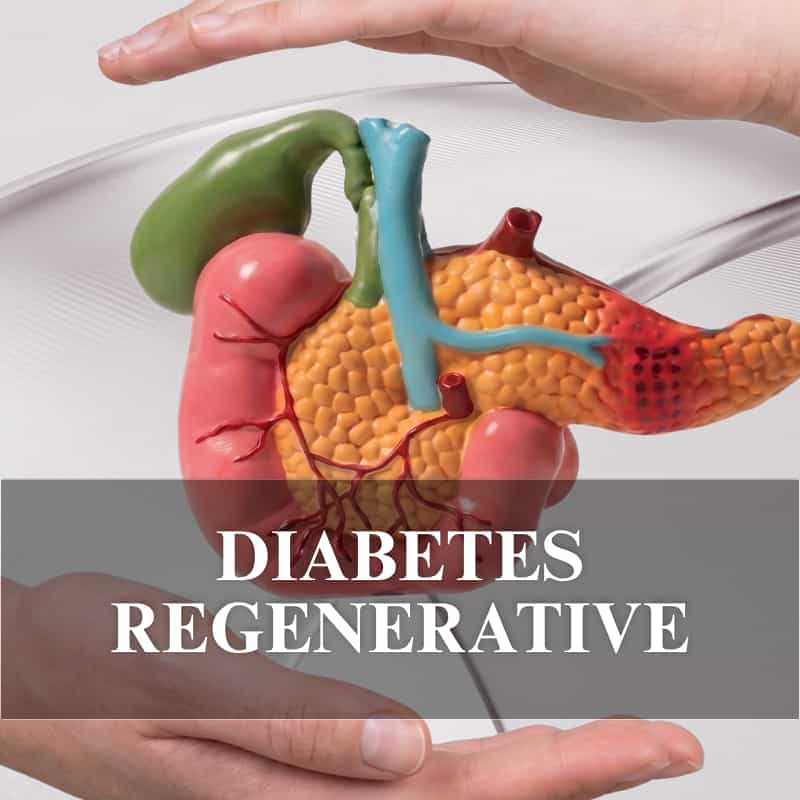
Price starting from $19,800
Diabetes Regenerative Medicine Package in Osaka, Japan by Cell Grand Clinic
Cell Grand Clinic - Best Stem Cell Clinic in Japan
- Stem Cell Therapy
Osaka, Japan
Price starting from $68,000
Advanced Autologous Stem Cell Treatment for Diabetes Package in Tokyo, Japan by HELENE Clinic
HELENE - Stem Cell Clinic
- Stem Cell Therapy
Tokyo, Japan
Transformative Stem Cell Therapy Experiences: Dive into Procedure Insights
Discover the power of Stem Cell Therapy through compelling patient experiences. Uncover detailed insights into procedures, recovery journeys, and life-changing results.
.png)
Price starting from $9,500
Stem Cell Therapy for Diabetes Bengaluru, India
- Stem Cell Treatment for Diabetes, Stem Cell Therapy
Bengaluru, India
.png)
Price starting from $19,800
Stem Cell Therapy for Diabetes in Japan
- Stem Cell Treatment for Diabetes, Stem Cell Therapy
Japan
.png)
Price starting from $10,000
Stem Cell Therapy for Diabetes in Tokyo, Japan
- Stem Cell Treatment for Diabetes, Stem Cell Therapy
Tokyo, Japan
.png)
Price starting from $7,500
Stem Cell Therapy in India for Diabetes Type 1
- Stem Cell Treatment for Diabetes, Stem Cell Therapy
India
Explore Stem Cell Therapy: Stories, Testimonials, and Procedures
Watch in-depth videos covering everything from Stem Cell Therapy success stories to detailed procedure explanations. Learn what to expect and hear from real patients.
Can Stem Cell Treatment in Bangkok, Thailand Replace Surgery Explained by EDNA Wellness?
Stem Cell Therapy
EDNA Wellness - Surgeon-Led Stem Cell Clinic in Bangkok Thailand
Thailand

This Is the Idea Behind Regenerative Medicine in Bangkok, Thailand | EDNA Wellness
Stem Cell Therapy
EDNA Wellness - Surgeon-Led Stem Cell Clinic in Bangkok Thailand
Thailand
Seoulful Healing: Unveiling Excellence in Health Tourism in South Korea
Stem Cell Therapy
PlacidKorea
South Korea
Beyond Insulin: The Latest Regenerative Treatment for Diabetes and Complications in Japan
Stem Cell Therapy
Cell Grand Clinic - Best Stem Cell Clinic in Japan
Japan
Learn More with These Stem Cell Therapy Articles
Take a look at these interesting articles, stories and research that will help you learn more about Stem Cell Therapy.
Stem Cell Therapy for Type 2 Diabetes in Bangkok, Thailand: What Current Research Shows
EDNA Wellness - Surgeon-Led Stem Cell Clinic in Bangkok Thailand
- Stem Cell Therapy
Thailand
Managing Diabetes with Stem Cell Therapy in India: A Breakthrough Approach to Blood Sugar Regulation
Dr. Pravin Patel Innovative Hospital & Research Center
- Stem Cell Therapy
India

Stem Cell Therapy for Diabetes in Japan: The Ultimate Guide to Treatment, Costs, and Clinics
PlacidWay Medical Tourism
- Stem Cell Therapy
Japan
.png)
Diabetes Stem Cell Breakthroughs in India: Safe, Effective, and Affordable in 2026
PlacidWay Medical Tourism
- Stem Cell Therapy
India
Stem Cell Therapy Solutions Near You: Explore Top Medical Centers
Discover how Stem Cell Therapy is transforming lives at leading medical centers in , South Korea. Dive into center profile, specialties, doctors, reviews, etc. and explore the best options tailored to your needs in this region.
Seoul Smart Bon Clinic in South Korea
Seoul, South Korea
Allheart plastic surgery
Seoul, South Korea
Yonsei BH Clinic
Seoul, South Korea
Chaum Medical Center
Seoul, South Korea








Hospital attended by rich people in Cheongdam-dong, Gangnam
Read More