
What treatment


5+ Best CAR T Cell Therapy Doctors in China
Top Rated CAR T Cell Therapy Specialists in China with 6 Verified Patient Reviews | Avg. Rating 5.0★
Trusted Medical Tourism Platform Since 2007
We feature 5+ top-rated CAR T cell therapy specialists in China, holding a 5.0-star average across 6 verified patient reviews. These highly experienced hematologists and medical oncologists practice in accredited cancer institutes equipped with advanced stem cell labs and specialized intensive care units. They focus on treating complex blood cancers such as relapsed leukemia and lymphoma, utilizing dedicated emergency response teams to carefully monitor patients and manage recovery.
During the course of care, patients can receive leukapheresis, cellular immunotherapy, and bridging chemotherapy. Demonstrating a commitment to strict clinical safety protocols, many specialists practice at NMPA-approved hospitals and maintain professional memberships with ASCO, ASH, and EHA. To support individuals traveling for care, these medical centers provide fluent English communication, dedicated translation staff, and comprehensive video consultations to review PET scans before arrival.
 Language: English,Chinese
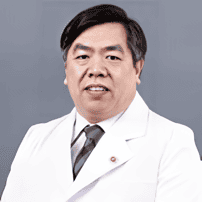
Dr. Shao Zonghong
- Hematologist, CAR-T Cell Therapy Specialist
Dr. Shao Zonghong – Leading Hematologist & CAR-T Cell Therapy Specialist in Beijing, China Dr. Shao Zonghong is a highly distinguished and internationally recogniz
Read more details
 Language: English,Chinese
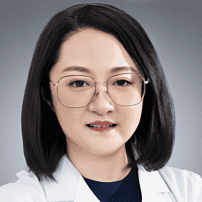
Dr. Fu Rong
- Hematologist, CAR-T Cell Therapy Specialist
About Dr. Fu Rong: Premier Hematologist and CAR-T Cell Therapy Specialist in Beijing, China Dr. Fu Rong is a highly distinguished, world-renowned Hematologist an
Read more details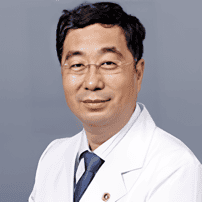 Language: English,Chinese
Dr. Zhong Dingsheng
- Oncologist, CAR-T Cell Therapy Specialist
About Dr. Zhong Dingsheng: Leading Oncologist & CAR-T Cell Therapy Specialist Director of the Department of Medical Oncology | Beijing Bioocus International M
Read more details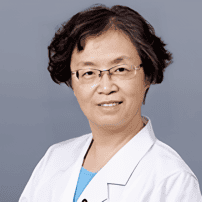 Language: English
Dr. Wang Yan
- Oncologist, CAR-T Cell Therapy Specialist
Dr. Wang Yan – Chief Oncologist & Respiratory Medicine Specialist Dr. Wang Yan is a highly distinguished and globally respected Chief Physician, Profe
Read more detailsDiscover your treatment options with a free, no-obligation quote!
Get your quote now!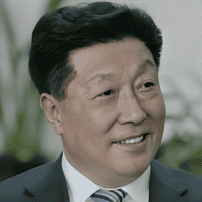 Language: English,Chinese
Dr. Xishan Hao
- Oncologist, CAR-T Cell Therapy Specialist
Dr. Xishan Hao – World-Renowned Oncologist & CAR-T Cell Therapy Specialist Dr. Xishan Hao is a highly distinguished, world-class Oncologist and CAR-T
Read more details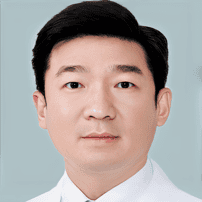 Language: English,Chinese
Dr. Jihui Hao
- Oncologist, CAR-T Cell Therapy Specialist
About Dr. Jihui Hao: Leading Oncologist & CAR-T Cell Therapy Specialist in Beijing, China Dr. Jihui Hao is a highly esteemed and globally recognized oncologist and a
Read more detailsComplete List of Verified CAR T Cell Therapy Doctors in China
| Doctor | Location | Speciality | Center Name | Rating | Language |
|---|---|---|---|---|---|
| Dr. Shao Zonghong |
Beijing, China | Hematologist, CAR-T Cell Therapy Specialist | Beijing Bioocus Medical Group | 5.0 | English, Chinese |
| Dr. Fu Rong |
Beijing, China | Hematologist, CAR-T Cell Therapy Specialist | Beijing Bioocus Medical Group | 5.0 | English, Chinese |
| Dr. Zhong Dingsheng |
Beijing, China | Oncologist, CAR-T Cell Therapy Specialist | Beijing Bioocus Medical Group | 5.0 | English, Chinese |
| Dr. Wang Yan |
Beijing, China | Oncologist, CAR-T Cell Therapy Specialist | Beijing Bioocus Medical Group | 5.0 | English |
| Dr. Xishan Hao |
Beijing, China | Oncologist, CAR-T Cell Therapy Specialist | Beijing Bioocus Medical Group | 5.0 | English, Chinese |
| Dr. Jihui Hao |
Beijing, China | Oncologist, CAR-T Cell Therapy Specialist | Beijing Bioocus Medical Group | 5.0 | English, Chinese |
Authored by
Subham Sarkar
Subham Sarkar is a Medical Content Writer at PlacidWay who specializes in creating introductory guides and clinic profiles for the medical tourism industry. With 10 months of experience, he focuses on breaking down complex international healthcare logistics to help prospective patients confidently navigate their early treatment research.

Reviewed by
Dr. Orhan Sencan
Consult with Dr. Orhan Sencan, a leading oncologist in Istanbul, Turkey, specializing in cancer treatment, immunotherapy, and personalized care for cancer patients.
Last updated on
Frequently Asked Questions About
Who are the best CAR T cell therapy doctors in China?
The best CAR T cell therapy doctors in China include top hematologists and oncologists like Dr. Shao Zonghong, Dr. Fu Rong, Dr. Zhong Dingsheng, Dr. Wang Yan, and Dr. Xishan Hao. These renowned specialists have decades of experience in hematology-oncology and cellular immunotherapy, successfully treating complex leukemia and lymphoma cases. Review their specific clinical success rates and schedule a video consultation to discuss your specific cancer diagnosis today.
What qualifications should I look for in a CAR T cell therapy specialist in China?
When selecting a CAR T cell therapy specialist in China, look for board-certified hematologists or medical oncologists with advanced fellowships in cellular immunotherapy. Ensure they are affiliated with NMPA-approved hospitals and hold international memberships like ASCO or ASH. Doctors treating complex blood cancers should have at least 10 years of specialized experience. Request their medical credentials and peer-reviewed research publications before making your final medical travel decision.
How do I choose the right oncologist for CAR T cell therapy in China?
Choose the right oncologist for CAR T cell therapy in China by evaluating their clinical trial experience, hospital infrastructure, and patient survival rates. Top specialists like Dr. Xishan Hao work in internationally accredited cancer institutes equipped with advanced apheresis and stem cell labs. Always verify their English proficiency or translation support availability for international patients. Compare at least three specialists to find the best fit for your medical needs.
Do CAR T cell therapy doctors in China have international medical certifications?
Yes, many leading CAR T cell therapy doctors in China hold prestigious international medical certifications and memberships, such as the American Society of Hematology (ASH) or European Hematology Association (EHA). Specialists like Dr. Shao Zonghong and Dr. Fu Rong actively participate in global clinical trials and collaborate with western institutions. Check your chosen doctor's CV for international fellowships to ensure they follow global safety and efficacy protocols for cellular therapy.
What questions should I ask my Chinese CAR T cell therapy doctor during consultation?
During your consultation with a Chinese CAR T cell therapy doctor, ask about their specific success rate with your exact cancer type, such as Diffuse Large B-Cell Lymphoma. Inquire about potential side effects like Cytokine Release Syndrome (CRS) and their ICU management protocols. You should also ask about the estimated 3 to 4-week treatment timeline and post-infusion monitoring plans. Write down these questions and book an initial teleconsultation for precise answers.
What is the success rate of top CAR T cell therapy doctors in China?
The success rate of top CAR T cell therapy doctors in China is highly competitive globally, often achieving an overall response rate of 70% to 90% for certain relapsed or refractory blood cancers. Highly experienced specialists, such as Dr. Wang Yan and Dr. Zhong Dingsheng, utilize advanced targeted therapies that maximize remission chances while minimizing severe neurotoxicity. Always ask your specific oncologist for their personal clinical data regarding your exact diagnosis.
How much does a consultation with a CAR T cell therapy specialist in China cost?
An initial video consultation with a top-tier CAR T cell therapy specialist in China typically costs between $150 and $300 USD. This fee includes a comprehensive review of your medical records, PET scans, and previous biopsy reports to determine your eligibility for cellular immunotherapy. Since total treatment packages can range from $70,000 to $120,000, investing in an expert second opinion is crucial. Contact our team to book your priority consultation today.
How experienced are Chinese hematologists in managing CAR T cell therapy side effects?
Chinese hematologists are incredibly experienced in managing CAR T cell therapy side effects, particularly Cytokine Release Syndrome (CRS) and neurotoxicity. Doctors like Dr. Fu Rong and Dr. Shao Zonghong lead specialized intensive care teams trained to administer life-saving medications like Tocilizumab at the first sign of complications. When selecting your physician, confirm that their facility has a dedicated 24-hour emergency response unit specifically for cellular immunotherapy cancer patients.
Can international patients communicate easily with CAR T cell doctors in China?
Most top-tier CAR T cell doctors in China, especially those in major international hospitals, speak fluent English or work alongside dedicated medical translators. Specialists treating international patients are accustomed to coordinating with your home country's local oncologists for pre-treatment blood work and post-therapy follow-up care. To ensure smooth communication, verify that your chosen hospital provides a dedicated international patient coordinator before finalizing your medical travel arrangements.
How long does it take for a doctor in China to manufacture CAR T cells?
Once your specialist in China extracts your T-cells through leukapheresis, the laboratory manufacturing process typically takes 14 to 21 days. During this critical period, your oncologist may administer bridging chemotherapy to keep your cancer stable. Leading doctors like Dr. Xishan Hao utilize cutting-edge biolabs to ensure the genetic modification process is swift and highly sterile. Discuss your complete medical timeline with your physician to properly plan your stay in China.
Medical Disclaimer: The information provided on this page is for educational and informational purposes only and does not constitute medical advice. Always consult with a qualified healthcare professional before making any medical decisions. PlacidWay facilitates connections between patients and providers but does not endorse any specific doctor, clinic, or procedure. Individual results may vary, and surgical procedures carry risks including infection, scarring, and complications.
List of Best CAR T Cell Therapy Doctors in China
CAR T Cell Therapy Solutions Near You: Explore Top Medical Centers
Discover how CAR T Cell Therapy is transforming lives at leading medical centers in , China. Dive into center profile, specialties, doctors, reviews, etc. and explore the best options tailored to your needs in this region.
Hebei Yanda International Hospital
Beijing, China
Boao International Medical Center in Hainan, China
Qionghai, China
.png)
Beijing Bioocus Medical Group
Beijing, China
Transformative CAR T Cell Therapy Experiences: Dive into Procedure Insights
Discover the power of CAR T Cell Therapy through compelling patient experiences. Uncover detailed insights into procedures, recovery journeys, and life-changing results.

Explore CAR T Cell Therapy : Stories, Testimonials, and Procedures
Watch in-depth videos covering everything from CAR T Cell Therapy success stories to detailed procedure explanations. Learn what to expect and hear from real patients.
Medical Tourism in Istanbul, Turkey – Transforming Lives with Expert Healthcare
CAR T Cell Therapy
International Multispecialty Hospital in Istanbul, Turkey
Turkey
Patient Thank-You Story Featuring Treatment at King Faisal Specialist Hospital in Riyadh, Saudi Arabia
CAR T Cell Therapy
King Faisal Specialist Hospital and Research Centre (KFSHRC) in Riyadh, Saudi Arabia
Saudi Arabia
From Diagnosis to Recovery: Alternative GIST Treatment Journey in Mexico
CAR T Cell Therapy
ITC Immunity Therapy Center - Alternative Cancer Treatment in Tijuana
Mexico
Learn More with These CAR T Cell Therapy Articles
Take a look at these interesting articles, stories and research that will help you learn more about CAR T Cell Therapy .
.jpg)
CAR-T Cell Therapy in China - Five Myths for Patients from Indonesia
PlacidWay Medical Tourism
- CAR-T Cell Therapy
China
Multiple Myeloma and CAR T-Cell Therapy: A New Hope for Patients
PlacidWay Medical Tourism
- CAR-T Cell Therapy
China
Multiple Myeloma Came Back After a Transplant? Understanding BCMA CAR-T Therapy in China
PlacidWay Medical Tourism
- CAR-T Cell Therapy
China
We collaborate with internationally accredited hospitals and clinics to ensure the highest standards of safety, quality, and patient care.

JCI
Joint Commission International

ISO
International Organization for Standardization

COFEPRIS
COFEPRIS (Federal Commission for Sanitary Risk Protection - Mexico)

TURKEY MOH
Turkey Ministry of Health

DHCC
Dubai Healthcare City Authority (DHCC)

NABH
NABH (National Accreditation Board for Hospitals & Healthcare Providers - India)

KOREA MOHW
Korea Ministry of Health & Welfare (MOHW)

Alice
PlacidWay Virtual Assistant
You're talking with PlacidWay
We're here to help you 24/7
Call Now Hang UpRequest a callback
Provide info, PlacidWay calls at your time.