What treatment

What treatment
The price for Hip Replacement Surgery Partial or Total in Ensenada, Mexico typically ranges from $12499 to $12499. On average, you can expect to pay around $12499 for this procedure. The price may vary depending on the clinic and the specific details of the treatment, so it’s always best to consult with a local provider for the most accurate quote.
In Ensenada, Mexico, Hip Replacement Surgery Partial or Total typically costs between $12499 and $12499. The final price can depend on the clinic’s reputation, medical team, and the complexity of the procedure. It’s a good idea to get a detailed consultation to understand the full scope of services and any additional costs that may apply to your treatment.
Discover your treatment options with a free, no-obligation quote!
Get your quote now!The average cost of a total hip replacement surgery in Ensenada, Mexico, typically ranges from $12,500 to $17,000 USD. This price is significantly lower than in countries like the United States, where the same procedure can cost upwards of $40,000.
This cost-effective pricing makes Ensenada an attractive destination for medical tourists seeking high-quality orthopedic care without the hefty price tag. The final price within this range depends on several factors, including the type of implant used (ceramic, metal, or plastic), the surgeon's experience, and the specific hospital's amenities. Even at the higher end of the range, patients can expect savings of 50-70% compared to U.S. prices.
Most medical tourism packages for hip replacement in Mexico are comprehensive. They generally include the surgeon's fees, anesthesia costs, hospital stay, the prosthetic implant, pre-operative tests, and post-operative consultations.
Reputable providers aim to make the process as seamless as possible by bundling all necessary medical costs into one transparent price. A typical all-inclusive package often covers:
Always confirm the exact inclusions with your chosen provider to ensure there are no surprises.
While packages are often all-inclusive, potential extra costs can include prescription medications after discharge, fees for unforeseen complications, extended hospital stays beyond the standard package, and personal travel expenses.
It’s wise to plan for a small contingency fund. Common expenses not covered in a standard surgical package include your flights, pre- and post-operative accommodation, and meals outside the hospital. Additionally, if you have pre-existing conditions that require specialized consultations or if a rare complication arises, these may incur extra charges. Be sure to ask your provider for a clear list of what is not included in your quote.
The lower cost of hip replacement in Mexico is not due to lower quality but to economic factors. These include a lower cost of living, reduced administrative and labor costs, and a favorable currency exchange rate, allowing clinics to offer world-class care at a fraction of the price.
Hospitals in Mexico do not have the same level of administrative bloat or insurance-related overhead as U.S. facilities. Malpractice insurance is also significantly less expensive for surgeons. These savings are passed directly to the patient. Essentially, you are paying for the medical service itself, not the complex and costly healthcare system that exists in many Western countries.
Generally, most domestic insurance plans from the U.S. or Canada do not cover elective procedures performed in Mexico. It is crucial to check directly with your insurance provider, as some may offer partial reimbursement or have specific international coverage options.
Some progressive U.S. employers and a handful of insurance companies are starting to explore international medical travel as a cost-saving measure, but this is not yet the norm. You should call your insurer and ask specifically about their policy on "out-of-network" and "overseas" medical care. For peace of mind, many patients purchase a separate medical travel insurance policy that covers potential complications during their trip.
Patients typically have several payment options. These often include self-payment via wire transfer or credit card, and sometimes financing through third-party medical loan companies that specialize in funding for medical tourism.
Most hospitals require payment before the procedure. Wire transfers are a common method for larger sums. While credit cards are accepted, be aware of your daily limit and potential foreign transaction fees. For those who need to finance the procedure, medical tourism facilitators can often connect you with lenders who offer competitive rates for financing international healthcare.
A partial hip replacement (hemiarthroplasty) is usually less expensive than a total hip replacement in Mexico. The cost difference is due to the simpler nature of the surgery and the less complex prosthetic implant used, often resulting in savings of 15-25%.
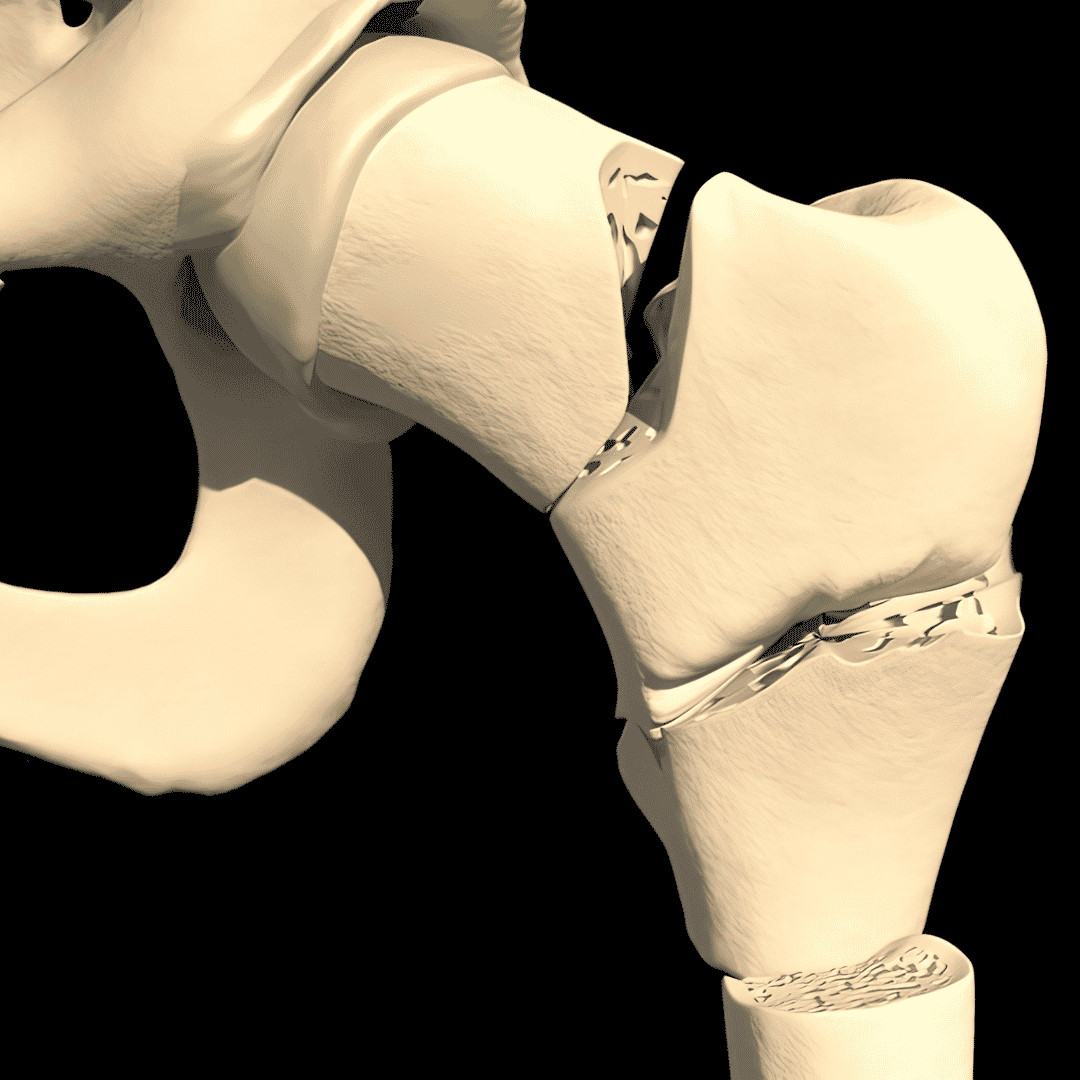
A partial hip replacement only replaces the ball portion of the hip joint, leaving the natural socket intact. A total hip replacement involves replacing both the ball and the socket. The decision between the two is based on your specific medical condition, not cost. Your orthopedic surgeon will recommend the appropriate procedure after reviewing your X-rays and medical history.
Beyond the surgical costs, you should budget for several non-medical expenses. This includes round-trip airfare, accommodation for before and after your hospital stay, daily meals, and costs for a travel companion if you bring one.
To create a complete budget, consider these items:
Absolutely not. The lower cost is a reflection of the local economy, not the quality of care. Many hospitals in Mexico are internationally accredited, and surgeons are often board-certified and trained in the U.S. or Europe, using the same high-quality implants and technology.
Top medical tourism destinations in Mexico pride themselves on adhering to the highest international standards. Surgeons often have extensive experience, performing a high volume of hip replacements for international patients. They use implants from the same leading manufacturers (like Zimmer Biomet, Stryker, and DePuy) that are used in the United States. Patient testimonials and accreditations are good indicators of a facility's commitment to quality.
To get a personalized quote, you will need to provide your recent medical records, including X-rays or MRI scans of your hip. A surgeon will review your case to determine the best course of action and provide a detailed, all-inclusive price estimate for your specific procedure.
The process is straightforward. A medical tourism facilitator or the hospital's international patient department will guide you. You'll submit your diagnostic images and a brief medical history online. An orthopedic specialist will then conduct a remote evaluation and create a custom treatment plan with a firm price quote, ensuring you know the exact cost before you commit to travel.
Ready to take the next step towards a pain-free life?
Contact us today to receive a personalized quote and get your questions answered by a dedicated care team.
Important Disclaimer
PlacidWay.com provides medical travel information, not healthcare services. We don't endorse any providers, and we're not responsible for the care you receive.
Pricing: Prices on our site are estimates only, provided by the centers. Always confirm actual prices directly with the provider before booking to ensure full transparency and avoid hidden fees.
Your Health: Consult your local licensed healthcare provider before pursuing any treatment found on our site. Your health decisions are your responsibility.
Share this page with AI assistants to get summaries and insights


Discover the finest Hip Replacement Surgery Partial or Total packages in Ensenada, Mexico. Choose from tailored options that deliver the best results.

Price starting from $12,600
Tijuana, Mexico
.png)
Price starting from $22,000
Cancun, Mexico
Price starting from $12,499
Ensenada, Mexico

Price starting from $16,900
Puerto Vallarta, Mexico
Explore the journeys of patients in Ensenada, Mexico as they share their Hip Replacement Surgery Partial or Total experiences. Gain valuable insights into the procedures and the life-changing impacts they had.
.png)
Guadalajara, Mexico
.png)
Price starting from $8,900
Tijuana, Mexico
.png)
Price starting from $12,000
Puerto Vallarta, Mexico
.png)
Price starting from $16,000
Cabo San Lucas, Mexico


