

A worn hip can make walking, sleeping, and even getting out of a chair difficult. This total hip replacement surgery in Tijuana, Mexico is intended for adults whose hip pain and loss of function may warrant joint replacement after orthopedic assessment, with a starting price of $12,600. Plan roughly 10–14 days in or near Tijuana; exact stay, eligibility, implant, inclusions, and final price require medical review.
Key Insights Before You Plan Hip Replacement in Tijuana
- Starting package price: $12,600, with final pricing dependent on clinical assessment, implant requirements, hospital needs, and the written treatment plan.
- Travel planning: allow about 10–14 days locally as a practical planning range; your surgeon must decide when you are medically fit to travel.
- Facility verification: before paying a deposit, confirm that the surgical facility holds the appropriate sanitary authorization from Mexico’s COFEPRIS for facilities performing surgery.
- Specialist verification: confirm the operating orthopedist’s current specialty certification through the Consejo Mexicano de Ortopedia y Traumatología (CMOT) and CONACEM’s specialist certification search.
- Clinical fit matters: severe pain alone is not enough; imaging, medical history, overall health, previous conservative treatment, mobility limits, and anesthesia risk all influence candidacy.
- Get the details in writing: ask for the implant brand/model, surgical approach, hospital nights, rehabilitation plan, complication policy, and every included or excluded charge before travel.
How Much Does Total Hip Replacement in Tijuana Cost?
Total hip replacement in Tijuana cost starts at $12,600 for the package. Final cost can change with implant choice, medical complexity, hospitalization, testing, rehabilitation, or unexpected care.
Hip Replacement Cost Comparison for International Patients
| Location | Cost Context | What Patients Should Compare |
|---|---|---|
| Tijuana, Mexico | From $12,600 | Confirm exactly which surgeon, implant, facility, anesthesia, hospital, medication, imaging, and rehabilitation charges are bundled. |
| United Kingdom — private self-pay | PHIN’s March 2026 city averages range from £13,847 to £17,540 per hip. | UK package prices may not include initial consultation or physiotherapy, so compare like-for-like written inclusions. |
| Canada — publicly insured pathway | Eligible residents generally do not pay a direct surgical charge for medically necessary insured hospital and physician services. | A Mexico self-pay package is not directly comparable with Canadian public coverage; patients should compare timing, travel expenses, aftercare, and out-of-country coverage rules. |
| United States — self-pay/private | There is no single national all-in cash package price; hospital, surgeon, payer, implant, and care setting can materially change the quote. | Request a written Good Faith Estimate or cash estimate that separates facility, surgeon, anesthesia, implant, imaging, and rehabilitation costs. |
Comparison note: these pathways are not financially identical. Compare the same services, including implant, hospital, rehabilitation, and travel.
Estimated Package Cost Breakdown
Individual allocations were not supplied. Ask for a written quote confirming whether each item below is bundled into the $12,600 starting price.
| Procedure Item | Estimated Cost | Short Description |
|---|---|---|
| Orthopedic surgeon fee | Bundled — confirm | Professional surgical fee for primary total hip replacement. |
| Hip implant and components | Bundled — confirm | Ask for manufacturer, model, materials, fixation method, and warranty information. |
| Hospital and operating room | Bundled — confirm | Facility, operating room, nursing, and routine surgical supplies. |
| Anesthesia services | Bundled — confirm | Anesthesiologist assessment, anesthesia, and immediate monitoring. |
| Preoperative testing | Bundled — confirm | May include laboratory tests, ECG, imaging, or medical clearance. |
| Routine medications | Bundled — confirm | Pain control, antibiotics, and clot-prevention medication as prescribed. |
| Early physiotherapy | Bundled — confirm | Initial walking, transfer training, exercises, and mobility guidance. |
| Postoperative review | Bundled — confirm | Wound, mobility, medication, and travel-readiness review. |
| Total starting package price | $12,600 | Final amount depends on medical assessment and confirmed inclusions. |
What Should Be Included in a Hip Replacement Package?
Your written quote should mark each item as included, optional, or separately payable.
- Orthopedic surgical consultation and operative planning
- Total hip replacement procedure and surgeon’s professional fee
- Hip prosthesis with brand, model, materials, and fixation method identified
- Operating room, standard hospital supplies, and nursing care
- Anesthesia assessment and anesthesia services
- Routine preoperative laboratory testing and required imaging, if specified
- Hospital accommodation for the number of nights stated in the quote
- Routine inpatient medications and prescribed clot-prevention measures
- Early postoperative physiotherapy and walking assistance
- Discharge instructions, medication plan, and scheduled postoperative review
Which Costs May Be Outside the Package?
- Flights, transport, travel documents, meals, and accommodation outside the hospital
- Companion travel and lodging expenses
- Extra imaging, specialist consultations, or medical clearance required because of existing conditions
- Additional hospital nights or intensive monitoring beyond the quoted plan
- Complication treatment, readmission, revision surgery, or unplanned procedures unless covered
- Extended physiotherapy, home nursing, walking aids, or rehabilitation after returning home
- Prescription medicines needed after the included supply ends
- Travel insurance or medical complication insurance
Who May Be Considered for Total Hip Replacement?
Hip replacement may be considered when joint damage limits daily life and suitable nonsurgical treatment has not provided enough relief. Eligibility is individualized.
- People with advanced osteoarthritis or other significant hip-joint damage confirmed by imaging
- Patients with persistent hip or groin pain that interferes with walking, sleep, work, or basic activities
- People who have tried suitable nonsurgical care without adequate improvement
- Patients medically fit for surgery, anesthesia, and rehabilitation
- People willing and able to follow movement precautions, clot-prevention instructions, wound care, and physiotherapy
Medical Records Needed for a Preliminary Hip Surgery Review
- Recent pelvis and hip X-rays; MRI or CT reports if already performed
- Orthopedic consultation notes and diagnosis
- Current medication and supplement list, including blood thinners
- Relevant medical history, including heart, lung, kidney, diabetes, clotting, infection, and anesthesia issues
- Records of prior hip surgery, injections, rehabilitation, or other treatments
- Recent laboratory results and ECG when available
- Allergy information, including medication and metal sensitivity concerns
- Height, weight, mobility level, smoking status, and history of DVT or pulmonary embolism
What Happens During Total Hip Replacement Surgery?
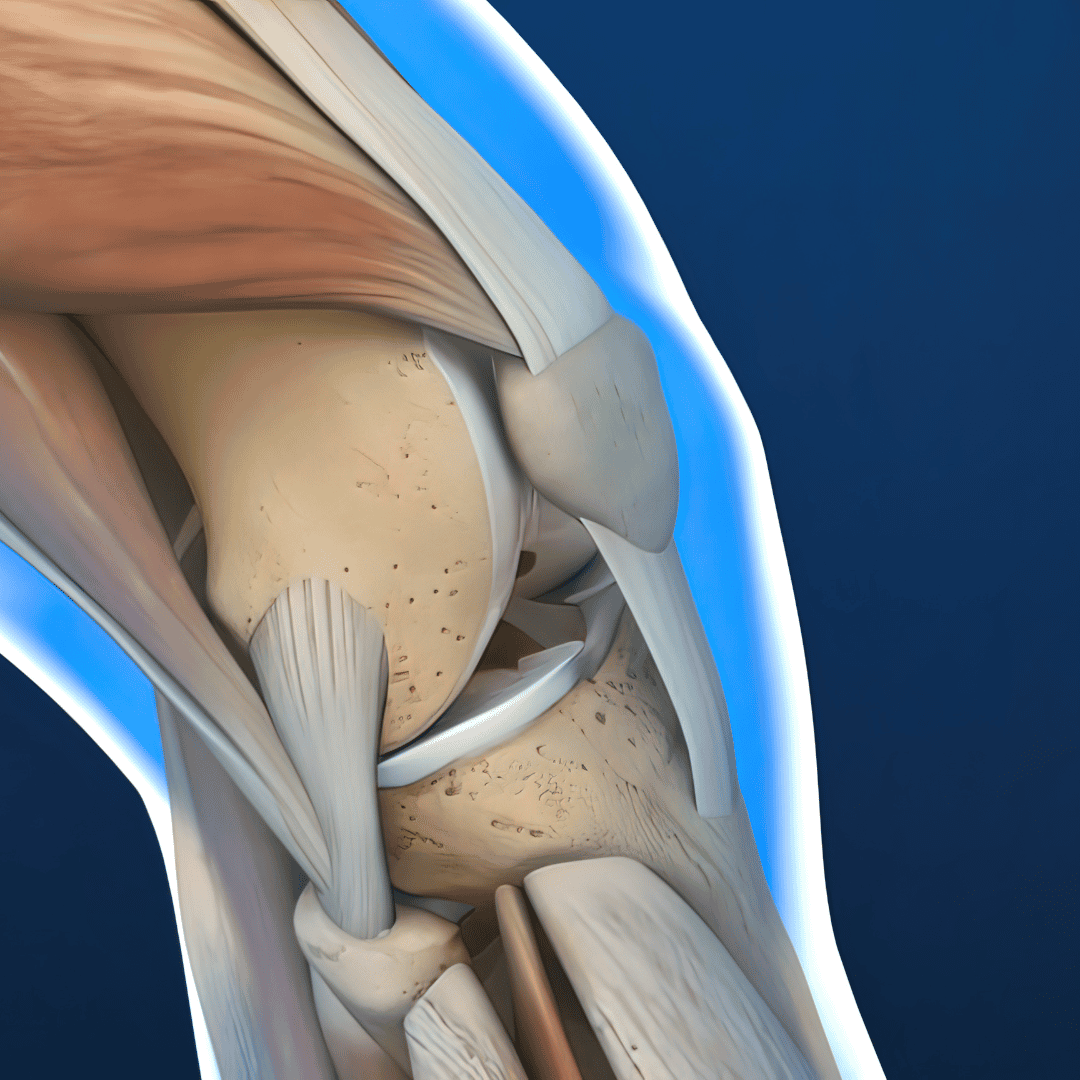
Total hip replacement removes damaged portions of the ball-and-socket joint and replaces them with artificial components. Implant, fixation, and surgical approach depend on anatomy, bone quality, diagnosis, and clinical judgment.
- Preoperative review: the team checks imaging, laboratory results, medication instructions, medical clearance, and the operative plan.
- Anesthesia: general or regional/spinal anesthesia may be used depending on the patient and anesthesia plan.
- Access to the joint: the surgeon reaches the hip through the selected surgical approach while protecting surrounding structures.
- Damaged tissue is removed: the damaged femoral head is removed and the hip socket is prepared.
- Implant placement: the acetabular cup, liner, femoral stem, and new ball are positioned. Components may be cemented, press-fit, or combined depending on the case.
- Stability check and closure: the surgeon checks alignment, motion, and stability before closing the incision.
- Recovery and mobilization: vital signs and pain are monitored, and walking with assistance usually begins early when medically appropriate.
Hip Replacement Treatment Timeline for Medical Travelers
- Before booking: send records and imaging for orthopedic review; receive a written clinical plan and itemized quote.
- Before travel: complete requested medical clearance, review medications, arrange a companion if advised, and plan accessible accommodation.
- Arrival in Tijuana: attend in-person evaluation and any repeat tests required by the surgeon or anesthesiologist.
- Surgery day: undergo total hip replacement followed by recovery-room monitoring and hospital care as clinically indicated.
- First days: begin assisted walking, exercises, pain control, wound monitoring, and clot-prevention measures.
- Local recovery: continue mobility progression and attend the scheduled postoperative review before departure.
- Return home: continue rehabilitation and arrange follow-up with the operating team and a local clinician, especially if symptoms change.
How Long Should You Stay in Tijuana After Hip Replacement?
For international planning, roughly 10–14 days in or near Tijuana is a cautious working range, not a guaranteed requirement. Because surgery and prolonged travel can increase blood-clot risk, your treating physician should approve departure based on wound healing, mobility, medications, and journey length.
- Hospital discharge may occur after a short stay when pain is controlled and you can move safely with an aid.
- Stay close enough to the surgical team for early wound and mobility review.
- Do not book a non-changeable return trip before the surgeon discusses travel clearance.
- If flying or taking a long car trip, ask specifically about movement breaks, compression, hydration, and prescribed clot-prevention medication.
Recovery and Aftercare After Total Hip Replacement
First 1–3 days: focus is on pain control, circulation, safe transfers, walking with a walker or crutches, and basic exercises. Some swelling and soreness are expected, but worsening pain, chest symptoms, fever, or wound drainage need prompt medical review.
Weeks 1–3: walking distance usually increases gradually. Follow the surgeon’s wound instructions and any hip-position precautions; do not copy another patient’s exercise plan because surgical approaches and individual restrictions differ.
Weeks 3–6: many patients progress toward light daily activities as strength and balance improve. Driving, work, stairs, and walking without an aid should be resumed only when the treating team considers them safe.
Beyond 6 weeks: recovery continues over several months. Ongoing strengthening, walking, weight management when appropriate, and periodic orthopedic follow-up can help protect the new joint.
Risks and Possible Complications to Discuss Before Surgery
Total hip replacement is major surgery. This list is not exhaustive; your surgeon should explain how your health, medications, implant, and travel plan affect risk.
- Blood clots in the legs (DVT) or lungs (pulmonary embolism)
- Superficial or deep infection around the surgical wound or implant
- Hip dislocation, particularly while soft tissues are healing
- Bleeding, hematoma, delayed wound healing, or need for transfusion
- Fracture of the femur or pelvis during or after surgery
- Nerve, blood vessel, muscle, tendon, or other soft-tissue injury
- Leg-length difference, stiffness, persistent pain, or altered gait
- Implant wear, loosening, failure, or later need for revision surgery
- Medical complications related to anesthesia or underlying heart, lung, kidney, or metabolic disease
What Results Can You Reasonably Expect?
The goals are to reduce pain from the damaged joint and improve movement and function. Results vary, and surgery cannot guarantee a pain-free hip or return to every activity.
- Pain related to the damaged joint may improve substantially, though some discomfort can persist.
- Walking and everyday activities often become easier as strength and confidence return.
- Recovery speed varies with age, overall health, preoperative fitness, surgical factors, and rehabilitation.
- High-impact activities may remain restricted to reduce stress on the implant.
- Artificial joints can wear or loosen over time, so long-term follow-up remains important even when the hip feels well.
Frequently Asked Questions About Hip Replacement in Tijuana
Is $12,600 the final price for every patient?
No. It is a starting package price. Your final quote may change after the surgeon reviews imaging, medical history, implant needs, tests, hospital requirements, and any additional care. Ask for a written itemized quote before paying a deposit.
How do I know whether I actually need a total hip replacement?
An orthopedic surgeon should assess your symptoms, examination, X-rays, diagnosis, functional limits, and response to nonsurgical treatment. A medical-travel quote should never replace a clinical decision about whether surgery is appropriate.
What implant will be used in my hip?
Ask for the manufacturer, model, materials, fixation method, and why the surgeon recommends it. Keep implant identification in your medical records.
How long will I be in the hospital?
Hospital stay varies with health, anesthesia recovery, pain control, and mobility. Your written plan should state included nights and the cost of any necessary extra stay.
When can I travel home after surgery?
There is no safe departure date that applies to everyone. For medical-travel planning, allow roughly 10–14 days locally and obtain surgeon clearance. Long periods of immobility after major surgery deserve particular attention because of blood-clot risk.
Should someone travel with me?
A companion can help with transportation, medications, meals, and safe movement. Ask whether the surgical team recommends one for your case.
What happens if I develop a complication after returning home?
Request a written complication plan and emergency contact instructions. Arrange local follow-up for wound, medication, mobility, or urgent concerns after you return.
How can I verify the hospital and orthopedic surgeon in Mexico?
Confirm the facility’s COFEPRIS sanitary license and the orthopedic specialist’s certification through CMOT/CONACEM. Also request professional license and implant details.
When can I walk normally again?
Walking usually begins with assistance soon after surgery, but comfortable unaided walking can take weeks. Progress depends on strength, balance, preoperative mobility, surgical factors, and rehabilitation.
What should I confirm before paying for the package?
Confirm the diagnosis, procedure, surgeon, hospital, implant, included nights, anesthesia, tests, rehabilitation, medication supply, cancellation terms, complication costs, follow-up plan, and exact total. Keep the agreement and all medical records in writing.
Compare Your Hip Replacement Plan Before You Travel
If you are considering total hip replacement in Tijuana, start with your X-rays, medical history, and goals. A personalized review can help you compare the surgical plan, stay, implant, inclusions, and final cost.
Request Free QuoteMedical Disclaimer
This content is for general informational and educational purposes only and is not a diagnosis, medical recommendation, or substitute for care from a licensed physician. Eligibility, risks, travel timing, implant choice, recovery expectations, and final pricing require an individual assessment by the treating medical team.
Medical and Patient-Safety References
- American Academy of Orthopaedic Surgeons — Total Hip Replacement
- CDC Yellow Book — Medical Tourism and Postoperative Travel Risks
- U.S. FDA — General Information About Hip Implants
- COFEPRIS — Licensing Requirements for Facilities Performing Surgery
- Private Healthcare Information Network — 2026 Average Private Package Prices




























Share this listing