What treatment

What treatment
The price for Laparoscopic Hiatal Hernia Repair Procedure in Merida, Mexico typically ranges from $4000 to $4000. On average, you can expect to pay around $4000 for this procedure. The price may vary depending on the clinic and the specific details of the treatment, so it’s always best to consult with a local provider for the most accurate quote.
In Merida, Mexico, Laparoscopic Hiatal Hernia Repair Procedure typically costs between $4000 and $4000. The final price can depend on the clinic’s reputation, medical team, and the complexity of the procedure. It’s a good idea to get a detailed consultation to understand the full scope of services and any additional costs that may apply to your treatment.
Discover your treatment options with a free, no-obligation quote!
Get your quote now!The cost of a Laparoscopic Hiatal Hernia Repair in Merida, Mexico, typically ranges from $5,500 to $8,500 USD. This price is often part of an all-inclusive package, making it significantly more affordable than in countries like the United States.
This price range is an estimate and can vary, but it provides a solid idea of the substantial savings available. The primary reason for this affordability is the lower cost of living and operating expenses in Mexico. This includes everything from staff salaries and hospital administration to malpractice insurance. These savings are passed directly to you, the patient, without compromising the quality of medical care or the technology used.
Most medical tourism packages for hiatal hernia repair in Mexico are comprehensive, covering all primary medical expenses. This generally includes the surgeon's fees, anesthesia, hospital stay, nursing care, and standard medications used during your hospitalization.
Think of it as a one-stop price for the entire medical side of your journey. A typical package will often include:
Some premium packages may even include ground transportation from the airport to the hospital and your hotel, adding another layer of convenience.
While reputable providers strive for price transparency, potential extra costs can arise. These may include charges for treating unforeseen complications, extending your hospital stay beyond the standard period, or expenses for non-medical items like travel and accommodation.
It’s crucial to clarify what is not included in your package. Typically, you will be responsible for your own airfare, accommodation outside the hospital, meals, and any tourism-related activities. Also, if you require specialized tests beyond the standard pre-op panel or if a complication requires additional procedures or a longer hospital stay, those costs may be extra. Always ask for a detailed quote and discuss potential additional charges with your provider beforehand.
The cost of hiatal hernia surgery in Mexico is substantially lower, often representing a savings of 50-70% compared to prices in the United States or Canada. A procedure that might cost over $20,000 in the U.S. can be done for a fraction of that in Mexico without sacrificing quality.
For many patients, especially those who are uninsured or underinsured, this price difference makes the procedure accessible. Even after factoring in travel and accommodation costs, the total expense is often far less than the co-pay or deductible for the same surgery in their home country. This value proposition is the main driver behind Mexico's popularity as a top medical tourism destination.
It's highly unlikely that your standard domestic health insurance plan from the U.S. or Canada will cover elective surgery in Mexico. It's always best to contact your insurance provider directly, but most patients pay for the procedure out-of-pocket.
Some international or PPO plans might offer partial reimbursement, but you should never assume coverage. You will typically be required to pay the Mexican hospital directly and then file a claim with your insurer afterward, which may or may not be successful. Because the costs in Mexico are so low, many find it simpler and more affordable to pay directly rather than navigate the complex and often fruitless process of seeking insurance reimbursement.
Medical facilities in Mexico that serve international patients typically offer several payment methods. These often include wire transfers, credit cards, and cashier's checks. Some may also have connections with third-party medical financing companies to help you manage the cost.
It's important to discuss payment logistics well in advance. Most hospitals require a deposit to secure your surgery date, with the final balance due upon arrival or before the procedure. Be sure to check with your credit card company about foreign transaction fees and daily limits to ensure a smooth payment process.
Several factors can affect the final price of your surgery. These include the surgeon's experience and reputation, the specific hospital's standards and accreditation, the complexity of your hernia, and whether surgical mesh is required for the repair.
For instance, a surgeon with decades of experience and international recognition may charge more than a newly established one. Similarly, a JCI-accredited hospital with resort-like amenities will have a higher price point. If your hernia is particularly large, has recurred, or is complicated by other anatomical issues, the surgery may take longer and require more resources, which can also influence the cost.
Absolutely not. The lower cost is a reflection of Mexico's different economic structure, including lower overhead, labor, and malpractice insurance costs. Many hospitals in cities like Merida are internationally accredited and feature surgeons trained in the U.S. or Europe.
These facilities use the exact same FDA-approved equipment, materials, and techniques that you would find in a top U.S. hospital. The surgeons are often members of international medical societies and are highly skilled in laparoscopic procedures. The quality of care is world-class; the price is simply adjusted to the local economy.
Yes, in most all-inclusive packages, standard pre-operative consultations and tests (like blood work and EKGs) are covered. The price also includes initial post-operative care, such as your hospital stay and follow-up visits with the surgeon before you return home.
The goal of these packages is to eliminate financial surprises. Your pre-surgery evaluation is a key part of the process and is included. After your operation, the nursing care, medications, and the surgeon's final check-up are all part of the fee. However, remember that any long-term follow-up care once you are back in your home country will be your own responsibility.
In addition to your medical bill, you should budget for non-medical expenses. Plan for an additional $700 to $2,000 USD to cover round-trip airfare, accommodation for your pre- and post-op recovery period (usually 7-10 days), meals, and local transport.
This budget can vary widely based on your preferences. You might choose a budget-friendly Airbnb or a more luxurious hotel. It's also wise to factor in costs for a travel companion, as it's highly recommended to have someone with you for support. Merida is a beautiful and affordable city, so you can recover comfortably without breaking the bank.
Ready to explore your options for affordable, high-quality medical care?
Contact us today to get a personalized quote and start your journey toward relief.
Important Disclaimer
PlacidWay.com provides medical travel information, not healthcare services. We don't endorse any providers, and we're not responsible for the care you receive.
Pricing: Prices on our site are estimates only, provided by the centers. Always confirm actual prices directly with the provider before booking to ensure full transparency and avoid hidden fees.
Your Health: Consult your local licensed healthcare provider before pursuing any treatment found on our site. Your health decisions are your responsibility.
Share this page with AI assistants to get summaries and insights


Discover the finest Laparoscopic Hiatal Hernia Repair Procedure packages in Merida, Mexico. Choose from tailored options that deliver the best results.

Price starting from $3,600
Mexicali, Mexico
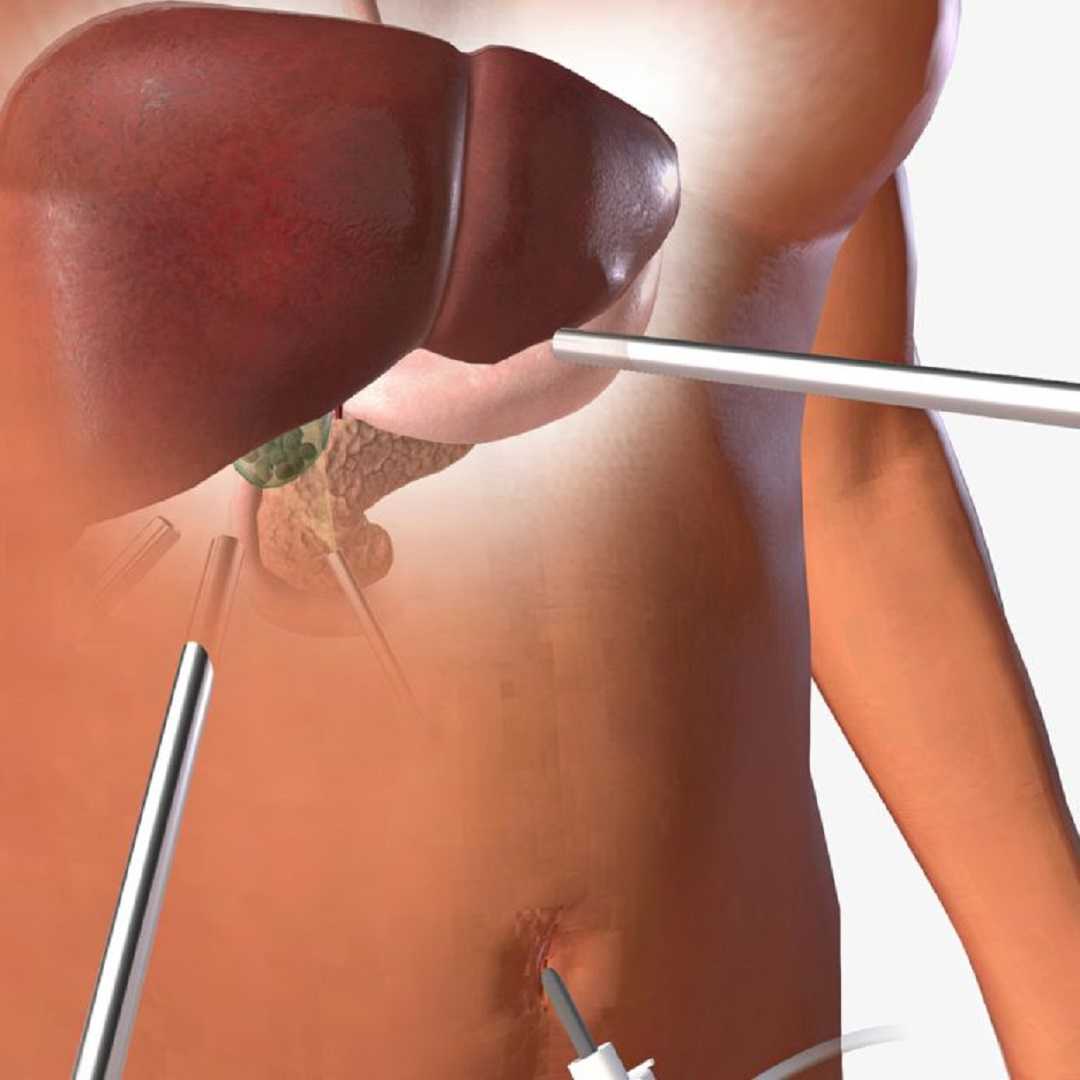
Price starting from $3,900
Piedras Negras, Mexico
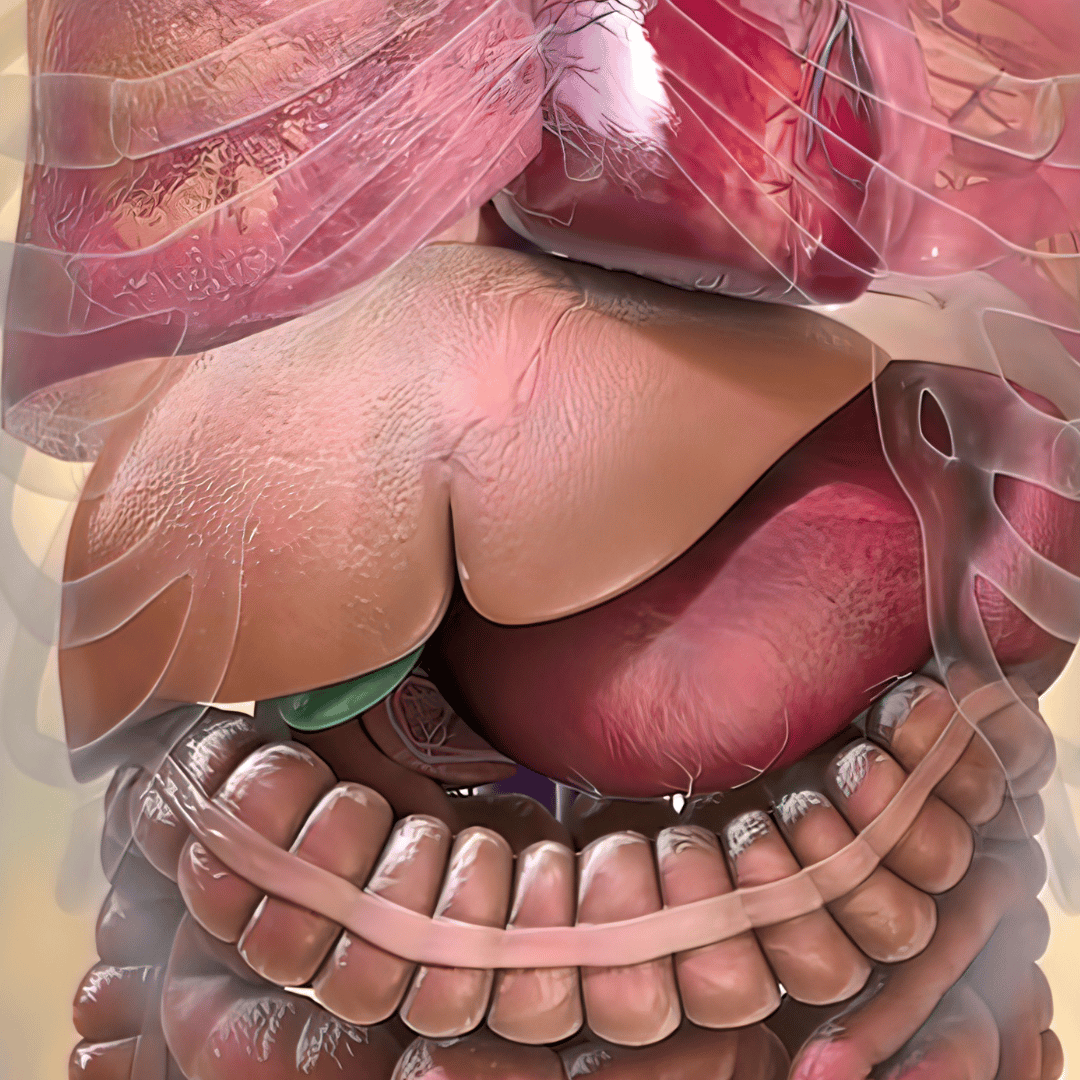
Price starting from $4,000
Merida, Mexico
Price starting from $3,200
Piedras Negras, Mexico
Explore the journeys of patients in Merida, Mexico as they share their Laparoscopic Hiatal Hernia Repair Procedure experiences. Gain valuable insights into the procedures and the life-changing impacts they had.
.png)
Price starting from $2,200
Mexico
.png)
Price starting from $2,200
Mexico
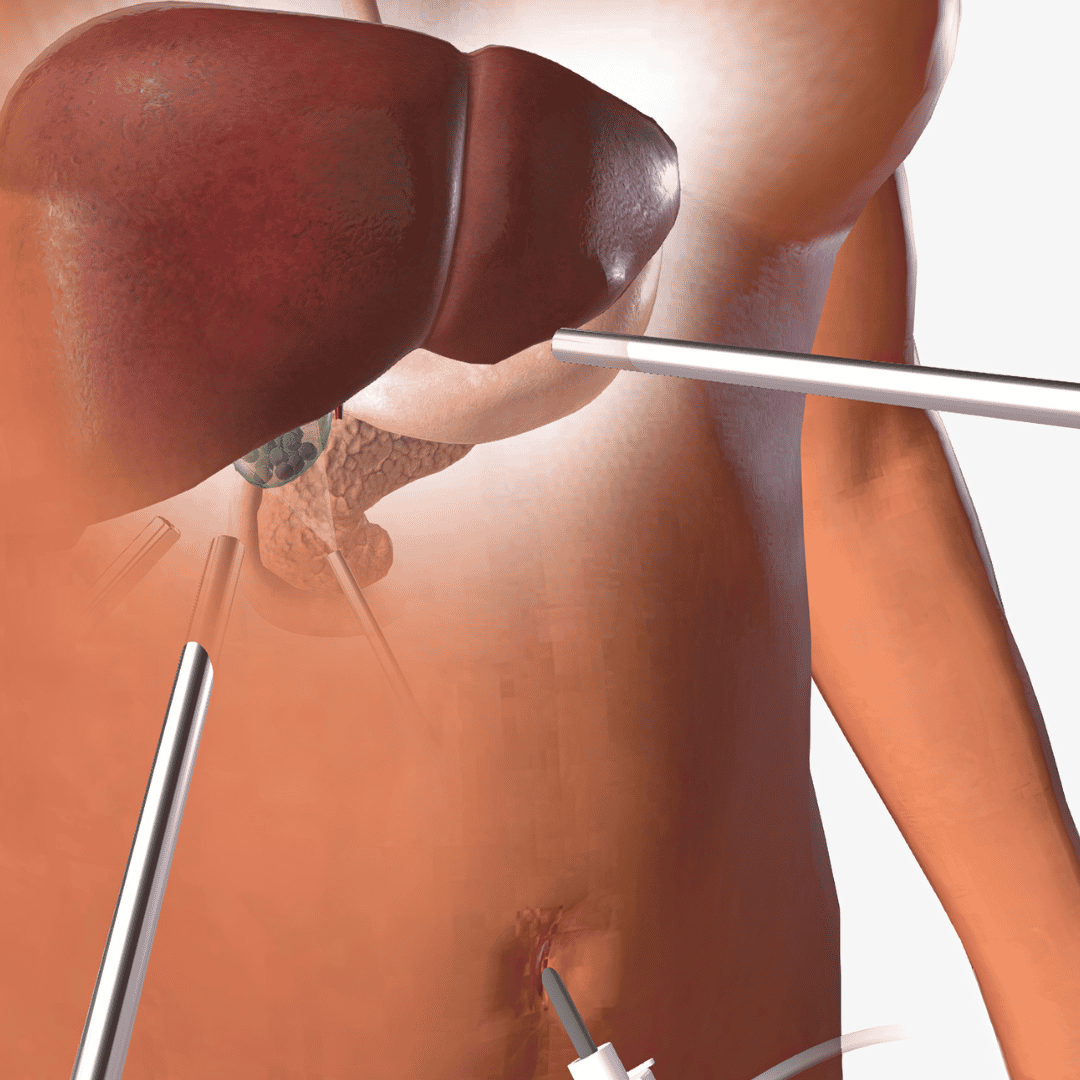
Price starting from $3,600
Mexico


