Thigh Lift in South Korea costs on average $3700, with most clinics quoting between $3500 and $3900. Based on verified quotes from 23+ clinics, last updated 2026-06-01. Compare clinic prices, see what's included, and estimate your total trip cost below.
Last Updated: Jul 2026 Author: Angelu Galaw Medically reviewed by Dr. Lorenzo Halverson
Medical Center Reviews
310 Reviews
6.5K
$3500 Price starting from
Share this listing
Quick Facts: Thigh Lift in South Korea
Get essential quick facts about getting a thigh lift in South Korea. Compare the average cost, explore the price range, and find key details for your trip.
Procedure
Thigh Lift
Location
South Korea
Average Price (USD)
$3700
Price Range (USD)
$3500 - $3900
Last Verified
2026-06-01
How Much Does a Thigh Lift Cost in South Korea?
Explore the average cost of a thigh lift in South Korea. Review detailed pricing for inner, outer, and bilateral thigh lifts to budget for your surgery.
Procedure
Low
High
Typically Includes
Mini Thigh Lift
$4,000
$6,500
Inner thigh, minimal skin removal
Standard Thigh Lift
$6,000
$9,000
Extensive skin and fat removal
Extended Thigh Lift
$8,000
$12,000
Includes outer thigh and buttocks
Thigh Lift with Liposuction
$7,500
$11,000
Combined for enhanced contouring
Prices are starting estimates; final cost varies by clinic, surgeon experience, and patient anatomy. Always request a personalized quote.
Cost Breakdown by Component
Understand the total expense of your South Korean thigh lift with a complete cost breakdown. See exact fees for the surgeon, anesthesia, and hospital stay.
Component
Low (USD)
High (USD)
Notes
Surgeon's Fee
$3,000
$5,500
Varies by surgeon's expertise
Anesthesia
$800
$1,500
Board-certified anesthesiologist required
Facility/Operating Room Fee
$1,000
$2,500
Accredited clinic or hospital
Pre-operative Tests
$200
$400
Blood work and medical clearance
Compression Garments & Medications
$150
$300
Essential for optimal recovery
Which Clinics in South Korea Offer the Best Thigh Lift Packages?
Discover top-rated clinics offering comprehensive thigh lift packages in South Korea. Review facilities, surgeon expertise, and patient care standards.
What Is Usually Included and Not Included in a South Korea Thigh Lift, Cosmetic/Plastic Surgery Package?
Review exactly what your South Korea thigh lift package covers. Learn which services are included, like consultations, and what costs require extra fees.
✓ Typically Included
These are the items most patients expect to see inside a standard thigh lift surgery package in South Korea. The exact clinic package can still vary, so users should confirm details in writing.
Surgeon and medical staff fees
General anesthesia
Operating room and facility use
Pre-operative blood tests and exams
Post-operative follow-up consultations
Initial medical compression garments
Prescription medications for recovery
Airport to clinic transfers
✗ Often Not Included
These are the items most patients expect to not see inside a standard thigh lift surgery package in South Korea. The exact clinic package can still vary, so users should confirm details in writing.
Round-trip flights to South Korea
Hotel or recovery accommodation
Medical travel complications insurance
Additional cosmetic procedures
Meals and personal expenses
What Do Real Families Say About Thigh Lift, Cosmetic/Plastic Surgery in South Korea?
Read authentic patient reviews about thigh lift surgeries in South Korea. Discover firsthand experiences regarding results, recovery, and overall care.
★★★★★ 4.6 / 5 · 310 verified reviews
"The best Doctor I could ever find, were hones, sincere, told me about the risks and complications, very clear with the results and expectations, I was very afraid ti travel but he was very confident and I get the best results I could ever dream, my surgery was a tummy tuck and liposuction, I totally recommend it"
- Fernanda Caceres (Verified by PlacidWay)
"Dr Castro was a very experienced professional. The attention and aftercare was amazing.
Im very satisfied with his work.
"
- Robert Guilmartin (Verified by PlacidWay)
"I cannot recommend Dr. Jeon and his clinic highly enough. He is the epitome of what a doctor should be—gentle, kind, humble, respectful, sweet, and exceptionally skilled. He takes immense pride in his work and is incredibly hands-on, even throughout the recovery process. He only discharges patients when he’s confident they’re fully okay despite extended hours, which really shows his dedication.
I was traveling solo and felt extremely safe and well cared for. The entire team, including the coordinator and nurses (shoutout to Savina and Min and the rest of the ladies! - I can’t remember everyone’s name), spoke excellent English and were warm, friendly, and professional—better than many doctors and nurses I’ve encountered in my home country. Their WhatsApp support was also super responsive and helpful from start to finish.
Dr. Jeon is also honest and ethical—I initially asked to do more procedures, but he advised against it because he felt they weren’t necessary. That level of integrity, turning down extra business, really impressed me. He’s non-judgmental and open-minded, making it very comfortable to share concerns or questions.
During my post three months follow-up, they did complimentary scar laser treatment and welcomed me back anytime I’m in Seoul for more aftercare. My scar is healing beautifully, and I truly believe it’s due to his excellent technique and precision.
The price-to-quality ratio exceeded my expectations, and I got outstanding value for the level of care I received. They also offer skin booster treatments, which I highly recommend doing while under anesthesia—easy and painless.
To be clear: I’m not affiliated with the clinic in any way and wasn’t incentivized to write this. I’m speaking purely from personal experience. Dr. Jeon is one of the best doctors I’ve ever encountered, and I’d 100% recommend him and this clinic to my family and friends. Truly a rare gem."
- K (Verified by PlacidWay)
Frequently Asked Questions About Thigh Lift, Cosmetic/Plastic Surgery in South Korea
Find answers to common questions regarding thigh lift surgery in South Korea. Get expert insights on recovery time, safety, surgical methods, and results.
How much does a thighplasty or thigh lift cost in South Korea?
A thigh lift in South Korea generally costs between $4,000 and $8,000 USD depending on the surgical complexity. This offers international patients significant savings compared to US or UK prices.
How long should I stay in South Korea for thigh lift recovery?
International patients should plan to stay in South Korea for 10 to 14 days after a thigh lift. This allows enough time for initial healing, swelling reduction, and suture removal before flying.
Are thigh lift surgery results in South Korea permanent?
Yes, thigh lift results are generally permanent as long as you maintain a stable weight. The excised skin will not return, but natural aging may slightly affect skin elasticity over the years.
Can I combine a thigh lift with liposuction in South Korea?
Yes, many Korean plastic surgeons safely combine thigh lifts with liposuction to achieve optimal body contouring. This combined approach removes excess fat while tightening the loose skin.
Is it safe to travel to South Korea for thigh reduction surgery?
South Korea is renowned for its advanced healthcare system and stringent medical standards. Board-certified surgeons utilize state-of-the-art facilities, ensuring high safety and quality care.
What types of thigh lift procedures are available for medical tourists in South Korea?
Surgeons in South Korea perform inner, bilateral, and medial thigh lifts. The chosen technique depends on your specific anatomy, skin laxity, and whether you experienced massive weight loss.
When is it safe to fly back home after thighplasty in South Korea?
You can safely fly home about two weeks post-surgery, once cleared by your Korean surgeon. Short walks during the flight and compression garments are highly recommended to prevent blood clots.
Will I have noticeable scars after a thigh lift procedure in Korea?
Scarring is inevitable but Korean surgeons use advanced suturing techniques to hide incisions in the groin crease. Scars will significantly fade over time with proper post-operative care.
Do I need to speak Korean to get plastic surgery in Seoul?
No, major medical facilities in South Korea cater to international patients by providing dedicated English-speaking coordinators and medical translators throughout your entire surgical journey.
Who is the ideal candidate for a cosmetic thigh lift in South Korea?
Ideal candidates are healthy non-smokers with significant loose, flabby skin on their thighs, often due to aging or massive weight loss, who seek firmer and more proportionate leg contours.
What do thigh lift packages in South Korea typically include?
Comprehensive surgery packages usually cover the surgical fees, anesthesia, pre-op consultations, post-op care, compression garments, and sometimes local transfers and translation services.
How painful is the recovery from a thighplasty in South Korea?
Patients typically experience moderate discomfort, bruising, and swelling for the first few days. Korean surgical teams provide highly effective pain management medication to ensure comfort.
Ready to Explore Advanced Healthcare Options?
Get a free, personalized quote from leading, board-certified specialists. No obligation our patient coordination team will reply within 24 hours.
PlacidWay.com provides medical travel information, not healthcare services. We don't endorse any providers, and we're not responsible for the care you receive.
Pricing: Prices on our site are estimates only, provided by the centers. Always confirm actual prices directly with the provider before booking to ensure full transparency and avoid hidden fees.
Your Health: Consult your local licensed healthcare provider before pursuing any treatment found on our site. Your health decisions are your responsibility.
Share with AI
Share this page with AI assistants to get summaries and insights
Request your Free Quote
×
Trusted Medical Tourism Platform Since 2007
60+
Countries
2k+
Clinics
19.5k+
Reviews
2.5k+
Qualified Doctors
1.1M+
Patients Served Since 2007
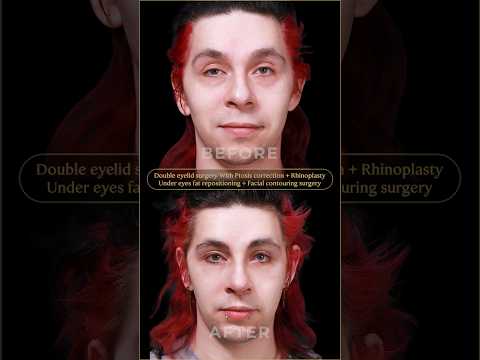
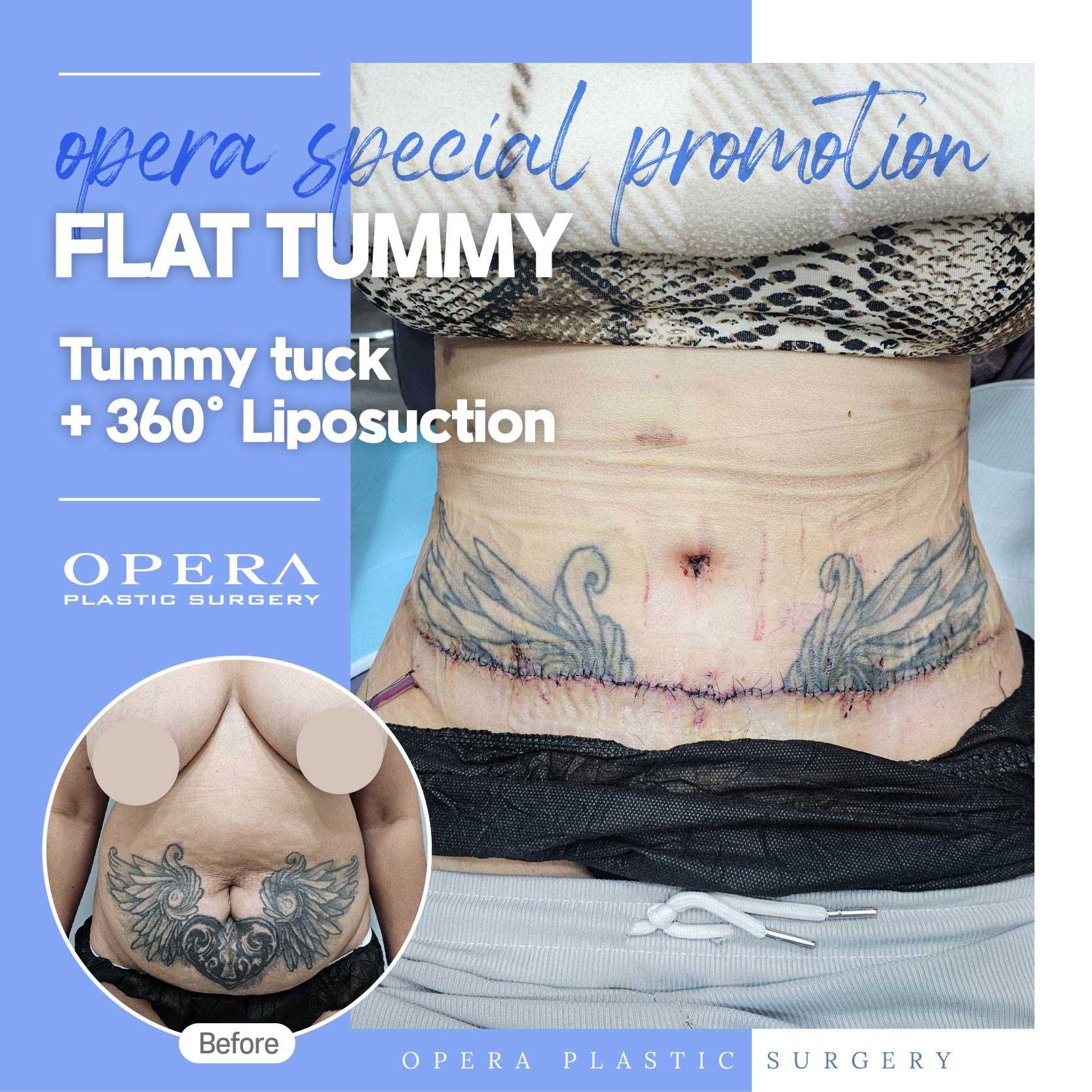
Thigh Lift Videos from South Korea: Results and Procedures
Watch videos highlighting Thigh Lift in South Korea, showcasing patient experiences, testimonials, and step-by-step procedure insights.
Thigh Lift Experiences in South Korea: Unveil Procedure Secrets and Success Stories
Immerse yourself in the real experiences of patients in South Korea who have undergone Thigh Lift. Learn the procedure steps, recovery tips, and witness their amazing transformations.








.png)

.png)
.png)








Share this listing